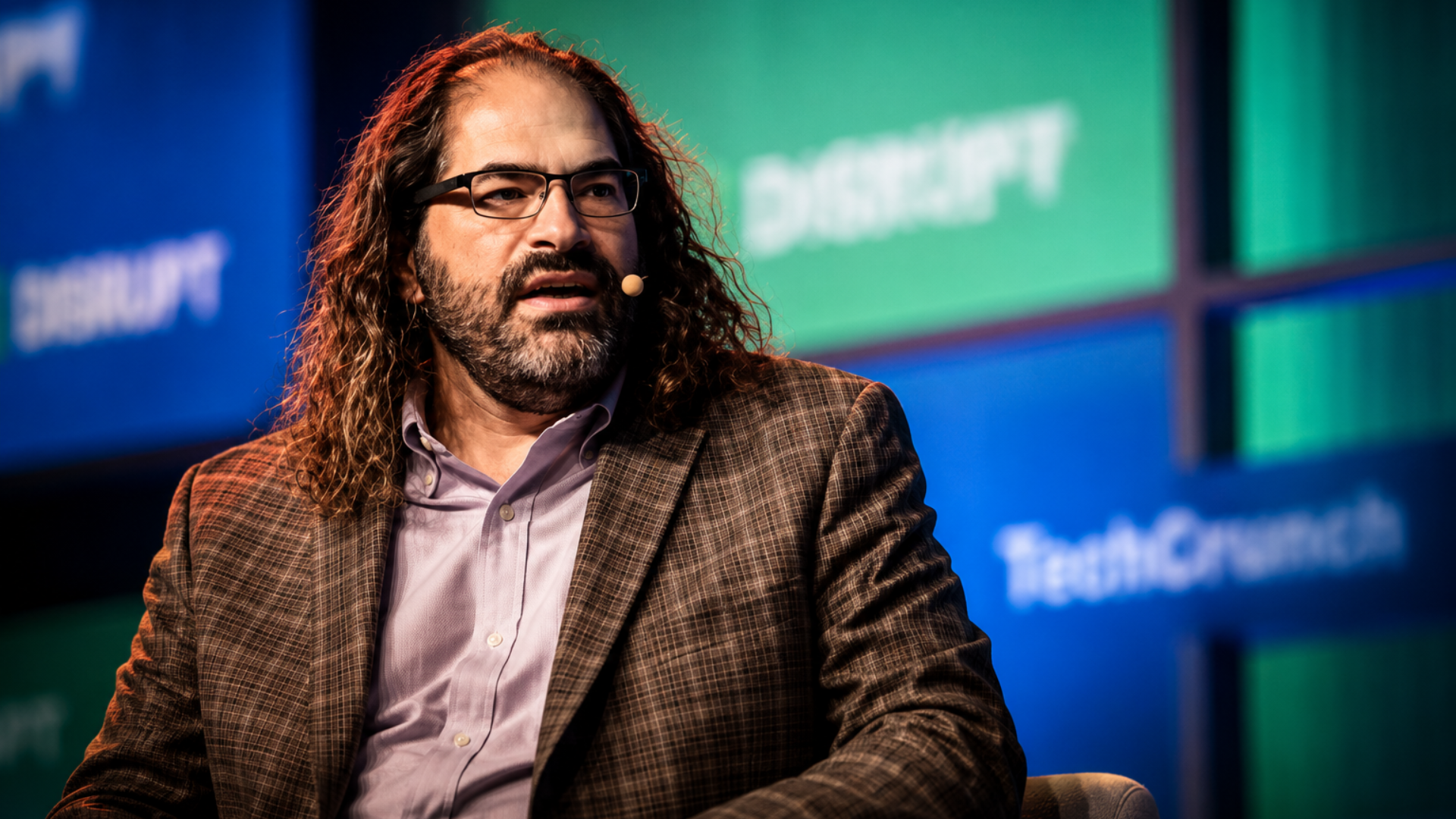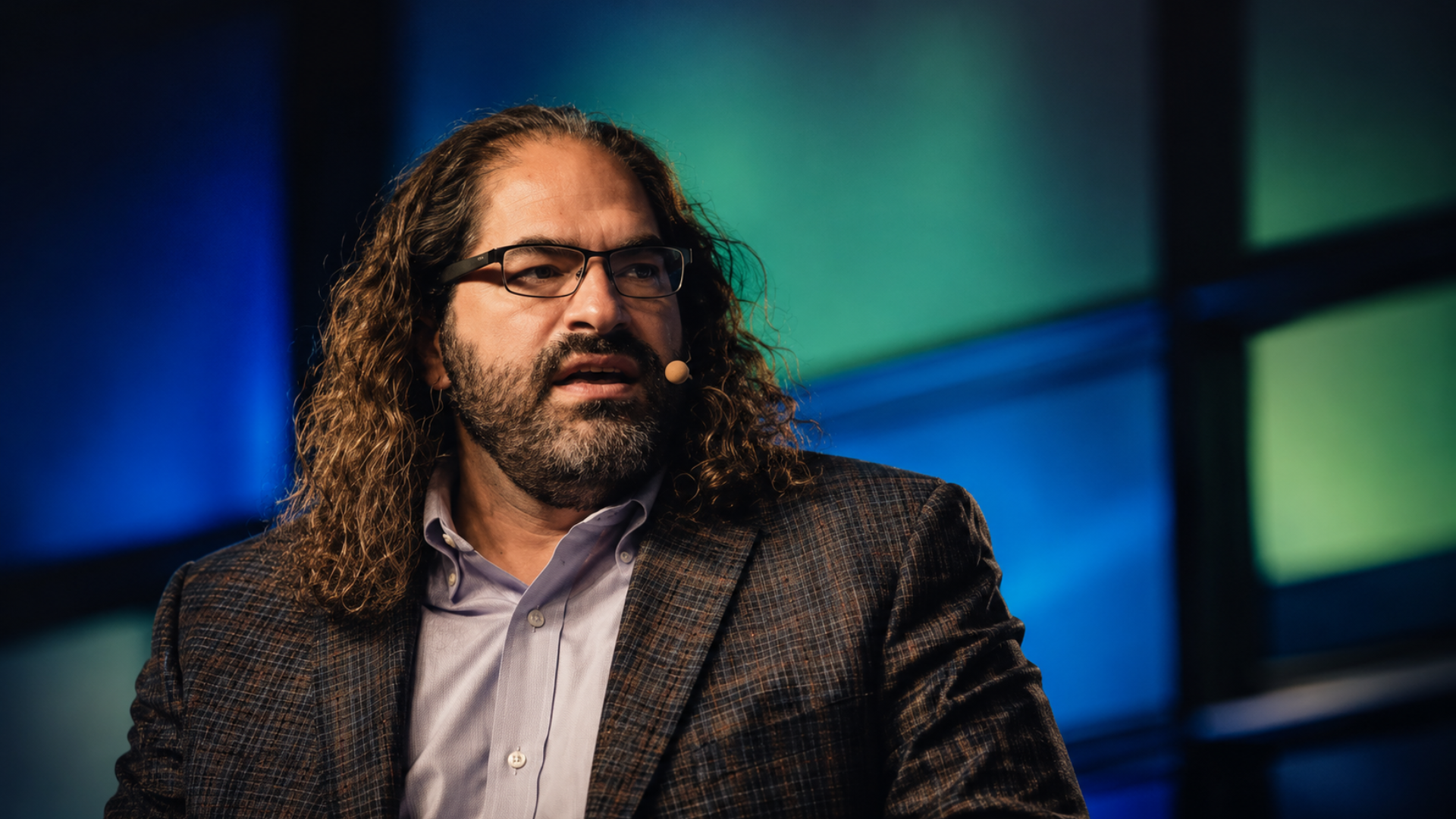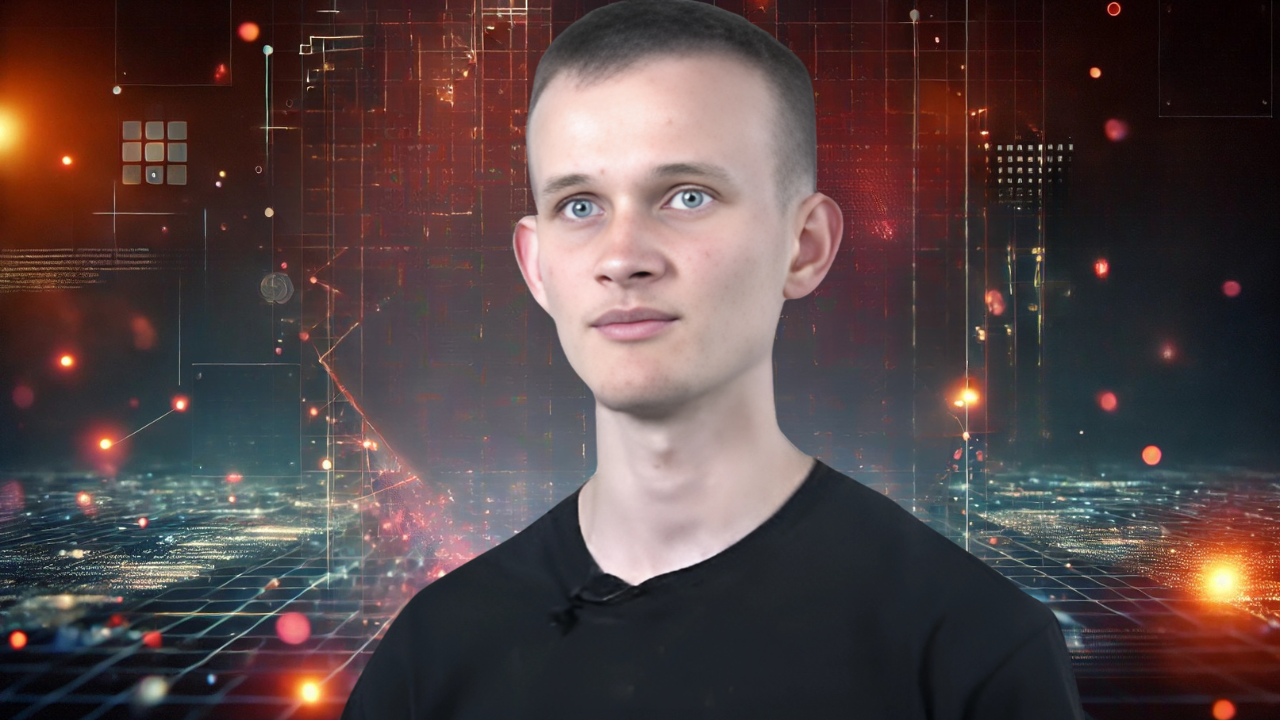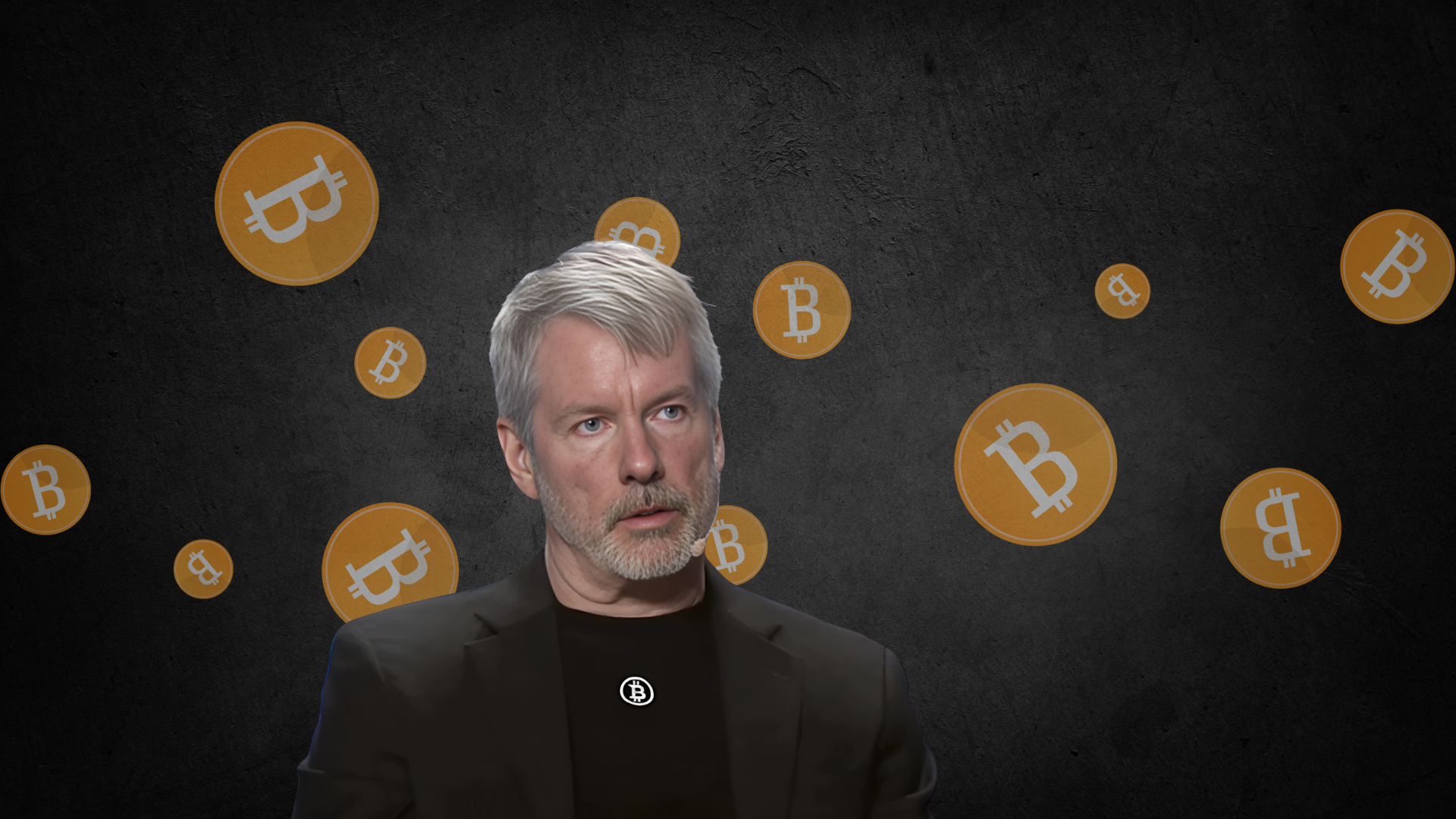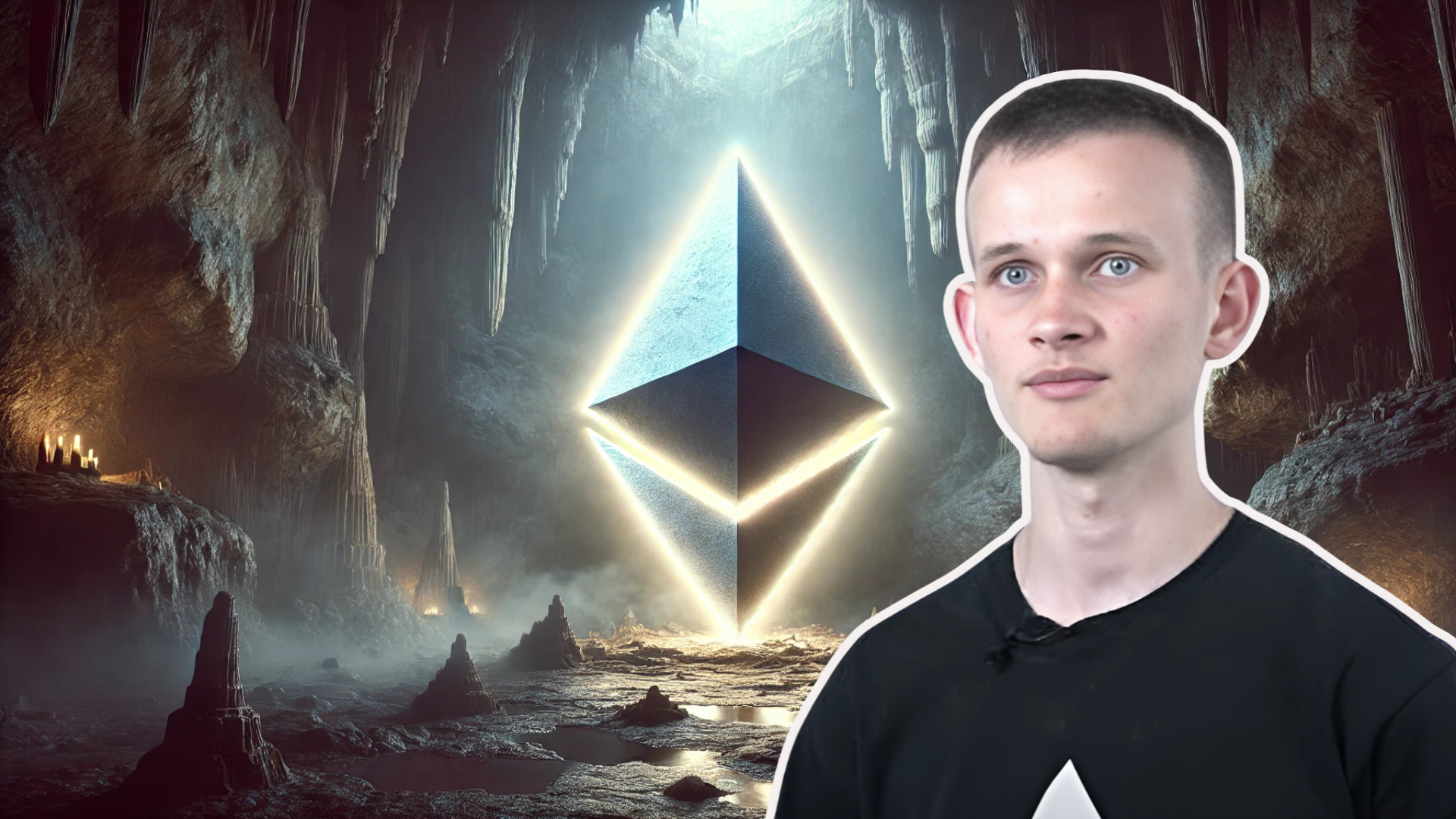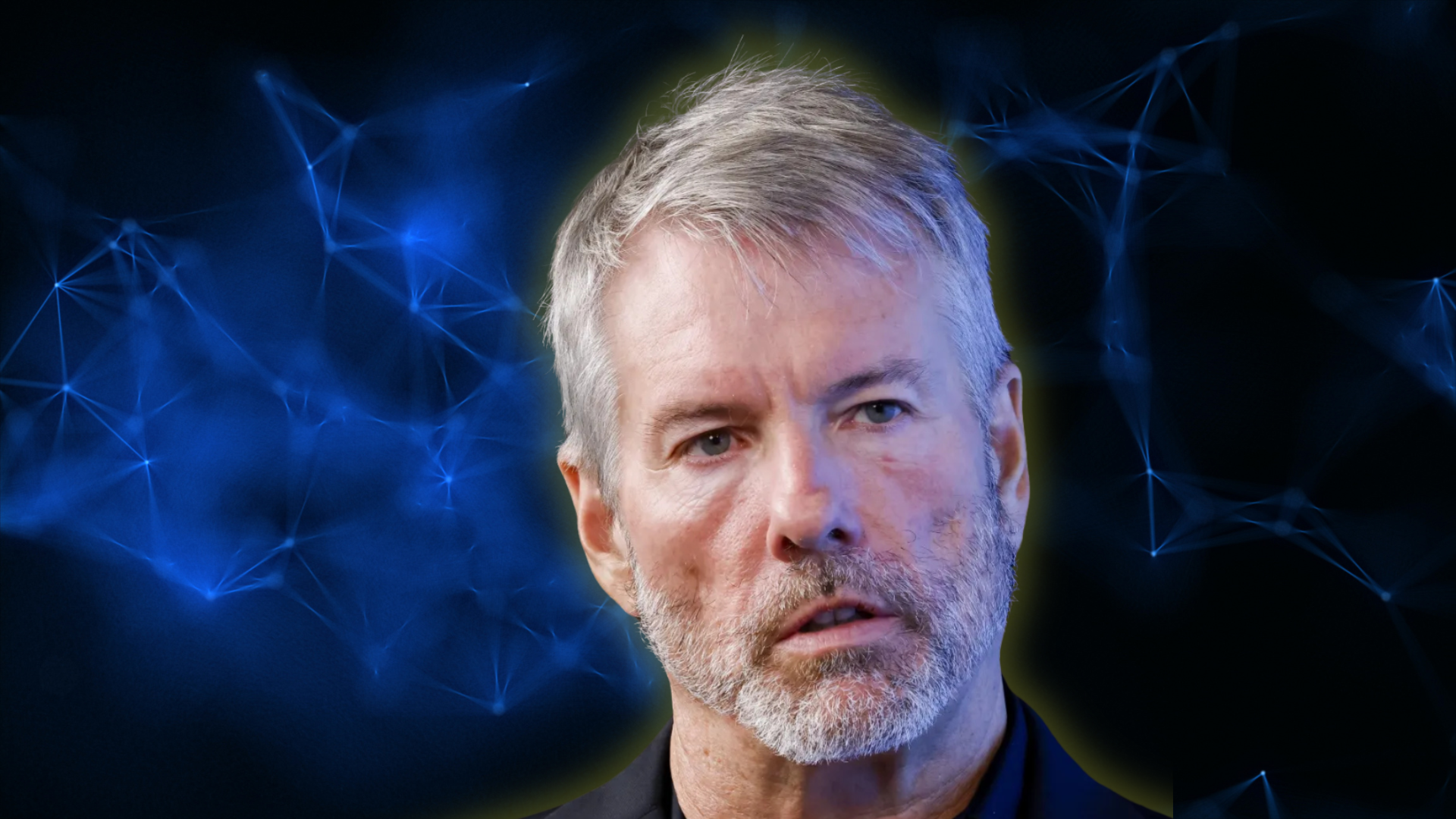


The growing influence of artificial intelligence in cybersecurity has sparked a debate between two of the cryptocurrency industry’s biggest names. Cardano founder Charles Hoskinson has pushed back against Ethereum co-founder Vitalik Buterin’s concerns that AI could expose weaknesses in cryptographic systems designed to withstand future quantum computing attacks.
While Buterin believes advances in AI-powered mathematical research could challenge today’s security assumptions, Hoskinson argues that existing cryptographic standards have already undergone decades of rigorous testing.
Their disagreement raises an important question for the cryptocurrency industry: Could artificial intelligence eventually compromise the technology protecting blockchain networks and digital wallets?
Hoskinson Pushes Back Against Buterin’s AI Security Warning
The debate gained attention on October 9, 2026, when Charles Hoskinson responded to concerns raised by Vitalik Buterin about the long-term security of lattice-based cryptography.
Buterin suggested that increasingly powerful AI systems could discover mathematical shortcuts that traditional researchers have overlooked.
Such breakthroughs could potentially weaken cryptographic algorithms that currently protect sensitive information, digital transactions, and blockchain infrastructure.
His concern is that AI could dramatically accelerate mathematical discoveries, turning research that might normally take decades into a much shorter process.
But Hoskinson disagrees with the idea that this possibility alone is enough to question established cryptographic standards.
He argued that researchers have spent decades studying attacks against lattice-based mathematical problems. Without evidence of a new, more efficient attack, he believes there is little justification for abandoning existing algorithms.
Hoskinson also challenged Buterin’s comparison between lattice-based cryptography and historical advances in integer factorization.
According to Hoskinson, breakthroughs in factorization relied on specific mathematical discoveries that cannot automatically be applied to lattice-based security systems.
Why Lattice-Based Cryptography Matters for Crypto Security
Lattice-based cryptography is considered one of the most promising approaches to protecting digital systems against future quantum computing threats.
Unlike conventional encryption and signature methods, many lattice-based algorithms are designed around mathematical problems believed to remain difficult even for powerful quantum computers.
Two important examples are ML-KEM and ML-DSA, which were standardized by the U.S. National Institute of Standards and Technology (NIST) in August 2024.
ML-KEM helps establish secure shared secrets between communicating parties, while ML-DSA provides digital signatures used to verify identities and authorize actions.
Both technologies underwent extensive evaluation before receiving official approval.
Hoskinson emphasized that researchers have been examining lattice-related mathematical attacks since the early 1980s, including work involving the Lenstra–Lenstra–Lovász algorithm.
Over time, security experts have developed increasingly sophisticated techniques for testing lattice problems.
According to Hoskinson, modern cryptographic parameters are designed with those known attack methods in mind.
However, that does not mean lattice-based systems are guaranteed to remain secure forever.
Future mathematical discoveries, whether made by humans or AI systems, could still challenge existing assumptions.
For now, the standards are considered resistant to known attacks from classical and sufficiently powerful quantum computers.
Buterin Warns AI Could Accelerate Cryptographic Breakthroughs
Vitalik Buterin’s concerns extend beyond quantum computers themselves.
He believes artificial intelligence could become a powerful tool for discovering weaknesses in mathematical systems that currently appear secure.
AI-assisted research may eventually identify new algorithms or more efficient attack techniques that change how experts evaluate cryptographic protection.
One possibility raised by Buterin is that lattice-based cryptography could require significantly larger security parameters if a major breakthrough occurs.
He suggested that developers might eventually need to increase certain key sizes substantially to maintain sufficient protection.
Hoskinson strongly questioned that approach.
He argued that increasing cryptographic key sizes without identifying a specific attack would not provide a meaningful way to measure security.
Instead, he believes researchers should first demonstrate a credible mathematical weakness, calculate its potential impact, and determine whether existing security parameters need adjustment.
The disagreement highlights two different approaches to future cybersecurity risks.
Buterin favors preparing for potentially disruptive discoveries before they happen, while Hoskinson emphasizes evidence-based changes supported by mathematical analysis.
Ethereum Explores Hash-Based Cryptography for Long-Term Protection
Ethereum developers are already exploring ways to strengthen the network against future cryptographic threats.
Part of this research involves hash-based digital signatures, including approaches related to WOTS and SPHINCS.
These systems rely on different security assumptions from lattice-based cryptography and may offer advantages for certain blockchain applications.
Buterin has expressed interest in hash-based approaches because they depend less on the algebraic structures involved in lattice-based systems.
However, Hoskinson warned against assuming that hash-based cryptography is automatically more secure.
He pointed to historical vulnerabilities in widely used hashing algorithms such as MD5 and SHA-1.
Both were once trusted for important security applications before researchers discovered practical weaknesses.
Hoskinson also noted that even widely trusted algorithms such as SHA-256 do not come with a universal mathematical guarantee against every possible future attack.
His broader argument is that every cryptographic system must be evaluated using consistent standards.
Ethereum researchers have also reconsidered the role of specialized hash functions such as Poseidon and Poseidon2 in the network’s future architecture.
Recent research has increasingly favored established alternatives, including SHA-2 and BLAKE2s, for certain applications.
Still, hash-based signatures are not a complete replacement for all cryptographic technologies.
Secure communications, encryption, authentication, and blockchain transactions can require different mathematical tools.
Could AI Eventually Put Cryptocurrency Wallets at Risk?
The debate comes amid growing concerns about the long-term security of cryptocurrency wallets.
On October 7, Ethereum Foundation researcher Justin Drake warned that future AI advances might uncover weaknesses in elliptic-curve cryptography.
Elliptic-curve systems are widely used to generate and verify digital signatures across blockchain networks.
If researchers discovered a practical way to compromise these systems, the consequences could extend across the cryptocurrency ecosystem.
However, the warnings remain focused on potential future threats rather than a demonstrated attack capable of breaking existing cryptocurrency wallets.
Buterin has encouraged users to think carefully about long-term wallet security, including the possible benefits of addresses whose public keys have not yet been exposed through outgoing transactions.
At the same time, he has discouraged rushed wallet migrations.
Moving digital assets without proper preparation can introduce additional risks, including transaction errors, phishing exposure, and accidental loss of funds.
For ordinary cryptocurrency holders, the discussion is therefore more about future security planning than an immediate reason to panic.
Crypto Companies Begin Testing Quantum-Resistant Wallet Technology
The debate is not limited to Ethereum and Cardano.
Companies and blockchain developers are already researching how next-generation cryptography could be integrated into existing systems.
In May 2026, cryptocurrency custody provider BitGo tested quantum-resistant wallet signing technology with Silence Laboratories.
The demonstration involved ML-DSA and explored how post-quantum signatures might work within institutional custody operations.
Although the test represented progress toward stronger long-term security, it did not demonstrate that current wallet encryption or signing systems had been compromised.
Other blockchain ecosystems are exploring similar solutions.
Sui, for example, has outlined plans involving both lattice-based and hash-based signature options as part of its future account security strategy.
These developments show that the industry is beginning to take quantum-resistant security more seriously, even though the timeline for practical threats remains uncertain.
What the Hoskinson–Buterin Debate Means for Crypto’s Future
The disagreement between Charles Hoskinson and Vitalik Buterin reflects a broader challenge facing the cryptocurrency industry.
Blockchain networks must prepare for future technological breakthroughs without making unnecessary changes that introduce additional complexity or security risks.
Buterin’s position highlights the importance of anticipating threats from rapidly improving AI systems and emerging mathematical research.
Hoskinson, meanwhile, argues that cryptographic decisions should remain grounded in demonstrated attacks, measurable security costs, and established scientific evaluation.
Both perspectives contribute to an important conversation about protecting blockchain infrastructure over the coming decades.
At present, there is no publicly demonstrated AI breakthrough that has invalidated the NIST-standardized ML-KEM or ML-DSA algorithms.
Hoskinson’s October 9 comments also did not include an announcement of a new Cardano security upgrade or implementation schedule.
Instead, he called for continued research, independent testing, and careful evaluation of any newly discovered vulnerabilities.
As AI technology advances and blockchain adoption expands, the central challenge will be balancing proactive security planning with proven cryptographic research.
For investors, developers, and everyday crypto users, the debate is a reminder that digital asset security is an evolving field—and protecting the future of cryptocurrency will require both innovation and rigorous testing.