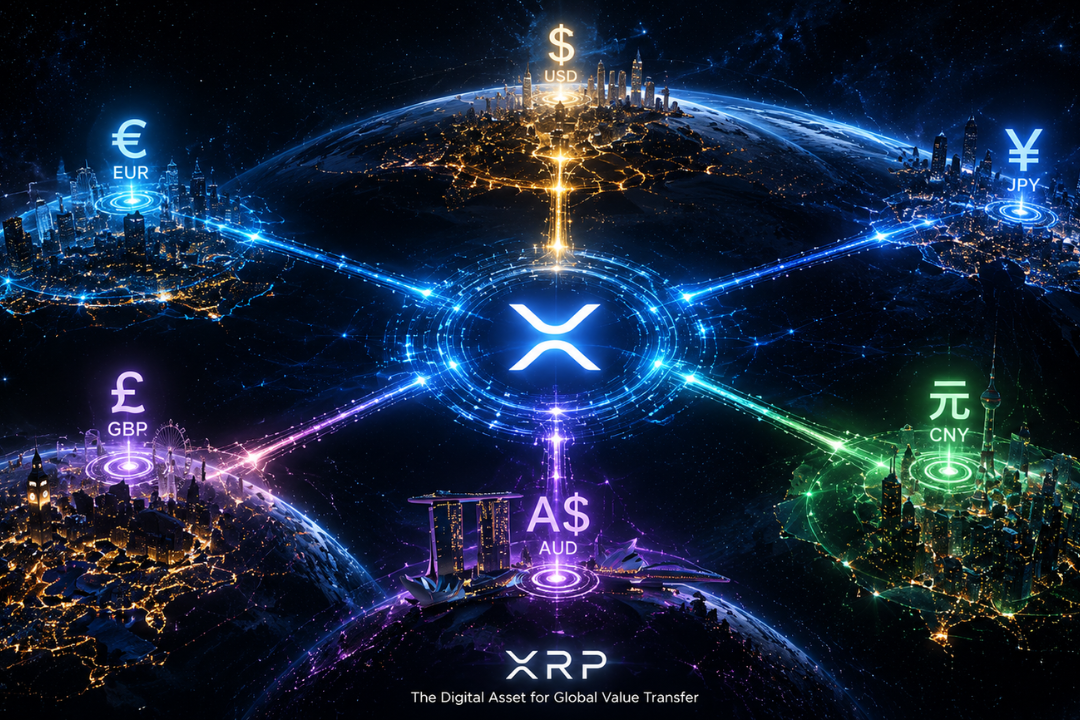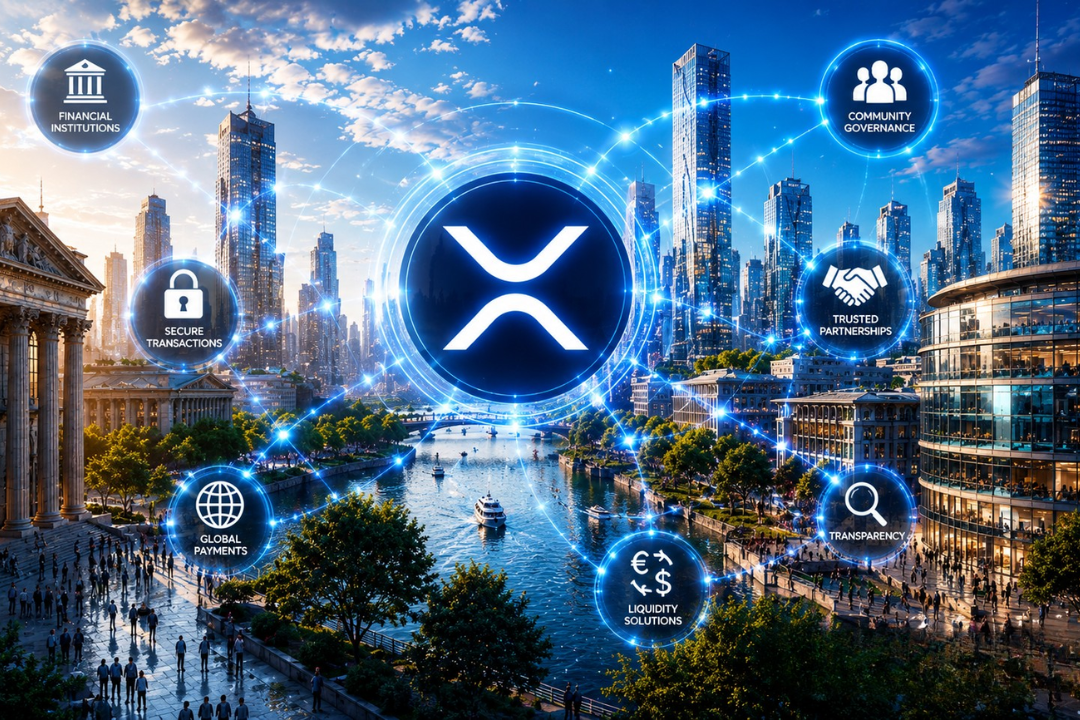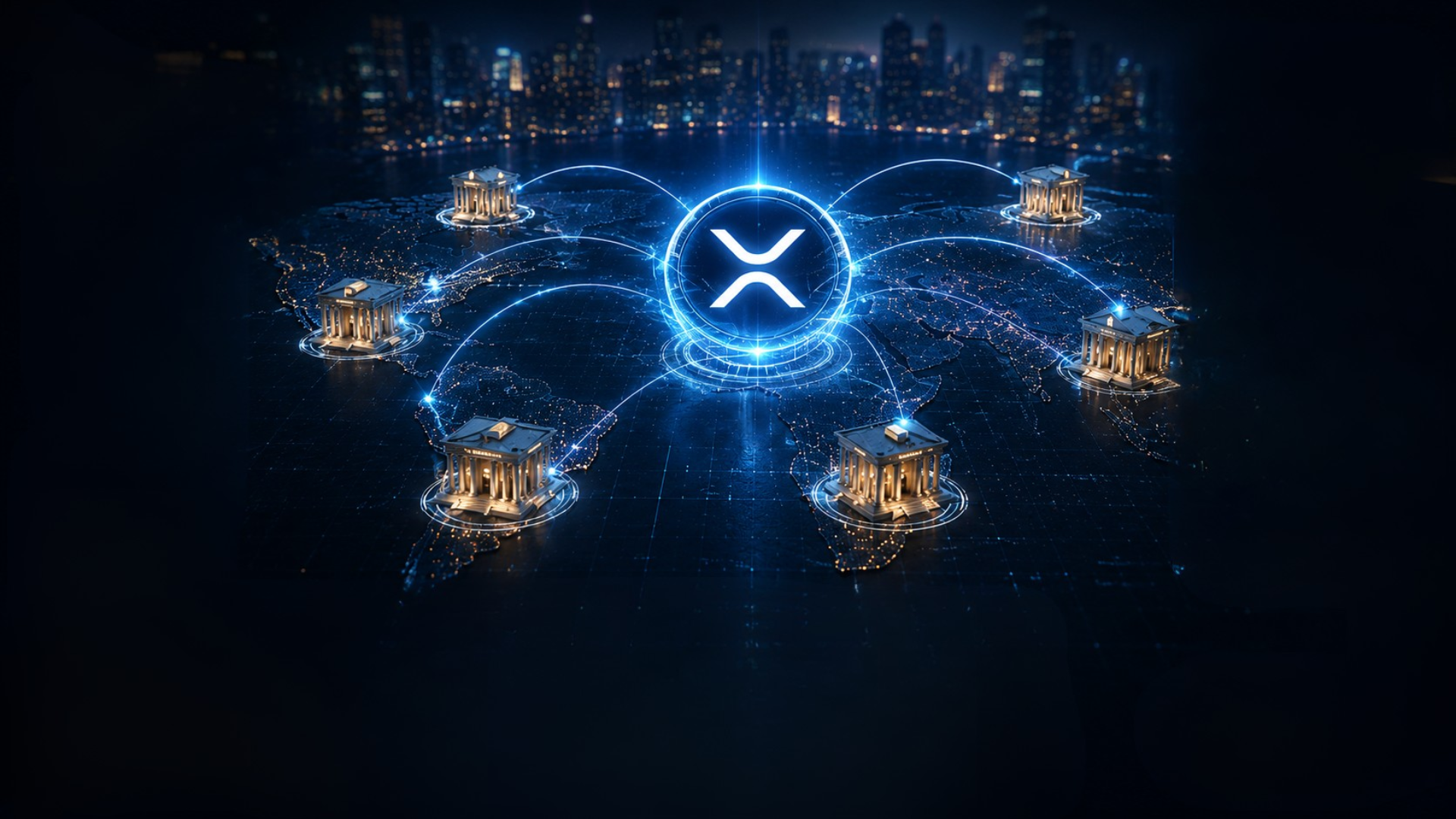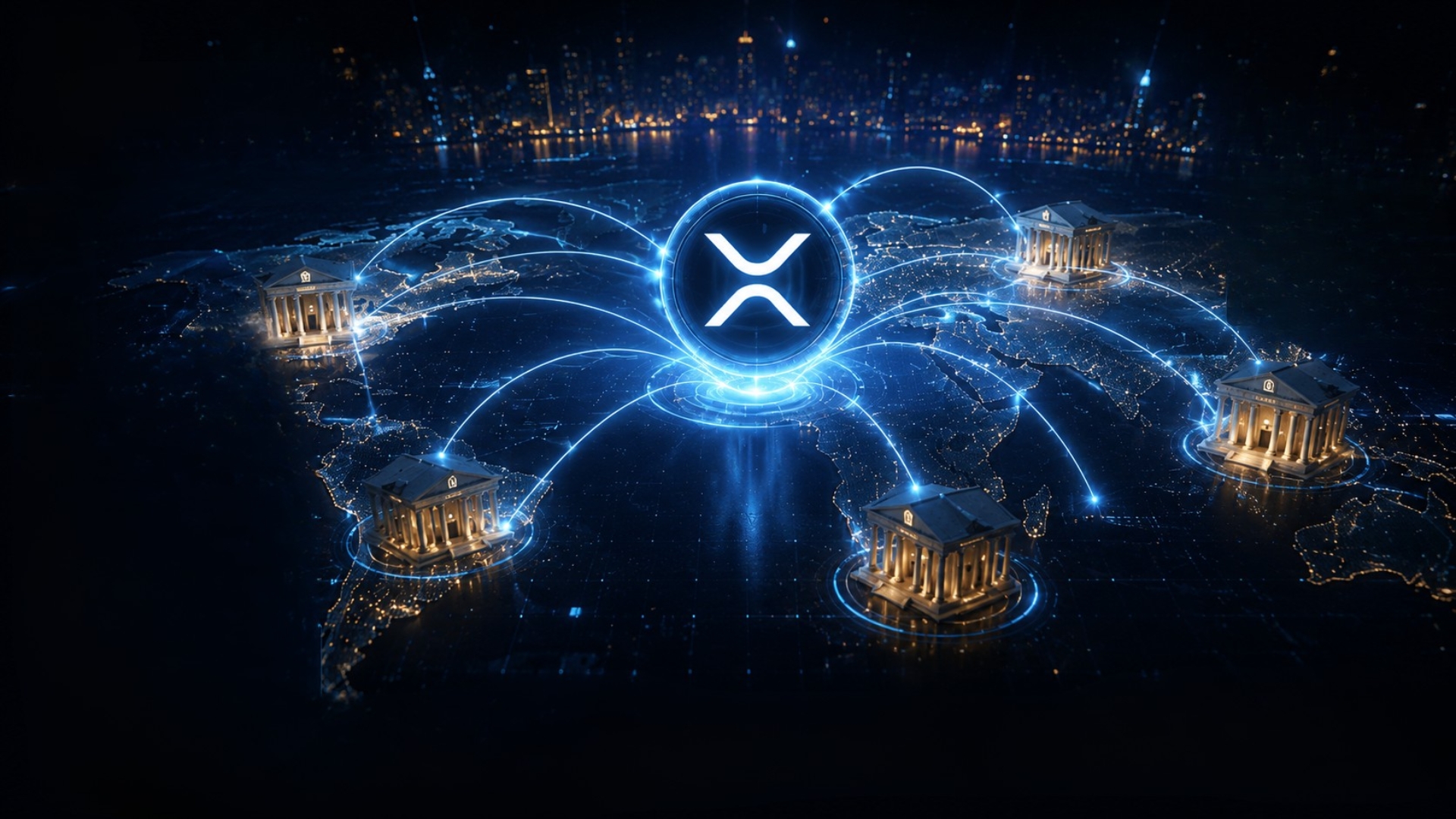


Ripple continues to secure major institutional partnerships, expand its global payments network, and generate headlines that would typically be expected to boost investor confidence.
In June 2026, the company completed a high-profile cross-border settlement involving JPMorgan, Mastercard, and Ondo Finance. Ripple’s stablecoin RLUSD played a central role in the transaction, while the XRP Ledger processed the blockchain portion of the settlement in under five seconds.
On paper, it looked like the type of breakthrough that should have sparked a significant rally in XRP.
Instead, the token barely reacted.
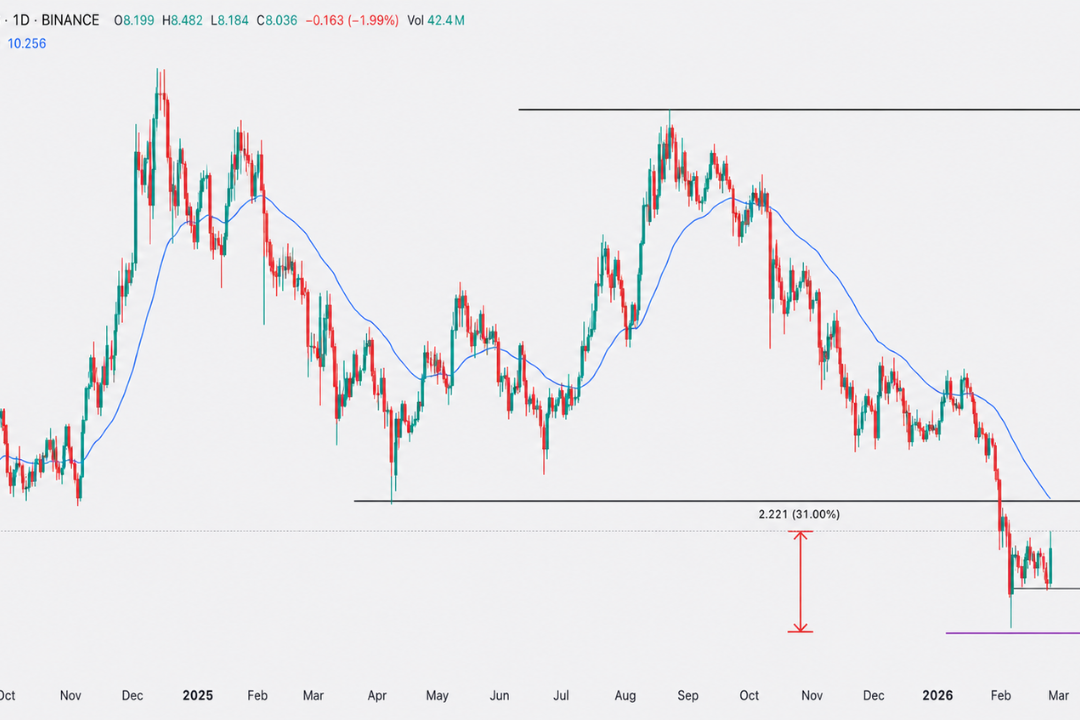
That disconnect has become one of the most fascinating stories in crypto this year: Ripple keeps winning, yet XRP remains trapped near the same price range.
Understanding why requires separating Ripple the company from XRP the asset.
The JPMorgan Treasury Settlement Was a Real Milestone
The transaction itself was undeniably significant.
Ripple, JPMorgan, Mastercard, and Ondo Finance collaborated on the redemption of a tokenized U.S. Treasury fund across borders and banking systems.
The blockchain portion settled in less than five seconds, compared to the one-to-three business days typically required through traditional financial infrastructure.
For the XRP Ledger, this represented a major proof of concept.
It demonstrated that large financial institutions are willing to explore real-world asset settlement on public blockchain infrastructure rather than limiting activity to private networks.
From a technology and adoption standpoint, the achievement was substantial.
However, the market’s reaction told a different story.
XRP showed little sustained price appreciation following the announcement, continuing a pattern that has repeated throughout much of 2026.
The Detail Many Investors Missed
The most important detail was not the speed of the settlement.
It was the asset used to settle it.
While the transaction ran on the XRP Ledger, the actual settlement currency was RLUSD, Ripple’s U.S. dollar-backed stablecoin.
The process involved:
- Tokenized Treasury assets from Ondo Finance
- RLUSD as the settlement asset
- XRP Ledger as the infrastructure layer
XRP itself played only a minimal role.
Like every transaction on the network, a tiny amount of XRP was used to pay network fees, but those fees represented only fractions of a cent.
This distinction matters because institutional treasury operations require stable assets.
Financial institutions generally prefer settling transactions using dollar-denominated assets rather than highly volatile cryptocurrencies.
That is exactly why Ripple developed RLUSD.
As a result, the direct beneficiary of the transaction was RLUSD and the XRP Ledger infrastructure—not necessarily XRP itself.
Ripple and XRP Are Not the Same Asset
One of the biggest misconceptions in crypto remains the relationship between Ripple and XRP.
Although closely associated, they are fundamentally different assets.
Ripple
Ripple is a private technology company.
It:
- Builds payment infrastructure
- Signs institutional partnerships
- Develops stablecoin products
- Generates corporate revenue
- May eventually pursue an IPO
XRP
XRP is an independent cryptocurrency.
Holding XRP:
- Does not provide equity ownership in Ripple
- Does not grant rights to company profits
- Does not provide dividend payments
- Does not create a claim on Ripple’s business operations
This distinction has become increasingly important as Ripple expands its institutional footprint.
Positive news for Ripple does not automatically create demand for XRP.
The market has become more sophisticated in recognizing that difference.
Why Ripple’s IPO Would Not Automatically Benefit XRP
Speculation surrounding a potential Ripple IPO has intensified throughout 2026.
CEO Brad Garlinghouse has repeatedly suggested that an initial public offering remains a realistic possibility.
Many XRP holders view a future IPO as bullish for the token.
However, the relationship is not as straightforward as it may seem.
An IPO would primarily benefit:
- Ripple shareholders
- Company executives
- Early investors
- Institutional equity holders
XRP holders would not automatically receive shares, dividends, or ownership rights.
Any benefit would likely be indirect.
The bullish argument centers on the idea that Ripple’s success could eventually increase XRP utility and demand.
While that remains possible, it is far from guaranteed.
The Supply Overhang Continues to Weigh on XRP
Beyond utility concerns, XRP faces another challenge: supply.
Ripple continues managing a large escrow system containing billions of XRP.
Each month:
- Up to one billion XRP can be released
- Most tokens are re-locked
- Hundreds of millions still enter circulation
This creates ongoing supply pressure.
While XRP transaction fees are burned during network activity, the amount destroyed remains tiny compared to the scale of monthly escrow releases.
For fee burning to meaningfully offset supply growth, XRP Ledger activity would need to increase dramatically.
At current usage levels, the impact remains negligible.
As a result, demand must consistently outpace new supply just to support existing prices.
XRP Still Has Strong Bullish Catalysts
Despite the challenges, XRP’s outlook is not entirely bearish.
Several developments have strengthened the asset’s long-term position.
Regulatory Clarity
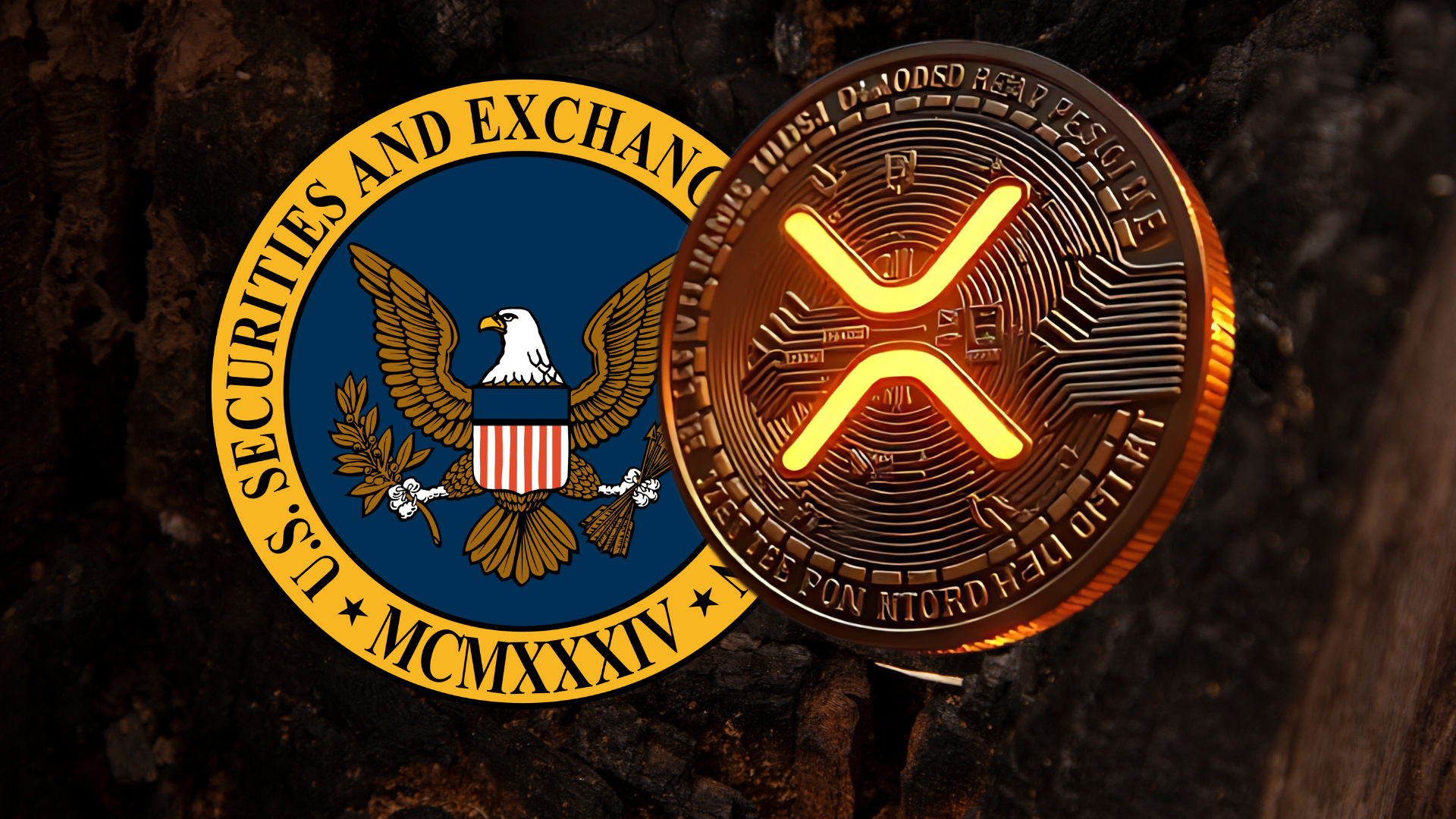
The SEC’s legal battle with Ripple ended in 2025.
Courts determined that XRP traded on public exchanges does not qualify as a security.
This provided a level of regulatory clarity that few major cryptocurrencies currently enjoy.
Institutional ETFs
Spot XRP exchange-traded funds launched in late 2025 and have attracted substantial institutional interest.
The products have accumulated billions of dollars in assets and represent one of the clearest sources of measurable demand for XRP.
RLUSD Growth
Ripple’s stablecoin surpassed $1 billion in market capitalization within its first year.
The rapid growth of RLUSD demonstrates increasing institutional trust in Ripple’s ecosystem.
Global Payments Expansion
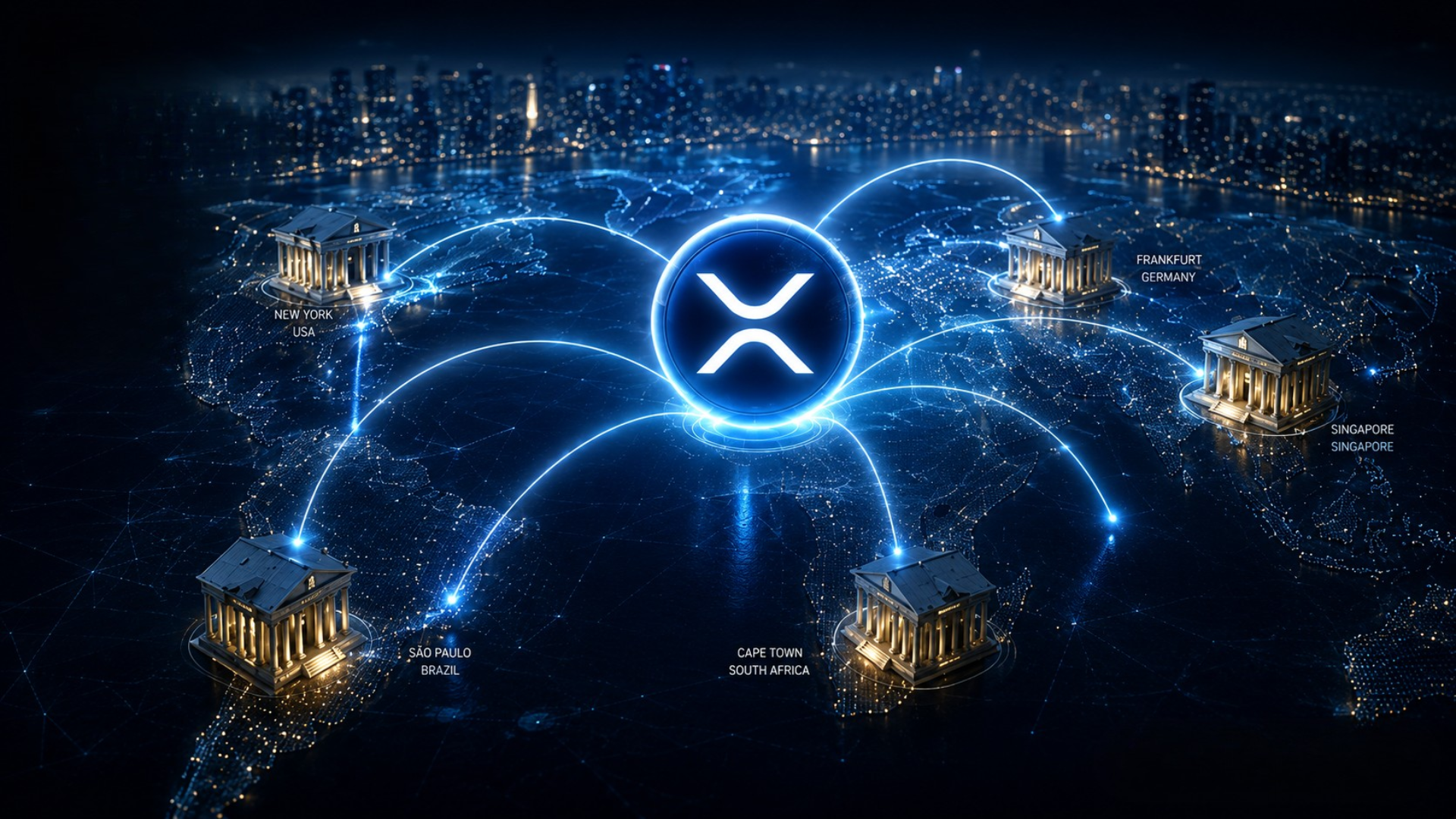
Ripple continues expanding its international payments network through partnerships and strategic investments across multiple regions.
These developments strengthen the overall ecosystem even if they do not immediately translate into XRP demand.
Why the Market Keeps Pricing Catalysts as “Maybes”
The core issue is not that XRP lacks catalysts.
The problem is that most catalysts remain potential demand drivers rather than proven demand drivers.
For example:
- A partnership announcement may lead to future usage.
- An ETF launch may attract future inflows.
- A legislative proposal may eventually become law.
The market typically discounts uncertain future benefits.
Investors want evidence that institutional adoption is directly increasing XRP demand—not simply increasing activity on infrastructure associated with Ripple.
Until that link becomes more visible, many traders remain cautious.
The Bigger Problem: Network Success Does Not Always Equal Token Success
XRP’s situation reflects a broader pattern seen across the crypto industry.
A blockchain network can experience:
- Growing adoption
- Institutional usage
- Rising transaction volumes
- Strong ecosystem development
Without necessarily creating proportional demand for its native token.
Value accrues to a token when users must buy, hold, or consume meaningful amounts of that asset to participate in the network.
When network growth relies primarily on stablecoins or other assets, token demand can become disconnected from infrastructure adoption.
That is the challenge XRP currently faces.
The XRP Ledger is increasingly being used for settlement and financial infrastructure, but much of that activity relies on RLUSD rather than XRP itself.
What Could Finally Push XRP Higher?
Several developments could potentially change the narrative.
Higher XRP Utility
More applications that require XRP directly rather than indirectly.
Stronger ETF Inflows
Continued institutional demand through exchange-traded products.
Regulatory Legislation
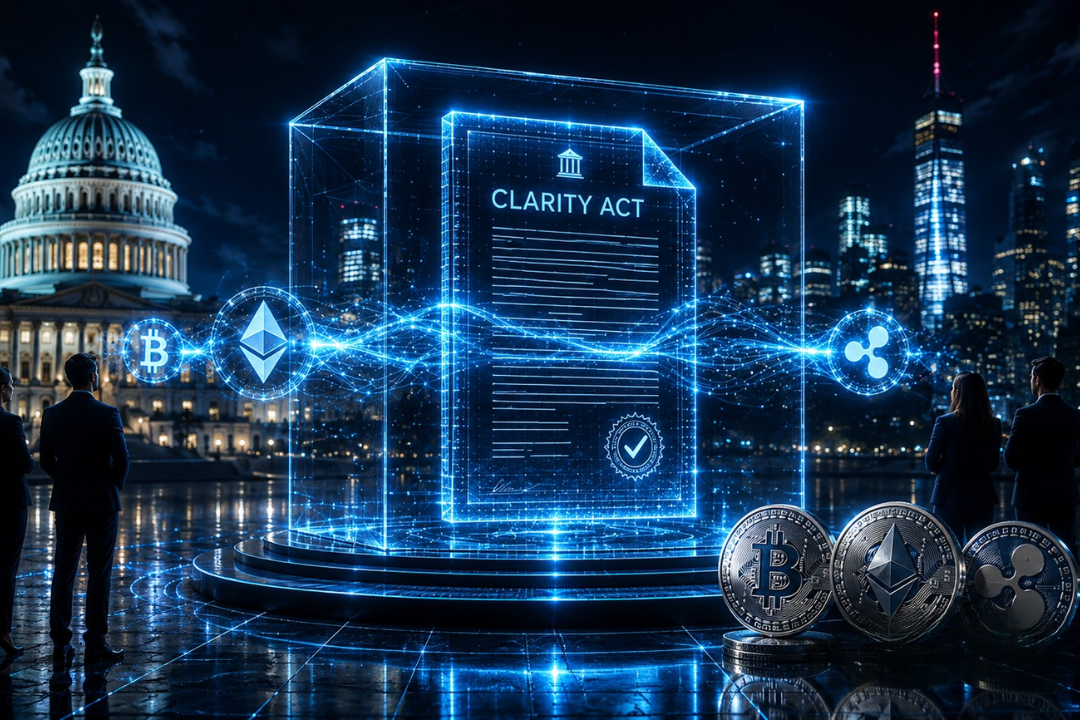
Potential passage of the CLARITY Act could further strengthen XRP’s regulatory status and attract additional institutional capital.
Increased Network Demand
A significant rise in transaction activity that materially increases XRP usage and consumption.
The key factor is conversion.
Ripple’s institutional success must eventually translate into measurable token demand.
Until that happens, the disconnect may persist.
The Bottom Line
Ripple’s partnership wins are real.
Its Treasury settlement involving JPMorgan, Mastercard, and Ondo Finance demonstrated that major financial institutions are willing to use the XRP Ledger for real-world asset transactions. The company is expanding globally, growing RLUSD, attracting institutional interest, and continuing to discuss a potential IPO.
Yet XRP remains largely range-bound because the direct beneficiaries of many of these developments are Ripple the company, RLUSD the stablecoin, and the XRP Ledger infrastructure—not necessarily XRP itself.
For XRP to break out of its long-standing trading range, investors will likely need more than partnership announcements. They will need evidence that institutional adoption is creating sustained, measurable demand for the token.
Until then, Ripple can continue winning while XRP continues waiting.