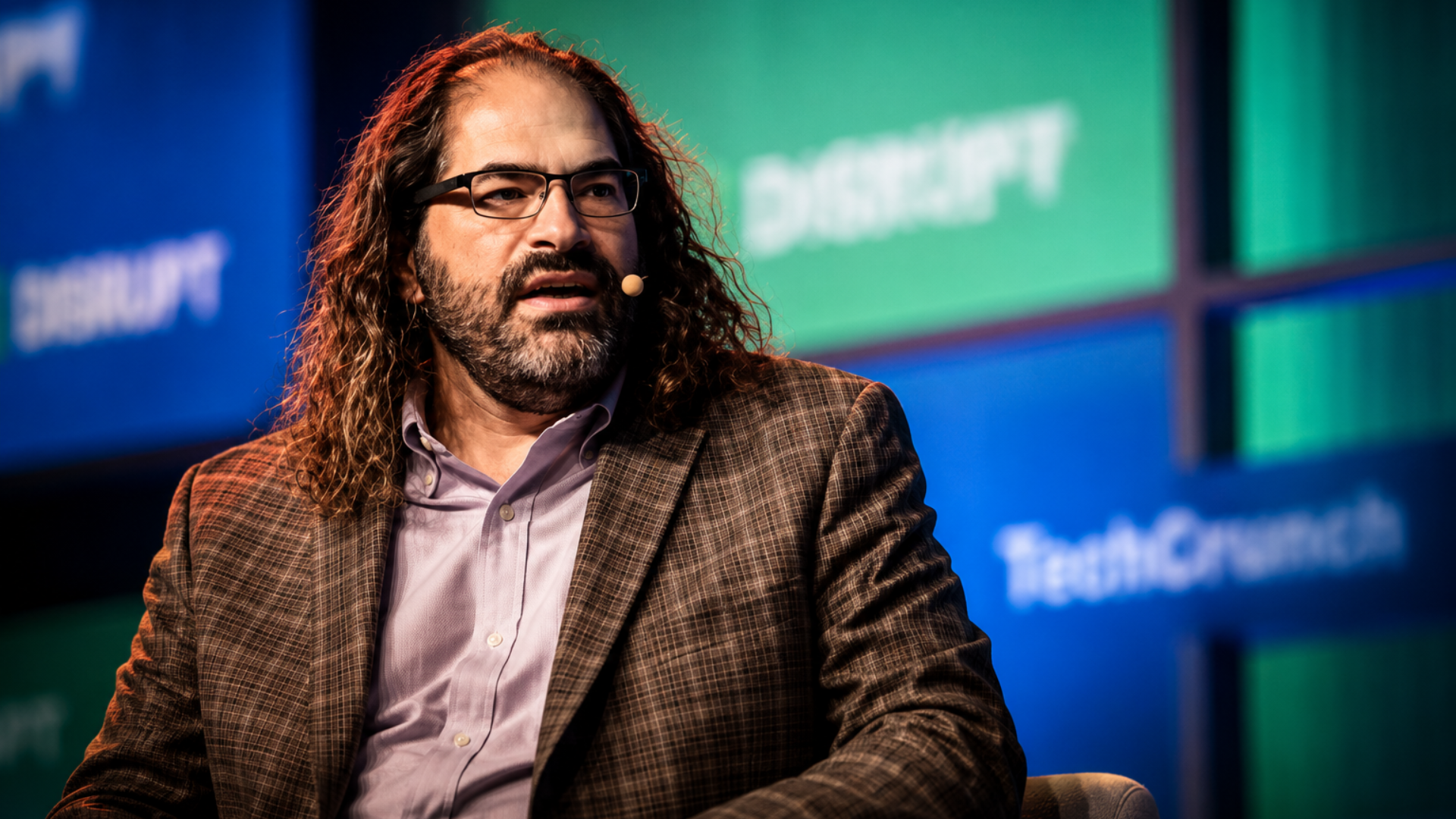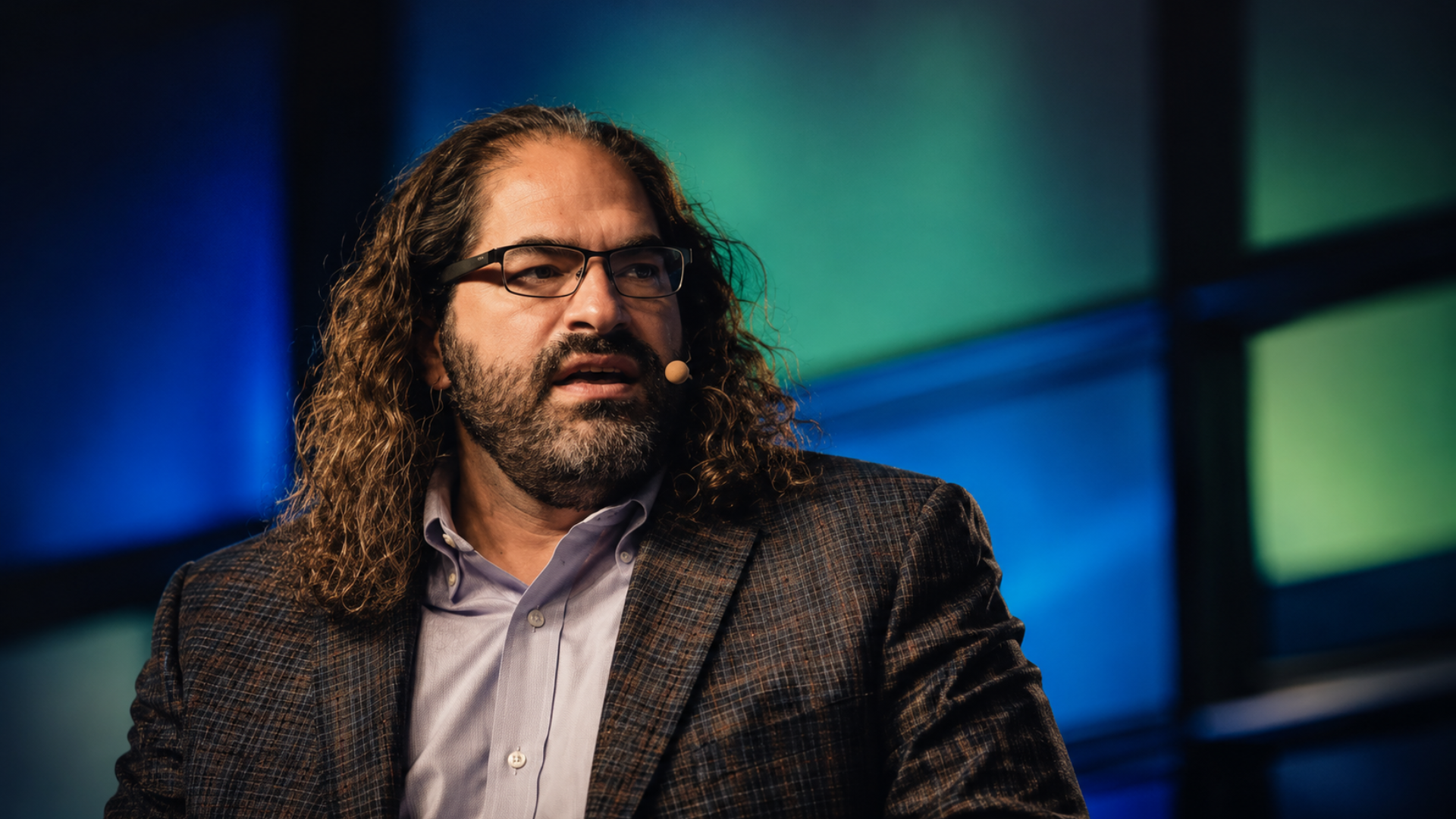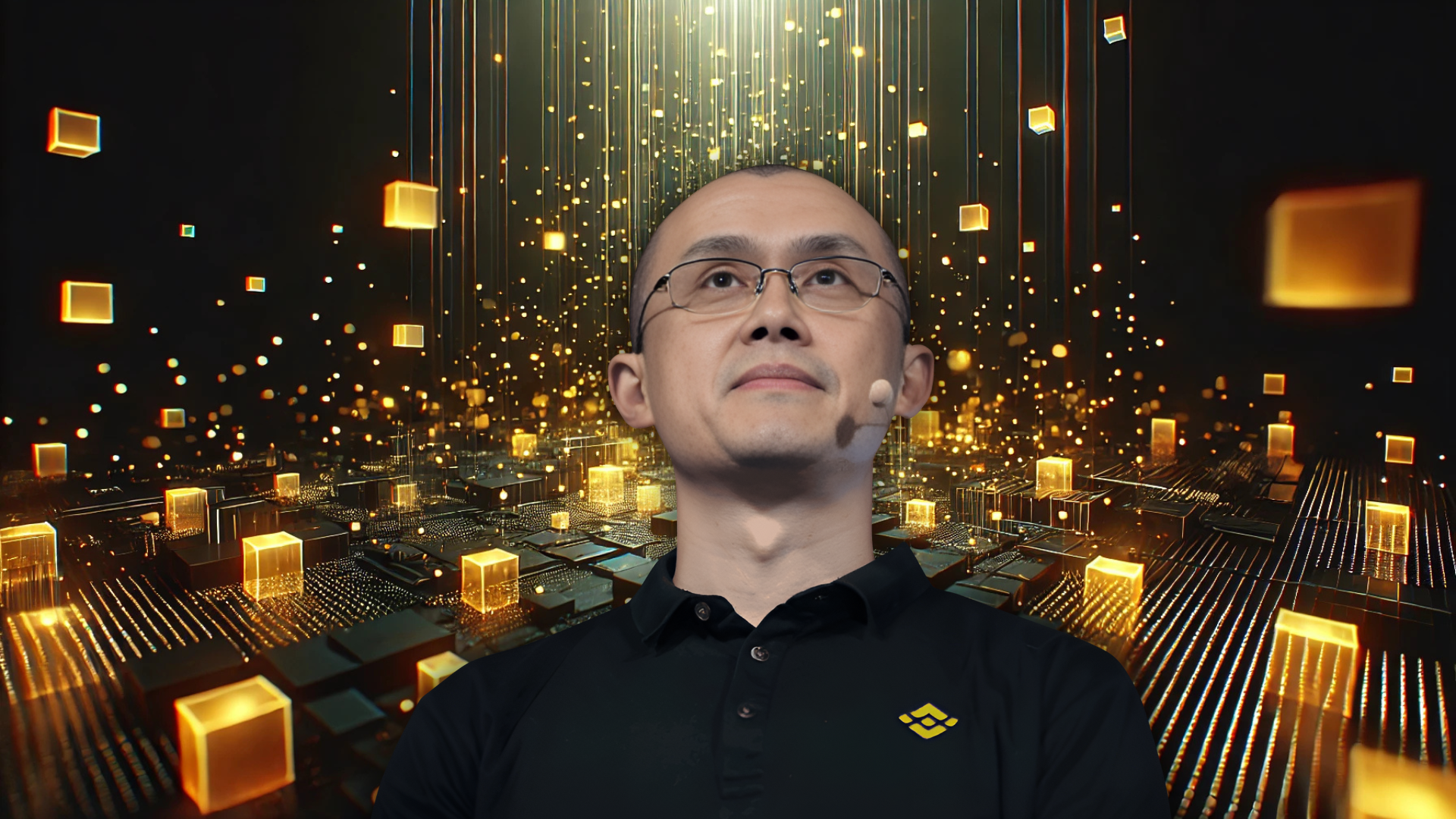


Binance founder Changpeng “CZ” Zhao believes that traditional stock market listings could eventually move onto blockchain networks as tokenized securities infrastructure continues to develop.
In a recent statement, Zhao suggested that initial public offerings (IPOs) will move on-chain, pointing toward a future where companies could issue shares through blockchain-based systems instead of relying entirely on traditional market infrastructure.
However, CZ did not provide a specific timeline, identify any upcoming issuer, or announce a Binance-related offering. His statement represents a prediction about the future direction of financial markets rather than a confirmed IPO initiative.
While fully blockchain-native IPOs are still limited, the infrastructure needed to support tokenized securities is already being developed by exchanges, financial institutions, and blockchain companies.
Tokenized Securities Are Moving Beyond Early Experiments
The idea of putting stocks and IPOs on blockchain networks is no longer just theoretical.
Several financial institutions and regulators are exploring how blockchain technology can improve securities markets through:
- Faster settlement
- Programmable compliance
- Fractional ownership
- Transparent ownership records
- Reduced administrative processes
Current market data shows increasing interest in blockchain-based equities, with tokenized stocks representing approximately $2.9 billion in on-chain value.
This growth suggests that investors and financial companies are becoming more interested in using blockchain technology for traditional assets.
France Completed a Fully Tokenized IPO
One of the strongest examples of blockchain-based fundraising came from France’s ST Group, which completed a fully tokenized IPO in April 2026.
The company raised approximately €2.07 million by issuing 113,525 shares at €18.25 each through Paris-based Lightning Stock Exchange (Lise).
The offering operated under the European Union’s Distributed Ledger Technology Pilot Regime, creating a regulated environment for blockchain-based securities issuance.
Unlike some tokenized stock products that only track price movements, ST Group issued actual regulated equity shares through blockchain infrastructure.
This distinction is important because investors received ownership rights connected to real shares rather than synthetic exposure.
Major Exchanges Are Testing Tokenized Stock Trading
Traditional financial markets are also experimenting with blockchain-based trading systems.
In the United States, exchanges such as Nasdaq and the New York Stock Exchange (NYSE) have developed frameworks that allow eligible tokenized securities to operate alongside conventional market structures.
Nasdaq’s approved pilot allows eligible participants to trade tokenized versions of selected securities while maintaining:
- The same ticker symbols
- The same CUSIP identifiers
- The same shareholder rights
- Integration with existing market infrastructure
The goal is not to replace traditional markets overnight but to combine blockchain efficiency with existing regulatory systems.
Tokenization Does Not Remove Securities Regulations
Although blockchain can change how securities are issued and transferred, it does not eliminate existing financial regulations.
The U.S. Securities and Exchange Commission (SEC) has clarified that tokenized securities remain subject to federal securities laws.
Moving ownership records onto a blockchain does not remove requirements related to:
- Registration
- Disclosure
- Investor protection
- Compliance obligations
The SEC has also highlighted that tokenized securities can have different structures.
Some tokens may represent direct ownership of shares, while others may only provide exposure to an asset without giving investors traditional shareholder rights.
Not Every Tokenized Stock Provides Real Ownership
The term tokenized stock can describe several different models.
These include:
Issuer-Backed Tokenized Securities
The company itself records ownership through blockchain technology, allowing investors to hold legally recognized shares.
Custodial Tokenized Assets
A third party holds traditional shares and issues blockchain tokens representing claims on those assets.
Synthetic Products
Some tokens only track the price of a stock without providing:
- Voting rights
- Dividend claims
- Direct ownership
Understanding the difference is important because investors may assume all tokenized assets provide the same rights.
Challenges Facing On-Chain IPOs
Despite growing interest, moving IPOs fully onto blockchain networks still faces several challenges.
Some key obstacles include:
Regulatory Compliance
Companies must still work with:
- Regulators
- Auditors
- Legal advisors
- Transfer agents
- Financial intermediaries
Blockchain technology can improve processes but does not remove these requirements.
Liquidity Concerns
Traditional markets benefit from deep liquidity and established trading systems.
A blockchain-based security may trade continuously, but without enough buyers and sellers, prices can become unstable.
Market Infrastructure
A successful on-chain IPO requires reliable systems for:
- Settlement
- Identity verification
- Compliance monitoring
- Investor protection
- Market surveillance
The Future of Blockchain-Based Public Offerings
Financial institutions are continuing to explore blockchain-powered capital markets.
Companies such as Cantor Fitzgerald and Securitize are developing infrastructure designed to support regulated blockchain-based fundraising and future public offerings.
Additional developments expected in the coming years include:
- More tokenized equity pilots
- Expanded exchange support
- Improved regulatory frameworks
- Greater institutional participation
The next major milestone will be seeing whether large companies choose blockchain-native issuance instead of traditional IPO processes.
CZ’s prediction that IPOs will eventually move on-chain reflects a broader shift happening across global financial markets.
Blockchain technology is already being tested for securities issuance, trading, and settlement, with regulators and major exchanges exploring how tokenization can fit into existing financial systems.
However, a fully blockchain-based IPO ecosystem still requires further development in regulation, liquidity, and investor protection.
If adoption continues, future public offerings may combine traditional finance standards with blockchain-based transparency and efficiency.