

Money is quietly going through one of the most significant transformations in modern history. What started as an experiment in crypto markets has evolved into a serious conversation about how value should move in the digital age.
By late 2025, the total stablecoin market capitalization had surpassed 300 billion dollars. That milestone was not just symbolic. It reflected trust, usage, and growing reliance on stable digital assets as part of everyday financial activity.
Stablecoins Are Becoming Core Infrastructure
Stablecoins were designed to solve a simple but powerful problem. They aim to maintain value, move instantly, and remain accessible across borders. In many ways, they are attempting to do what money was always meant to do, but faster and with fewer layers.
Today, stablecoins are no longer niche tools used only by crypto traders. They are being integrated into payment flows, digital wallets, and financial applications. Card usage linked to crypto balances has increased sharply. In 2025 alone, transaction volumes tied to crypto cards rose dramatically, signaling that stablecoins are powering real consumer spending.
This shift suggests something important. Adoption is not waiting for traditional institutions to lead. It is happening organically, through fintech platforms and user driven demand.
Regulation Is Defining the Next Phase
The passage of the GENIUS Act in the United States marked a turning point. Instead of pushing stablecoins to the margins, regulation is now outlining how they can function alongside traditional financial systems.
For the first time, payment stablecoins are being positioned as legitimate settlement tools that can operate in parallel with existing banking infrastructure. This does not mean replacing banks overnight. It means building a bridge between blockchain rails and traditional finance.
Banks Are Responding, Not Leading
As stablecoins grow, banks are paying closer attention. Surveys show that nearly half of banks are exploring or integrating stablecoin related services. In countries such as Switzerland, many institutions with crypto offerings are expanding into stablecoin support.
However, the pattern is clear. Banks are responding to adoption that is already underway. Consumers and fintech innovators have moved first. Traditional institutions are adapting to behavior that is already embedded in the market.
At the same time, central banks are exploring digital currencies of their own. The European Central Bank and other institutions are testing wholesale central bank digital currencies for interbank settlements. If CBDCs begin operating on public blockchain networks such as Ethereum, it would represent a structural shift in global finance.
This would not just modernize payments. It would redefine how liquidity moves between financial institutions across borders.
The Rise of Non Dollar Stablecoins
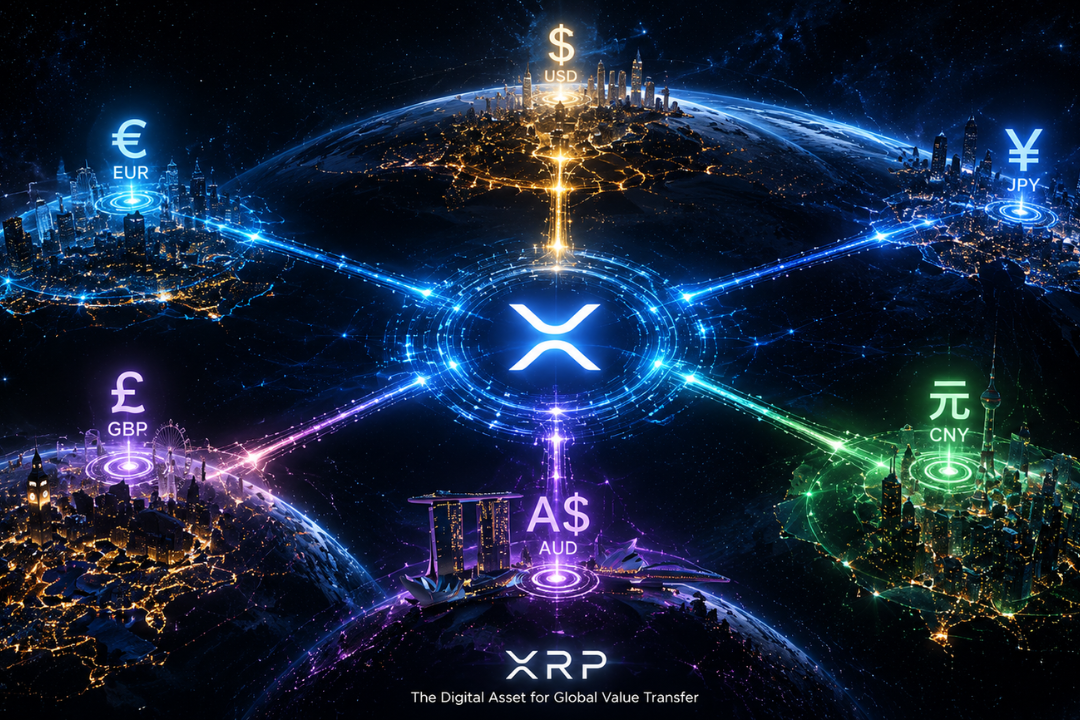
Another key development is the growth of non dollar stablecoins. While the digital dollar remains dominant, euro and Swiss franc denominated stablecoins are gaining traction, particularly in Europe.
Under Europe’s Markets in Crypto Assets Regulation framework, compliant euro stablecoins are already processing billions in transaction volume. This reflects a desire for on chain settlement without exposure to foreign currency risk.
It also shows that stablecoins are not a single currency story. They are becoming a global financial layer adaptable to different economic regions.
Consumers Are the Real Catalyst
More than banks or regulators, consumers may be the strongest force behind stablecoin adoption. Redeemable stablecoins are increasingly used for payments, transfers, savings, and on chain activity.
Major payment networks such as Visa and Mastercard are integrating stablecoin settlement options. This brings digital assets closer to everyday retail transactions.
From a user perspective, the value proposition is simple. Faster settlement. Fewer intermediaries. Clear redemption mechanisms. If a financial tool works smoothly and predictably, people will use it.
Decentralized Stablecoins Power the Engine
While consumer focused stablecoins drive payments, decentralized stablecoins power the underlying infrastructure. These assets enable automated lending, derivatives, smart contracts, and decentralized exchanges.
They form the programmable foundation of digital finance. Without them, much of decentralized finance would struggle to function efficiently.
Together, centralized and decentralized stablecoins create a layered system. One side supports real world payments. The other supports programmable financial logic.
Liquidity Is the Backbone
None of this scales without liquidity. Deep liquidity ensures that payments clear, spreads remain tight, and cross border transactions settle smoothly.
Yield enhancing decentralized finance protocols play a critical role here. They transform idle capital into active liquidity pools. This strengthens markets and reduces friction in settlement.
In cross border contexts, this is especially important. On chain liquidity pools can replace fragmented correspondent banking systems with transparent, continuous infrastructure that operates around the clock.
What Comes Next
Stablecoins are not replacing banks overnight, and that may not be the goal. Instead, they are redefining what money can look like in a digital world.
They introduce programmability, speed, and global accessibility. CBDCs reflect that central banks recognize this shift. Yield generating protocols make it scalable. Consumer adoption makes it tangible.
Money is being redefined not by a single institution, but by a combination of innovation, regulation, infrastructure, and user behavior.
The next phase will depend on how these elements continue to evolve together. But one thing is already clear. The future of money will be more digital, more programmable, and far more connected than the systems it is gradually replacing.