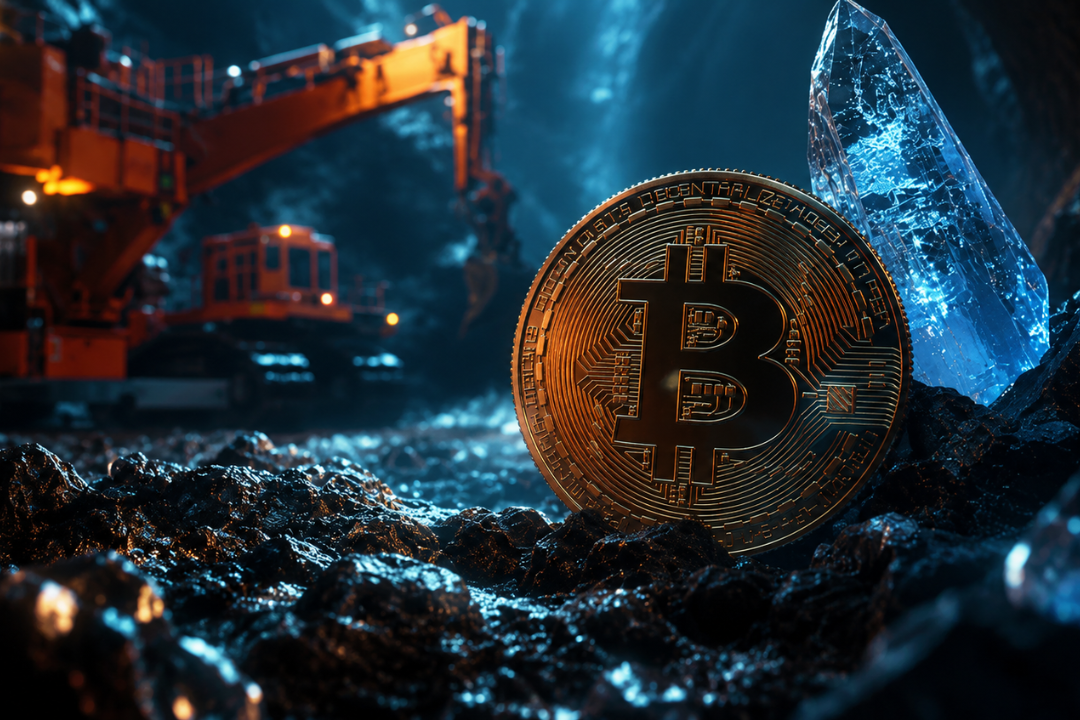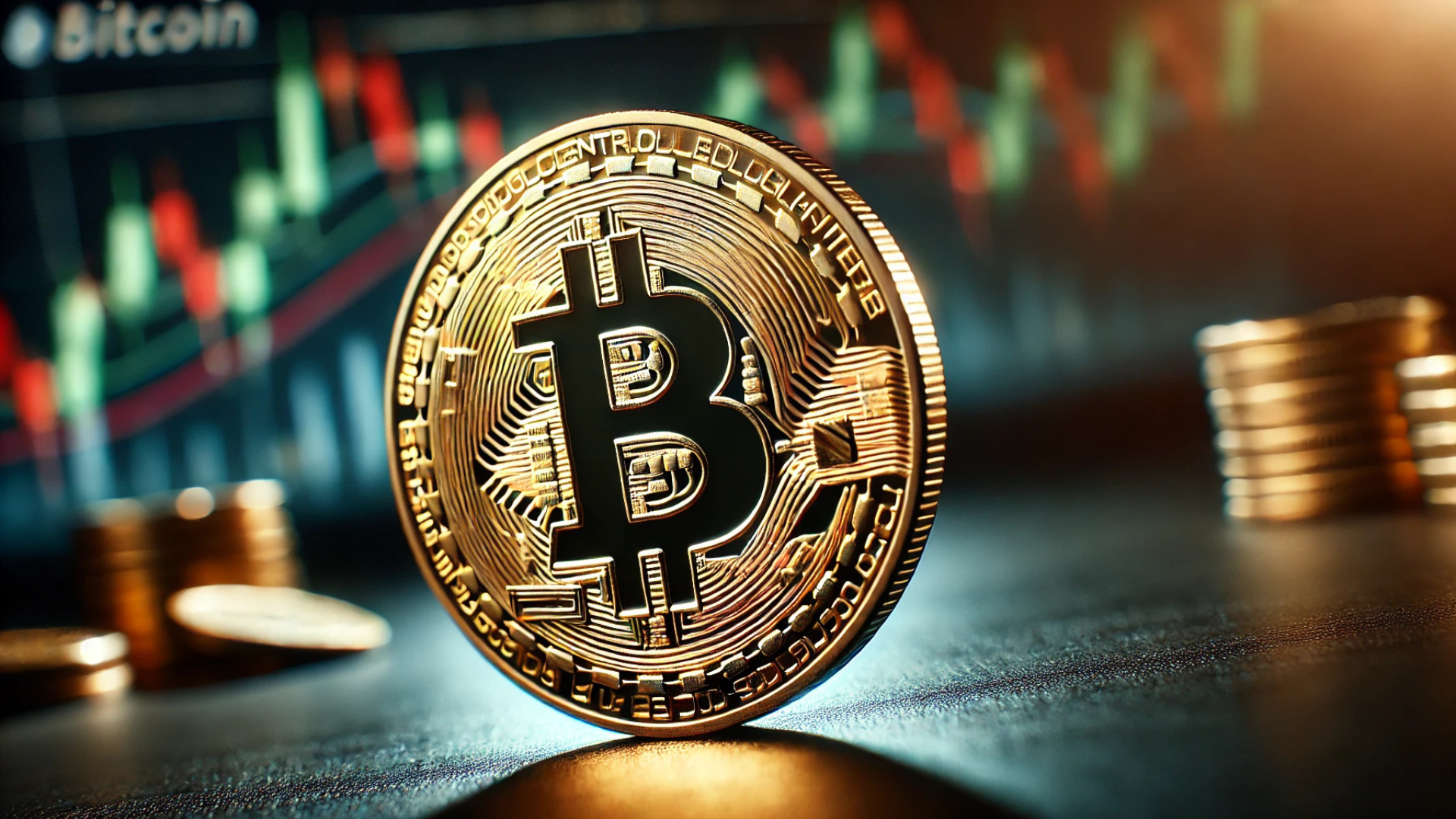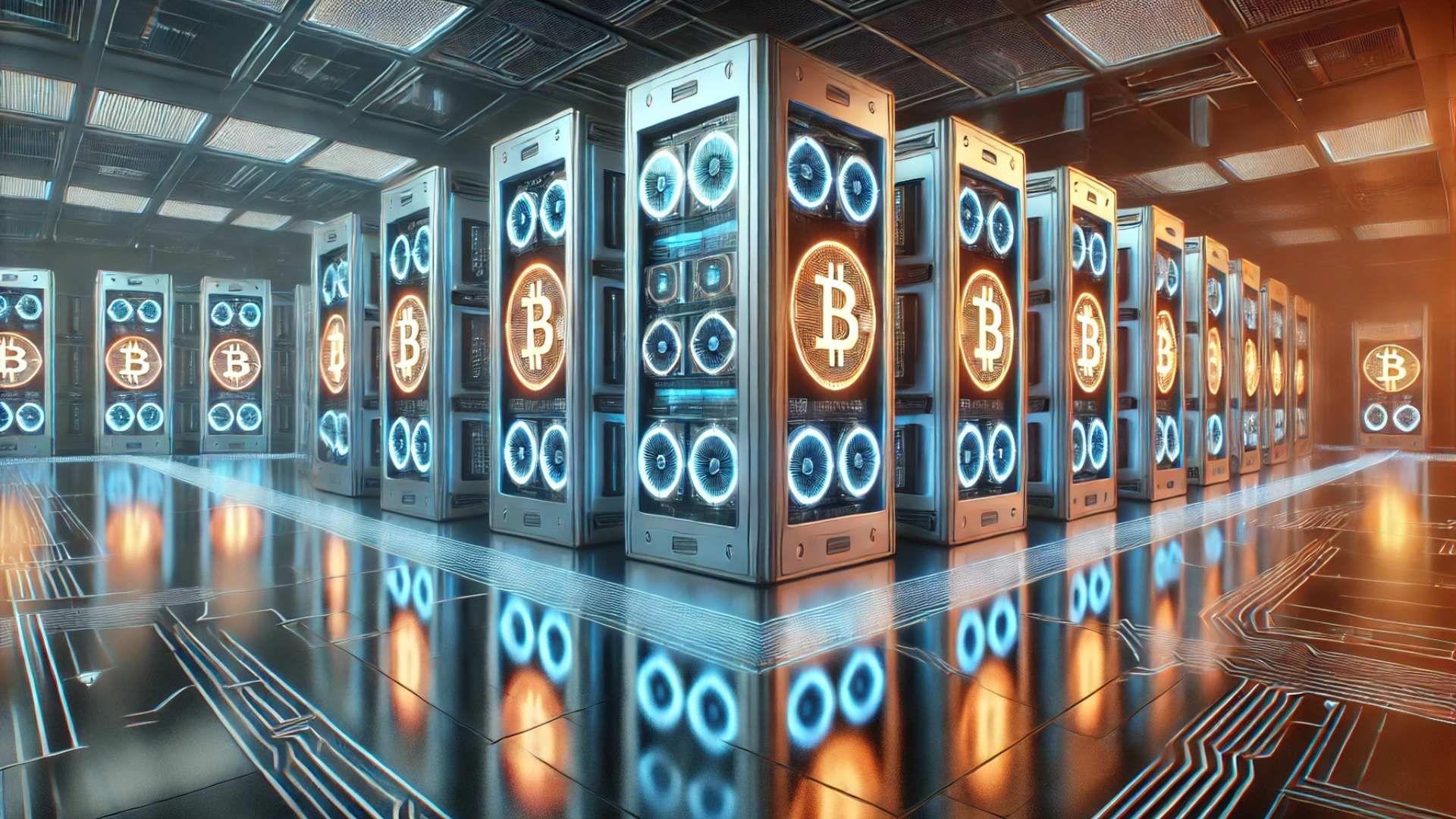


Bitcoin mining is undergoing a dramatic transformation. What began as a hobby for enthusiasts running small rigs in basements has become a global industrial machine one expected to generate more than $20 billion in revenue in 2025. But while the scale has shifted, the way investors think about mining hasn’t kept up. Most still imagine two options: buy ASICs and deal with the operational hassle, or speculate on mining company stocks.
A new era is emerging one where hashrate itself becomes a tradable commodity, reshaping how miners, institutions, and everyday investors participate in Bitcoin’s economic engine.
From Hardware Ownership to Financial Products
Markets are now building a cleaner, more efficient way for investors to gain exposure to mining: tradable hashrate.
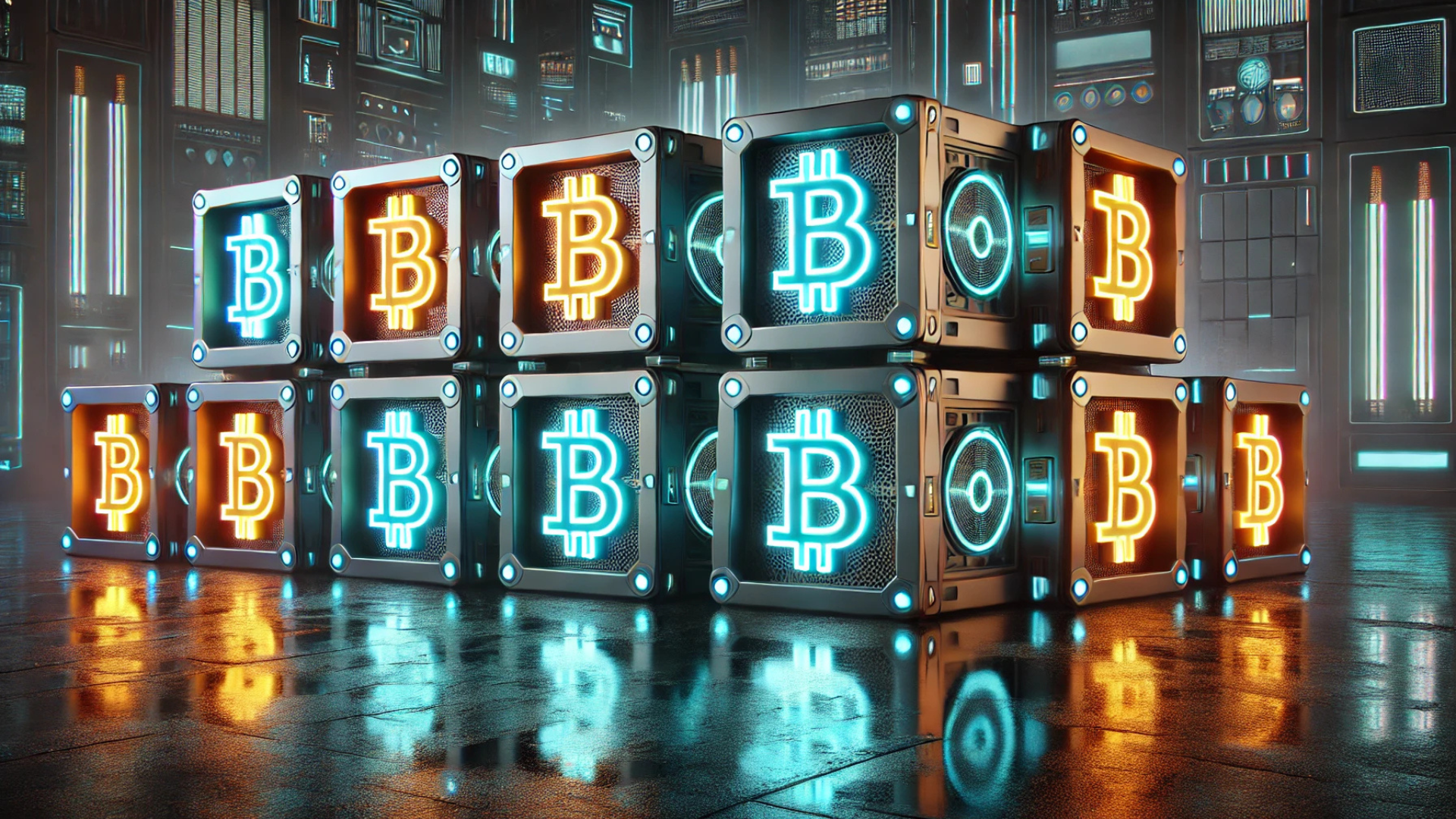
Instead of running machines, investors can buy tokens representing computational power and receive a proportional share of Bitcoin mining rewards. The hardware, electricity, maintenance, and uptime are handled by professionals. It’s mining without the machines.
For retail investors, this is revolutionary. No ASICs, no hosting contracts, no repairs just a token that mirrors mining output.
Tokenization Is Only the Beginning
Mining companies have started turning computational power into tradable units, often in increments like 1 TH/s per token. Token holders collect mining rewards directly, while the operator manages the mining infrastructure.
Platforms like Luxor have taken the next step by developing hashrate derivatives. Their over-the-counter (OTC) hashrate forwards nearly $200 million traded year-to-date as of August 2025 allow miners to hedge future production and allow institutional players to trade mining capacity just like energy or metals.
These contracts hedge revenue based on hashprice, not electricity costs, so miners often pair them with power hedges or PPAs to balance their inputs. Combined, these tools form the infrastructure for a full commodity market for hashrate.
Hashes have become measurable, tradable, and increasingly financialized.
The computing power behind Bitcoin peaking at 1.15 zettahashes per second on October 18, 2025 is now sliced up and sold to investors who never touch a rig.
Mining Shifts From Selling Bitcoin to Selling the Ability to Mine
This evolution mirrors what happened in traditional commodity markets.
Oil producers created futures markets to protect themselves from volatile revenue. Now, miners are doing the same. By selling future hashrate, they can lock in stable revenue, helping investors and banks better model their cash flows.
Miners who hedge through forwards maintain predictable margins even when network difficulty jumps 20% in a month. Those without protection face the full pain of market swings.
Hashrate forwards hedge computational capacity itself, not Bitcoin’s price directly. Settlement depends on block rewards, fees, and network difficulty making it a uniquely mining-aligned financial instrument.
Institutions are experimenting with tools similar to commodity derivatives, including difficulty swaps and regional hashrate indices, awaiting deeper liquidity to mature.
The Financialization of Hashrate Is Already Happening
Every major financial innovation follows a clear pattern:
Trading → Derivatives → Structured Products → Mass Adoption
Bitcoin mining is moving through these phases at lightning speed.
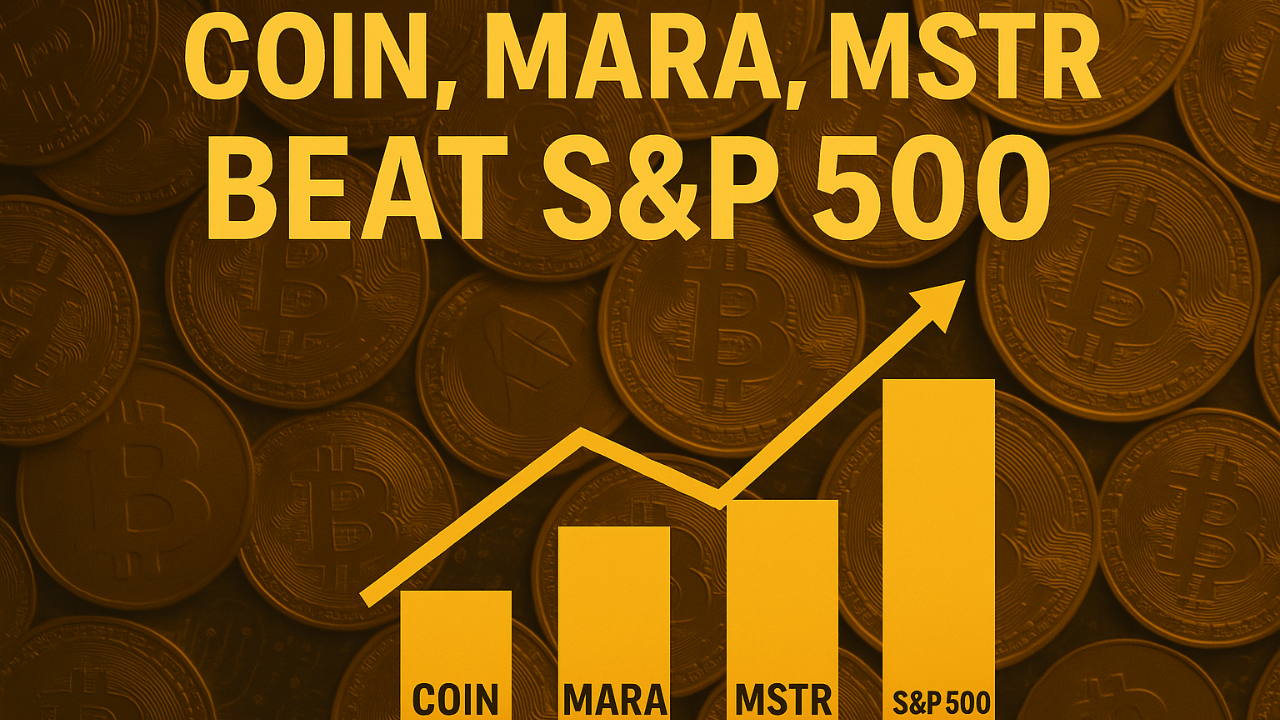
The institutional wave began when major companies added Bitcoin to their balance sheets. Today, institutions control over 10% of the total Bitcoin supply. Mining exposure followed: public miners like Marathon and Riot allowed retail traders to access mining economics indirectly.
Now, tokenized hashrate removes the corporate layer entirely. Investors can hold exposure to computational power itself.
Banks like Sygnum even accept hashrate as collateral, enabling miners to borrow against future compute output. What took decades in commodities is unfolding in mining in less than two years.
As margins tighten and competition rises, miners need predictable financial tools. Meanwhile, investors want diversified ways to gain Bitcoin exposure. Hashrate-based products satisfy both interests, accelerating adoption.
A Future Where Hashrate Trades Like Oil or Copper
If adoption continues, the next five years could redefine mining economics:
- Hashrate contracts listed on major exchanges like CME
- Structured notes backed by computational power
- Difficulty swaps and regional hashrate indices
- Pension funds allocating to hashrate ETPs
- Retail investors buying simple hashrate tokens like today’s ETFs
Mining becomes a spread business:
You know your electricity cost.
You lock in your hashrate price.
You pocket the predictable difference.
This is stability that mining has never had before.
Hashrate becomes not just a resource but a standardized asset class.
The Bottom Line
The financialization of hashrate is no longer theoretical—it’s underway.
Miners, institutions, and retail investors who recognize computational power as a commodity will be positioned at the forefront of Bitcoin’s next major evolution.
The winners will be those who understand that in the future, mining isn’t about machines it’s about markets.