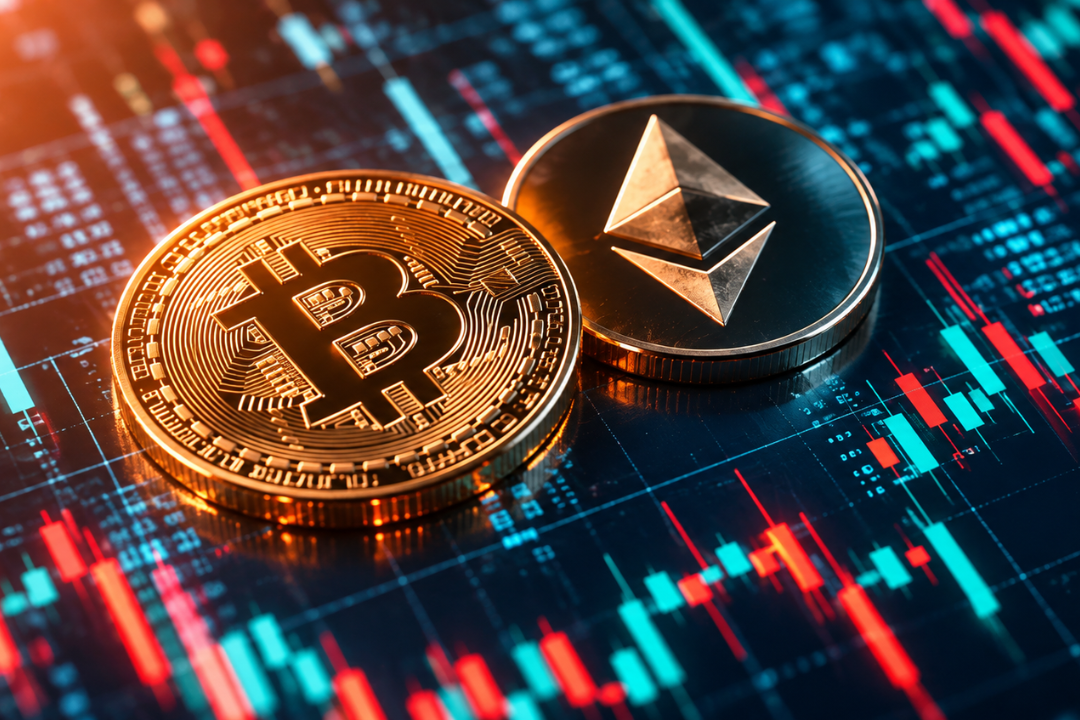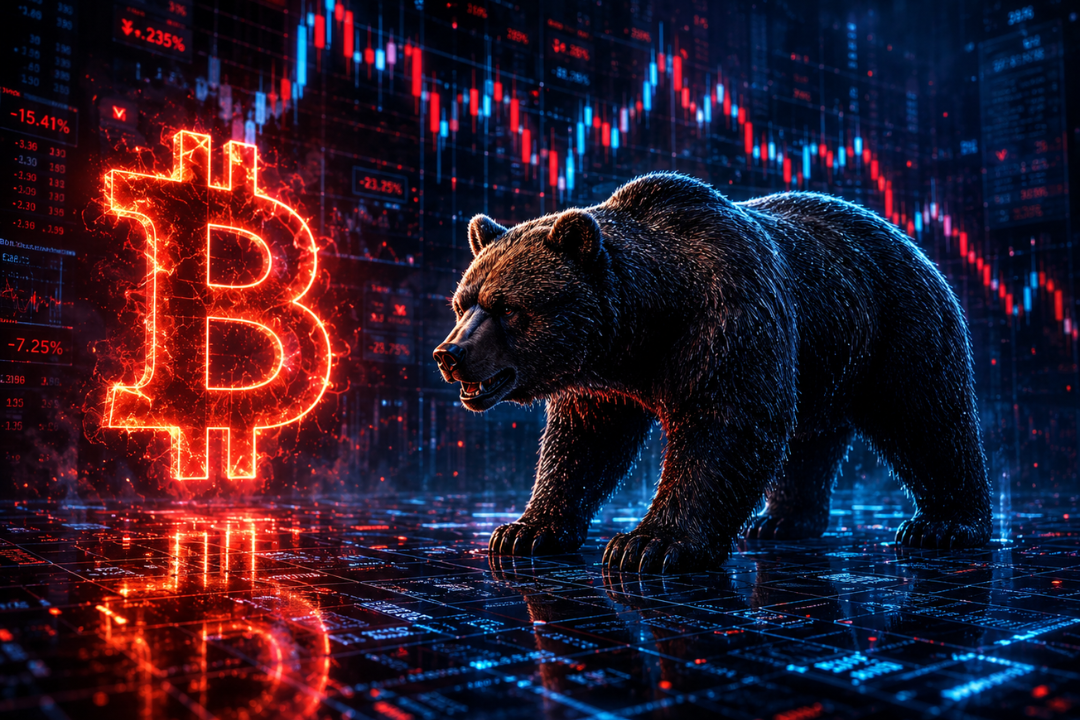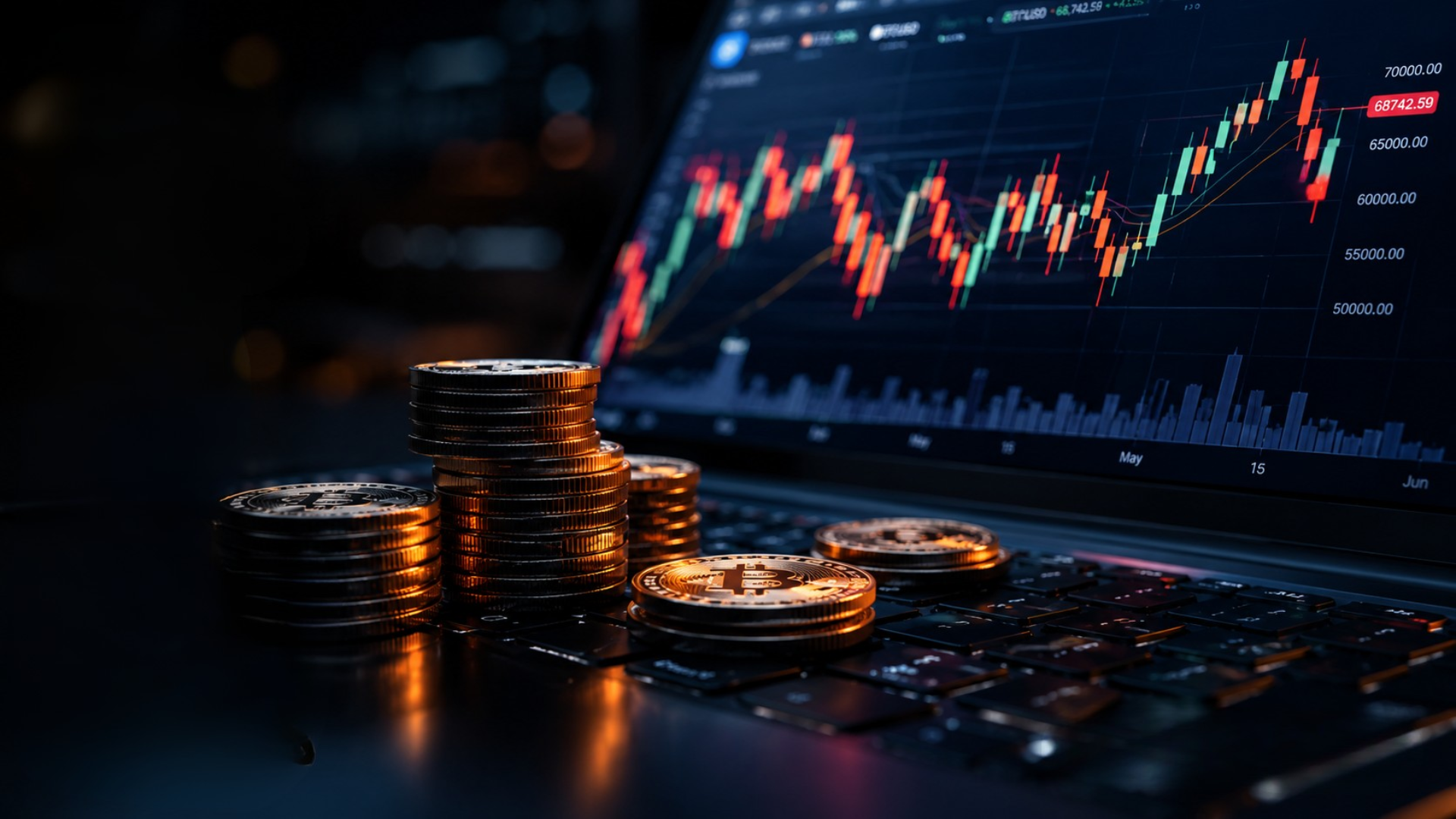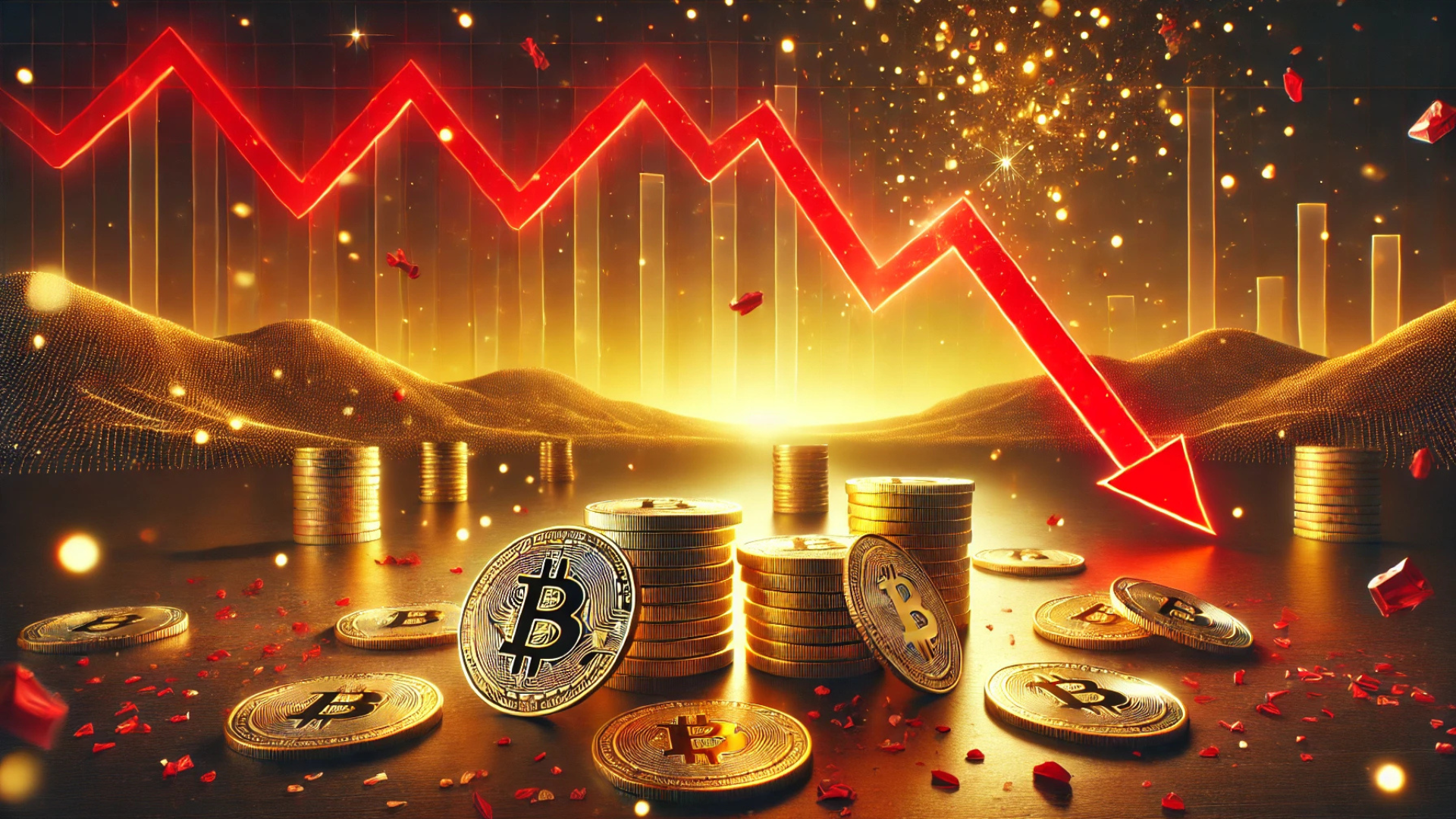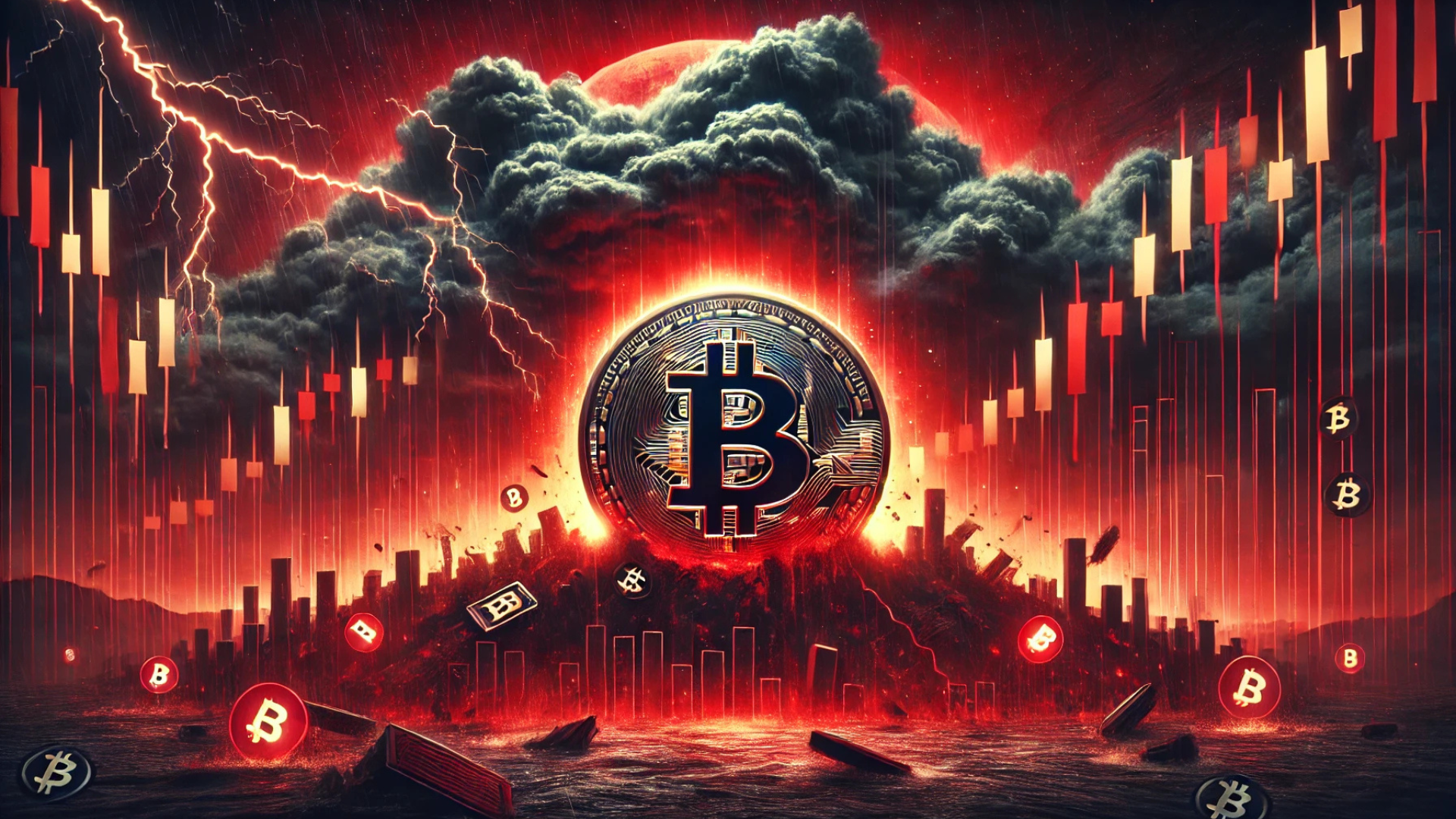


The crypto market selloff intensified on Feb. 24, with Bitcoin dropping below the key $65,000 support level and sliding closer to its lowest point this month. The broader market followed, with many large-cap altcoins under pressure and total crypto market value falling sharply over the past 24 hours.
So, what’s really pushing this downturn forward? A mix of macro fear, weaker derivatives demand, ETF outflows, and bearish technical signals is creating a tough environment for buyers.
1) A clear shift to “risk-off” is weighing on crypto
One of the biggest drivers behind today’s decline is a broader move away from risky assets.
This week, traders have been leaning into safety as market anxiety rises. Signs of that include a sharp jump in the VIX (market volatility index) and weakness in U.S. equities. When stock investors get defensive, crypto often feels it quickly because Bitcoin and major altcoins still trade more like risk assets than true safe havens.
At the same time, gold has been pushing higher, reinforcing the idea that investors are rotating toward assets perceived as safer during uncertainty.
2) Geopolitical tensions are adding fuel to the fear
Geopolitical risk is also playing a role in the market mood. Growing concerns around potential conflict involving Iran have increased uncertainty, and uncertainty tends to hit crypto hard during already fragile conditions.
If tensions escalate into prolonged conflict, traders worry it could drive energy prices higher, which could push inflation up again and complicate the broader economic outlook—another reason investors may be pulling back from speculative positions.
3) Weakness in tech and AI stocks is dragging sentiment
Crypto doesn’t move in a vacuum. When tech stocks struggle especially the type of growth stocks that are closely linked to AI excitement crypto sentiment often softens as well.
Fears around the AI sector have pressured big names, and when markets start selling growth themes, crypto commonly joins that wave rather than resisting it.
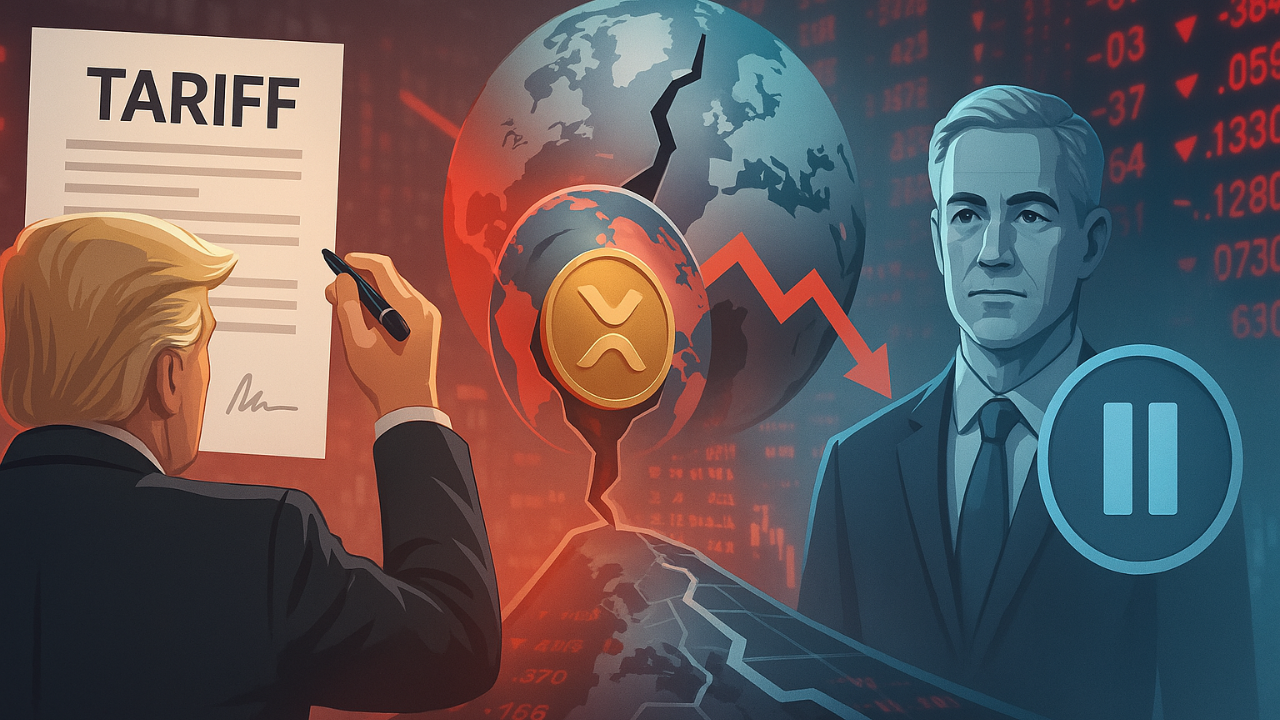
4) Tariff headlines are reviving inflation and policy worries
Another pressure point: new U.S. tariffs taking effect have reignited concerns about higher costs and stickier inflation.
When investors think inflation might rise, they also worry interest rates could stay higher for longer (or cuts could be delayed). That kind of environment usually reduces demand for high-volatility assets, including crypto.
5) Futures open interest is falling demand looks weaker
Beyond headlines, derivatives data is flashing warning signs.
Futures open interest has been sliding, signaling that traders are reducing exposure rather than adding new positions. Falling open interest often suggests lower conviction, weaker demand, and less support during selloffs—because fewer traders are stepping in to absorb dips.
6) ETF outflows continue to drain momentum
ETF flows are another key piece of the puzzle. Spot Bitcoin ETFs have seen continued outflows recently, and that selling pressure can spill into the broader market, especially when overall sentiment is already shaky.
If outflows persist, it becomes harder for Bitcoin to stabilize quickly because a major source of steady demand turns into a source of steady selling.
7) Technicals look bearish and that can accelerate selling
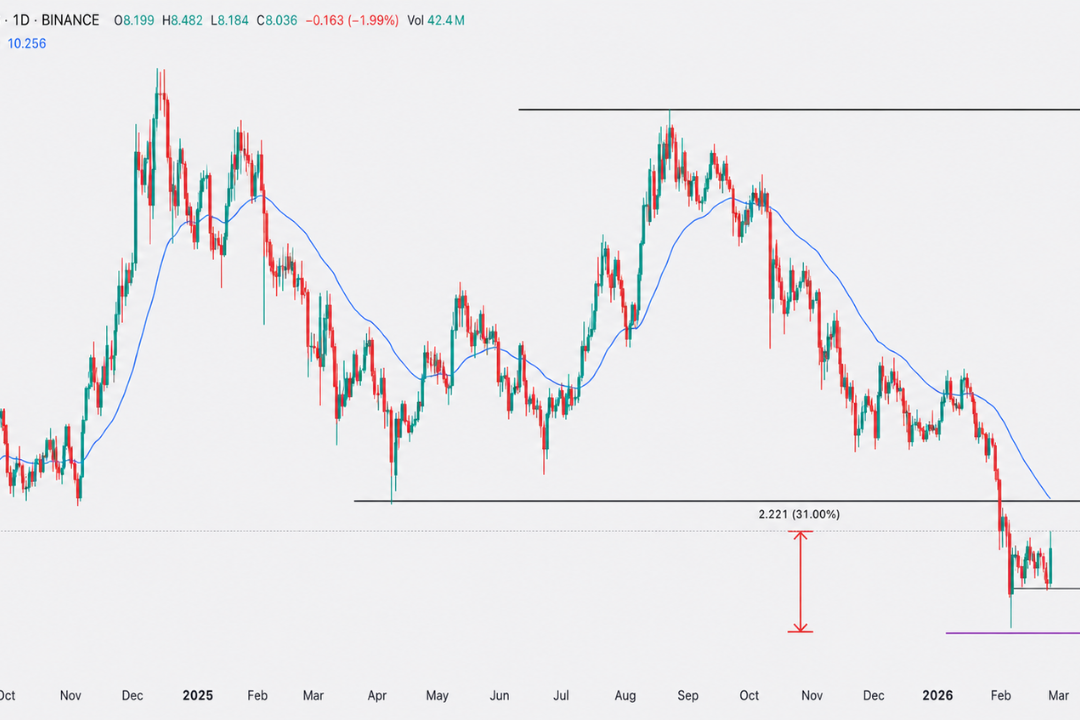
Finally, the chart is doing no favors.
Bitcoin has been showing bearish technical behavior, including a pattern traders often view as a continuation signal to the downside. Price also remains under major indicators and moving averages, which can encourage short-term traders to sell rallies rather than buy dips.
If support levels fail, the market can slide faster as stop-losses trigger and sidelined buyers wait for “lower and safer” entries.
Bottom line
Today’s crypto decline isn’t coming from one single cause it’s a stacking effect:
- Risk-off sentiment in global markets
- Geopolitical uncertainty
- Weakness in stocks (especially tech/AI)
- Inflation/tariff concerns
- Falling futures open interest
- ETF outflows
- Bearish technical signals
Together, they create a situation where sellers have the upper hand and buyers need a strong catalyst (or stabilization in broader markets) to regain control.