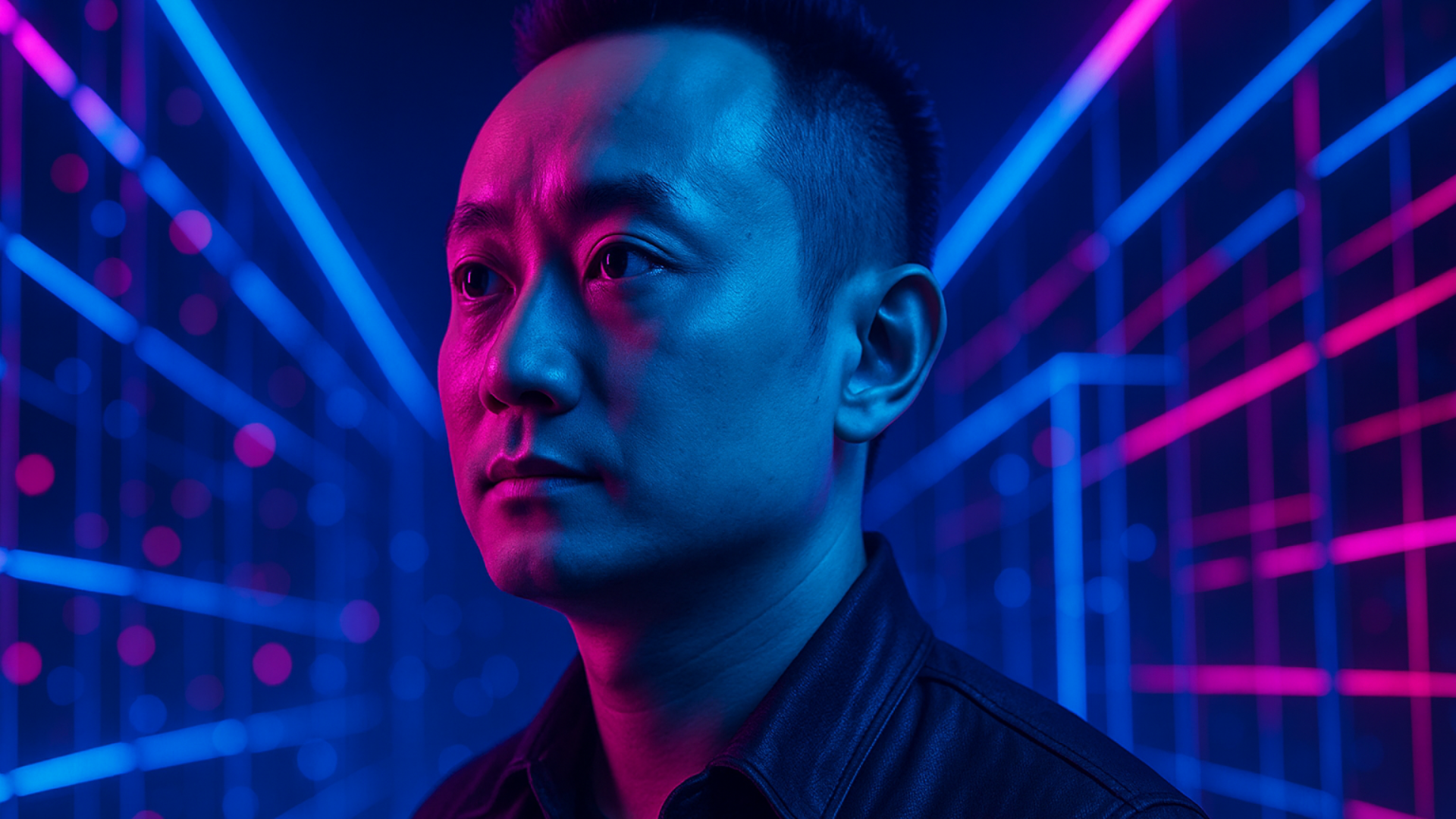


From blockchain IDs in Ethiopia’s education system to a $200 million health clinic in Wyoming, Charles Hoskinson, the outspoken founder of Cardano, has never been shy about painting grand visions. But while his side projects grab headlines, Cardano itself is increasingly struggling to keep pace with rivals like Ethereum and Solana.
Hoskinson’s Pitch: Healthcare and Beyond
At the Rare Evo conference in Las Vegas this September, Hoskinson once again stepped into the spotlight. He didn’t mince words, declaring that “health care is just f***ed in America” as he unveiled a $200 million patient-first clinic in Gillette, Wyoming.
The clinic, he said, already serves about a third of the town’s population and promises not to charge patients who can’t pay. Hoskinson also claimed the existing hospital has pushed back, obstructing the credentialing of his doctors. Eventually, he envisions artificial intelligence and selective cryptography running the system.
This healthcare push follows a familiar Hoskinson pattern dramatic announcements that merge real-world issues with futuristic blockchain and AI ambitions. At the same time, he has doubled down on his criticisms of Ethereum, warning that tech giants could bypass the platform altogether and insisting Ethereum may not survive another 10 to 15 years.
Ethiopia, Education, and a “Learning Exercise”
These sweeping promises echo past projects. In 2021, Hoskinson announced a partnership with Ethiopia’s Ministry of Education, hailed as a breakthrough that would bring blockchain IDs to 5 million students and 750,000 teachers.
By 2024, though, the flagship deal was reframed. Input Output Global described it more as a “set of lessons and reflections” than mass adoption, and the core technology Atala PRISM was folded into Hyperledger Identus, placing it under a consortium standard instead of Cardano itself. What began as proof of scale ended up more as a learning exercise.
Smart Contracts: A Missed Bet
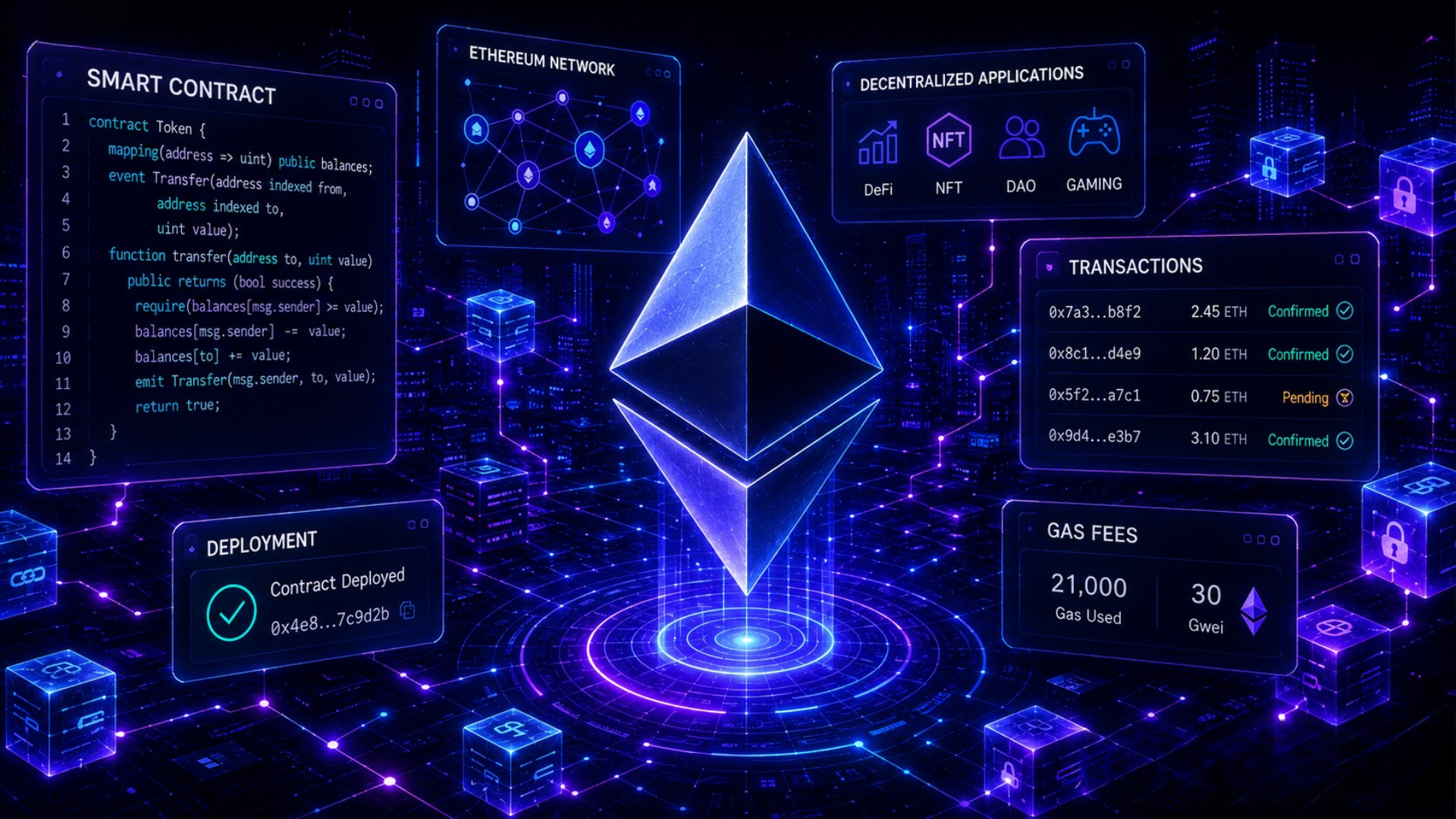
Hoskinson now admits that Cardano “bet wrong” on its smart contract model. When the Alonzo hard fork finally enabled smart contracts in September 2021, years of anticipation gave way to disappointment. Developers immediately ran into concurrency issues, making decentralized applications harder to build than on Ethereum’s account-based model.
Cardano’s design was marketed as secure and predictable but proved rigid and unwelcoming to builders. By the time upgrades like the Vasil hard fork arrived in late 2022, competitors were already racing ahead.
The numbers tell the story:
- Cardano’s DeFi total value locked sits at about $390M, compared with Solana’s $12.5B and Ethereum’s $93B.
- Ethereum processes 1.4M smart contract executions per day; Cardano manages around 52K.
- Cardano has roughly 720 active monthly developers, far behind Ethereum’s 3,200 and Solana’s surging base.
Instead of fueling innovation, Cardano’s cautious pace has often left it playing catch-up.
Governance or Gridlock?
Cardano’s governance is supposed to be one of its strengths, with Input Output handling protocol development, the Cardano Foundation overseeing ecosystem standards, and Emurgo driving commercial adoption. But in practice, the structure has produced friction and doubts about decentralization.
Budget disputes have been fierce. In 2025, the Foundation proposed cutting Input Output’s allocation by 44%, sparking pushback from Hoskinson. On-chain voting, introduced to improve transparency, shows a troubling pattern: nearly 70% of ADA delegated to governance has gone to “Abstain” or “No Confidence,” leaving real decision-making power concentrated in a relatively small group.
Even when Hoskinson was cleared of wrongdoing in a recent $600M voucher dispute, the controversy dented investor confidence and raised questions about transparency.
Side Quests: Clinics and Mammoths
Hoskinson’s clinic is just one of his ventures outside of blockchain. He is also a backer of Colossal Biosciences, the biotech startup promising to bring back woolly mammoths, dodos, and Tasmanian tigers. Critics, including conservationists and even some insiders, have dismissed it as spectacle over science, questioning whether the funds might be better spent protecting species that are still alive.
The result is a curious picture: while Cardano grapples with low adoption, limited liquidity, and developer frustration, its founder is focusing attention on healthcare experiments and de-extinction projects.
The Bigger Picture
Cardano entered the industry with bold claims of decentralization, scientific rigor, and long-term resilience. But eight years later, adoption remains limited, developer activity lags far behind rivals, and governance struggles continue.
Meanwhile, Ethereum and Solana are sprinting ahead—securing developers, capital, and users at a pace Cardano has yet to match.
Hoskinson’s big-picture rhetoric still grabs headlines, but for Cardano, the question remains: can it close the widening gap between vision and delivery, or will it drift further into the shadows of its faster-moving competitors?