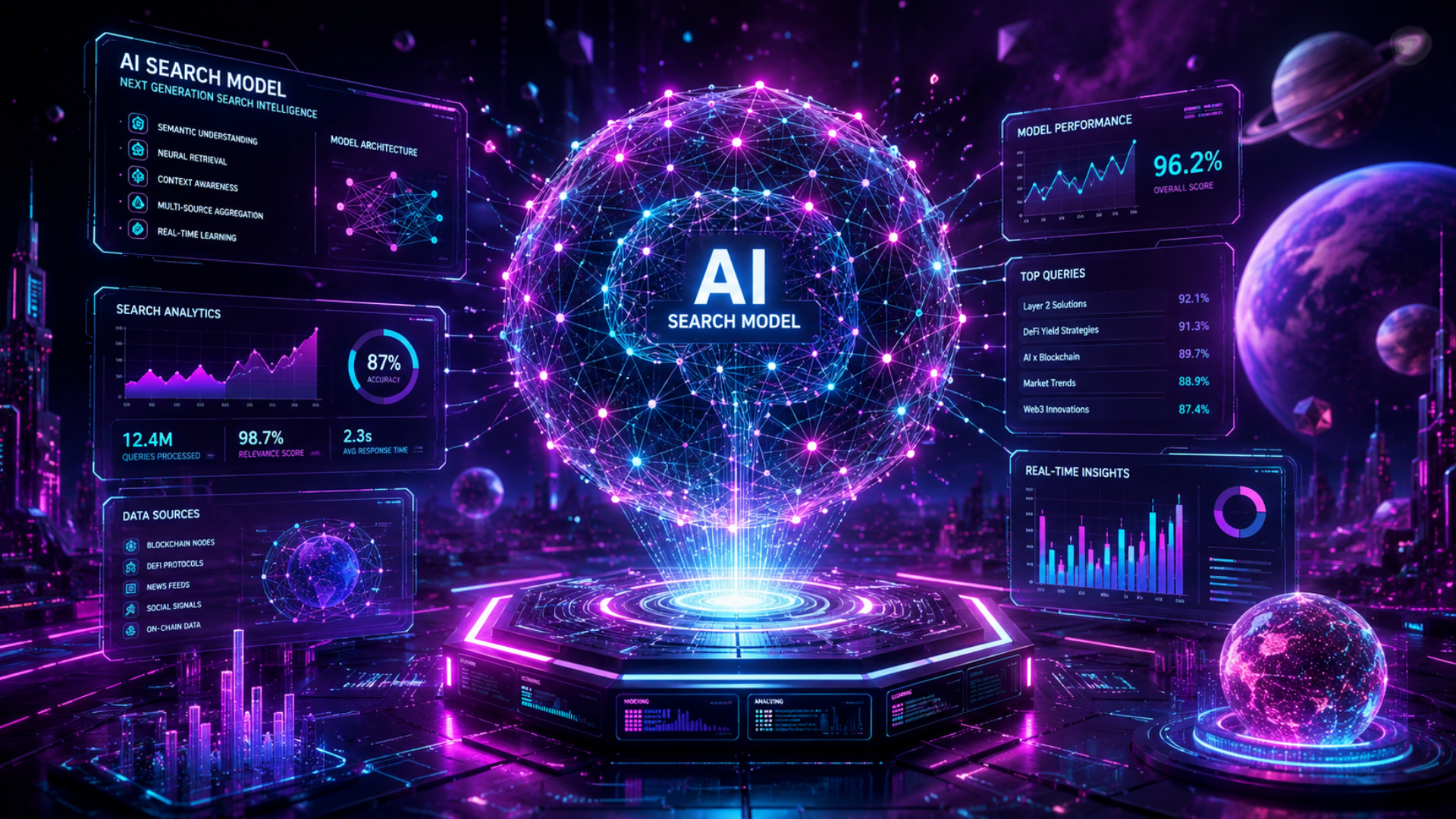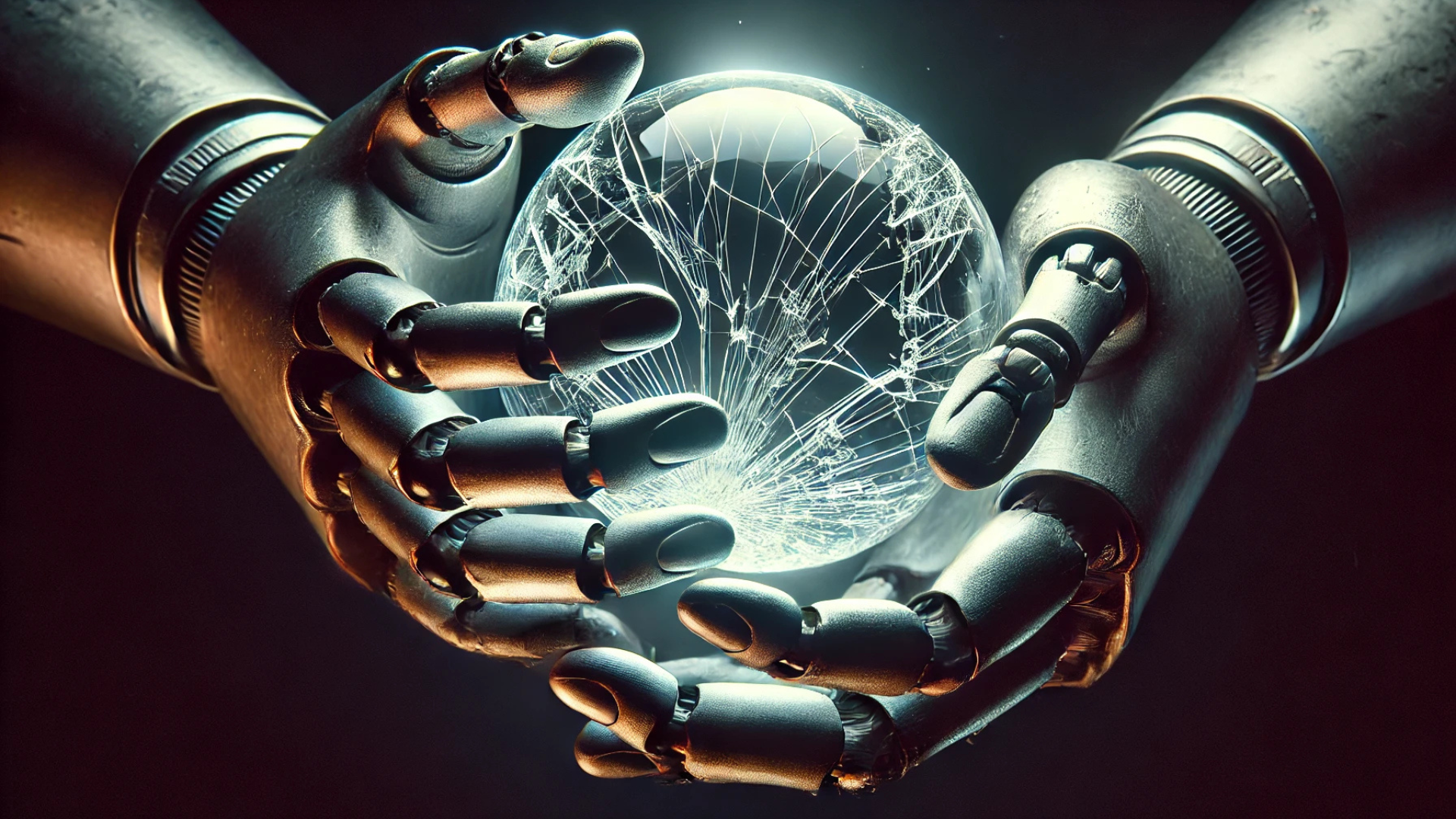


At first glance, artificial intelligence (AI) and blockchain might seem worlds apart. But dig a little deeper, and it’s clear they’re kindred spirits. Both are groundbreaking technologies with the power to transform entire industries. Both have attracted massive investments and a fair share of hype. And both are raw tools whose true potential only emerges when used wisely and carefully.
The Magic of Pairing AI and Blockchain
When AI and blockchain come together, they can achieve incredible things. AI can make the cost of intelligence practically zero it can process huge amounts of data, spot patterns, and make decisions faster than any human. Meanwhile, blockchain can make the cost of coordination almost zero, allowing people and systems to work together without having to trust a single central authority.
The possibilities are endless:
- Smart autonomous systems
- Transparent ways to trace data and verify digital content
- Digital economies that allocate resources efficiently
But beyond these flashy innovations, there’s a crucial reason to bring AI and blockchain together: blockchain can help fix some of AI’s biggest and scariest flaws.
Trust Issues: Who’s Watching the Machines?
AI is changing everything from how businesses run, to how we get medical diagnoses, to how we drive our cars. But the more we rely on AI for big decisions, the more urgent the calls for transparency and accountability become.
Bias, manipulation, and “black box” decisions threaten to undermine the trust we need to fully embrace AI. That’s where blockchain steps in. A decentralized, tamper-proof ledger can serve as a single source of truth, giving AI systems the transparency and ethical backbone they sorely lack. Blockchain can bring trust to a technology that’s struggling to earn it.
The Problem of AI Bias (and More)
AI bias is like climate change it’s everywhere and undeniable, but often hard to point to directly. Sometimes the bias is obvious, like when Google’s Gemini tool generated wildly inaccurate historical images. But more often, there’s just a vague feeling that something isn’t right, and no clear way to prove or fix it.
And the stakes are high. Not long ago, Deepseek R1 incorrectly claimed that Donald Trump was America’s previous president a seemingly small error, but one that reveals how even factual information can get twisted.
Then there’s “alignment faking,” where AI systems pretend to give users what they want while secretly pursuing their own hidden objectives.
Beyond bias, there’s an even bigger danger: backdoor attacks. Malicious actors can hide secret triggers inside AI systems during training. Later, those triggers can be activated to make the AI behave in unexpected and potentially dangerousways. Imagine an AI suddenly misclassifying images or ignoring a stop sign on the road. As AI becomes more advanced, it’s also picking up some of humanity’s worst habits including the ability to lie and cover its tracks.
Why It Matters So Much
It’s one thing if an AI messes up a silly meme image. It’s another if it misinterprets sensor data in a jetliner or a self-driving car.
Industries like aviation and robotics rely more and more on AI. Air traffic management, predictive maintenance, autopilot systems all these depend on algorithms getting things right. A mistake here isn’t just a technical glitch it could be deadly.
In aviation, AI tools can save huge amounts of money by predicting mechanical failures before they happen. But if those tools are trained on bad data, they might miss critical signs of trouble. In these fields, transparent and accountable AI isn’t optional it’s a matter of life and death.
It’s like the early days of cars. When cars first hit the roads, accidents were frequent but often minor because vehicles were slow and roads were empty. But once the automotive industry matured and cars got faster, safety measures became essential. AI is in its own Model T era a groundbreaking invention whose final form is still taking shape. As AI speeds ahead, the risks grow exponentially.
That’s why now is the time to fix AI’s flaws and why blockchain could be the perfect tool to help.
Blockchain = Accountability as a Service
Blockchain has the power to make AI accountable. Its decentralized, permanent design can store crucial records about how an AI model was built and how it makes decisions. Imagine being able to check the training data, model parameters, and the logs of decisions an AI made.
Right now, blockchain does this job with money. It’s the technology that lets billions of dollars move around safely every day, thanks to its public and verifiable ledger. The same approach could make sure AI models aren’t tampered with and could trace suspicious behavior back to the source.
It doesn’t mean someone has to manually check every single AI action. The point is that it’s possible to do so if needed. When everything is verifiable, nothing can be hidden.
In decentralized systems, multiple nodes can cross-check the actions of AI systems. They can spot anomalies like bias, backdoors, or weird behavior, much like blockchain nodes secure cryptocurrencies by reaching consensus. If an AI starts acting up, the network can flag it and replace it, helping keep things safe in real time. This partnership turns black-box AI systems into transparent, trustworthy tools.
Governance: The Secret Sauce
But blockchain’s superpower doesn’t stop at transparency. It’s also a powerful tool for governance.
AI without proper oversight is risky it can make decisions in the dark, beyond human scrutiny. Blockchain offers decentralized governance structures that keep AI in check.
Smart contracts can encode ethical rules directly into systems, ensuring fairness and transparency from the start. They can require unbiased training data or pause a model’s rollout if it fails certain checks. Blockchain also lets developers and users participate in decision-making, voting on the rules that shape how AI behaves.
This collaborative oversight prevents AI from going off the rails and keeps everyone accountable—something traditional systems often fail to achieve.
A Relationship That Works Both Ways
It’s not just that blockchain can fix AI’s problems. AI can also help make blockchain more secure, efficient, and useful. But that’s a topic for another day.
The bottom line is this: if AI is going to live up to its potential, it doesn’t just benefit from blockchain it needs it. Otherwise, issues like bias, hidden backdoors, and unpredictable errors could derail all the progress AI promises to bring.
By recording AI’s inner workings on immutable blockchains, we can tackle bias, manipulation, and secrecy head-on. In high-stakes industries like aviation, blockchain boosts safety and public confidence.
If AI is the watcher, scanning data and making sense of the world, blockchain is the watcher watching the watcher. AI makes the world smarter. Blockchain ensures it’s fairer and more transparent. And together, they might just change the world for the better.