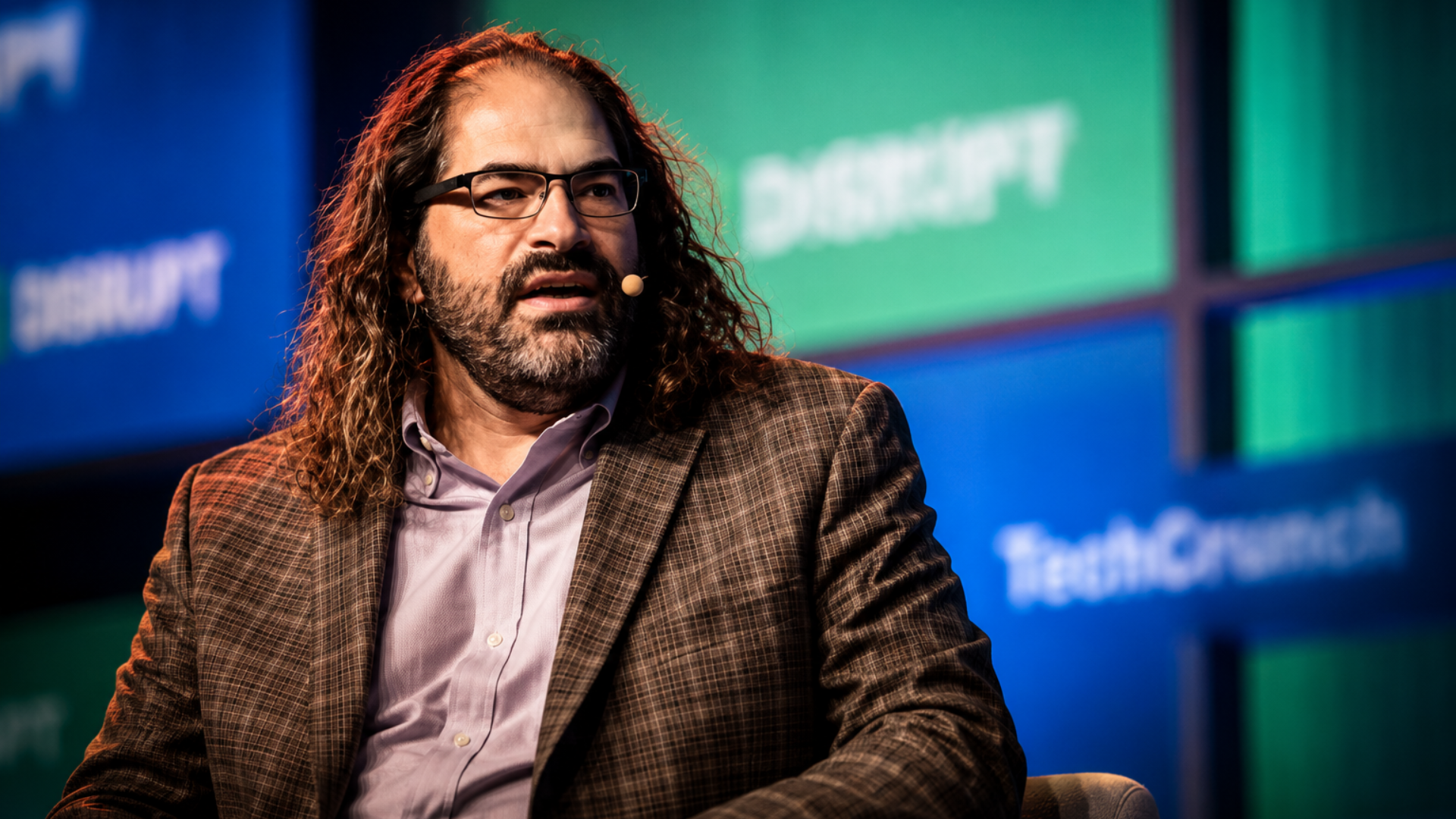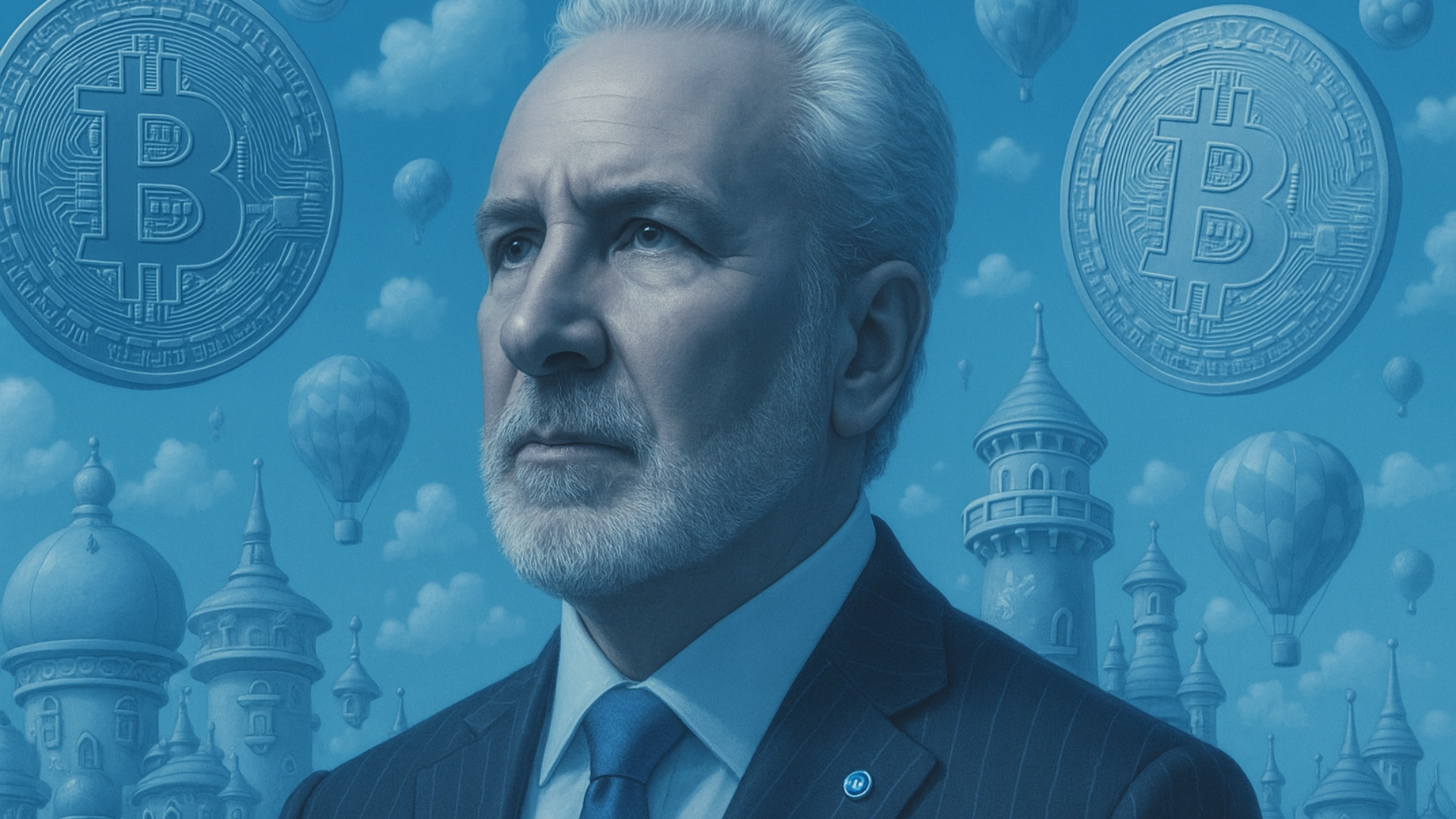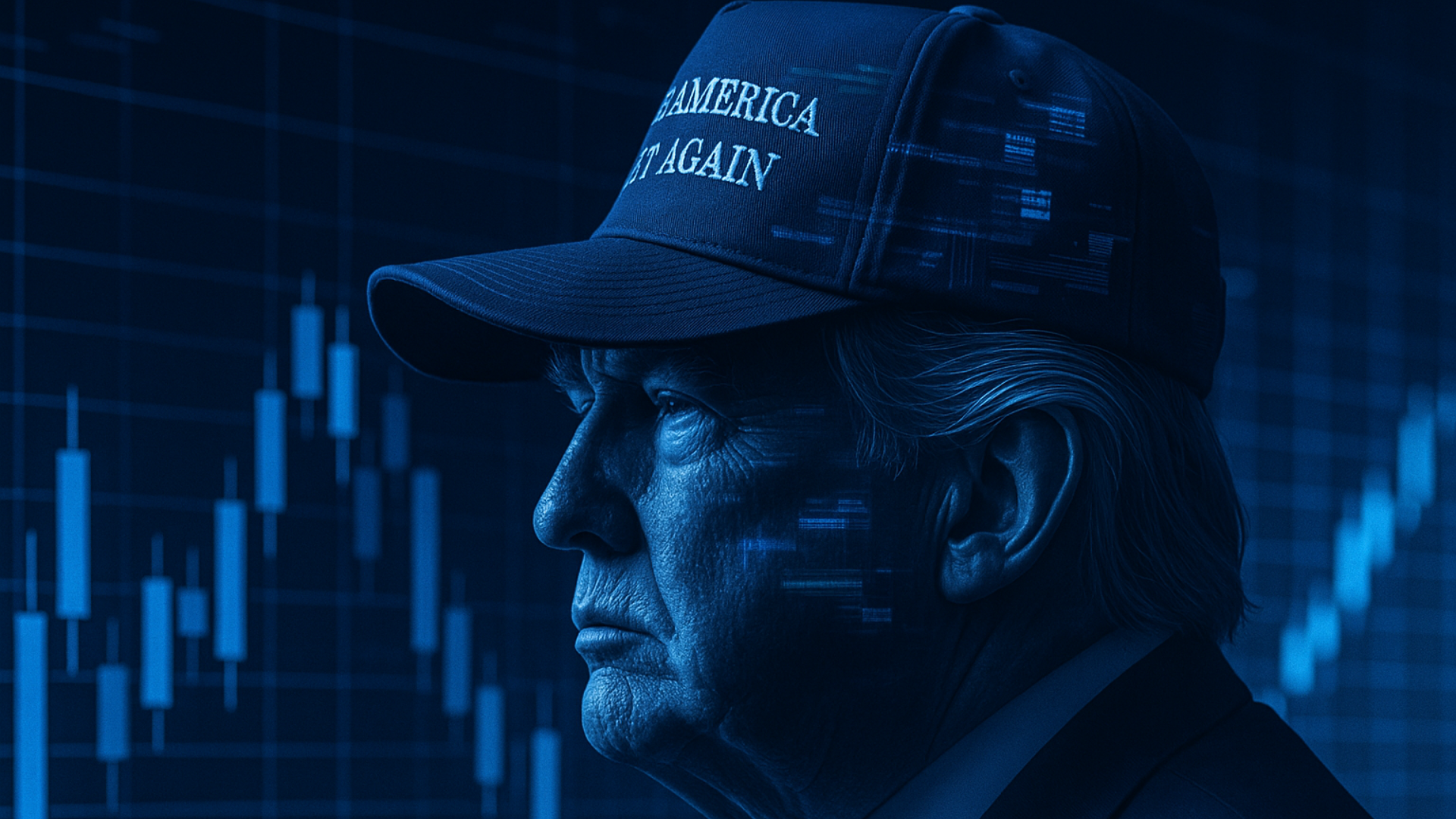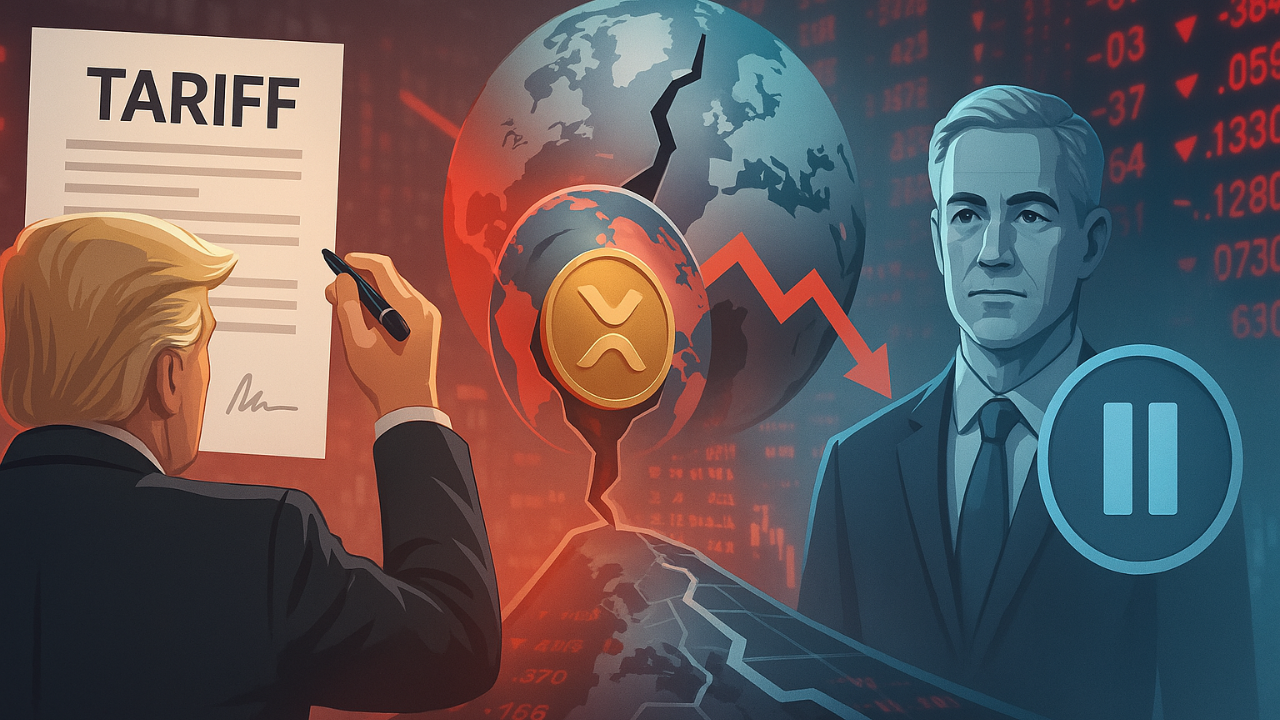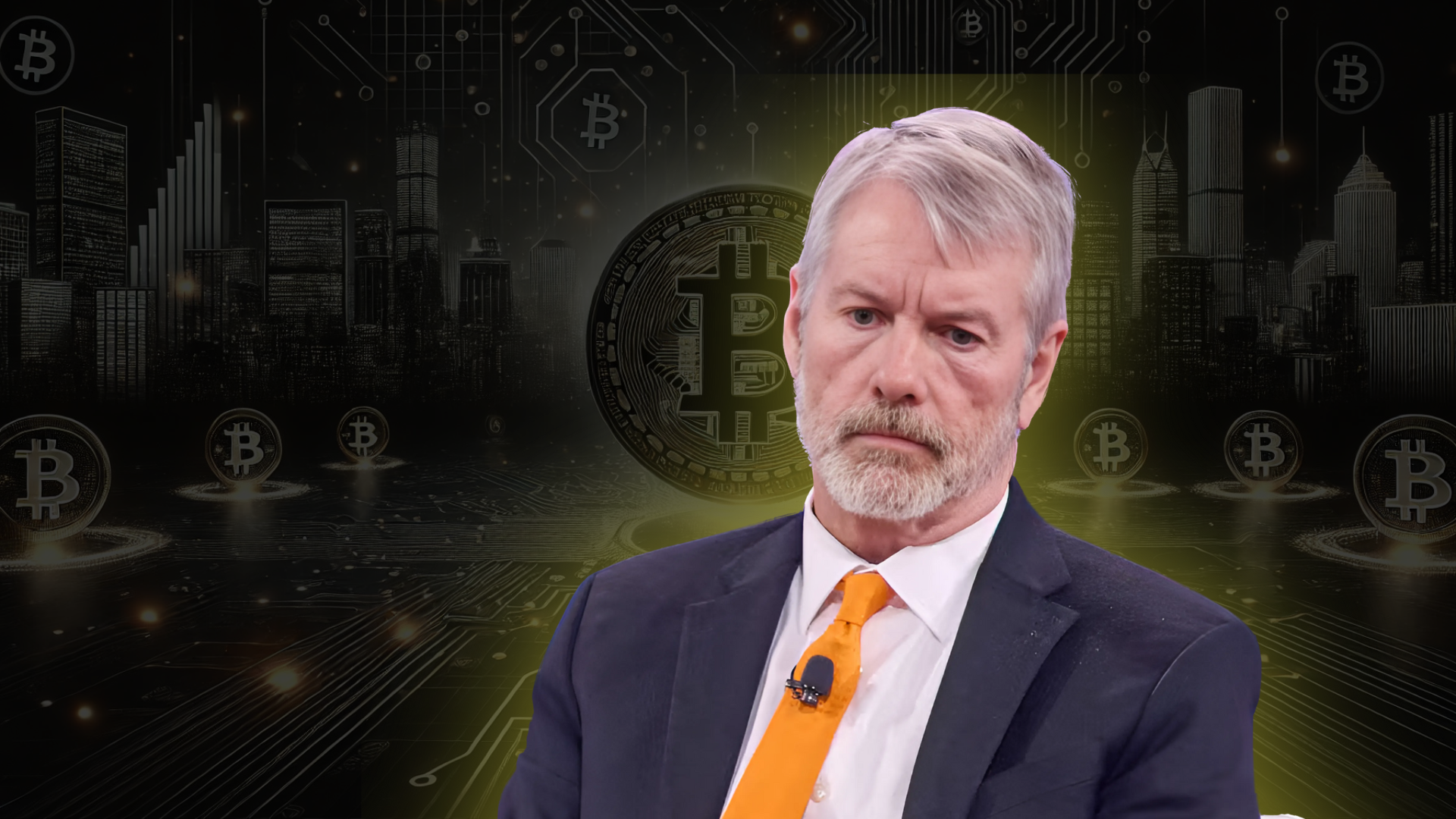


The latest public clash between Ripple CEO Brad Garlinghouse and Strategy Executive Chairman Michael Saylor has sparked one of crypto’s biggest debates this year. While Garlinghouse criticized Strategy’s Bitcoin treasury model as an example of unsustainable financial engineering, many traders were quick to point out an uncomfortable similarity: Ripple also depends on selling its own digital asset to finance its business.
The exchange has reignited a broader discussion about how some of the industry’s biggest companies generate capital and whether their long-term success is tied to continued demand for the very assets they promote.
While the comparison is far from perfect, it highlights important differences—and surprising similarities—between two of crypto’s most influential companies.
Garlinghouse questions Strategy’s business model
Toward the end of June, Brad Garlinghouse openly criticized Strategy’s approach to accumulating Bitcoin.
Speaking during a CNBC interview and later on social media, he argued that real utility—not financial engineering—is what creates lasting value.
His comments came as Strategy’s preferred shares, particularly STRC, traded significantly below their original issue price, raising fresh concerns about the sustainability of the company’s financing model.
Garlinghouse suggested that continually issuing securities backed by Bitcoin may not create long-term value for investors.
The timing was notable.
Bitcoin had fallen sharply during June, placing Strategy’s enormous Bitcoin holdings under pressure and forcing investors to question whether its premium valuation could be maintained.
Traders quickly turned the criticism back on Ripple
The crypto community responded almost immediately.
Many traders argued that Ripple also relies on its digital asset to finance operations.
Unlike Strategy, which raises capital by issuing preferred shares and debt to purchase Bitcoin, Ripple regularly sells XRP released from its escrow accounts.
Critics summarized the comparison with a simple phrase:
“Two giants, same model.”
Their argument was straightforward.
Both companies depend on continuous market demand for assets linked to their business.
Strategy sells financial securities backed by Bitcoin exposure.
Ripple sells XRP from escrow.
Although the mechanics differ, both organizations rely on investors continuing to absorb what they bring to market.
Strategy’s model faces growing pressure
Strategy’s treasury strategy has become one of the most closely watched experiments in corporate finance.
The company buys Bitcoin, raises additional capital through preferred shares and debt, then uses those proceeds to acquire even more Bitcoin.
The model works exceptionally well during bull markets.
However, prolonged market weakness creates new challenges.
During June’s sell-off, Strategy briefly traded near its net asset value (mNAV), meaning investors valued the company at roughly the same level as the Bitcoin it owns.
That undermines one of Strategy’s key advantages: trading at a premium to its underlying Bitcoin holdings.
The company’s preferred shares also carry fixed dividend obligations, increasing pressure if access to capital markets becomes more limited.
Although Strategy continues holding billions of dollars in cash and has not been forced to sell any Bitcoin, investors are paying much closer attention to its financing model than in previous market cycles.
How Ripple’s funding model works
Ripple’s business structure is fundamentally different.
When XRP was created, Ripple received the majority of the token’s total supply.
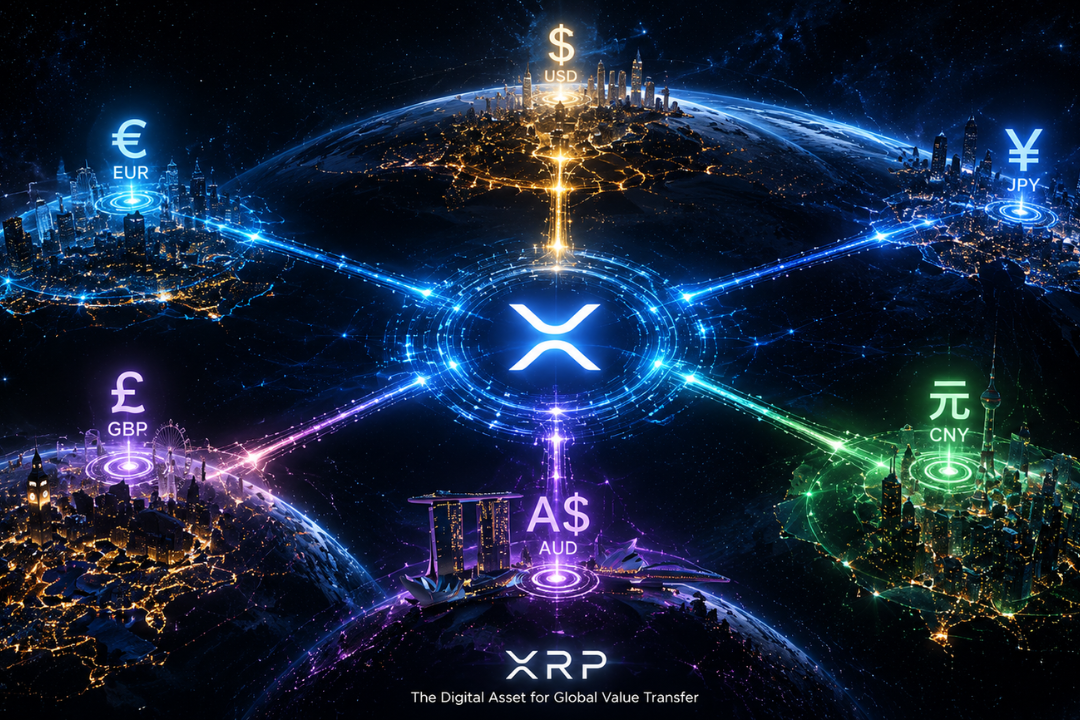
In 2017, the company locked 55 billion XRP into escrow, releasing up to 1 billion XRP each month according to a publicly known schedule.
Most of those monthly releases are returned to escrow.
Typically, Ripple retains only a portion—often around 200 million to 300 million XRP—to support operations, institutional sales, ecosystem investments, and product development.
Because the schedule is transparent and enforced by the XRP Ledger itself, Ripple argues that investors have always known how the process works.
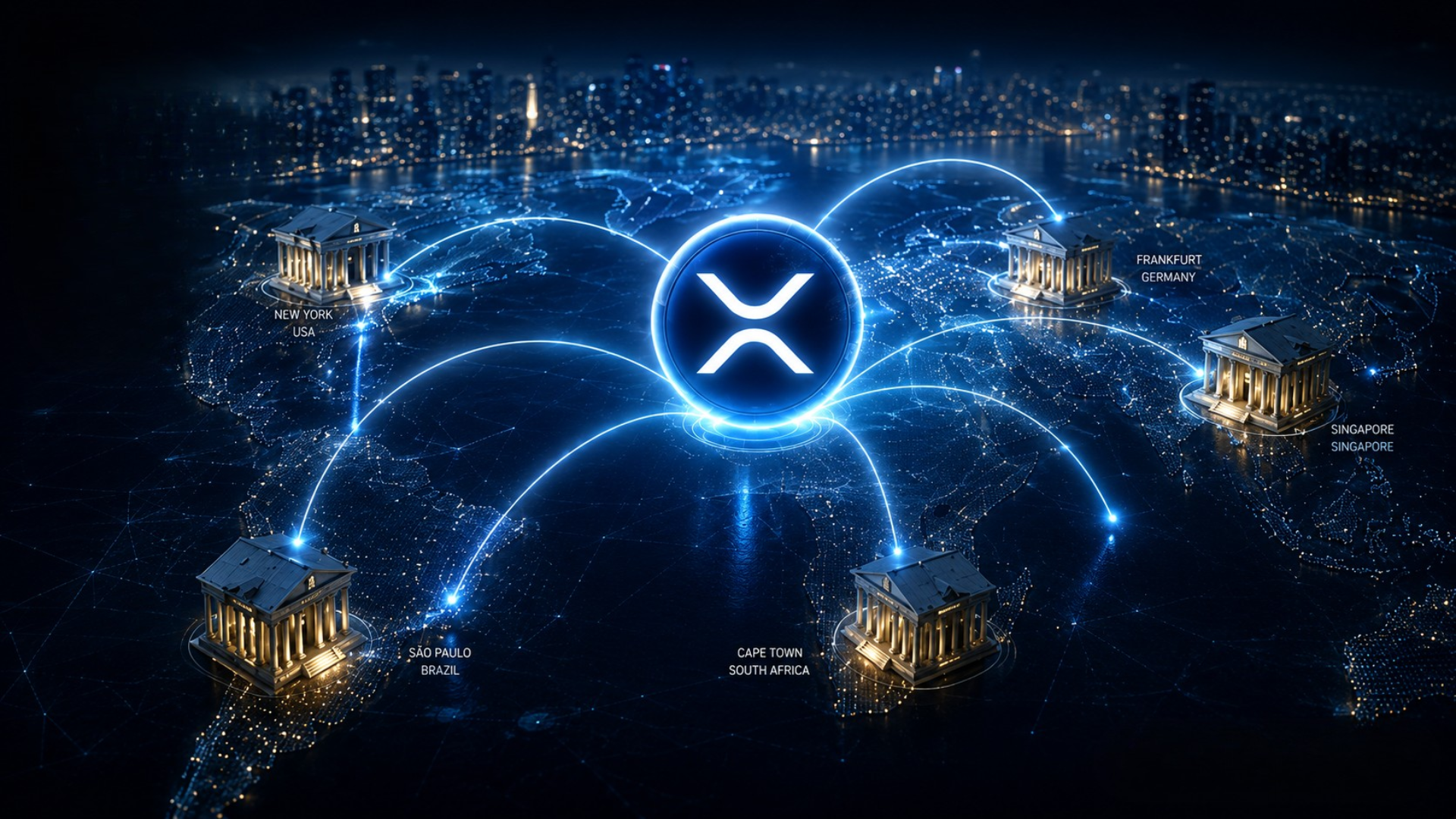
Over the years, proceeds from XRP sales have helped finance the company’s expansion into:
- Cross-border payments
- Institutional custody
- Stablecoins
- Prime brokerage
- Enterprise blockchain infrastructure
Supporters view this as responsible long-term treasury management.
Critics see it as a continuous source of selling pressure.
Where the similarities exist
Despite their differences, both companies share several important characteristics.
Each depends on continued market demand.
Strategy requires investors willing to purchase its preferred shares and debt offerings.
Ripple relies on buyers willing to absorb XRP released through escrow.
Both companies have CEOs who have become closely associated with their respective digital assets.
Their reputations play an important role in attracting institutional investors, partners, and public attention.
Perhaps most importantly, both companies are attempting to build billion-dollar businesses around decentralized blockchain assets.
Where the comparison breaks down
The differences, however, are equally significant.
Ripple has no mandatory dividend obligations tied to XRP sales.
If market demand weakens, the company can simply return more XRP to escrow and rely on its existing cash reserves and operating businesses.
Strategy operates under greater financial pressure.
Its preferred shares require cash dividend payments regardless of Bitcoin’s market price.
That makes Strategy more sensitive to prolonged periods of weak capital markets.
There is also a difference in how each company acquired its digital assets.
Strategy purchased every Bitcoin on its balance sheet using investor capital.
Ripple received XRP during the network’s creation, making future token sales fundamentally different from Strategy’s financing approach.
What investors should watch
Rather than focusing solely on the public disagreement, investors may benefit from examining the underlying business models.
For Strategy, key indicators include:
- Access to capital markets
- Preferred share performance
- Dividend coverage
- Net asset value premium
For Ripple, investors should monitor:
- Monthly XRP escrow releases
- Institutional XRP demand
- ETF inflows
- XRP trading volume
- Adoption of Ripple’s enterprise products
These factors provide a clearer picture of each company’s long-term sustainability than public debates on social media.
Outlook
The dispute between Brad Garlinghouse and Michael Saylor goes beyond personal rivalry.
It reflects two competing visions for how crypto companies should create value.
Strategy believes financial products built around Bitcoin can justify a premium.
Ripple believes enterprise adoption and real-world utility will ultimately drive XRP’s long-term value.
Both models have produced multi-billion-dollar businesses.
Both also depend on continued confidence from investors.
As crypto markets mature, the success of each company may depend less on public arguments and more on whether their respective funding models continue attracting capital during both bull and bear markets.