

Disclosure: This article is for educational purposes only and does not represent investment advice.
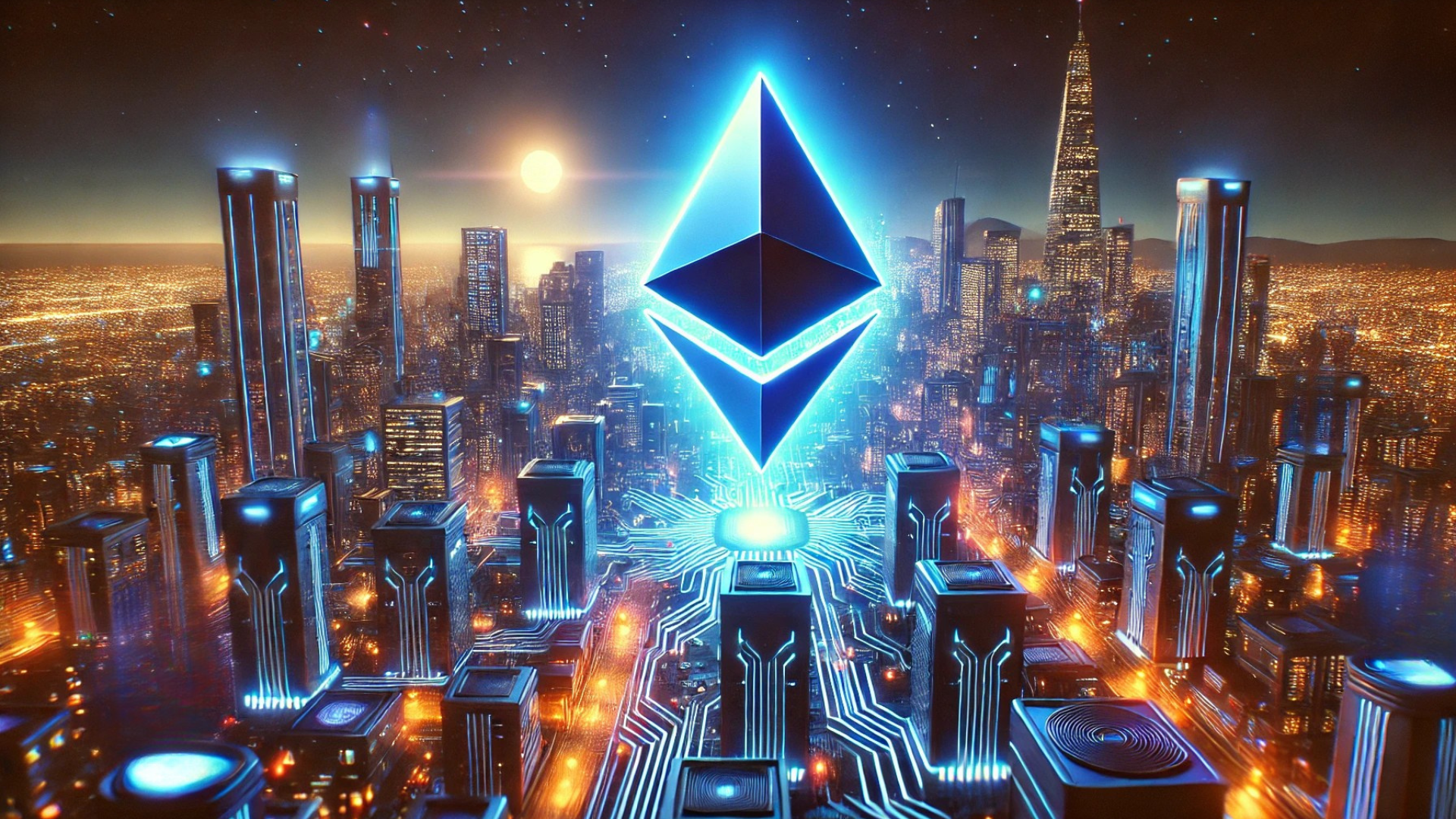
For years, investors measured Ethereum’s power by looking at ETH alone. But that picture is no longer complete.
A new ecosystem report shows something striking: 58% of the capital held by Ethereum’s largest addresses is no longer in ETH. It now sits in tokens and stablecoins. That shift changes how we understand dominance, concentration, and systemic risk inside Ethereum’s economy.
This isn’t just a small technical adjustment. It’s a structural transformation.
Ethereum Looks Very Different Beyond ETH
If you rank Ethereum addresses by ETH holdings alone, the top balances add up to about $189 billion.
But when you include ERC-20 tokens and stablecoins, the total jumps to $426 billion — more than double.
Even more interesting:
- Only 537 addresses overlap between ETH-only and aggregated Top-1,000 rankings.
- Nearly 40% of top-holder capital is controlled by smart contracts, not individuals.
- Stablecoins represent about 26% of the average large address balance.
- ETH itself now accounts for roughly 42% of total top-holder value.
In other words, Ethereum’s largest economic players are no longer just ETH whales. They are protocols, contracts, and token-heavy portfolios.
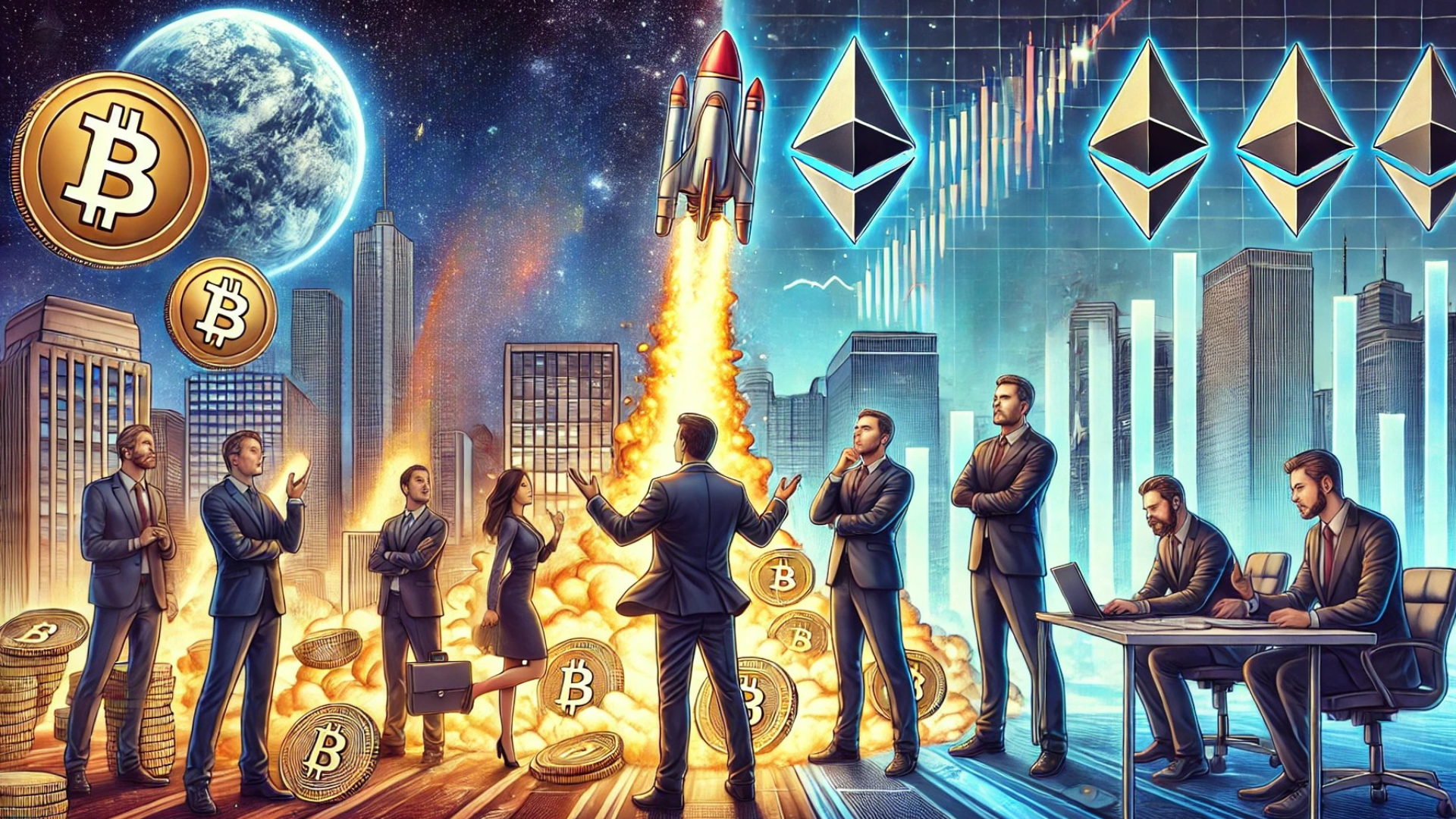
The Altseason Already Happened — Just Not on Price Charts
Many investors waited for altseason to appear through explosive price rallies.
But this report suggests something different.
Capital didn’t rotate into altcoins through dramatic price spikes. Instead, it expanded quietly across:
- DeFi protocols
- Stablecoins
- Smart contracts
- Token-denominated balance sheets
While prices stayed mostly range-bound, structural dominance shifted underneath the surface.
Markets were watching charts. Meanwhile, on-chain capital distribution was evolving.
This wasn’t a failed altseason. It was a transformed one.
When Bigger No Longer Means Safer
Traditionally, larger balances were seen as stronger or more resilient.
That assumption no longer holds.
In the aggregated Top-1,000:
- The median balance is around $122 million.
- The maximum balance is about $35.2 billion.
- That creates a nearly 290× gap between the largest and median holders.
Such concentration signals structural system risk rather than simple market volatility. In a token-heavy environment, losses are increasingly driven by liquidity mechanics and protocol design, not just price movement.
This shifts strategy. Instead of chasing speculative gains, large holders appear focused on:
- Staking
- Liquid staking
- Restaking
- Stablecoin yield strategies
Capital preservation is quietly replacing speculation.
The Printing-Press Index (PPI): Measuring Hidden Fragility
As Ethereum becomes more token-dominated, another question becomes critical:
How much of that capital is self-issued?
To measure this, researchers introduced the Printing-Press Index (PPI):
PPI = Value of a project’s own tokens ÷ Total token holdings
This helps separate externally sourced capital from self-minted balance sheet value.
What the data shows:
- DeFi protocols cluster around ~50% self-issued tokens.
- Centralized exchanges average around 7%, though some outliers reach ~30%.
Why does this matter?
Because high PPI levels introduce wrong-way risk — where a system’s stability depends heavily on the value of its own token.
At:
- 10–20% → manageable design feature
- 40–50% → fragile zone
- Near 100% → extreme systemic risk
History has shown that when confidence weakens in self-referential systems, liquidity can evaporate quickly.
Balance sheet size can mask fragility.
Composition matters more.
Smart Contracts Are Now Major Economic Actors
Ethereum was originally designed as a platform for smart contracts. Today, the data shows that vision has fully materialized.
Smart contracts now control nearly 40% of top-holder capital when measured in aggregated USD terms.
That represents a major risk transfer:
- When capital sits in individual wallets, risk is behavioral.
- When capital sits in smart contracts, risk is mechanical.
Now exposure depends on:
- Code logic
- Collateral models
- Liquidity design
- Token economics
Ethereum’s largest “holders” are no longer just people. They are systems.
Why ETH-Only Analysis Is No Longer Enough
Looking at ETH alone now understates Ethereum’s true economic structure.
Once tokens and stablecoins are included:
- Dominance patterns shift
- Concentration levels change
- Systemic risk becomes more visible
- Smart contracts emerge as core power centers
The real takeaway?
Ethereum’s economy is no longer ETH-dominant. It is token-structured and mechanism-driven.
That changes how exposure should be evaluated.
Final Insight: The New Ethereum Reality
Ethereum’s capital structure has evolved in three important ways:
- Smart contracts are now central economic players.
- Tokens represent the majority of large-holder value.
- Balance size alone no longer signals strength.
In this environment, what matters most is not how big a balance is — but what it is made of.
The altseason didn’t vanish.
It simply moved from price charts to balance sheets.
And for analysts and investors, understanding composition may now matter more than watching candles.