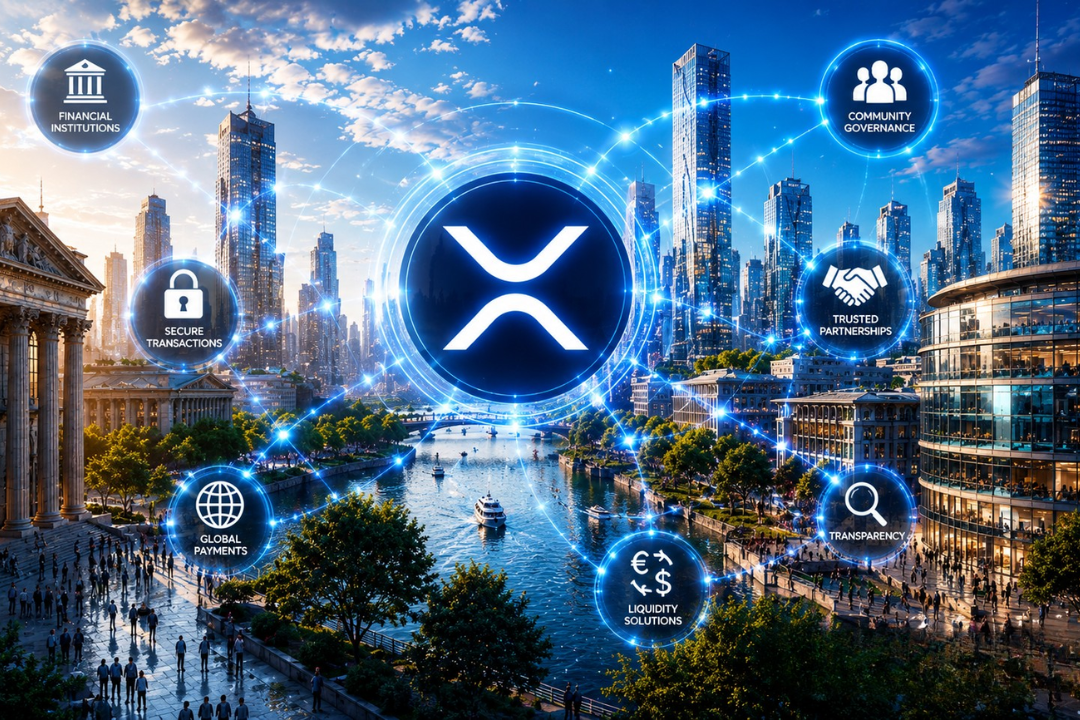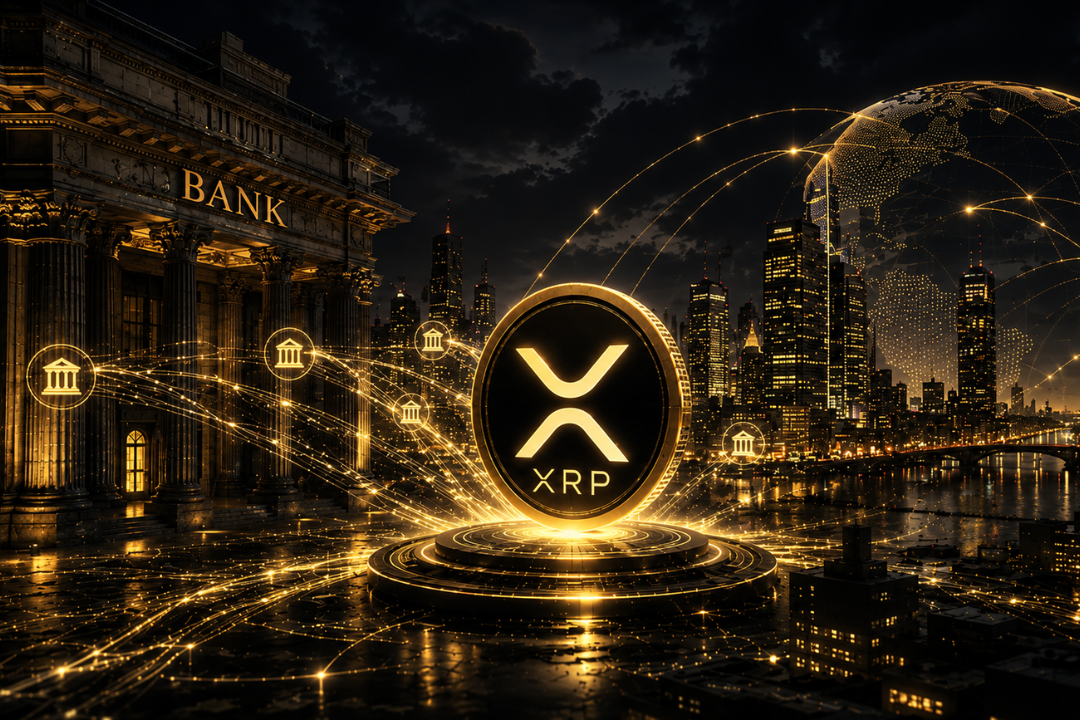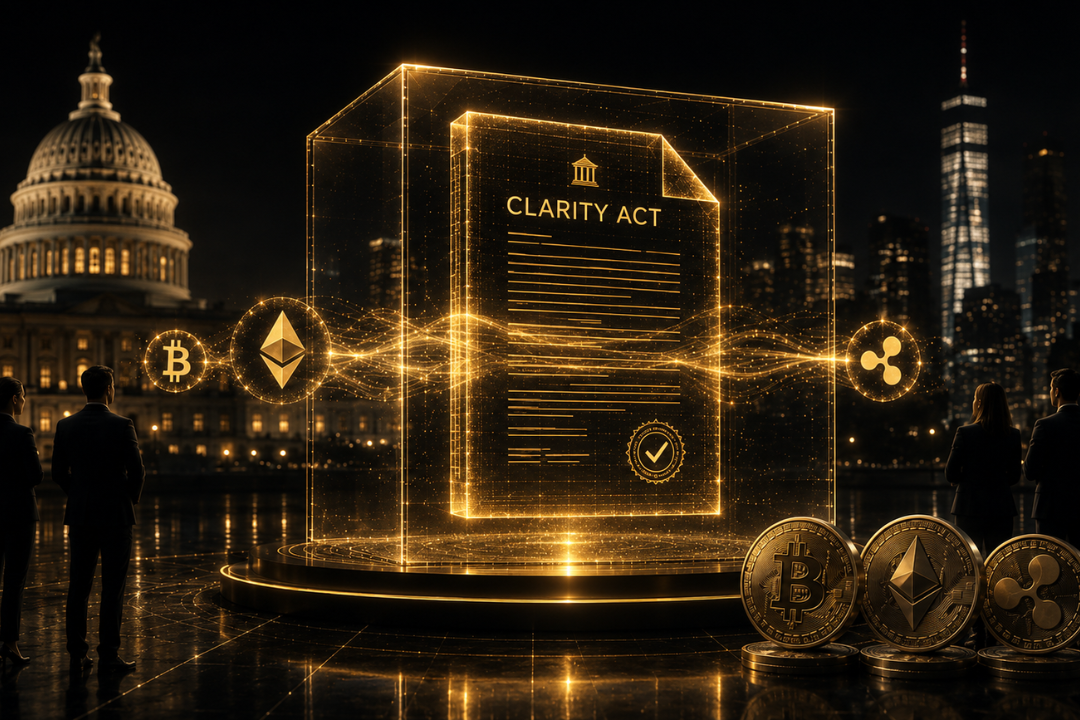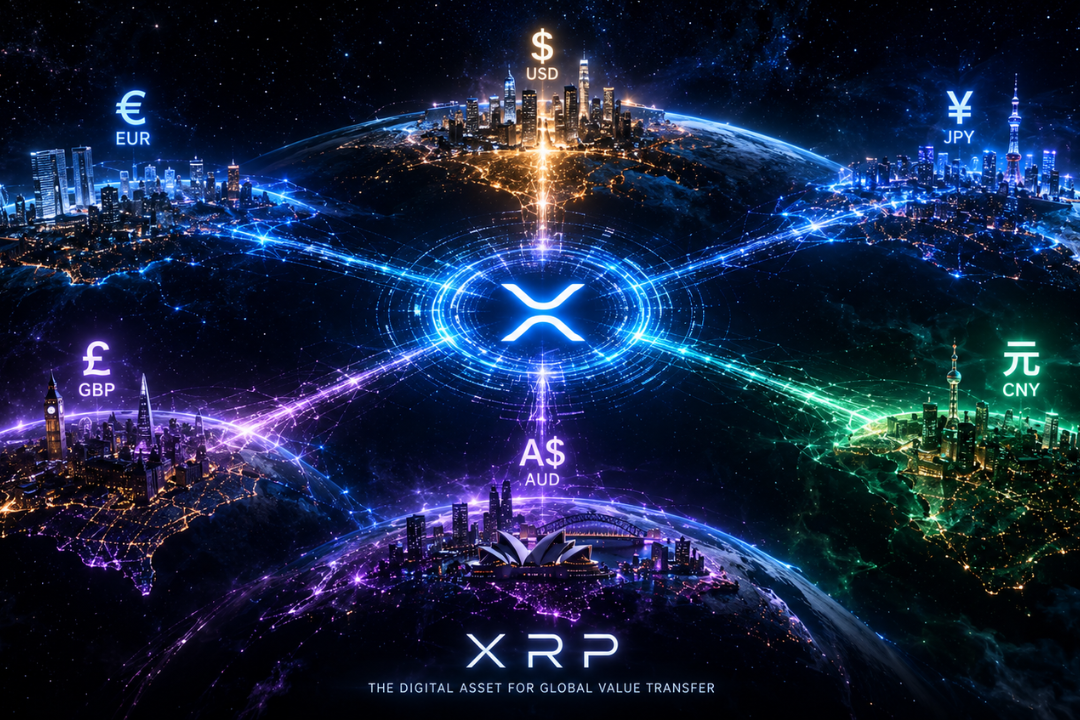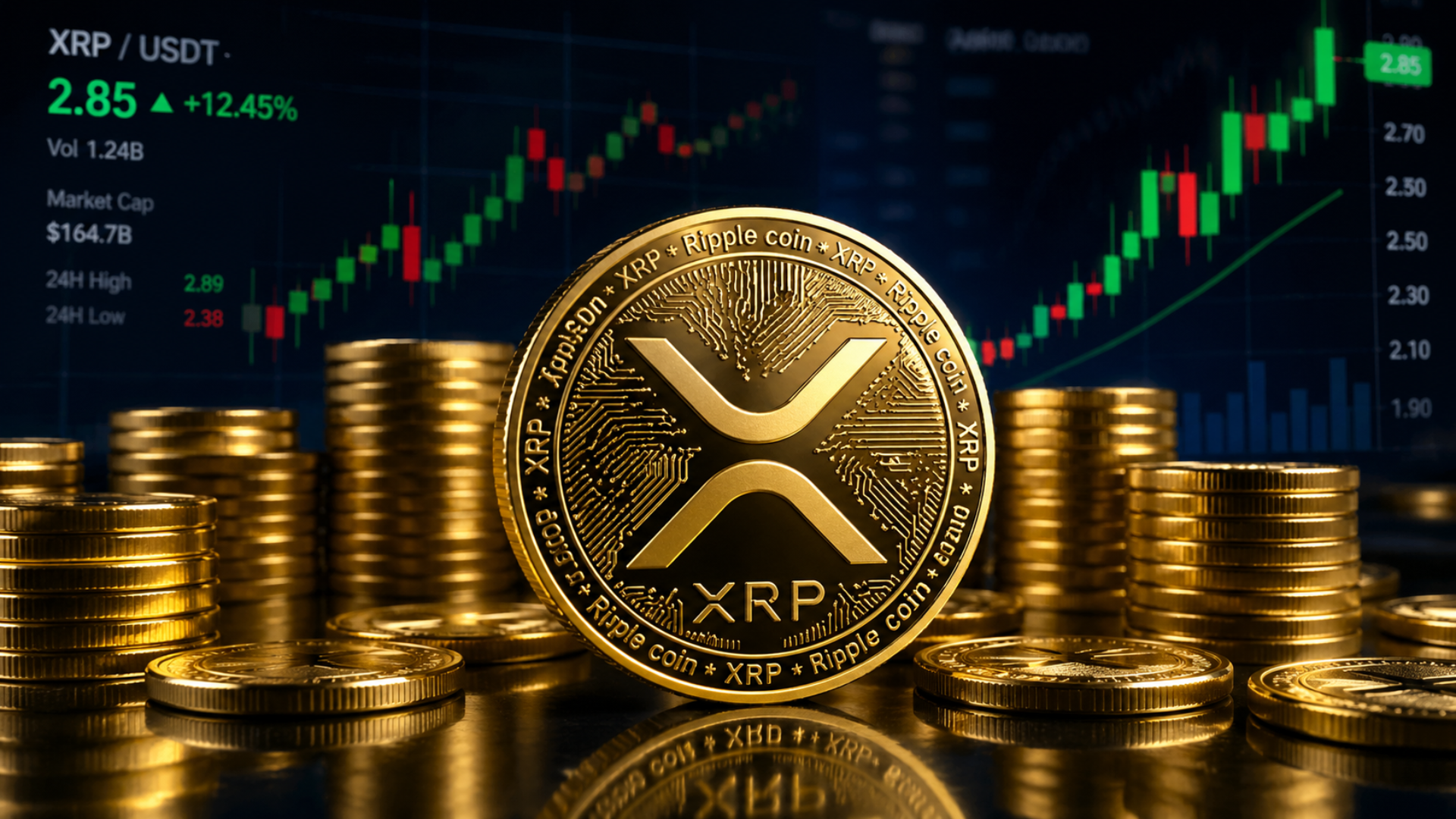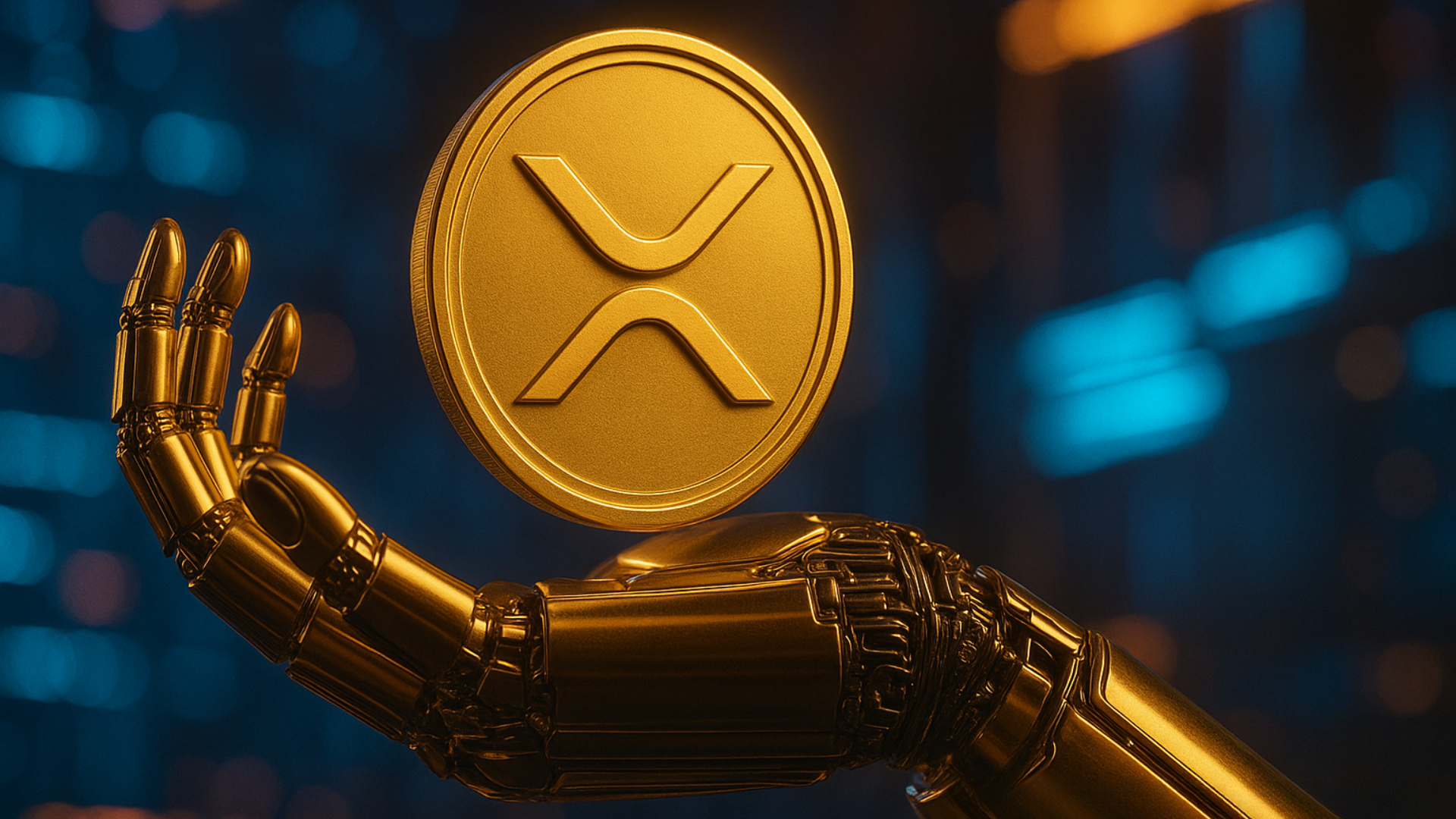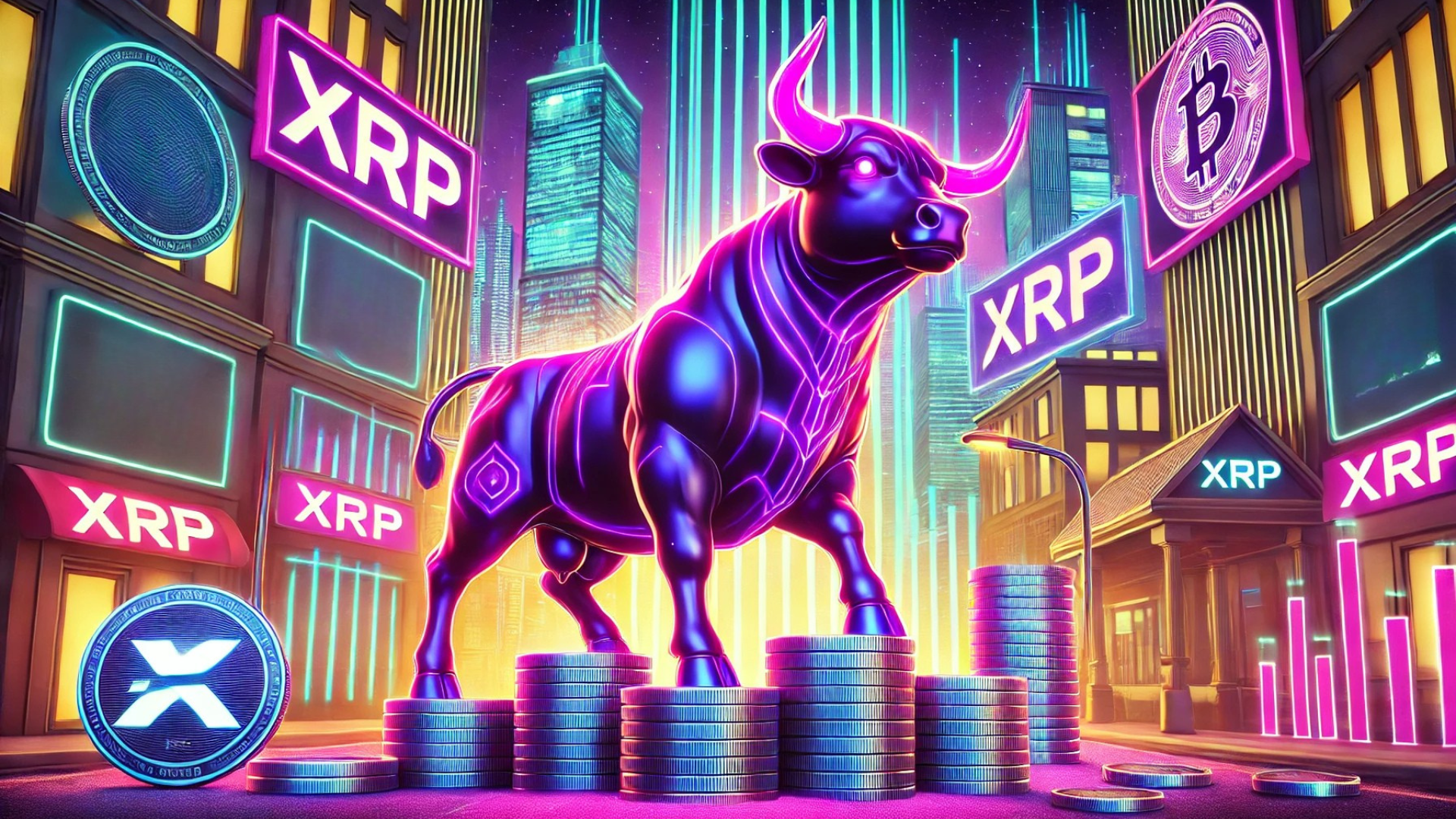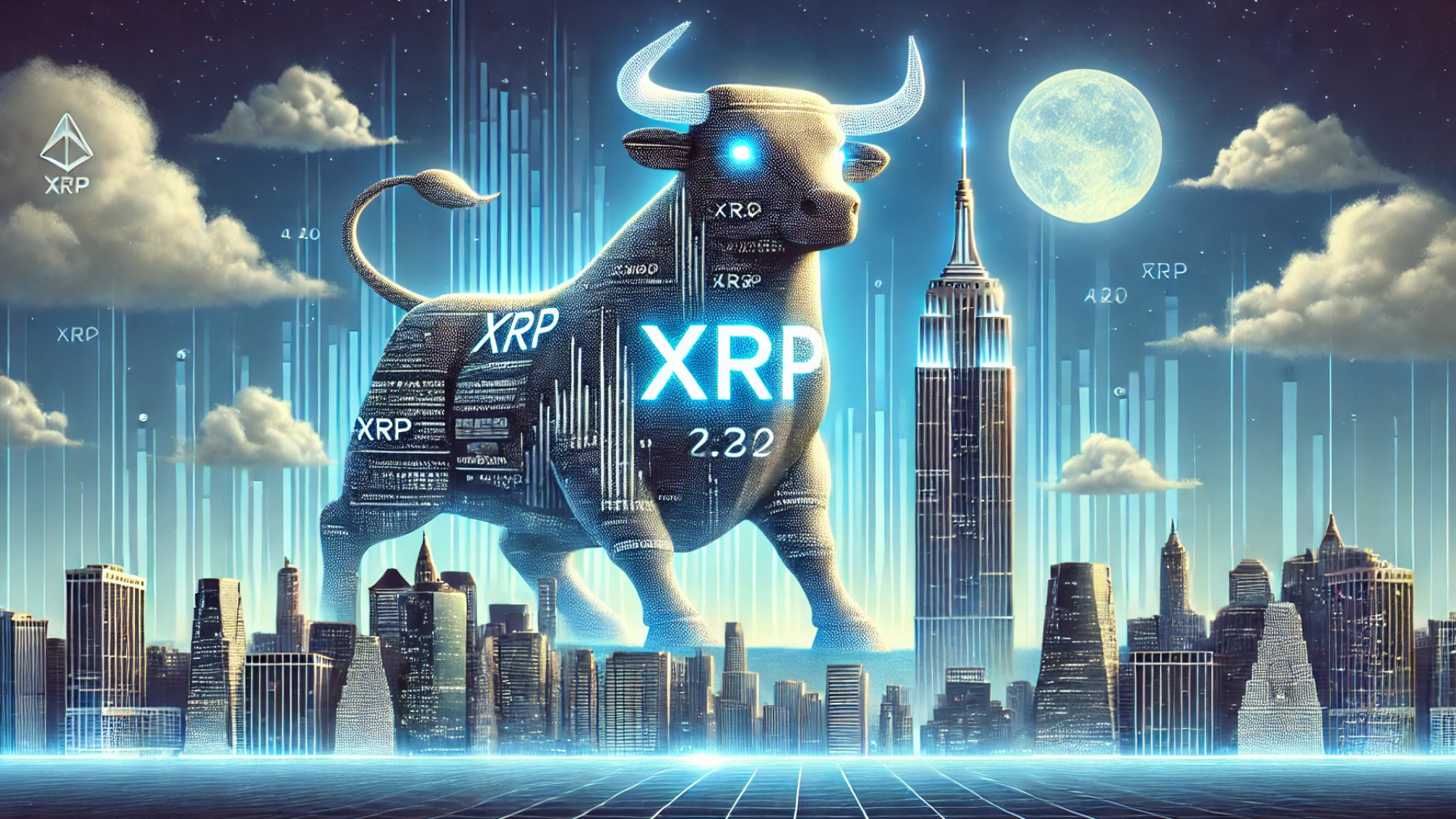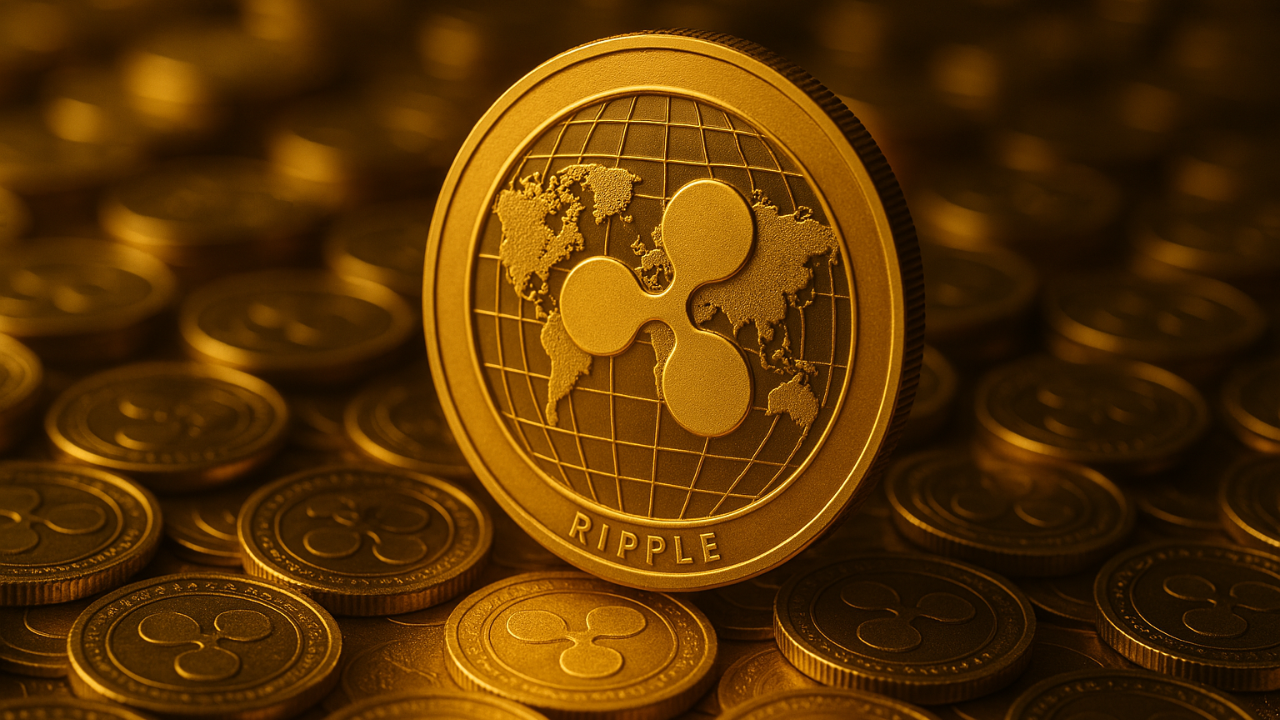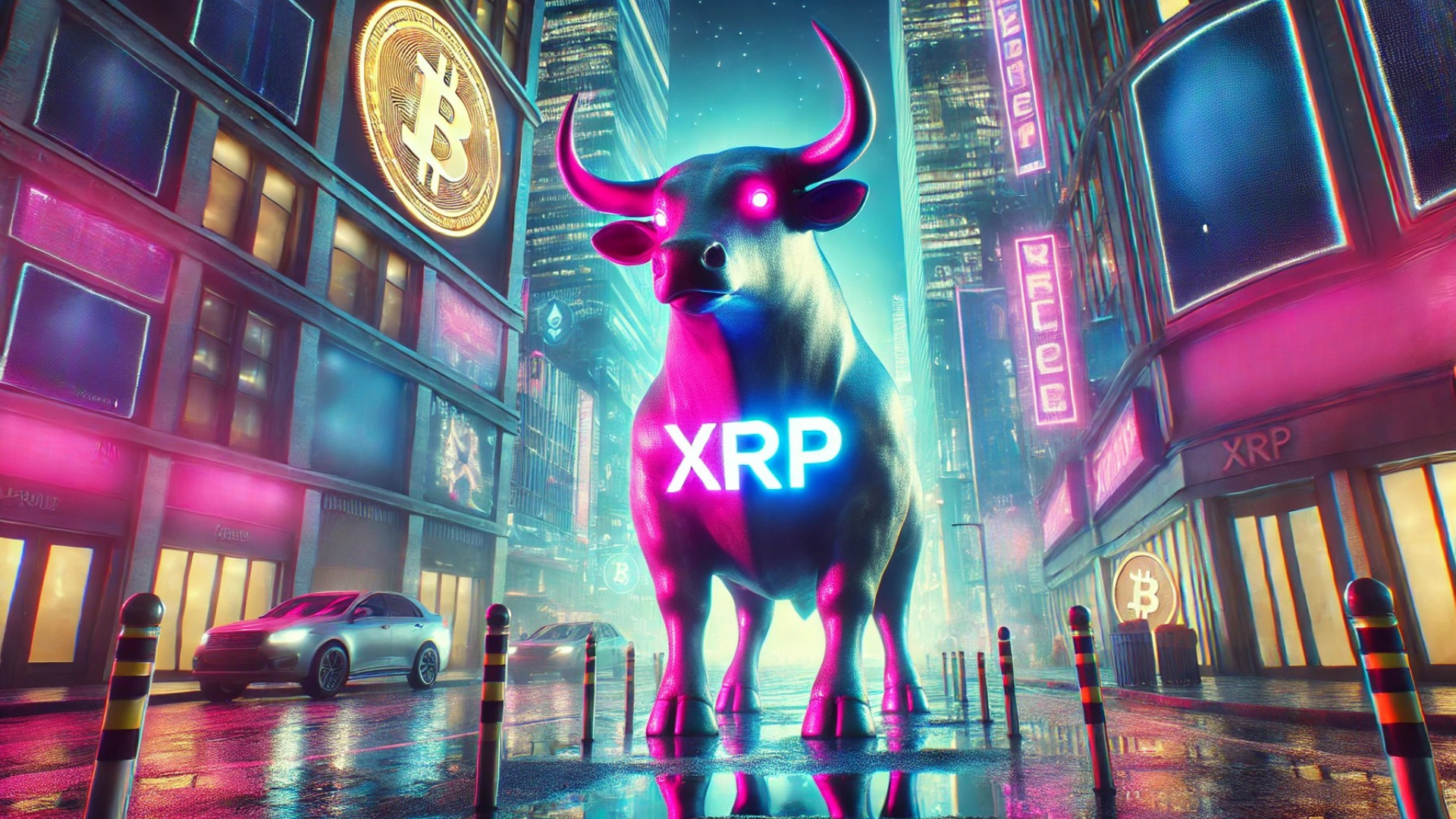


XRP has always stood apart from other early cryptocurrencies. While most digital assets of the 2010s positioned themselves as alternatives to traditional finance, XRP was built to work with banks, not against them. Over a decade later, the token remains one of the most widely adopted in institutional finance but the rise of stablecoins now threatens to upend Ripple’s hard-earned advantage.
From Bank Partnerships to Global Adoption
Unlike Bitcoin or Ethereum’s grassroots beginnings, XRP launched with a mission to bridge traditional finance and blockchain. Ripple Labs, the company behind the token, collaborated closely with major financial institutions, even helping to shape anti-money-laundering (AML) standards for digital assets.
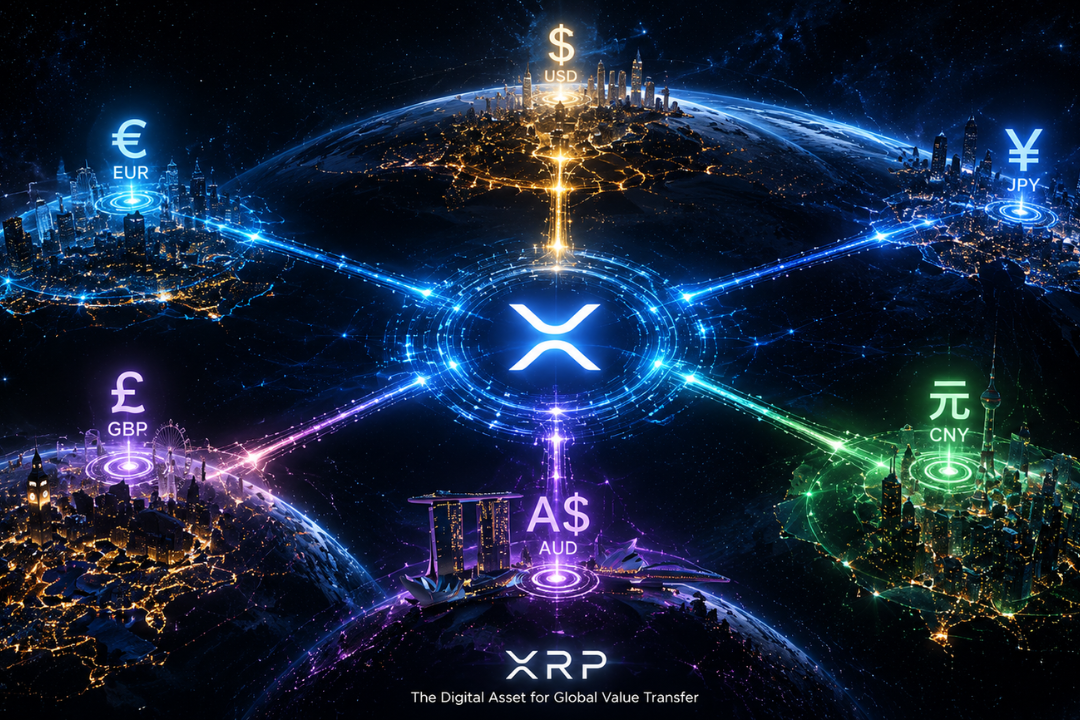
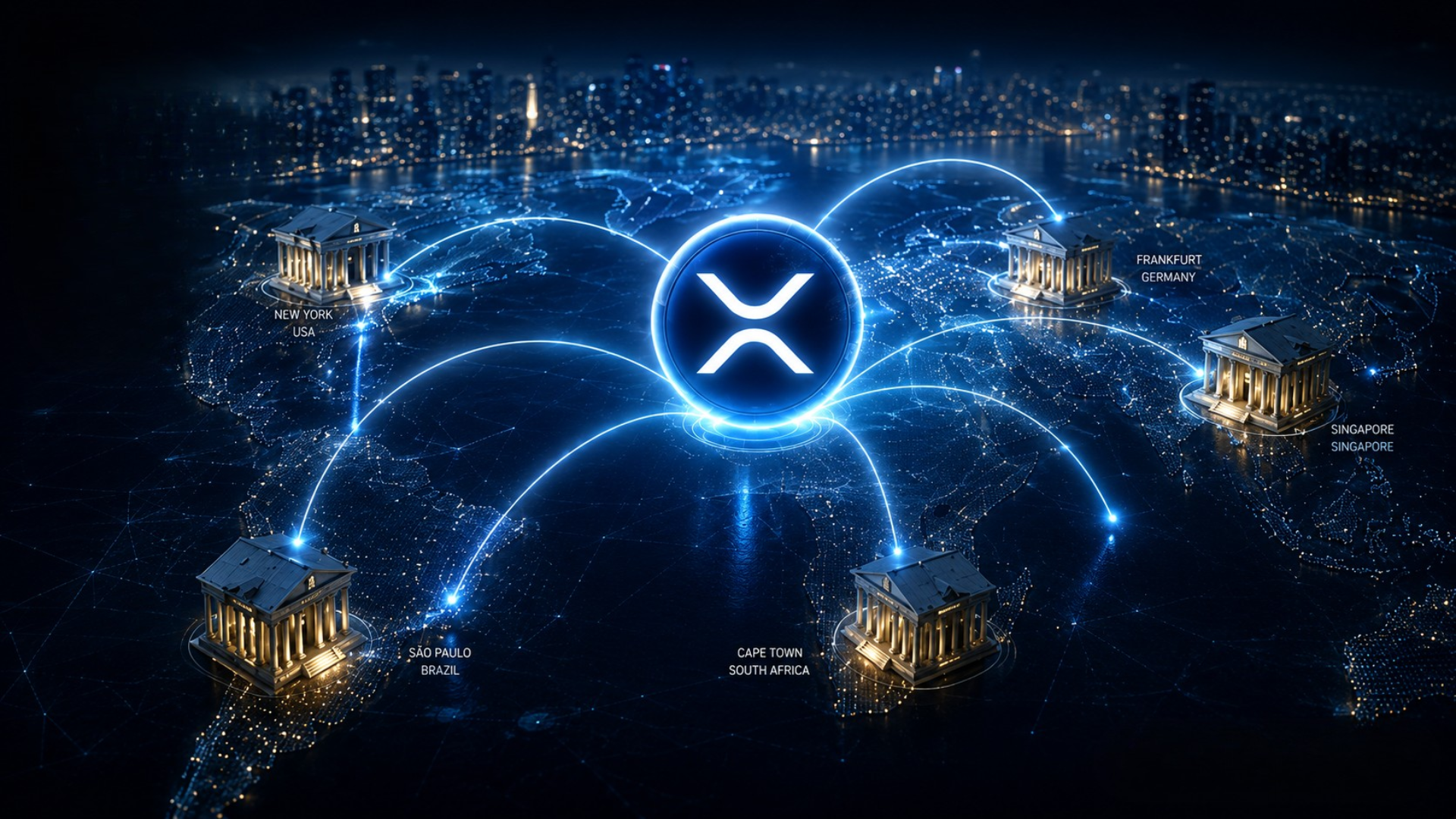
Over the years, Ripple’s infrastructure has been integrated by global heavyweights including SBI Holdings, MUFG Bank, and American Express. Its technology made cross-border payments faster and cheaper, creating one of the earliest examples of blockchain utility in the real world.
Today, XRP can be used to pay for goods and services through direct merchant support or via crypto payment processors like BitPay. That accessibility makes it one of the top cryptocurrencies for everyday transactions.
Political Winds Boost and Complicate XRP’s Comeback
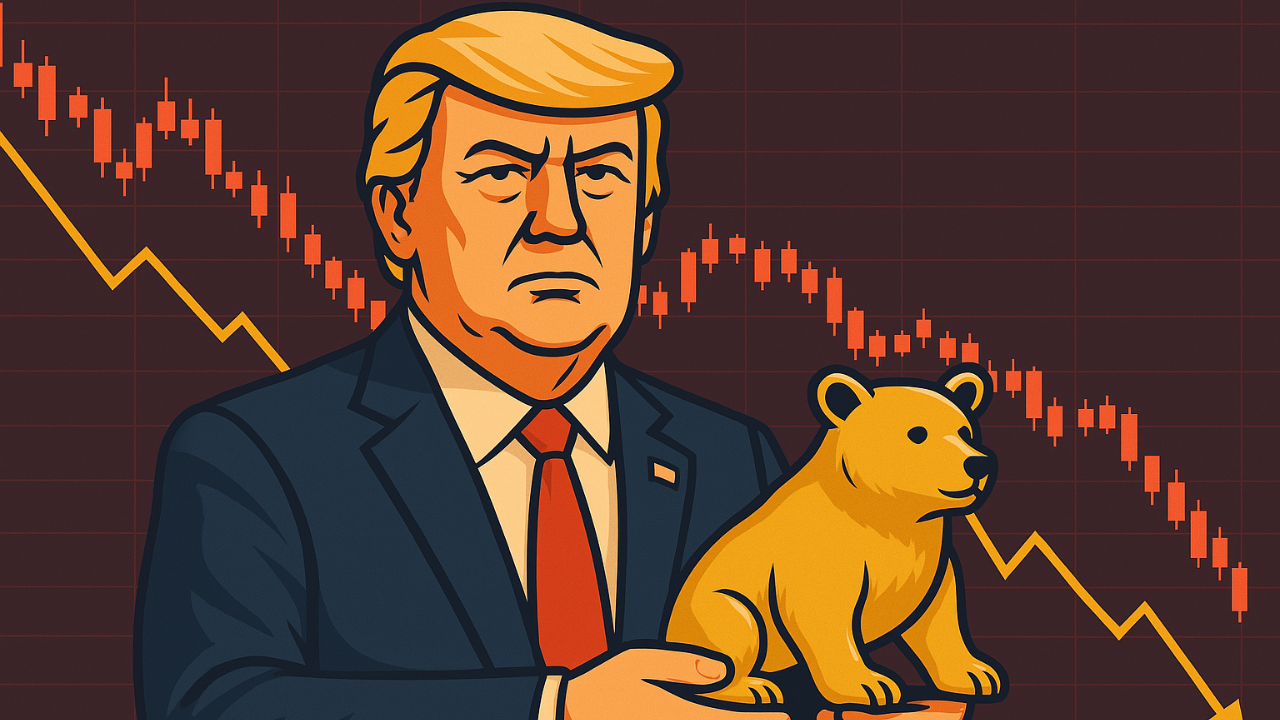
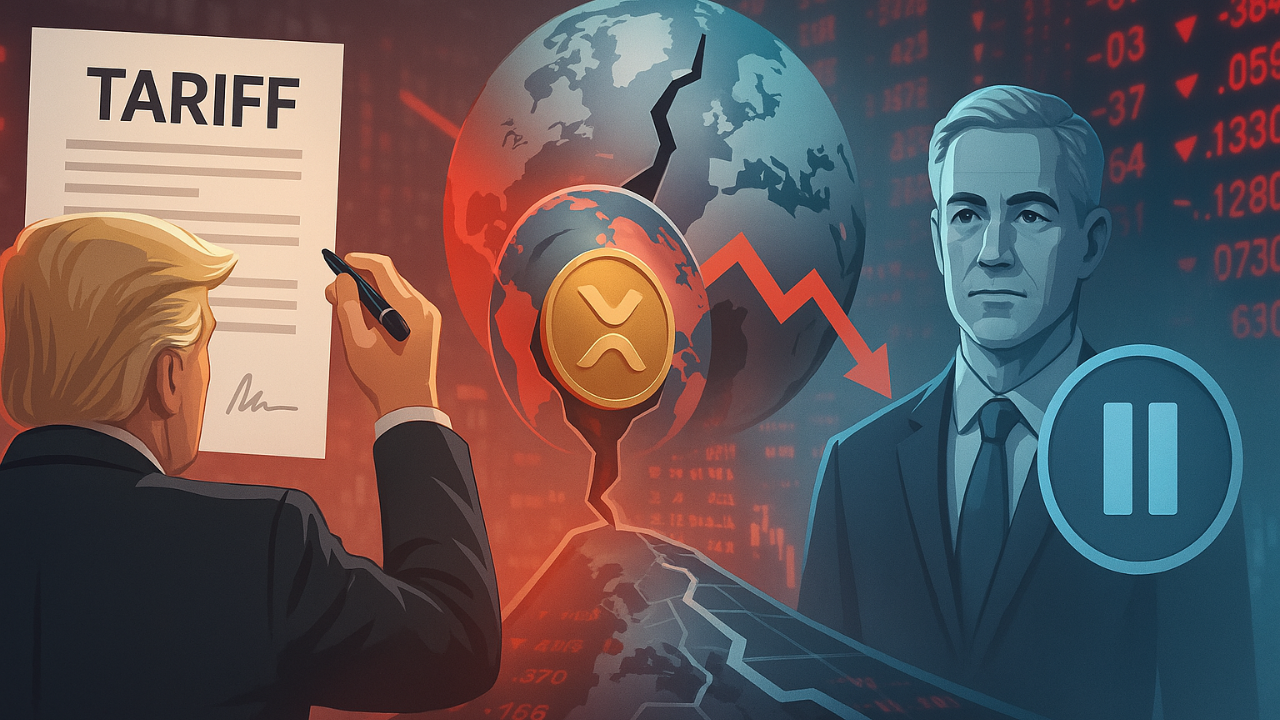
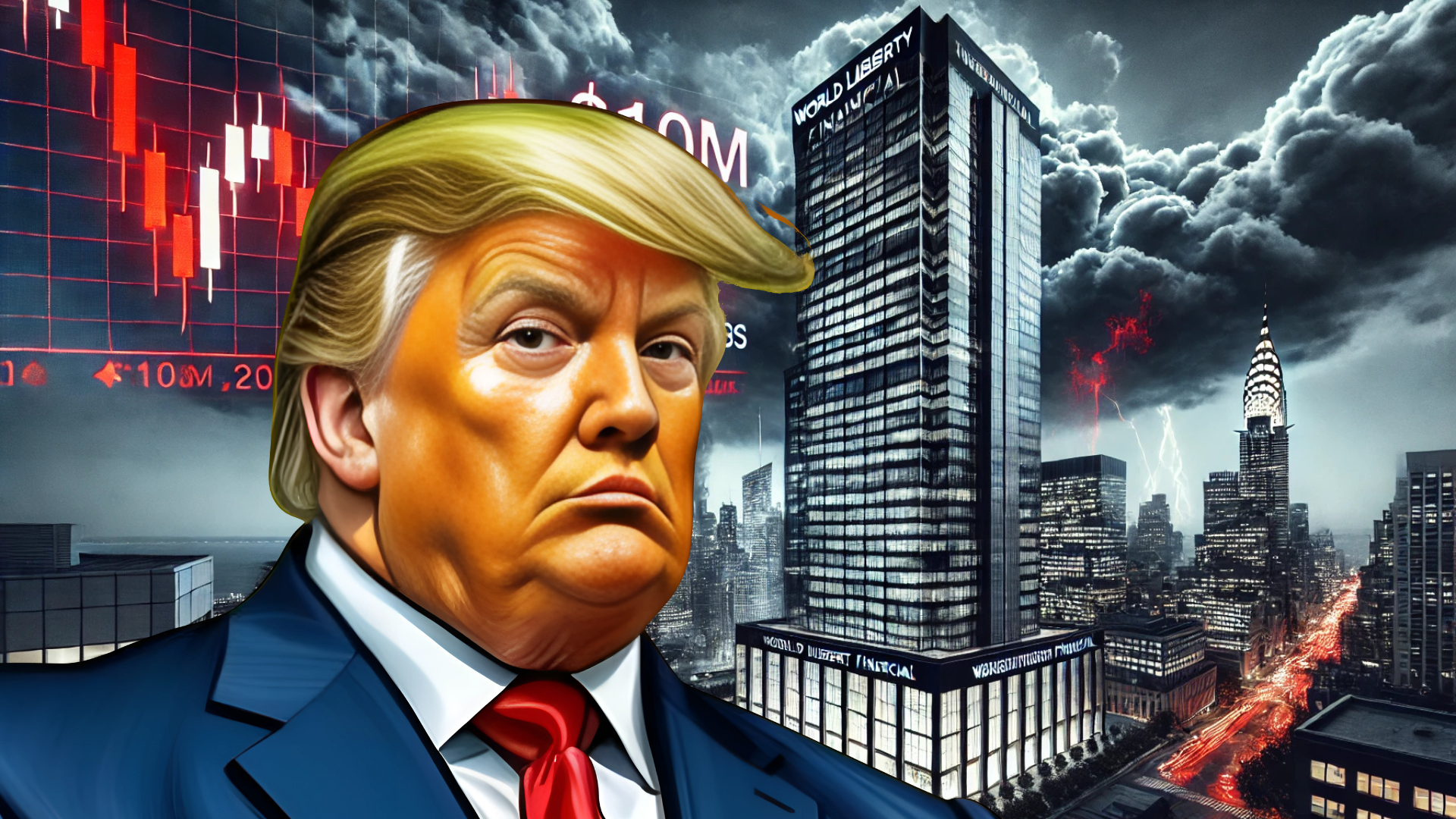
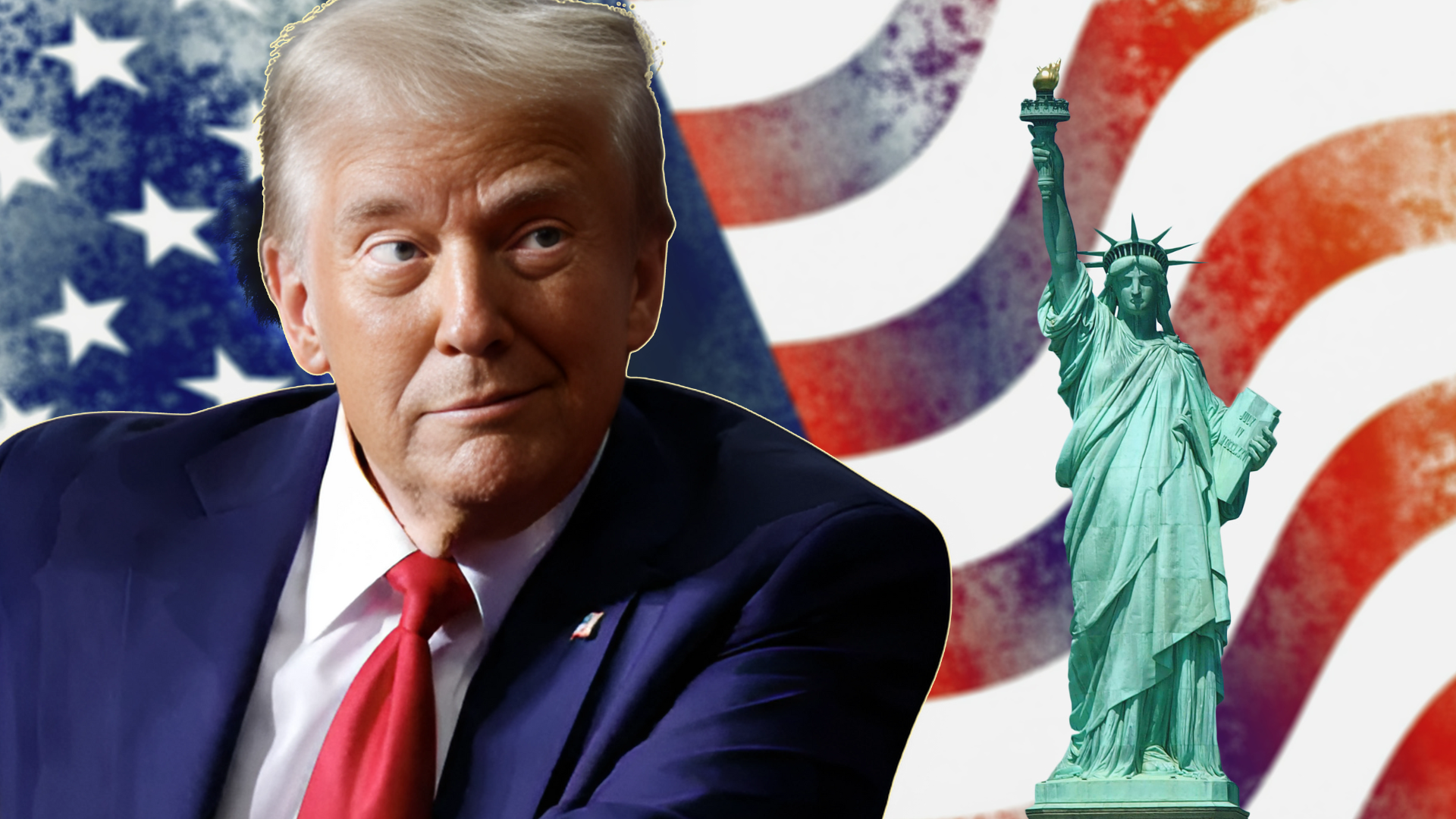
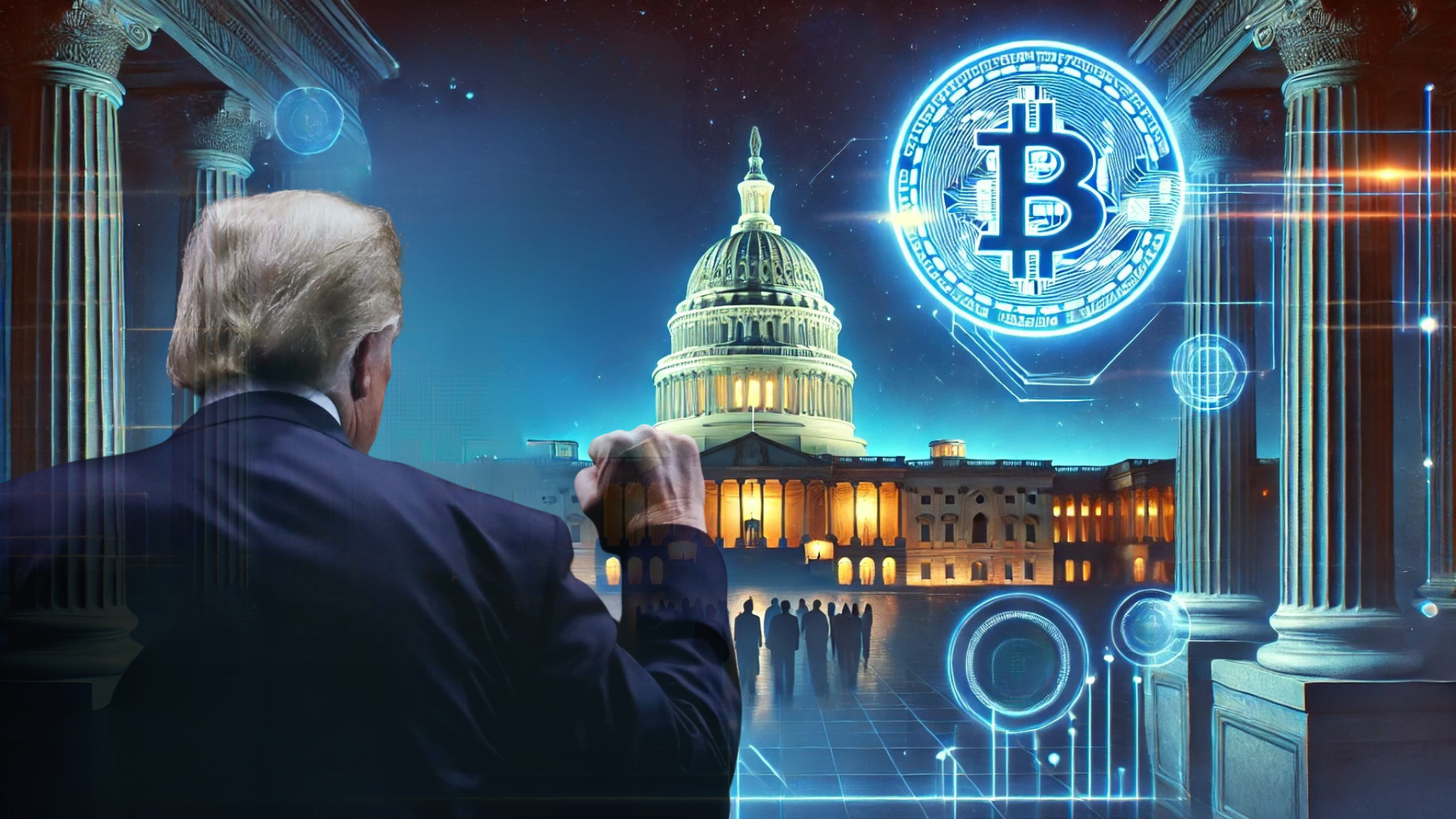
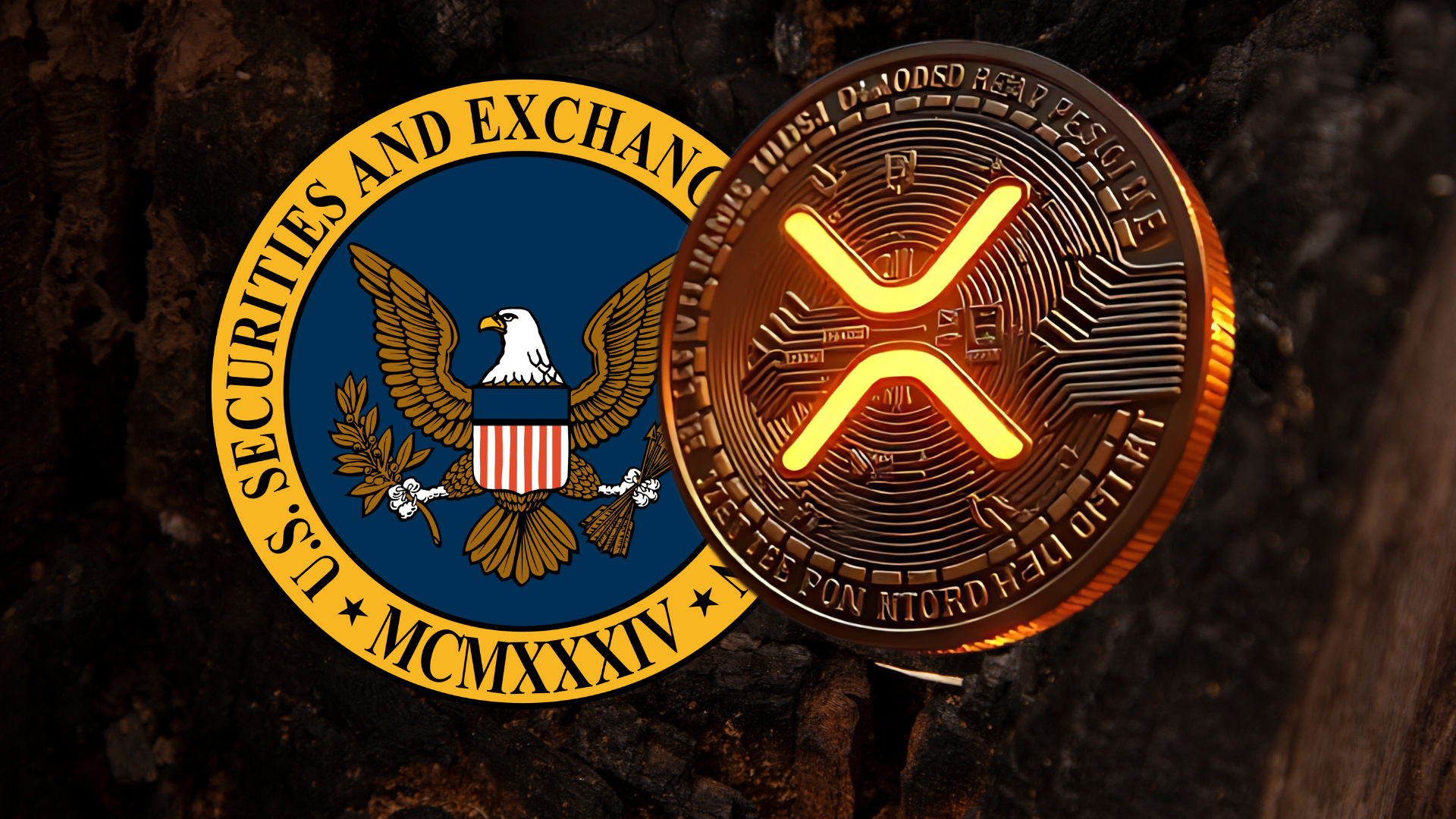
The 2024 U.S. presidential election brought fresh hope to Ripple supporters. Following Donald Trump’s victory, many investors expected a friendlier regulatory climate and a swift end to Ripple’s longstanding legal battle with the SEC.
The optimism sent XRP soaring from around $0.50 to over $2.50 in weeks. By January 2025, the token even broke $3, fueled by speculation that it might be included in a U.S. strategic crypto reserve.
But the post-election reality proved more complicated. Although the SEC lawsuit concluded in August 2025, Ripple was still ordered to pay a $125 million fine, leaving the company in regulatory limbo.
Further tensions emerged when Senator Cynthia Lummis, chair of the Digital Assets Subcommittee, abruptly canceled a meeting with Ripple CEO Brad Garlinghouse reportedly under the influence of her Bitcoin-maximalist son-in-law, Will Cole. The episode reignited debate about XRP’s political standing despite the broader pro-crypto rhetoric in Washington.
XRP Faces a New Rival: Stablecoins
Just as Ripple began regaining its footing, stablecoins emerged as a serious contender in the payments space. The signing of the GENIUS Act in July 2025 a landmark framework for regulating stablecoins triggered a boom in the sector.
Stablecoins like USDC, USDT, and newly approved regulated tokens now offer price stability and easier compliance, making them the preferred choice for banks and corporations once targeted by Ripple.
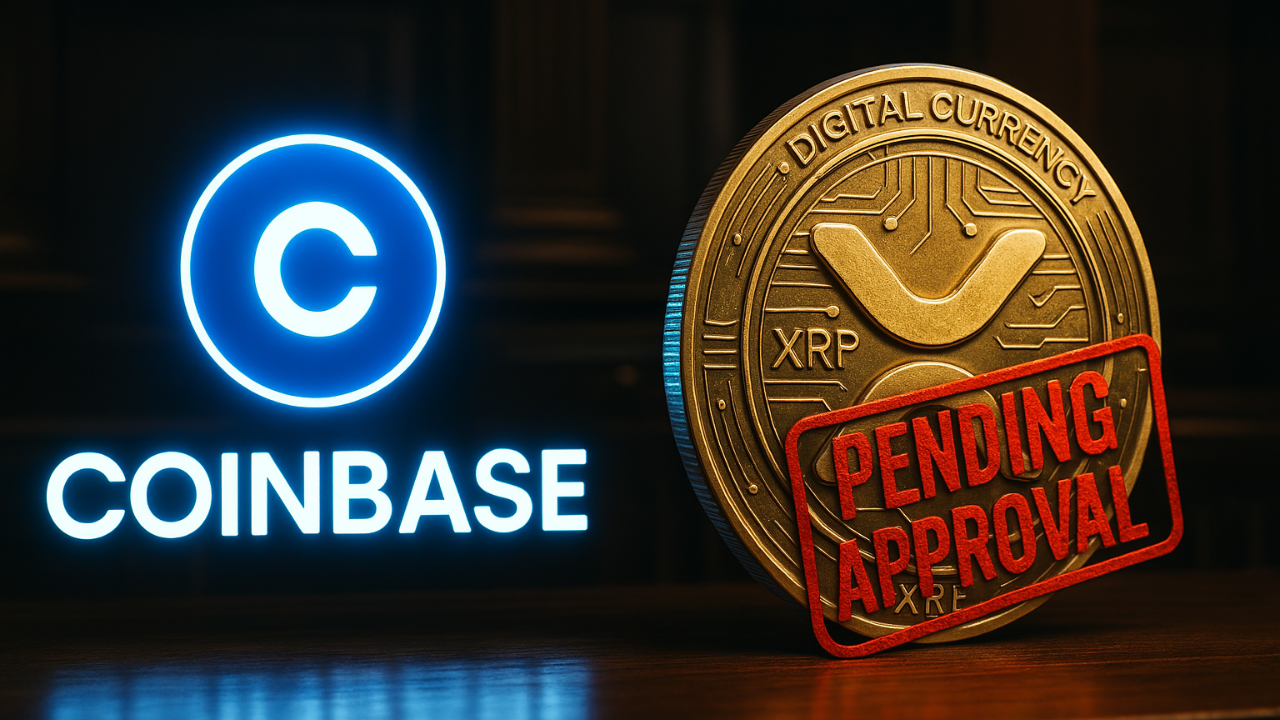
Meanwhile, the SEC still hasn’t approved a spot XRP ETF, and the recent U.S. government shutdown has slowed any regulatory progress. As of October 27, XRP trades near $2.64, even after pro-Ripple ally Michael Selig was appointed chairman of the Commodity Futures Trading Commission (CFTC) a move that reignited some optimism among holders.
XRP Adoption Remains Strong
Despite headwinds, XRP remains the world’s fourth-largest cryptocurrency by market cap, only narrowly trailing Binance’s BNB token.
It’s accepted by a growing list of businesses and financial firms:
- Overstock, Shopify, Hublot, and Trovelle take XRP for purchases.
- American Express, Western Union, and Mercury FX use Ripple’s infrastructure for cross-border transactions.
- Through BitPay, XRP can be used indirectly at AMC Theatres, Travala, and Qeeq, among others.
- Air China even accepts XRP via a Webus partnership.
Websites like Cryptwerk now track hundreds of merchants worldwide who accept XRP a sign that the token continues to see steady grassroots and institutional adoption.
What’s Next for XRP?
For XRP to maintain its position as a financial mainstay, Ripple Labs must do more than survive regulatory scrutiny it must prove its relevance in an era dominated by stablecoins.
The company’s long-term success could hinge on two factors:
- Securing government support for XRP as a strategic or reserve asset.
- Differentiating XRP’s technology from what stablecoins already offer.
In March, President Trump claimed via Truth Social that XRP, along with Cardano (ADA) and Solana (SOL), would form part of a U.S. strategic cryptocurrency reserve, later adding Ethereum (ETH) to the list.
If realized, that recognition could elevate XRP to an unprecedented status from a payments token to a pillar of the U.S. digital asset ecosystem. But for now, that vision remains more aspiration than reality.
The Bottom Line
XRP’s story is one of innovation, resilience, and reinvention. It remains one of the few cryptocurrencies with real institutional use cases, yet it faces a defining challenge as stablecoins dominate the next wave of digital finance.
For Ripple and its supporters, the mission remains clear: prove that XRP can still lead where crypto meets the traditional financial system.