
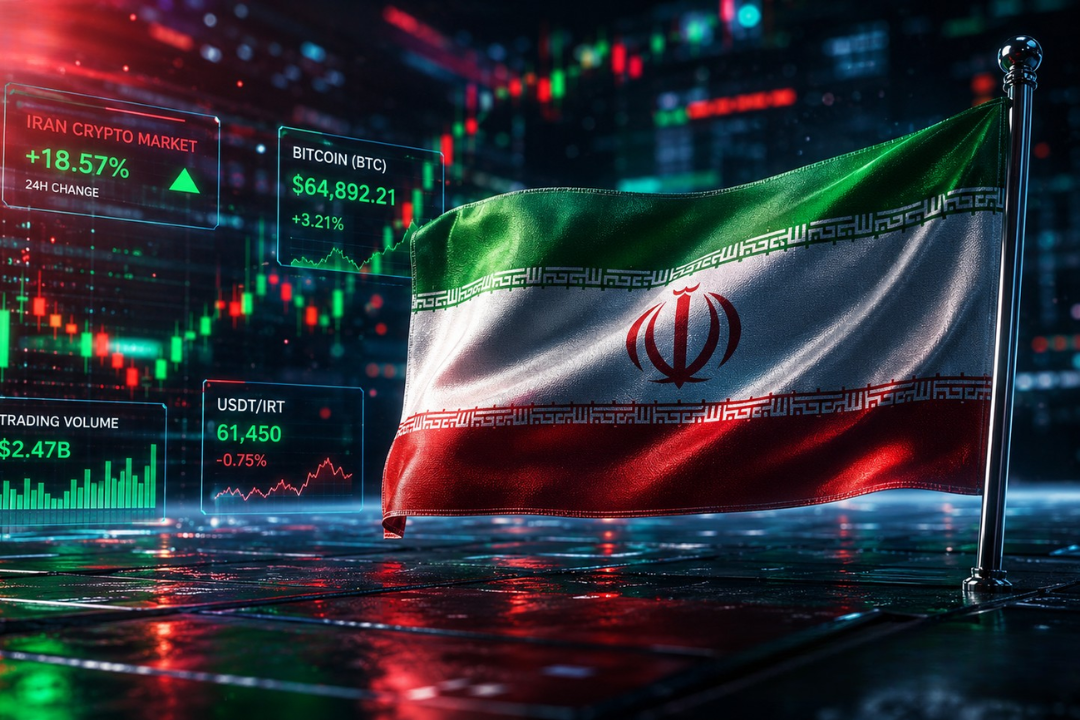
Cryptocurrency exchange CoinEx has rejected allegations that it helped Iranian state-linked entities move funds through its platform after a Wall Street Journal report claimed the exchange processed approximately $3.84 billion in Iran-linked cryptocurrency transactions since 2019.
The company strongly denied having any relationship with sanctioned Iranian organizations and said it remains committed to complying with international sanctions and anti-money laundering regulations.
CoinEx Rejects Allegations
In an official statement, CoinEx said it has never maintained any commercial relationship with the Iranian government, domestic Iranian cryptocurrency exchanges, the Islamic Revolutionary Guard Corps (IRGC), or any individuals and organizations subject to international sanctions.
The exchange also emphasized that it does not operate an office or business entity in Iran.
According to CoinEx, its official website has been blocked by Iranian authorities since 2021 after being blacklisted by the government. The company argued that this demonstrates it has never been recognized or supported by Iranian officials.
CoinEx acknowledged that individual users may have promoted the platform through its global referral program but stressed that these independent marketing efforts should not be interpreted as evidence of organized promotion within Iran or cooperation with state-linked entities.
Exchange Challenges WSJ Findings
The Wall Street Journal report cited blockchain investigators who allegedly traced transactions originating from two wallets associated with Iran’s central bank.
The report further claimed that some of those funds were linked to cryptocurrency stolen during the Bybit hack, which has been attributed to North Korean cybercriminals.
CoinEx disputed those conclusions.
The company argued that blockchain transactions are publicly visible by nature and that the movement of funds through an exchange does not necessarily prove the platform knowingly processed, supported, or facilitated those transactions.
CoinEx also questioned the reported $3.84 billion figure, stating that the calculation combined both incoming and outgoing transactions and presented them as funds “processed” by the exchange.
According to the company, blockchain analytics can produce different results depending on the methodology used, and transaction attribution often involves interpretation rather than definitive proof.
Response to the Bybit Hack
CoinEx also addressed its alleged connection to the Bybit security breach referenced in the report.
The company said it cooperated with Bybit after learning about the incident by helping identify suspicious accounts and freeze assets when possible.
In addition, CoinEx announced that it will conduct an internal review of the transactions referenced in the Wall Street Journal investigation.
The exchange noted that it has itself been the victim of a major cyberattack.
In 2023, North Korea’s Lazarus Group was reportedly responsible for stealing approximately $70 million from CoinEx, highlighting that the platform has also experienced significant security challenges.
Strengthening Compliance Measures
CoinEx said it has expanded its compliance framework in response to increasing international sanctions and regulatory scrutiny.
The company stated that it has implemented several additional safeguards, including:
- Enhanced Know Your Customer (KYC) procedures
- Stronger Anti-Money Laundering (AML) controls
- Expanded sanctions screening
- Blockchain Know Your Transaction (KYT) monitoring
- Geographic restrictions for high-risk regions
- Account freezes for sanctioned individuals and entities
CoinEx also said it has begun reviewing and reducing its exposure to users and activities linked to sanctioned jurisdictions, including Iran.
According to the exchange, accounts associated with sanctioned persons or organizations will be restricted or frozen when identified.
Broader U.S. Crackdown on Iranian Crypto Activity
The allegations against CoinEx come as U.S. authorities continue increasing pressure on cryptocurrency platforms believed to have connections with sanctioned Iranian entities.
Earlier this year, the U.S. Treasury Department imposed sanctions on several Iranian cryptocurrency exchanges, including Nobitex, Wallex, Bitpin, and Ramzinex.
Officials accused those platforms of helping sanctioned organizations gain access to global digital asset markets and move funds across international jurisdictions.
The Treasury also alleged that Nobitex handled more than half of Iran’s cryptocurrency inflows during 2025, making it a central focus of U.S. sanctions enforcement.
The broader crackdown reflects growing regulatory attention on how cryptocurrencies may be used to bypass international financial restrictions.
CoinEx Reaffirms Compliance Commitment
Despite the allegations, CoinEx said it remains committed to strengthening its compliance systems and cooperating with regulators where appropriate.
The exchange stated that it will continue investing in technologies designed to detect suspicious blockchain activity while improving customer verification and sanctions monitoring.
CoinEx also said it intends to work closely with users, business partners, and regulatory authorities to address concerns and maintain confidence in its platform.
The Bottom Line
CoinEx has firmly denied allegations that it knowingly assisted Iranian state-linked entities in moving cryptocurrency through its exchange, disputing both the methodology and conclusions presented in the Wall Street Journal report.
While the exchange acknowledges that blockchain transactions can be publicly traced, it argues that on-chain fund flows alone do not prove knowledge, intent, or participation by a trading platform.
As regulators worldwide continue increasing scrutiny of cryptocurrency exchanges and sanctions compliance, platforms like CoinEx are likely to face growing pressure to strengthen monitoring systems and demonstrate robust anti-money laundering controls.
Whether additional evidence emerges remains to be seen, but the case highlights the increasingly complex intersection of blockchain transparency, sanctions enforcement, and global cryptocurrency regulation.
Disclaimer: This article is for informational purposes only and does not constitute legal, financial, or investment advice. The allegations referenced remain disputed, and readers should rely on official statements and verified regulatory findings as investigations continue.