

For nearly five years, Strategy (formerly MicroStrategy) became synonymous with aggressive Bitcoin accumulation. Investors closely watched every weekly filing, expecting another large Bitcoin purchase funded by stock sales.
That streak has now come to an unexpected halt.
The company has gone four consecutive weeks without adding to its Bitcoin holdings its longest pause in more than two years. Even more notably, it sold a portion of its Bitcoin reserve for the first time to meet dividend obligations, signaling a major shift in its capital strategy.
The move has sparked debate across the crypto industry, with many questioning whether this is simply prudent treasury management or the beginning of a broader change for corporate Bitcoin holders.
Strategy’s Bitcoin buying machine has slowed
For years, Strategy followed a straightforward formula.
The company issued new shares, used the proceeds to buy Bitcoin, and benefited as investors rewarded the stock with a premium above the value of its underlying Bitcoin holdings.
That cycle became known as the company’s “flywheel.”
However, the model has recently started working in reverse.
Strategy has now spent four straight weeks without purchasing additional Bitcoin. During that period, it also sold 3,588 BTC, worth approximately $216 million, to help fund preferred stock dividend payments.
Its total holdings now remain unchanged at 843,775 BTC, while the company has authorization to sell up to $1.25 billion worth of Bitcoin if necessary.
Why Strategy changed course
The shift is largely driven by market conditions rather than a change in Bitcoin conviction.
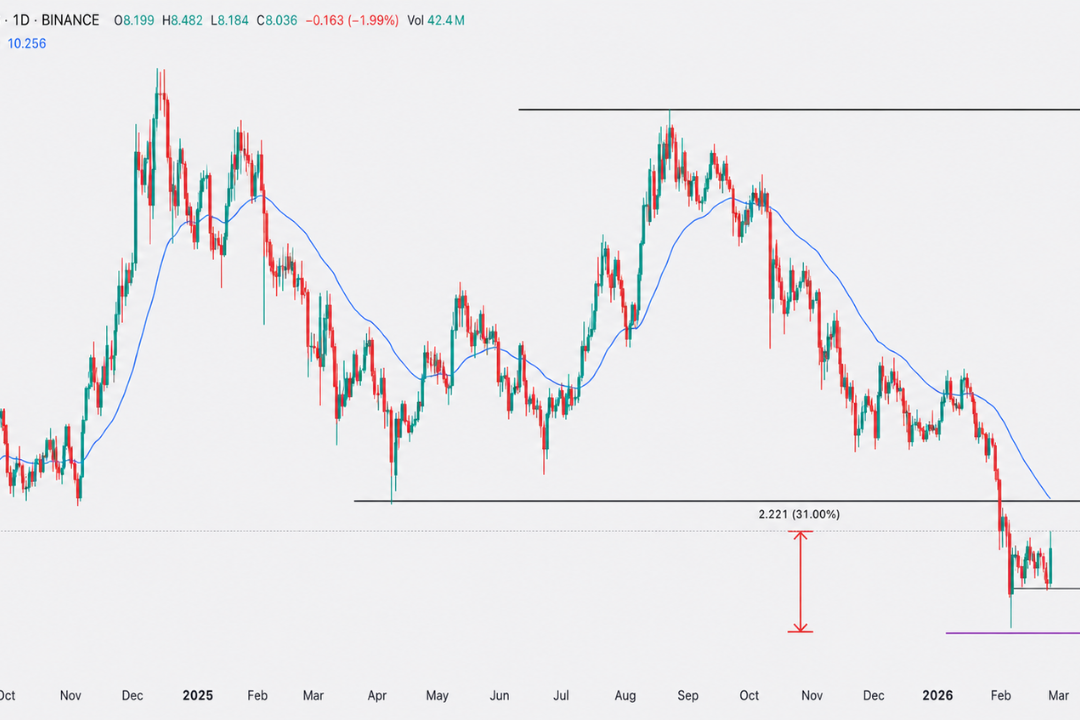
As Bitcoin declined sharply from its previous highs, Strategy’s stock price also dropped, reducing the premium investors had previously been willing to pay.
According to the report, the company’s enterprise mNAV—which compares Strategy’s market value to the value of its Bitcoin holdings—fell below 1.
Once that happens, issuing new shares to buy additional Bitcoin becomes dilutive rather than beneficial for existing shareholders.
At the same time, Strategy’s preferred shares require regular cash dividend payments, creating financial obligations that cannot simply be ignored during market downturns.
Building cash instead of buying Bitcoin
Although Strategy continues raising capital through stock sales, the destination of that money has changed.
Instead of immediately purchasing more Bitcoin, recent fundraising has been directed toward building a sizeable cash reserve.
The company reportedly raised:
- $466.7 million in one week
- $263.5 million the following week
Those proceeds have helped grow Strategy’s cash reserves to approximately $3.2 billion, providing enough liquidity to cover roughly 20 months of dividend obligations.
The company has also introduced a new Digital Credit Capital Framework, prioritizing cash reserves and financial stability before resuming aggressive Bitcoin accumulation.
Preferred shares have become a key factor
A major reason behind Strategy’s new approach is its growing preferred stock program.
Over the past year, the company issued several preferred securities designed to attract income-focused investors while minimizing dilution to common shareholders.
However, unlike Bitcoin, preferred shares require regular cash dividend payments regardless of market conditions.
As Bitcoin prices weakened, those obligations became increasingly expensive to maintain.
Strategy has even raised the dividend rate on one preferred security to 12%, increasing its ongoing cash requirements.
To reduce those obligations, the company has authorized a $1 billion preferred share repurchase program, allowing it to buy back discounted preferred securities and lower future dividend costs.
Ripple effects across the crypto treasury sector
Strategy’s decision extends far beyond one company.
Over the past several years, numerous public companies adopted similar Bitcoin treasury strategies inspired by Michael Saylor’s approach.
Many relied on the same formula:
- Raise capital
- Buy Bitcoin
- Benefit from a premium valuation
- Repeat the process
Now that those premiums have largely disappeared, other firms may face similar challenges.
Several companies have already adjusted their strategies, including miners and corporate treasury firms that have reduced Bitcoin holdings or restructured their balance sheets as market conditions changed.
Is this a temporary pause or a long-term shift?
Opinions remain divided.
Supporters argue Strategy is simply protecting its balance sheet during a difficult market cycle.
Building a substantial cash reserve gives the company flexibility to resume Bitcoin purchases when conditions improve without issuing dilutive shares.
Critics, however, see the pause as validation of long-standing concerns surrounding highly leveraged Bitcoin treasury models.
If Bitcoin remains under pressure for an extended period, companies with similar structures could face increasing financial strain.
What investors should watch next
Several indicators will determine whether Strategy eventually resumes aggressive Bitcoin buying.
Investors are watching:
- Whether Bitcoin purchases restart in future filings.
- The company’s cash reserve growth.
- Changes in its preferred dividend obligations.
- Any additional Bitcoin sales under the existing $1.25 billion authorization.
- Whether Strategy’s market valuation recovers above the value of its Bitcoin holdings.
These factors will likely shape not only Strategy’s future but also the broader corporate Bitcoin treasury trend.
A defining moment for corporate Bitcoin adoption
Strategy remains the world’s largest corporate holder of Bitcoin, and its decisions continue to influence market sentiment.
The company has not abandoned Bitcoin. Instead, it appears to be prioritizing financial flexibility after years of relentless accumulation.
Whether this proves to be a temporary pause before another buying cycle—or the beginning of a more cautious era for corporate Bitcoin treasuries—will depend largely on Bitcoin’s next major market move and the company’s ability to balance shareholder returns with long-term digital asset exposure.