

Every crypto trader has experienced it at least once. You see one price on your screen, confirm the transaction, and moments later your trade executes at a different price. That difference is called slippage, and while it may seem insignificant on a single trade, it can quietly eat into your profits over time.
Slippage is one of the most misunderstood concepts in cryptocurrency trading. Many traders confuse it with price impact or the bid-ask spread, even though each represents a different trading cost. Understanding how slippage works—and how to reduce it—can help you keep more of your money every time you buy or sell crypto.
What is slippage?
Slippage is the difference between the price you expect when placing a trade and the actual price at which your order is executed.
Markets move constantly. Between the moment you submit your transaction and the moment it is confirmed, prices can change, resulting in a slightly better or worse execution price.
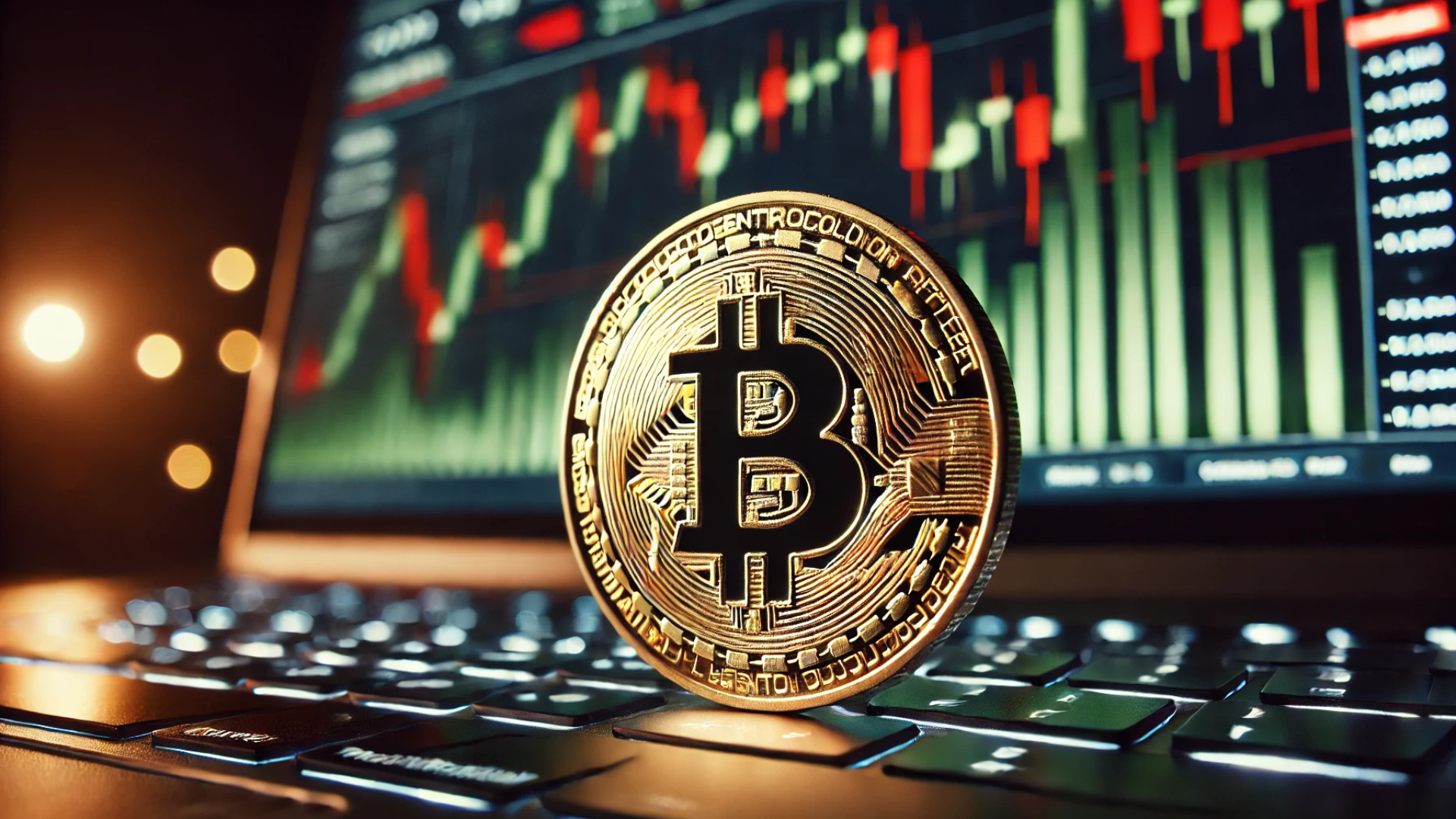
For example, if you expect to buy Bitcoin at $63,000 but your order executes at $63,150, the extra $150 represents negative slippage.
On the other hand, if your order fills below your expected price, you benefit from positive slippage.
Simply put, slippage is not a fee charged by an exchange. It is the natural result of changing market conditions and available liquidity.
Why does slippage happen?
Two primary factors cause slippage:
1. Low liquidity
Liquidity refers to how much of an asset is available for trading at current market prices.
Large cryptocurrencies like Bitcoin and Ethereum usually have deep liquidity, meaning large trades can execute with very little price movement.
Smaller tokens, however, often have limited liquidity. If your order is larger than the available supply at the quoted price, the remaining portion of your trade fills at progressively worse prices.
2. Market volatility
Even highly liquid markets experience slippage during periods of rapid price movement.
Major news events, economic announcements, or sudden buying and selling activity can cause prices to change within seconds.
If prices move while your order is waiting to be processed, your execution price may differ from the original quote.
In many cases, low liquidity and high volatility occur together, creating even larger slippage.
Slippage is different from price impact
Many traders use the terms interchangeably, but they describe different concepts.
Price impact is the price movement caused by your own order.
For example, if you place a very large buy order in a small liquidity pool, your purchase itself pushes the price higher.
Slippage, however, refers to additional price movement caused by changing market conditions while your transaction is waiting to execute.
Another separate trading cost is the spread, which is the difference between the highest buying price and the lowest selling price before your trade even begins.
Understanding these differences helps traders identify where their trading costs are actually coming from.
How slippage works on centralized and decentralized exchanges
Slippage behaves differently depending on where you trade.
Centralized exchanges
Centralized exchanges use traditional order books.
When you place a market order, your trade fills against available buy or sell orders. If there isn’t enough liquidity at the current price, your order moves through the order book and executes at multiple price levels.
Using limit orders can help avoid negative slippage because they only execute at your chosen price or better.
Decentralized exchanges
Decentralized exchanges (DEXs) use automated market makers (AMMs) instead of order books.
Prices are determined by liquidity pools rather than individual buyers and sellers.
As your trade changes the balance of assets inside the pool, the price automatically adjusts.
Large trades relative to the pool size create greater price impact, while network delays can introduce additional slippage before the transaction confirms.
This is why DEXs require users to choose a slippage tolerance before completing a swap.
Understanding slippage tolerance
Slippage tolerance is the maximum price movement you’re willing to accept before your trade is canceled.
For example:
- 0.5% tolerance: Your trade will fail if the price moves more than 0.5%.
- 2% tolerance: Your trade can still execute even after a larger price change.
Choosing the wrong tolerance can create problems.
A tolerance that is too low may cause repeated transaction failures during volatile markets, often leaving you to pay network fees for unsuccessful attempts.
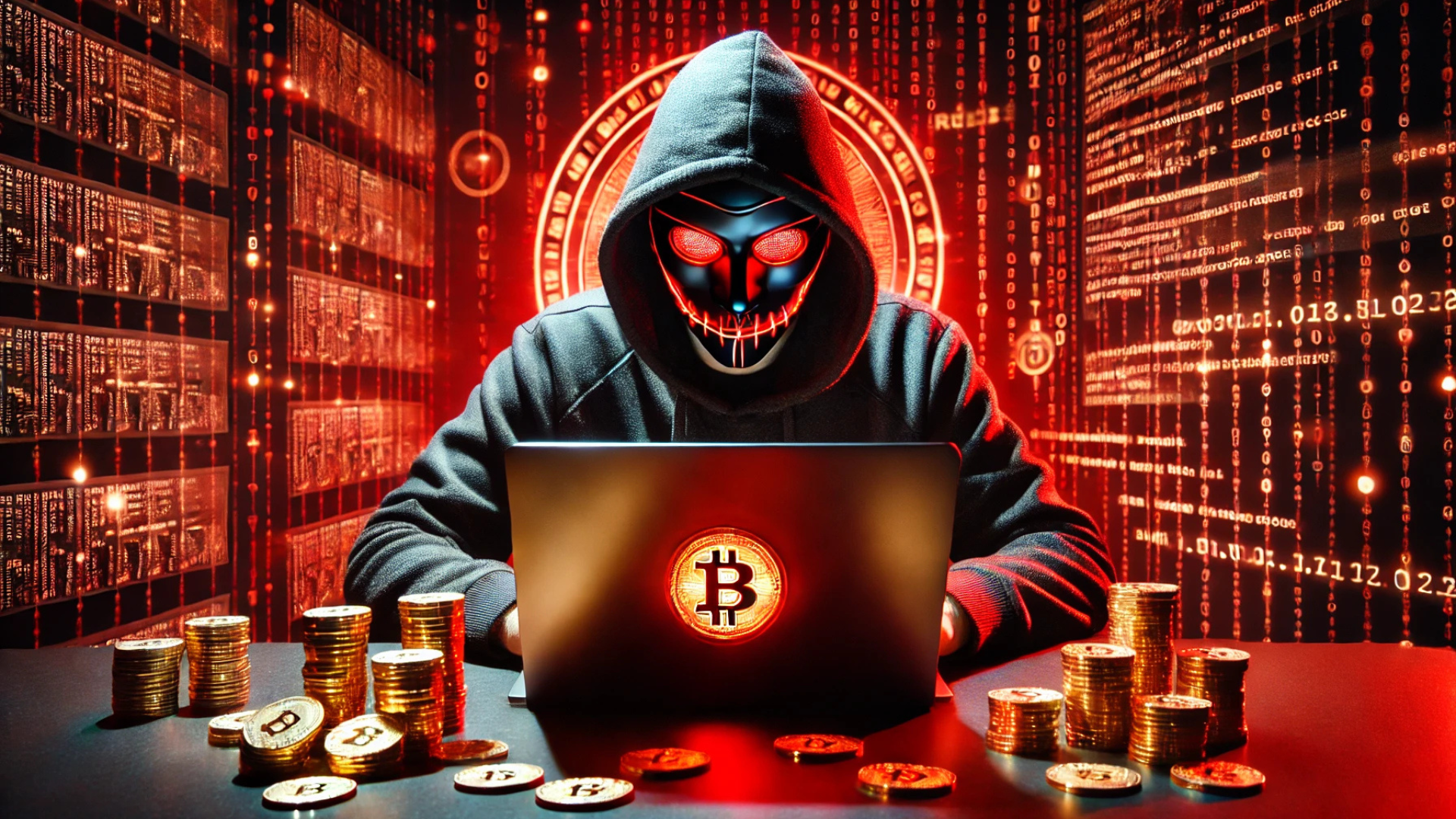
A tolerance that is too high can expose your trade to sandwich attacks, where automated bots manipulate prices before and after your transaction to profit at your expense.
Finding the right balance is essential for efficient trading.
How sandwich attacks exploit slippage
One of the biggest risks on decentralized exchanges comes from sandwich attacks.
Here’s how they work:
- A bot detects your pending transaction.
- It buys the asset before your trade executes.
- Your purchase pushes the price even higher.
- The bot immediately sells after your order fills, locking in a profit.
The higher your slippage tolerance, the more room these bots have to manipulate your transaction.
Many modern trading platforms now offer private transaction routing to reduce this risk.
Tips to reduce slippage
While slippage can’t be eliminated entirely, you can minimize it by following a few best practices:
- Trade highly liquid cryptocurrencies whenever possible.
- Avoid placing very large orders in low-liquidity markets.
- Use limit orders on centralized exchanges.
- Set realistic slippage tolerance based on market conditions.
- Trade during periods of lower volatility when possible.
- Split large orders into smaller transactions.
- Use decentralized exchanges with private transaction routing if available.
These simple strategies can significantly reduce unnecessary trading costs over time.
Why slippage matters
Many traders focus only on trading fees while overlooking slippage.
However, frequent slippage across dozens or hundreds of trades can easily exceed the fees charged by an exchange.
For active traders, reducing slippage can have a meaningful impact on long-term profitability.
Even small improvements in execution prices compound over time, making slippage management an important part of every trading strategy.
Final thoughts
Slippage is an unavoidable part of crypto trading, but understanding how it works allows traders to manage it more effectively.
By recognizing the difference between slippage, price impact, and spread, choosing appropriate slippage tolerance, and trading in liquid markets, investors can significantly reduce hidden trading costs.
Whether you’re trading on a centralized exchange or swapping tokens through a decentralized protocol, paying attention to slippage is one of the simplest ways to protect your returns and become a more informed crypto trader.