

Tokenized real-world assets (RWAs) spanning bonds, private credit, equities, real estate, and commodities are becoming one of blockchain’s fastest-growing frontiers. The on-chain RWA market now exceeds $24 billion, rising 380% in three years, and some analysts believe it could reach the trillions by the next decade.
Yet one pressing question remains: can tokenized finance truly scale beyond isolated experiments?
Despite surging momentum, growth is being throttled by fragmented compliance systems, inconsistent standards, and regulatory uncertainty the very factors eroding institutional trust and interoperability.
Fragmentation Is the Hidden Bottleneck
The current RWA landscape is a patchwork of platforms, each building its own compliance tools, transfer rules, and KYC/AML logic. This fragmentation forces developers to reinvent the wheel for every new token and leaves financial institutions wary of a space with no common playbook.
When each project implements a different compliance framework, liquidity fractures and operational costs balloon. A single compliance failure can taint the entire ecosystem’s credibility. Without shared standards, the market risks stalling long before reaching its multi-trillion-dollar potential.
Shared Standards Build Trust and Scale
In traditional finance, standardization from accounting frameworks to SWIFT messaging has long been the backbone of trust and efficiency. The same logic applies to tokenized assets.
A universal compliance interface signals reliability: that a token supports investor protections, regulatory alignment, and consistent risk controls by default. This shared foundation allows markets to scale safely and helps regulators view on-chain assets as legitimate instruments rather than experimental code.
ERC-7943: The Emerging Common Language for RWAs
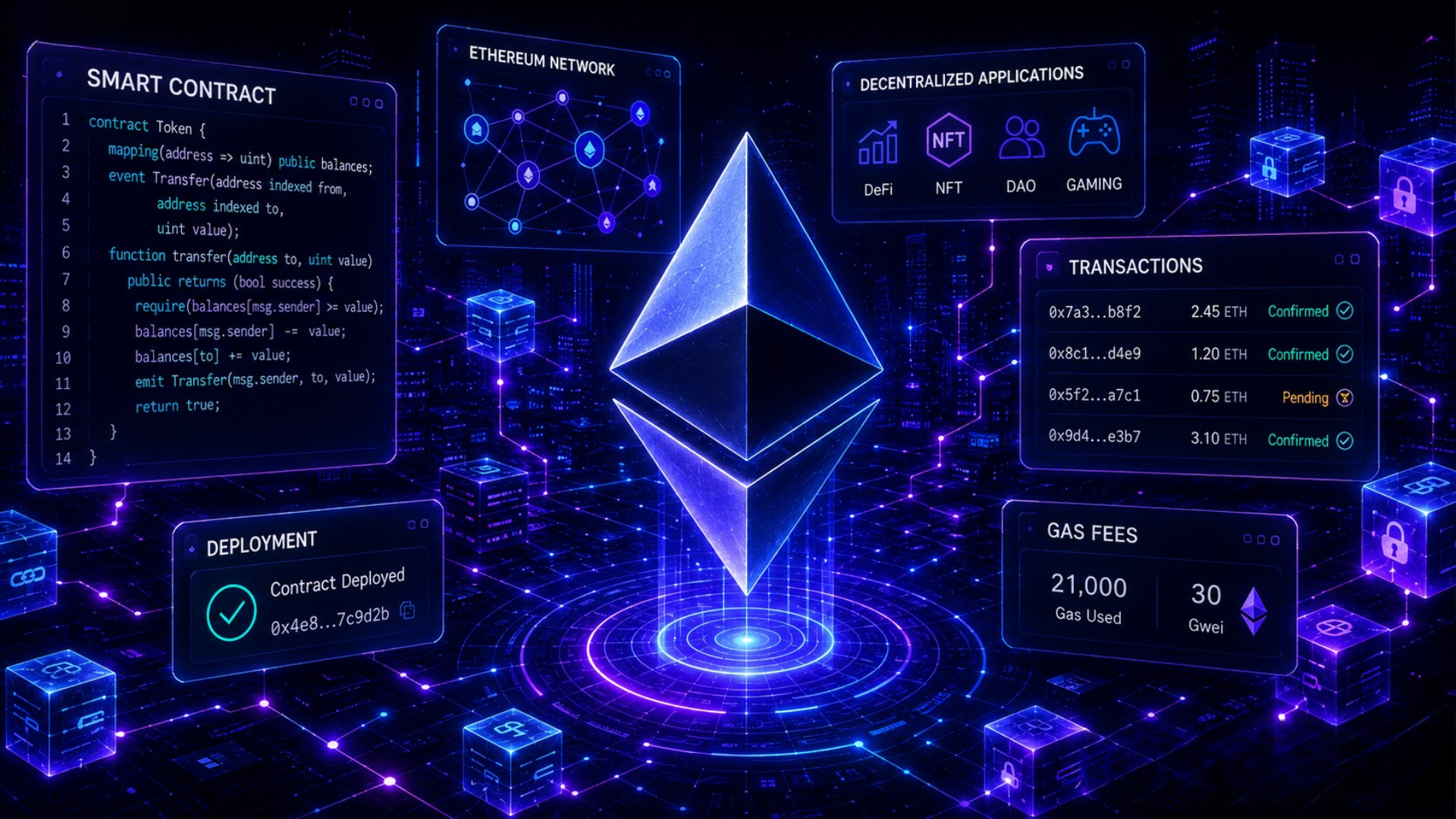
One promising solution is ERC-7943, also known as the Universal Real-World Asset Interface. Recently proposed on Ethereum, it aims to establish a minimal, modular, and interoperable compliance layer for any tokenized asset fungible or non-fungible across any EVM-compatible blockchain.
Rather than dictating how compliance must be implemented, ERC-7943 defines what capabilities must exist:
- Asset freezing
- Legally enforced transfer controls
- Verified user access (KYC/AML)
With this interface, a single decentralized exchange or lending protocol could support all ERC-7943-compliant assets without needing custom integrations for each issuer.
The result: cross-platform composability, lower development costs, and unified liquidity pools that transcend network silos.
Bridging TradFi and DeFi
Compliance is the key bridge between traditional finance (TradFi) and decentralized finance (DeFi). Institutions can only tokenize assets when regulatory guardrails are built in identity verification, transfer restrictions, and freeze functionality are essential.
ERC-7943 brings those mechanisms on-chain in a programmable, transparent, and auditable way. It lets blockchain assets behave like regulated securities while retaining the benefits of instant settlement and open-access markets.
In short, it creates a shared language between banks and blockchains, aligning regulatory needs with technical innovation.
Momentum Builds Toward an Open Standard
The push for ERC-7943 is already underway. A coalition of over ten global fintech and Web3 firms spanning digital securities, infrastructure, and cybersecurity sectors has backed the proposal. Early pilot tests are live, and both technical and legal experts are contributing feedback.
If broadly adopted, ERC-7943 could become to tokenized assets what ERC-20 was to fungible tokens: a foundation layer that unlocks exponential innovation. Once a compliance standard achieves critical mass, builders can focus on utility, not reinventing the basics.
The Road Ahead
Tokenized finance’s future isn’t limited by technology it’s limited by coordination. Shared compliance standards are the missing ingredient for trust, composability, and institutional adoption.
ERC-7943 represents a turning point: a credible attempt to unify fragmented frameworks and establish a legally compliant, cross-chain foundation for real-world assets.
If the industry rallies behind this standard, tokenization could evolve from isolated pilots to a scalable, global market infrastructure. If not, fragmentation may continue to hold back the very innovation it promised.
Ultimately, tokenized finance will scale only as far as its standards allow. With ERC-7943, that foundation is finally being built.