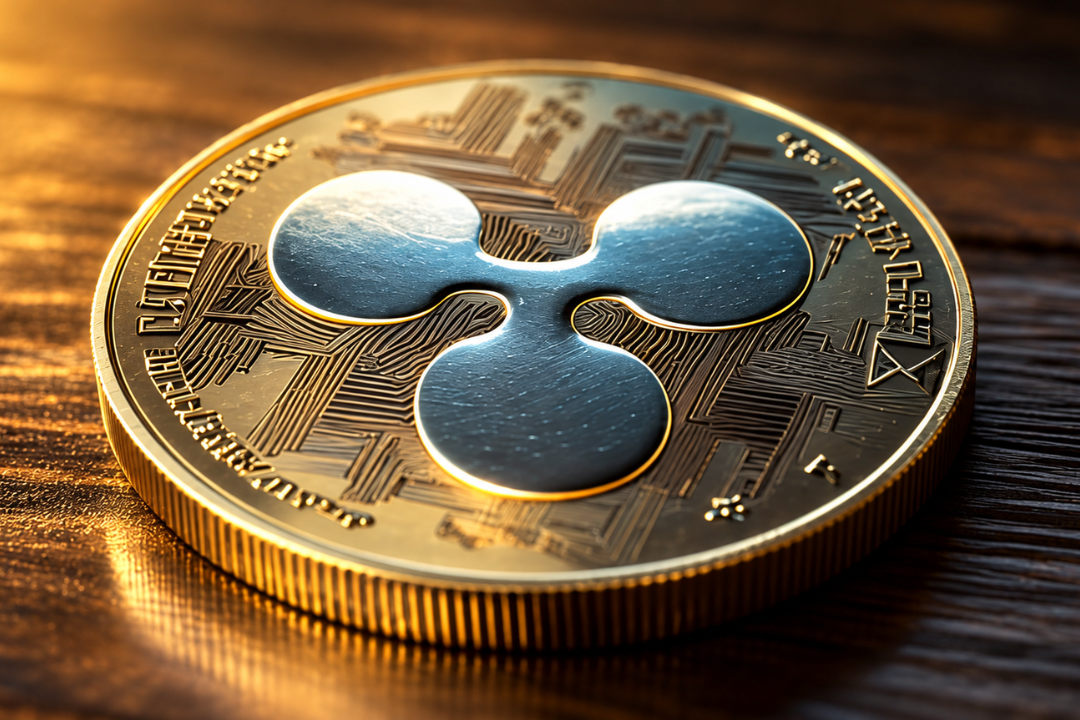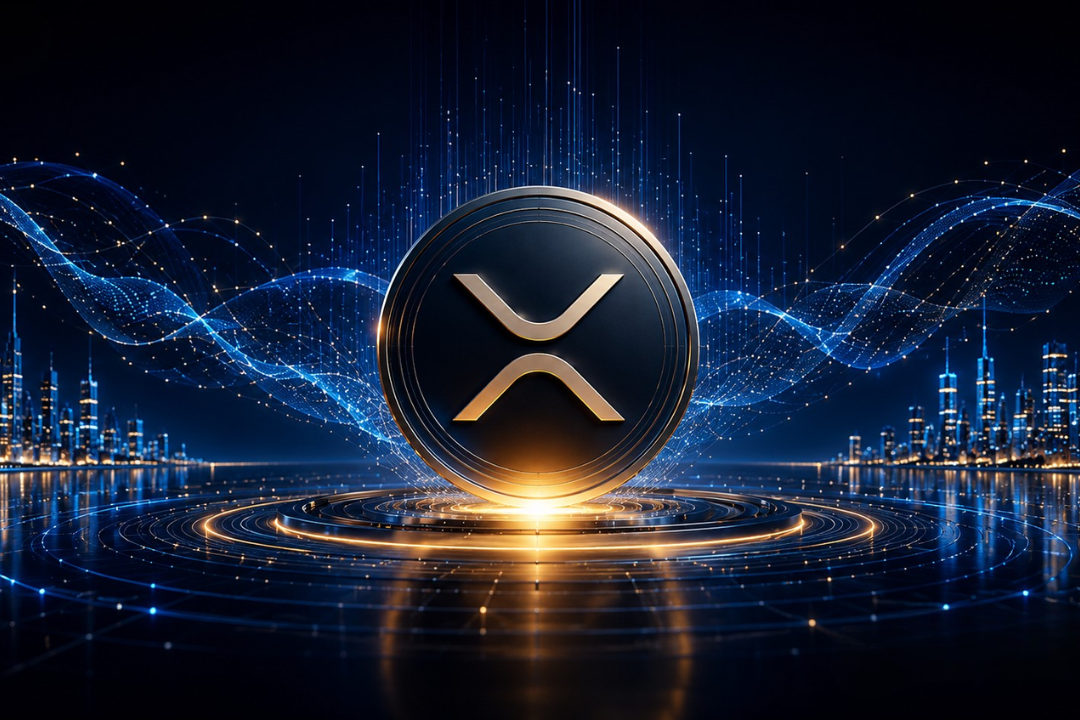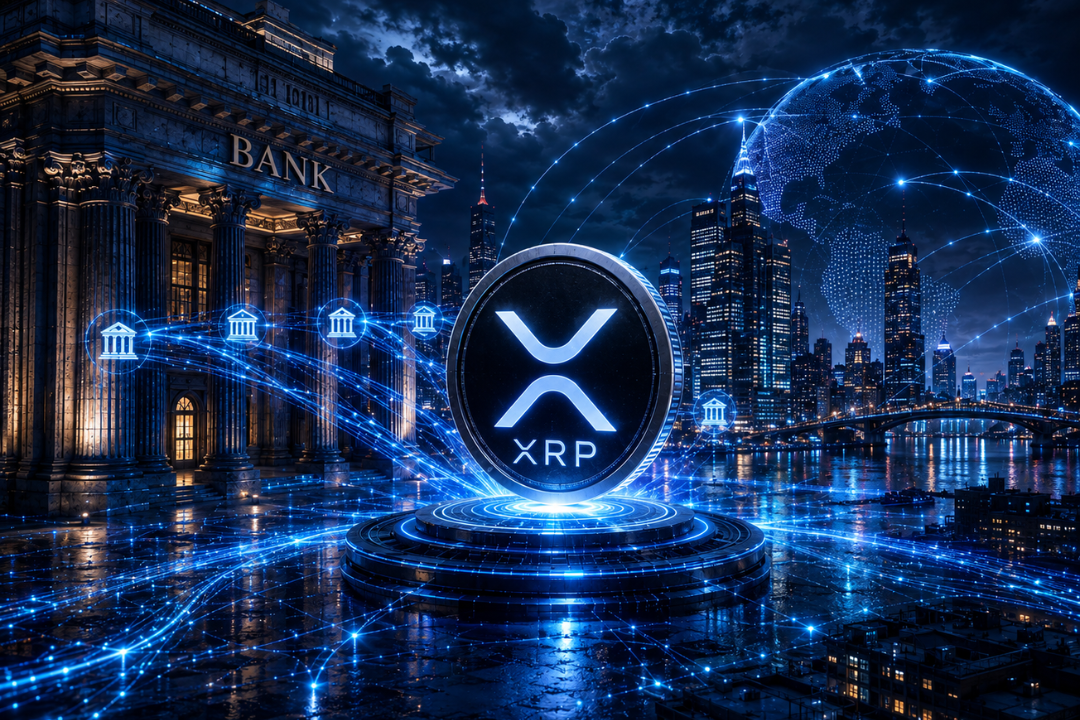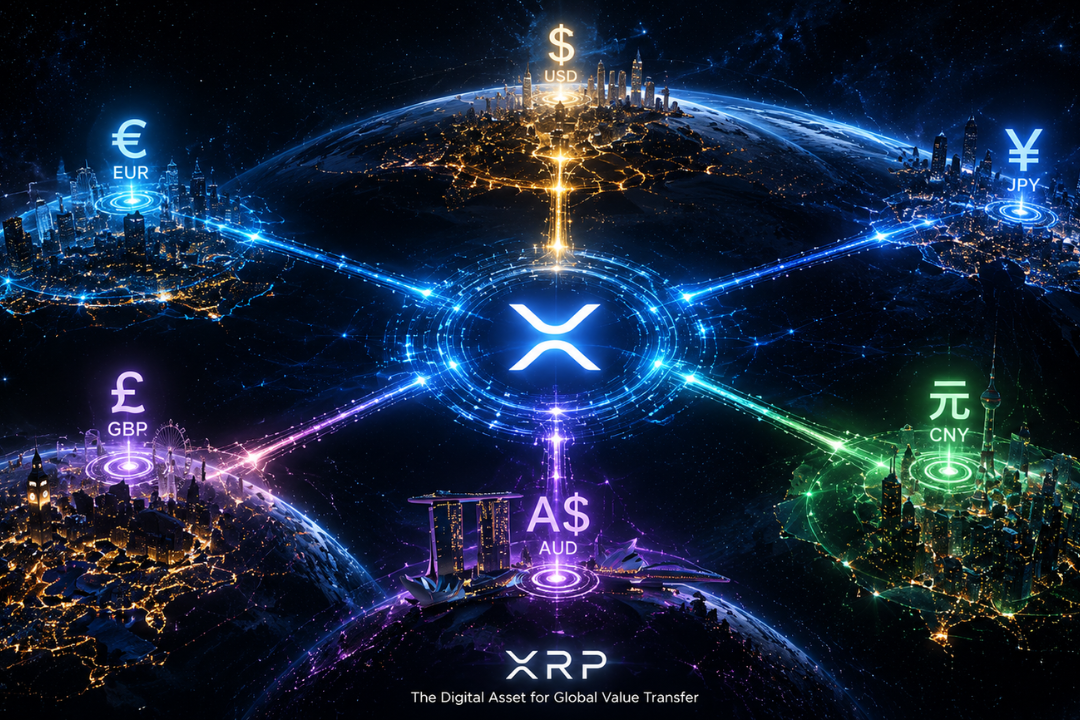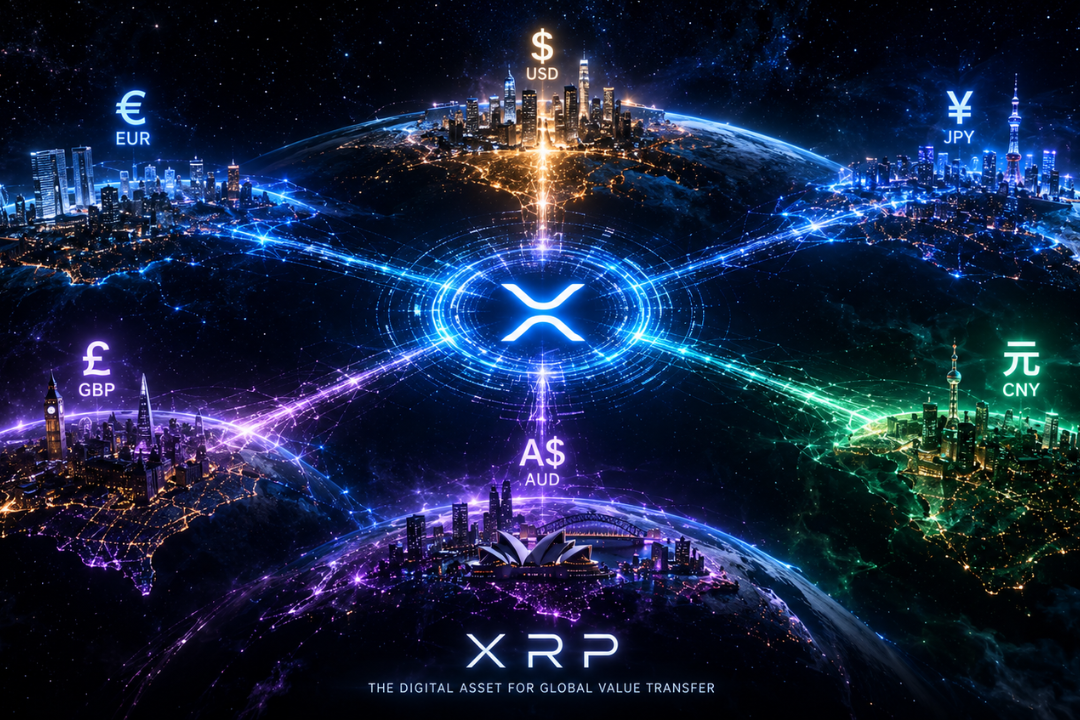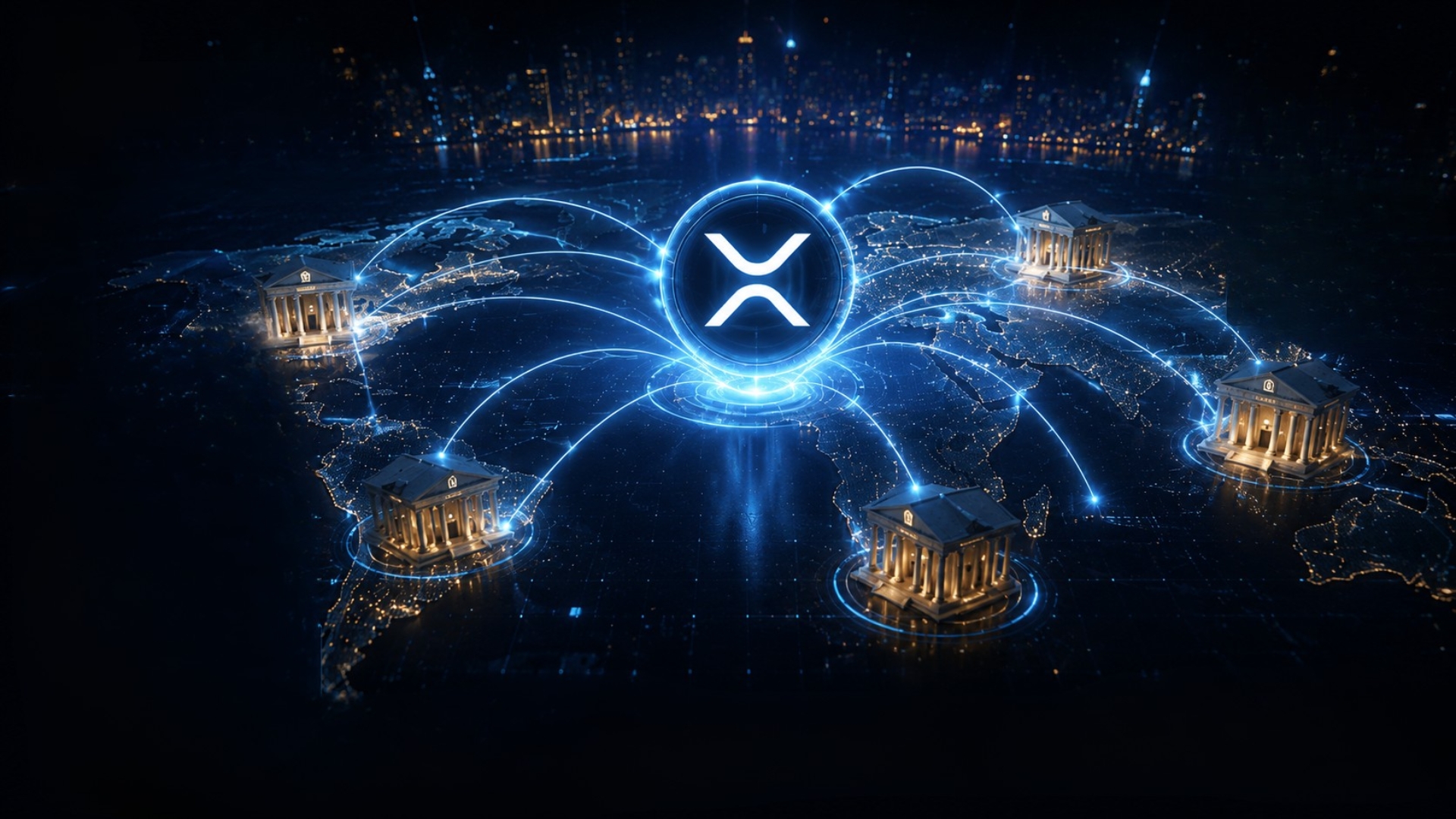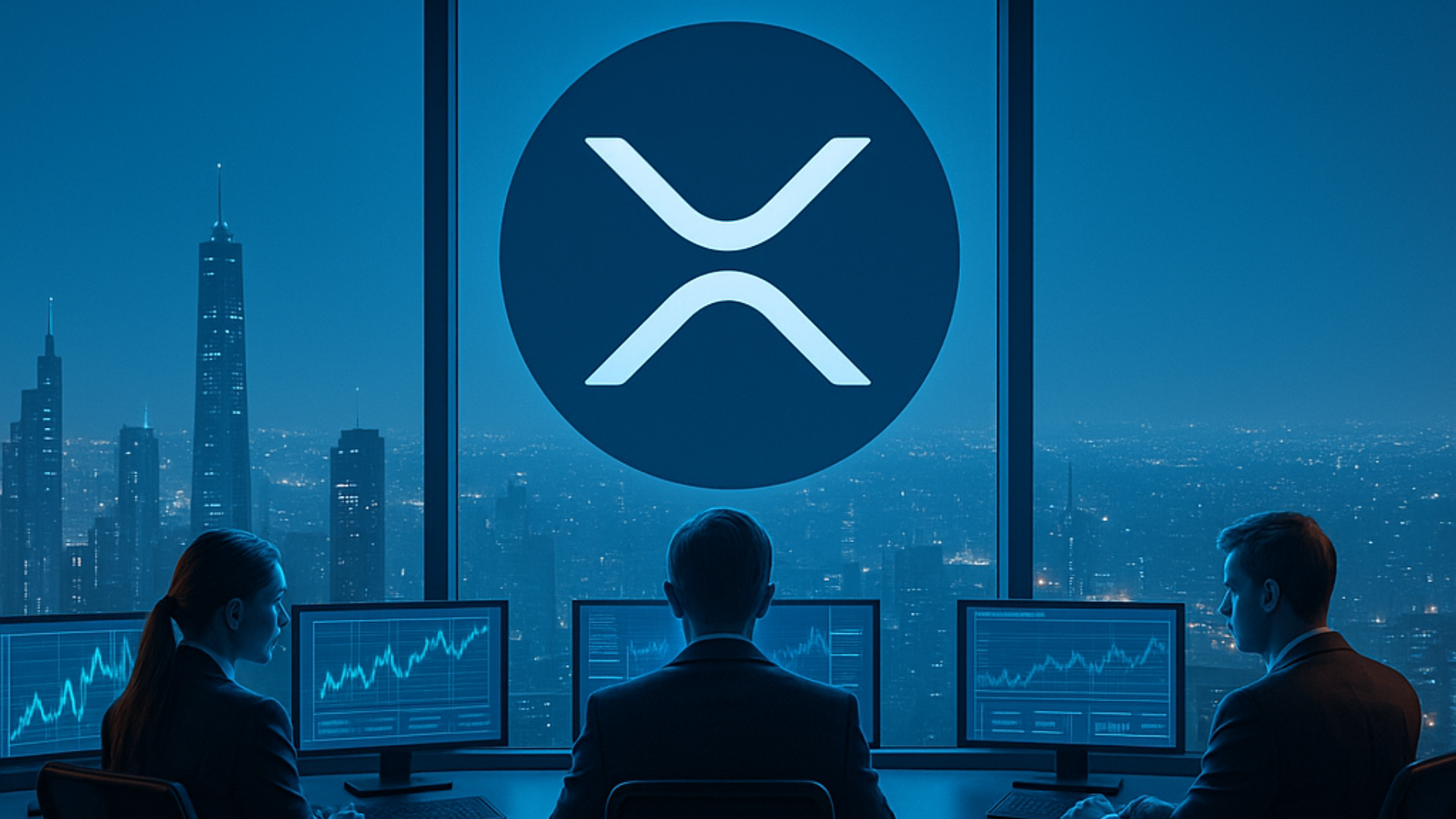

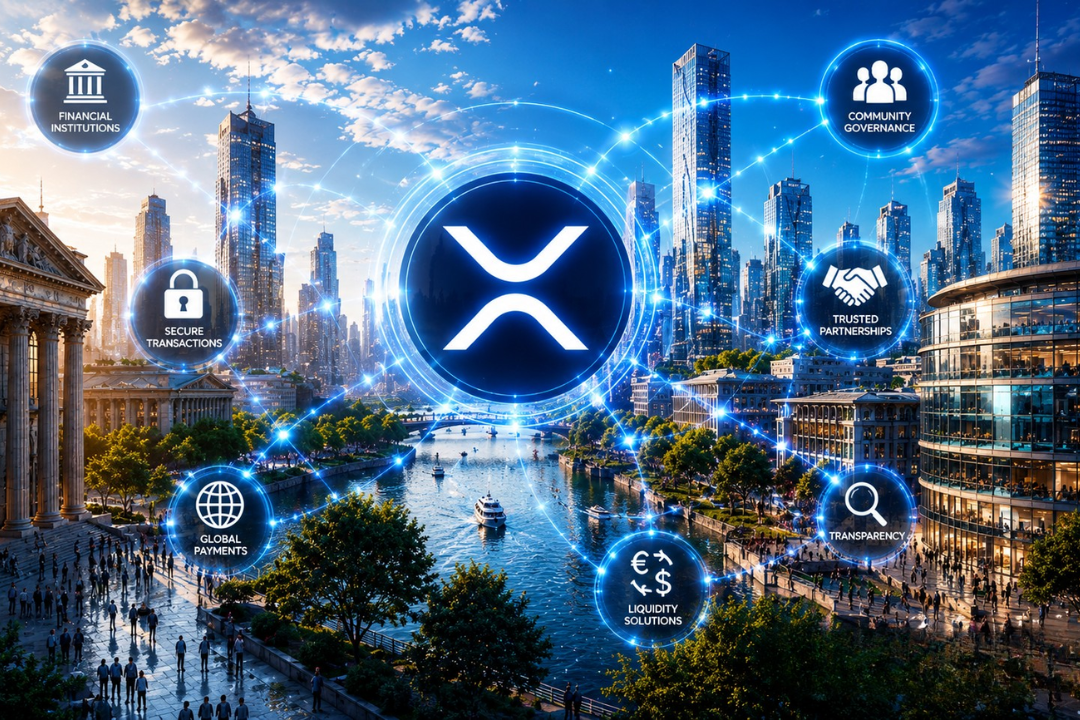
Ripple has spent much of 2026 securing partnerships that many blockchain companies can only dream of.
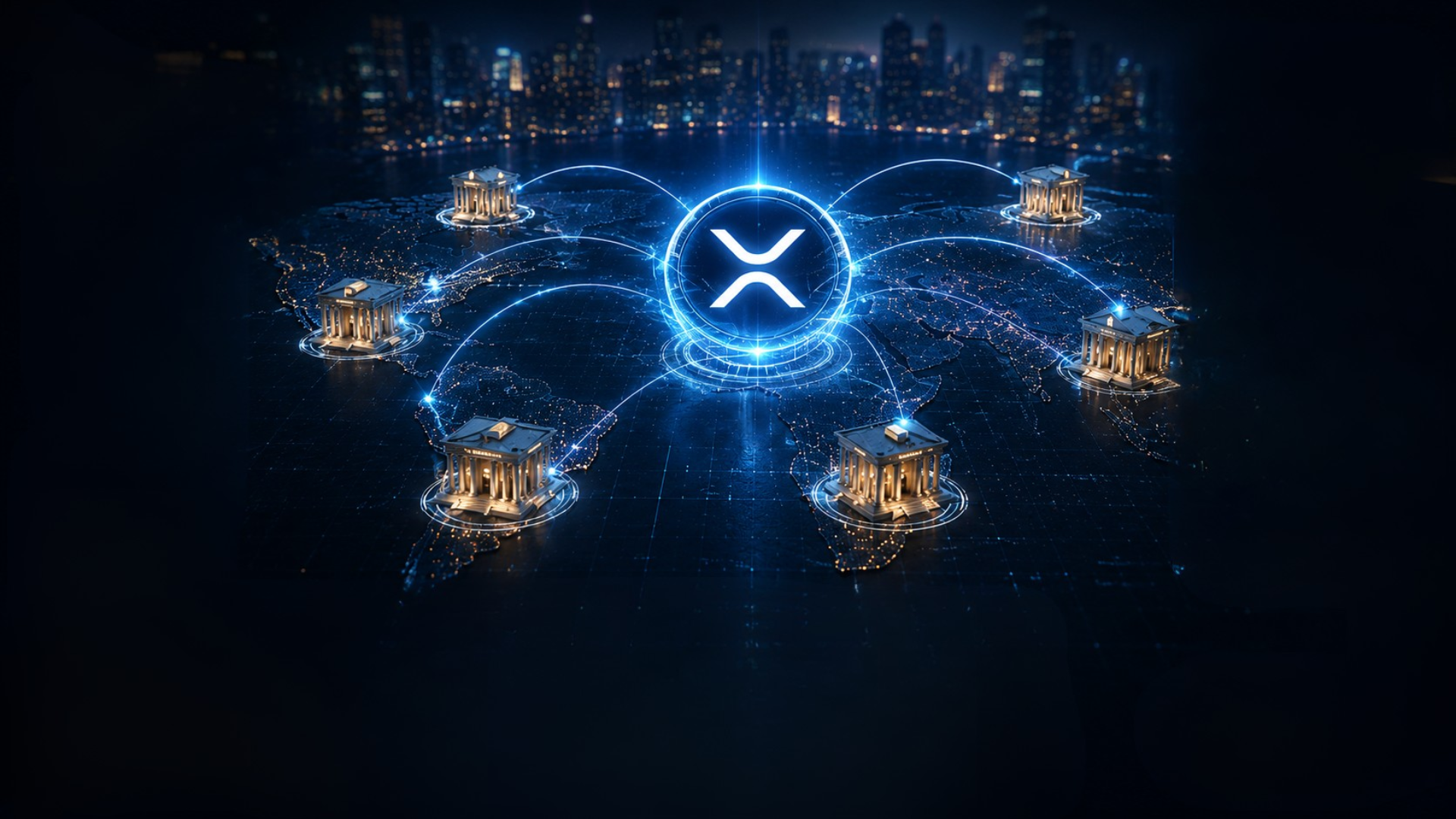
The company has worked with financial giants including JPMorgan, Deutsche Bank, Mastercard, SBI Holdings, and Ondo Finance, while expanding its stablecoin and cross-border payment infrastructure across multiple regions.
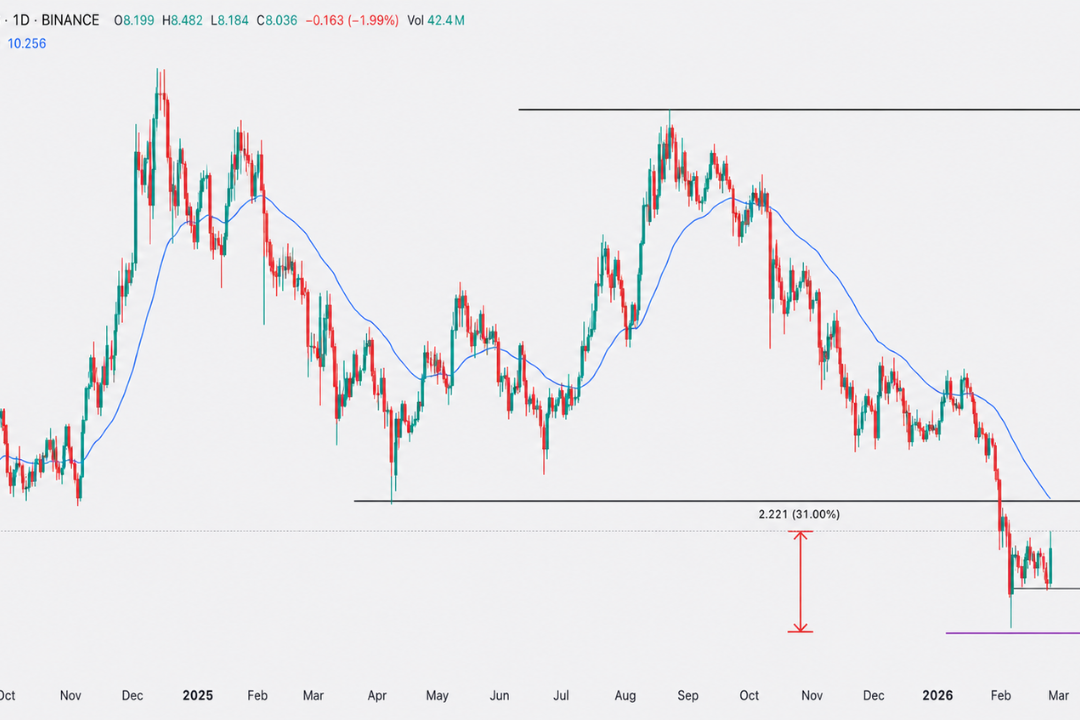
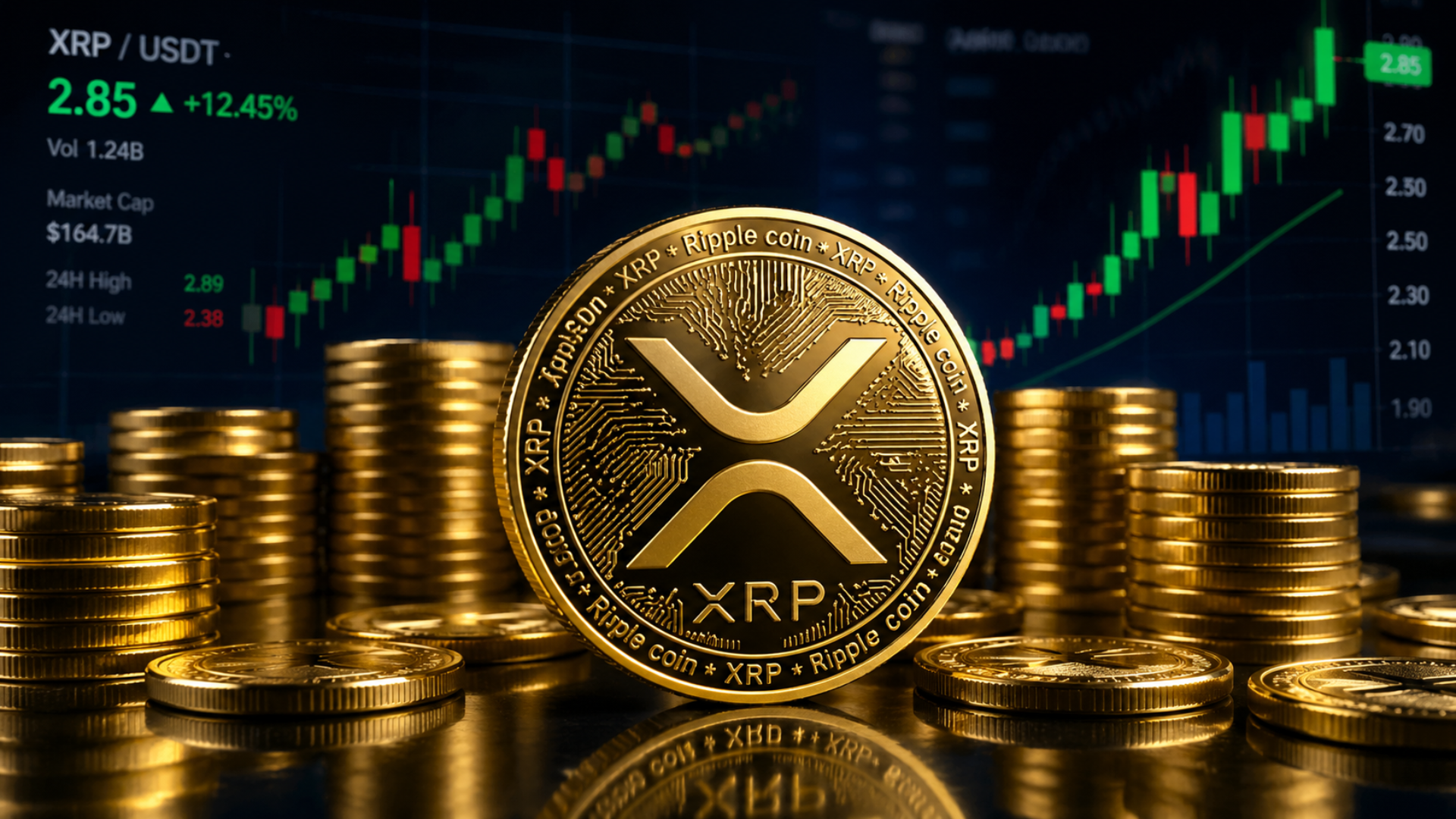
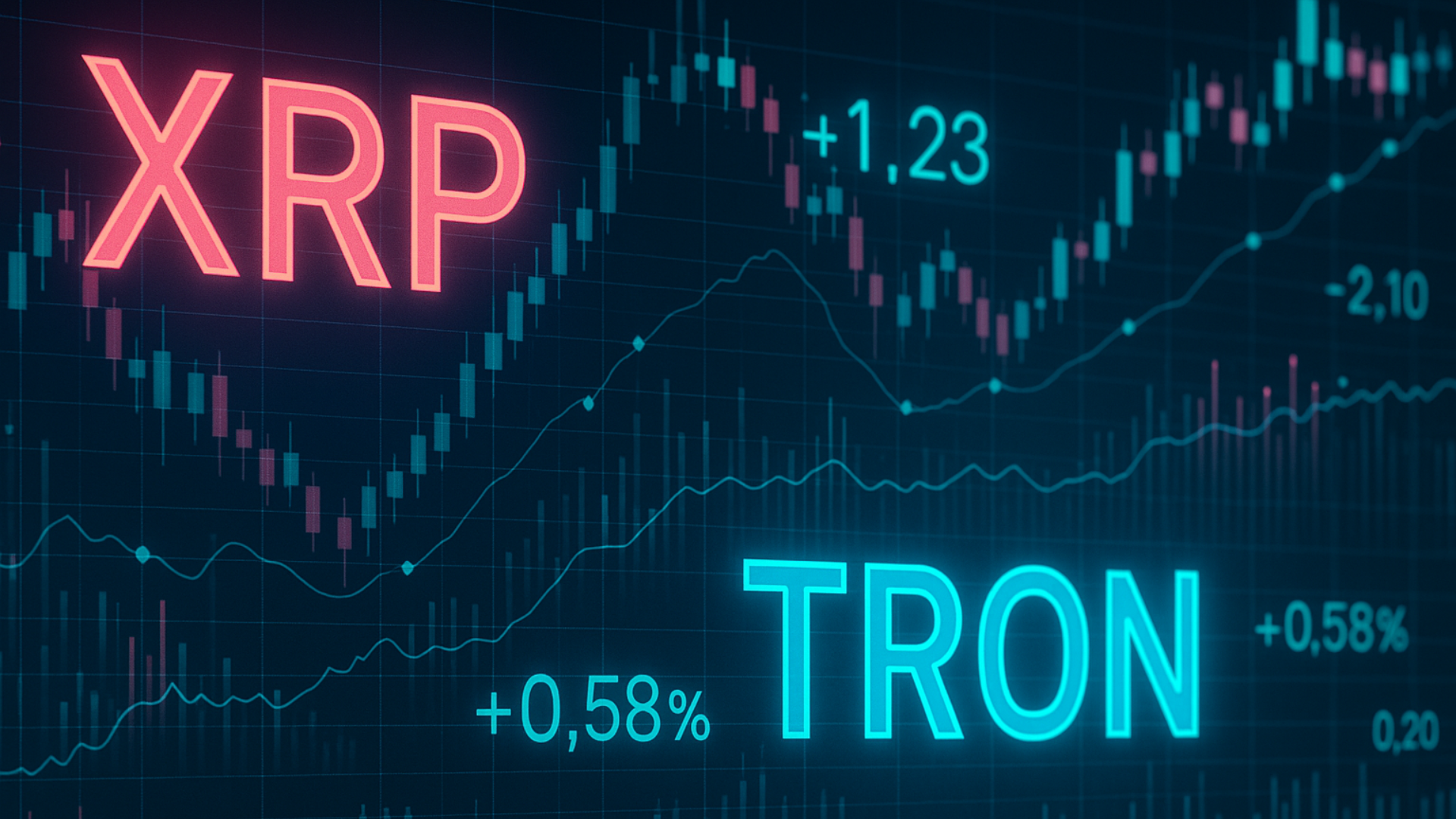
Despite these achievements, XRP has struggled to reflect the company’s progress. The token continues trading near the $1 mark, well below previous highs and beneath several key technical indicators.
This disconnect has left many investors asking the same question: If Ripple keeps winning, why isn’t XRP rising?
The answer lies in understanding the difference between Ripple’s business success and XRP’s role within its ecosystem.
Ripple’s Institutional Expansion Continues
Throughout 2026, Ripple has strengthened its position in global finance through a series of high-profile partnerships.
Among its biggest milestones was the successful settlement of a tokenized U.S. Treasury redemption involving JPMorgan, Mastercard, Ondo Finance, and the XRP Ledger. The transaction reportedly settled in just a few seconds, demonstrating how blockchain technology can significantly reduce settlement times compared to traditional financial systems.
Ripple has also expanded relationships with major financial institutions, including Deutsche Bank, while continuing to grow its presence in international payments.
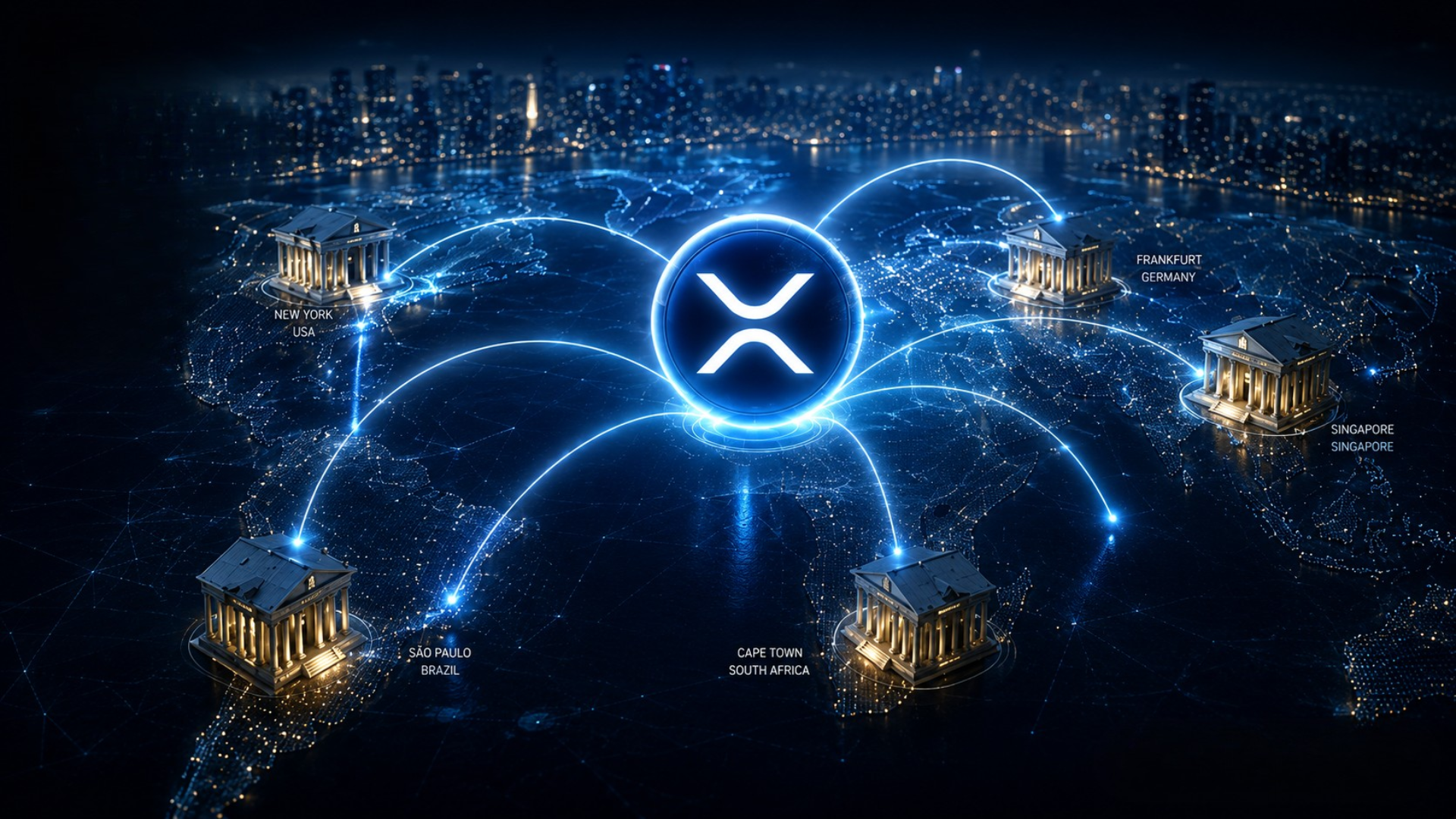
In Japan, the company launched its U.S. dollar-backed stablecoin through longtime partner SBI Holdings, marking another important step in its global expansion strategy.
Ripple has also entered new markets through partnerships supporting payment corridors in Latin America and Africa.
Taken together, these developments represent significant progress toward Ripple’s long-term vision of modernizing global financial infrastructure.
XRP Hasn’t Followed the Headlines
Despite the steady stream of positive announcements, XRP has remained under pressure.
The token has traded near $1, declined noticeably over the past month, and continued trading below several important moving averages.
From a market perspective, XRP has shown relatively little reaction to many of Ripple’s biggest corporate achievements.
This has become a familiar pattern for long-time XRP investors.
Major announcements frequently generate optimism, yet the price often struggles to sustain meaningful rallies.
The Key Difference Between Ripple and XRP
One of the biggest misconceptions in the crypto market is assuming Ripple’s success automatically translates into higher demand for XRP.
While Ripple developed the XRP Ledger, the company and the cryptocurrency are separate.
Ripple is a technology company.
XRP is a digital asset that operates on the XRP Ledger.
As Ripple has expanded its institutional services, many of those products increasingly rely on RLUSD, Ripple’s U.S. dollar-backed stablecoin, rather than XRP itself.
This distinction has become increasingly important throughout 2026.
RLUSD Is Playing a Bigger Role
Ripple’s stablecoin, RLUSD, has become one of the company’s fastest-growing products.
Rather than asking banks to settle transactions using a volatile cryptocurrency, Ripple allows institutions to settle payments using a stable digital dollar.
That approach better fits the needs of traditional financial institutions, which generally prefer stable assets for large-value settlements.
For example, during Ripple’s tokenized Treasury settlement involving JPMorgan and other partners, RLUSD served as the settlement asset while the XRP Ledger provided the blockchain infrastructure.
In many of these transactions, XRP itself is primarily used to pay small network transaction fees rather than acting as the primary settlement currency.
As RLUSD adoption grows, Ripple’s institutional business can continue expanding without necessarily creating proportional buying demand for XRP.
Infrastructure Growth Doesn’t Always Mean Token Demand
Ripple’s recent partnerships demonstrate growing confidence in its technology.
However, investors increasingly distinguish between:
- Adoption of Ripple’s payment infrastructure
- Direct demand for XRP
A financial institution using Ripple’s blockchain infrastructure does not automatically need to purchase large amounts of XRP.
Instead, many enterprises utilize:
- RLUSD
- Tokenized assets
- Stablecoin-based settlement
- XRP Ledger infrastructure
While these developments strengthen Ripple’s ecosystem, their direct impact on XRP demand is often smaller than many investors expect.
XRP Still Faces Supply Pressure
Another challenge comes from XRP’s token supply.
Ripple continues managing a large escrow reserve that periodically releases XRP into circulation.
Although much of the released supply is typically returned to escrow, hundreds of millions of XRP can still enter the market over time.
This ongoing supply increases the amount of demand required simply to maintain current price levels.
Meanwhile, transaction fees burned on the XRP Ledger remain relatively small and do not significantly offset new supply entering circulation.
As a result, institutional adoption must grow substantially before it can overcome this structural supply pressure.
Regulatory Progress Has Improved XRP’s Position
Despite its price performance, XRP has achieved several important milestones.
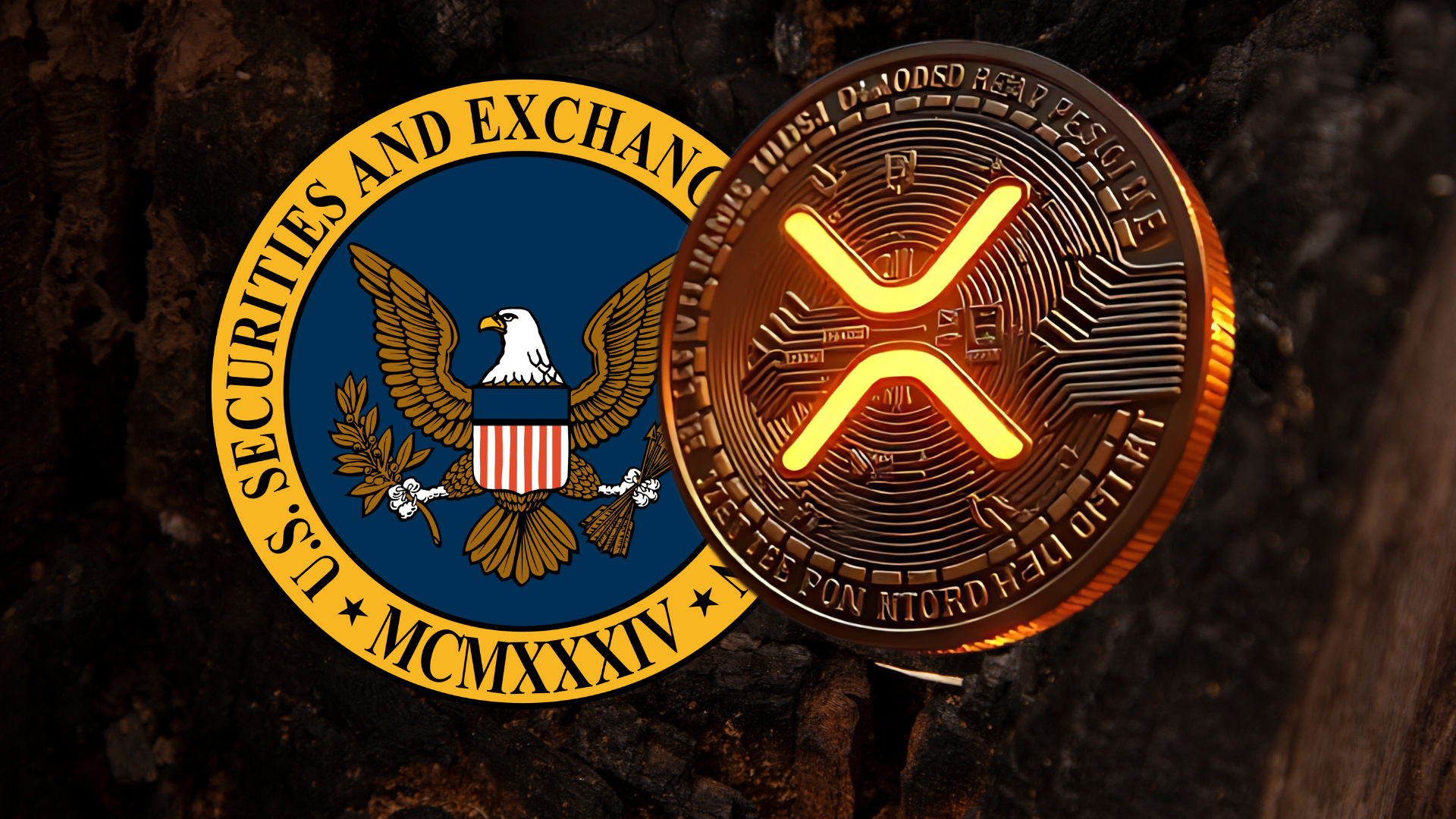
Ripple’s lengthy legal dispute with the U.S. Securities and Exchange Commission concluded with significant regulatory clarity for XRP in public markets.
That clarity has opened the door for greater institutional participation.
Spot XRP exchange-traded funds have also attracted growing investment, with assets under management exceeding $1 billion.
Institutional investors continue accumulating XRP even during periods of market weakness, suggesting long-term interest remains intact.
The XRP Ledger Continues to Evolve
Beyond payments, the XRP Ledger has continued expanding its capabilities.
Recent developments include:
- Tokenized real-world assets
- Institutional financial tools
- Native lending functionality
- Permissioned decentralized finance features
These upgrades are intended to make the network more attractive to financial institutions and enterprise users.
However, broader adoption of the ledger still does not automatically translate into significantly higher XRP demand unless those services require the token itself.
Competition Remains Strong
Ripple also operates in a highly competitive blockchain industry.
While the company continues signing new partners, institutional customers have multiple blockchain platforms to choose from.
Some previous Ripple partners have explored alternative blockchain networks as their business needs evolved.
This highlights an important reality:
Winning one institutional partnership does not guarantee long-term exclusivity.
Ripple must continue competing for adoption alongside other blockchain ecosystems.
What Could Drive XRP Higher?
For XRP to better reflect Ripple’s corporate progress, several developments would likely need to occur simultaneously.
Potential catalysts include:
- Greater use of XRP within institutional settlement
- Higher on-chain transaction volumes
- Continued ETF inflows
- Additional regulatory clarity
- Expanded enterprise adoption requiring XRP directly
Perhaps the most significant regulatory catalyst would be further legislative clarity in the United States, which could encourage broader institutional participation in XRP markets.
The Bottom Line
Ripple’s achievements throughout 2026 have demonstrated that the company continues making meaningful progress in institutional finance.
Partnerships with global banks, payment companies, and financial institutions reinforce Ripple’s long-term strategy of modernizing cross-border payments and digital asset infrastructure.
However, the market increasingly recognizes that Ripple’s business success does not automatically create direct buying pressure for XRP.
Much of the company’s institutional activity now revolves around RLUSD and the broader XRP Ledger rather than XRP itself.
That distinction helps explain why Ripple’s impressive list of partnerships has not yet translated into sustained gains for the token.
For XRP investors, the key question is no longer whether Ripple can continue signing major institutions—it is whether those partnerships eventually generate meaningful, recurring demand for XRP itself.
Disclaimer: This article is for informational purposes only and should not be considered financial or investment advice. Cryptocurrency investments involve risk, and investors should conduct their own research before making financial decisions.