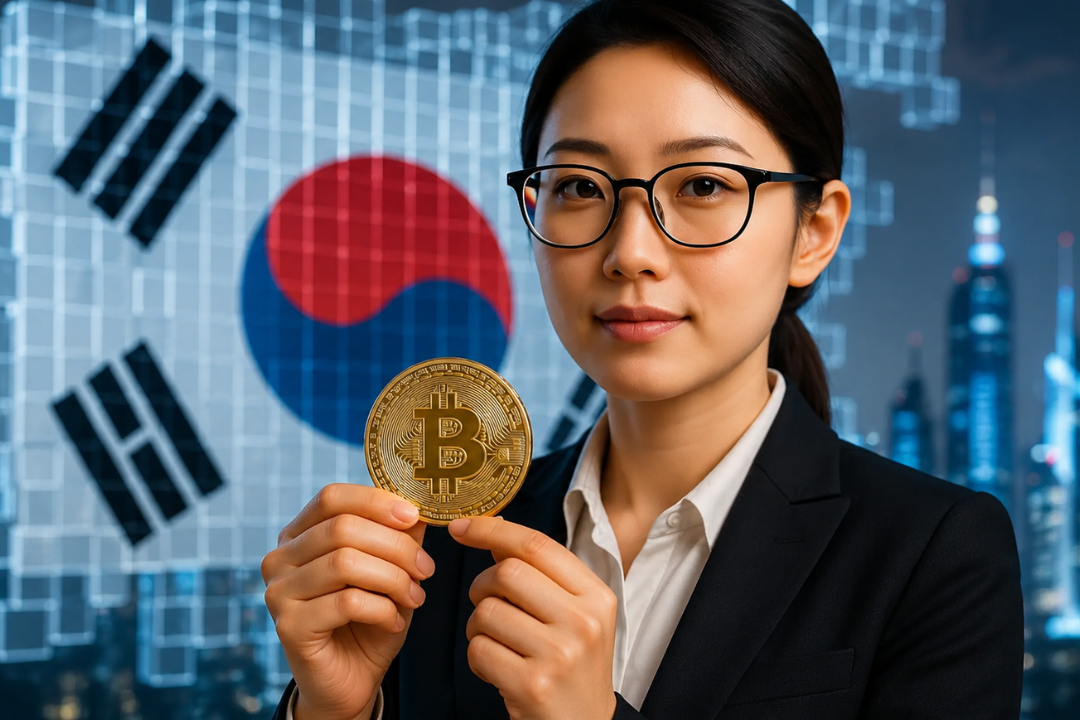


South Korea is preparing to end a nearly decade-long ban on corporate cryptocurrency investments, marking a significant shift in the country’s approach to digital assets as regulators continue to warm to the sector.
According to local media reports, the Financial Services Commission has drafted new guidelines that would allow listed companies and professional investors to gain limited exposure to cryptocurrencies. The framework is expected to be finalized by February, with corporate trading potentially beginning by the end of 2026.
Under the proposed rules, eligible firms would be permitted to allocate up to 5% of their equity capital each year to crypto investments. However, purchases would be restricted to the top 20 cryptocurrencies by market capitalization that are listed on South Korea’s five major exchanges. Regulators are also debating whether stablecoins such as USDT should be included among approved investment assets.
The announcement has been broadly welcomed by the digital asset industry, which sees the move as a long-overdue step toward integrating crypto into South Korea’s financial system. Still, some industry participants have raised concerns that the proposed investment cap could limit competitiveness.
Critics argue that jurisdictions such as the United States, Japan, and the European Union impose no comparable restrictions on corporate crypto holdings. As a result, they warn that South Korea’s conservative limits could discourage capital inflows and hinder the development of specialized digital asset investment firms.
“Investment limits that do not exist overseas could weaken fund inflows and prevent the emergence of dedicated virtual asset investment companies,” one industry insider was quoted as saying.
South Korea’s evolving stance on crypto
South Korea first banned corporate crypto investments and initial coin offerings in 2017, citing concerns that cryptocurrencies posed systemic risks and encouraged speculative behavior rather than productive economic activity.
Since then, regulatory attitudes have gradually softened. Under the administration of Lee Jae-myung, who took office in 2025 with a more crypto-friendly agenda, authorities have taken steps to reintroduce digital assets into the broader financial framework.
Last year, regulators began allowing non-profit organizations and crypto exchanges to liquidate crypto holdings for financial management purposes, signaling a cautious but steady shift in policy.
Despite the progress, broader crypto rule-making has faced delays. The long-anticipated Digital Asset Basic Law, which aims to establish comprehensive standards for stablecoin issuance, custody, and investor protection, has been postponed until 2026.
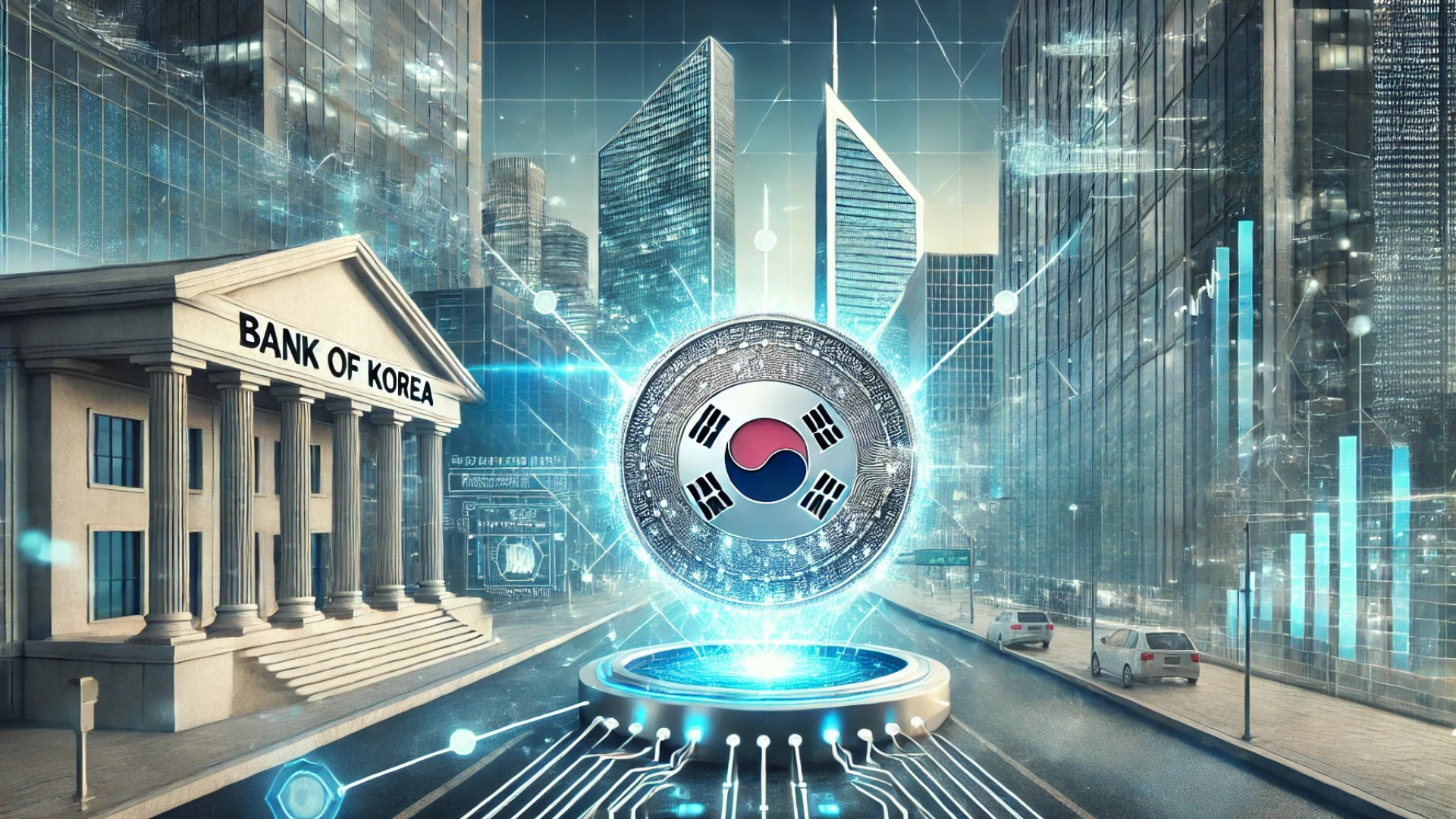
Regulators are also debating whether oversight of stablecoin reserves should fall under the FSC or the Bank of Korea, as well as which institutions should be permitted to issue won-pegged stablecoins under the upcoming regulatory framework.
If approved as planned, the lifting of the corporate investment ban could mark a pivotal moment for South Korea’s digital asset market, opening the door for greater institutional participation while maintaining a tightly controlled regulatory approach.