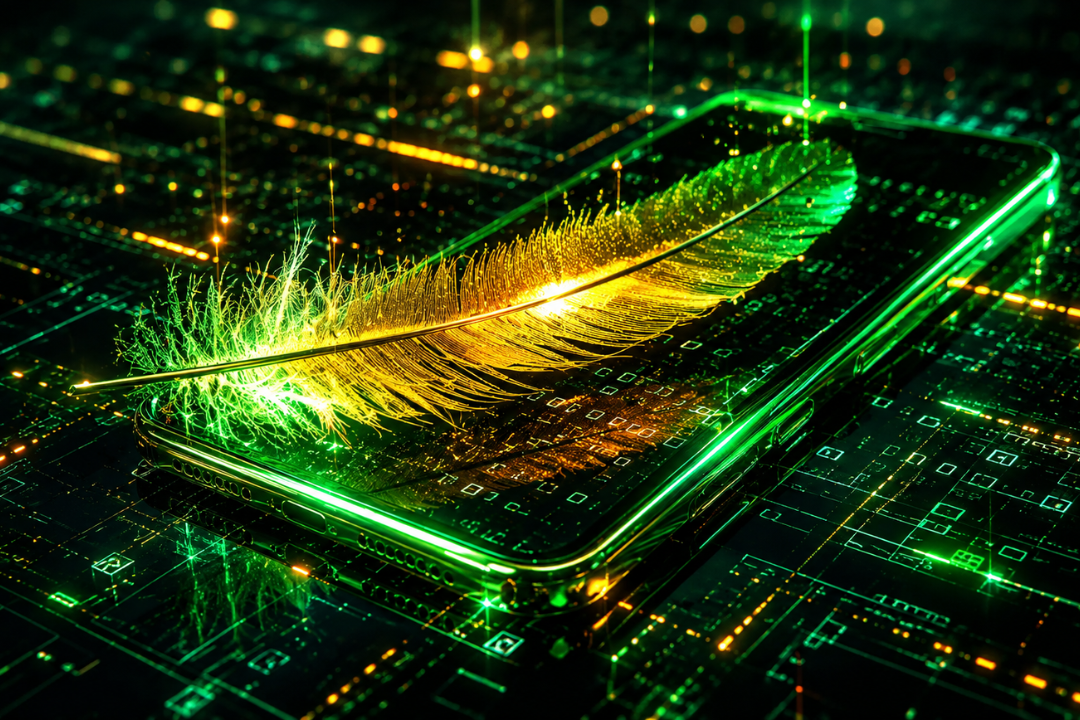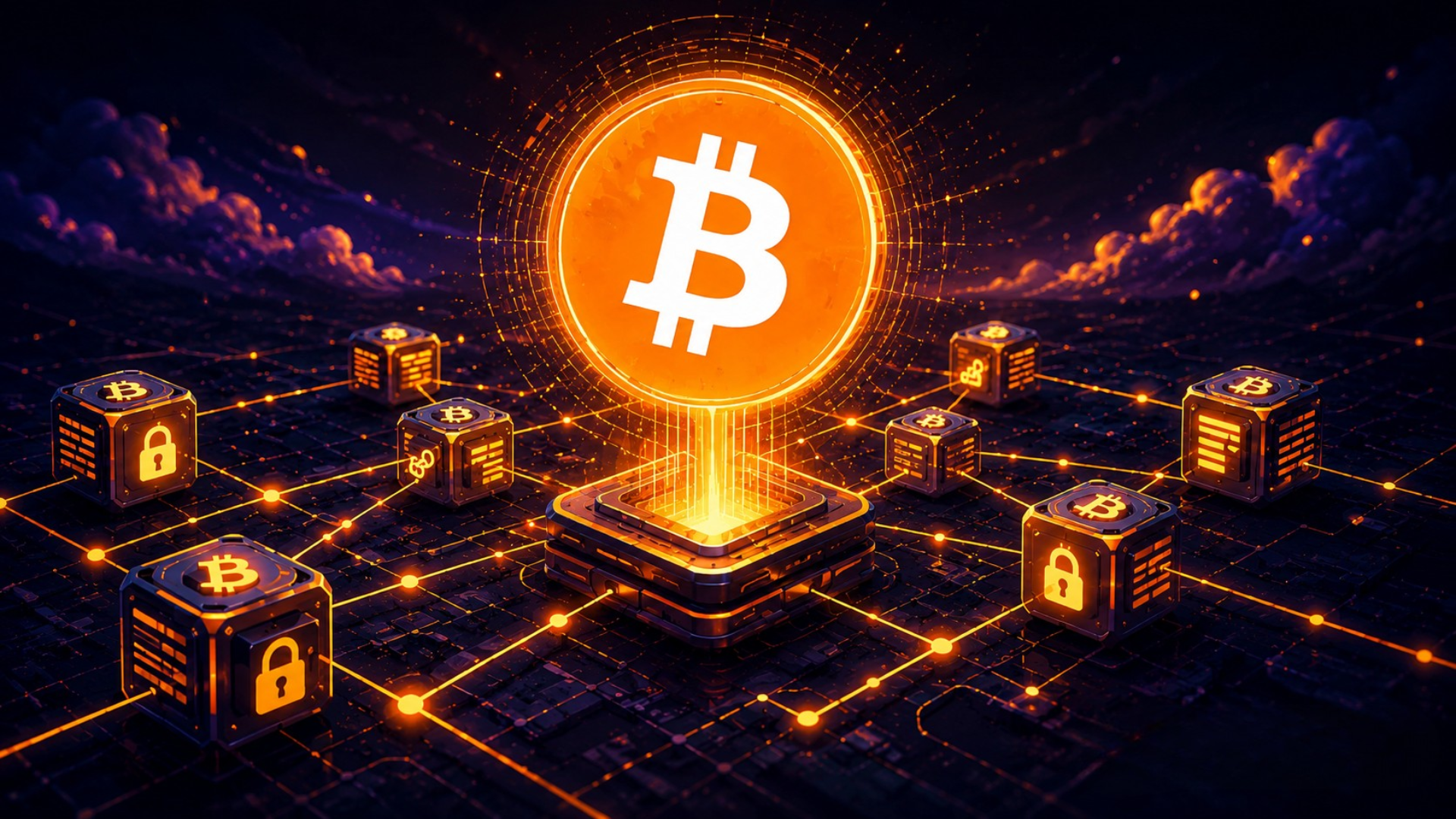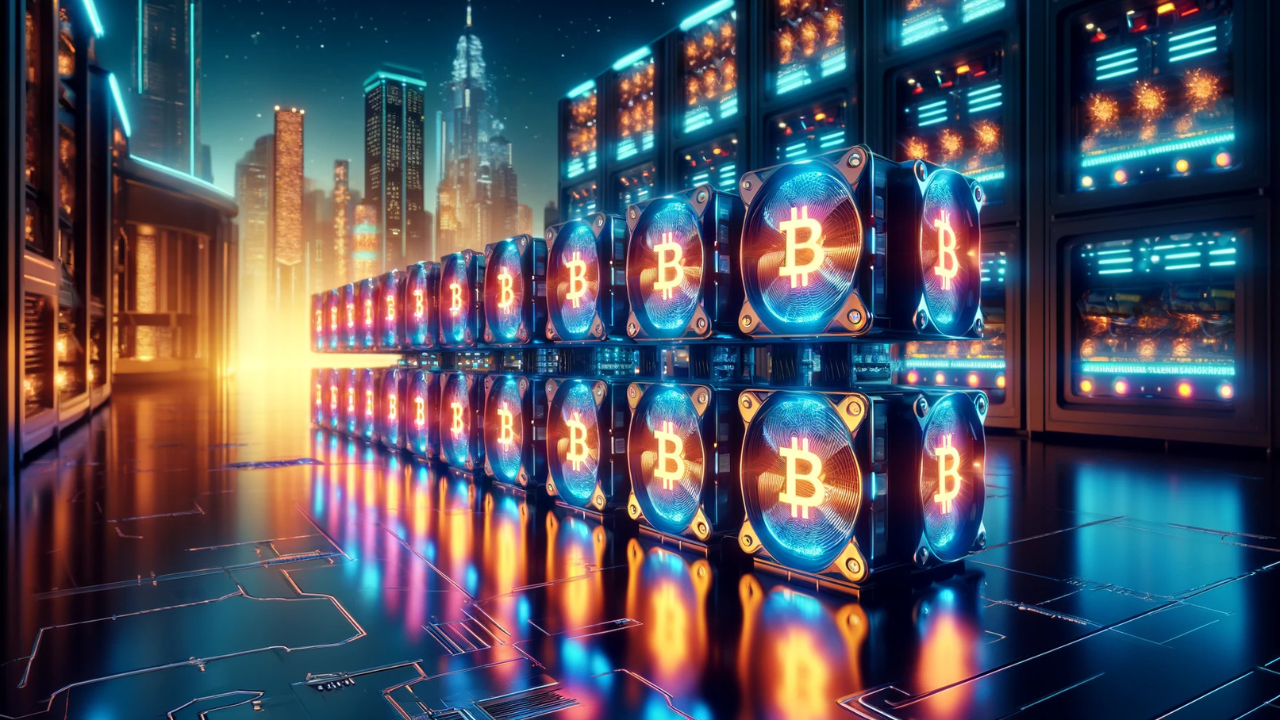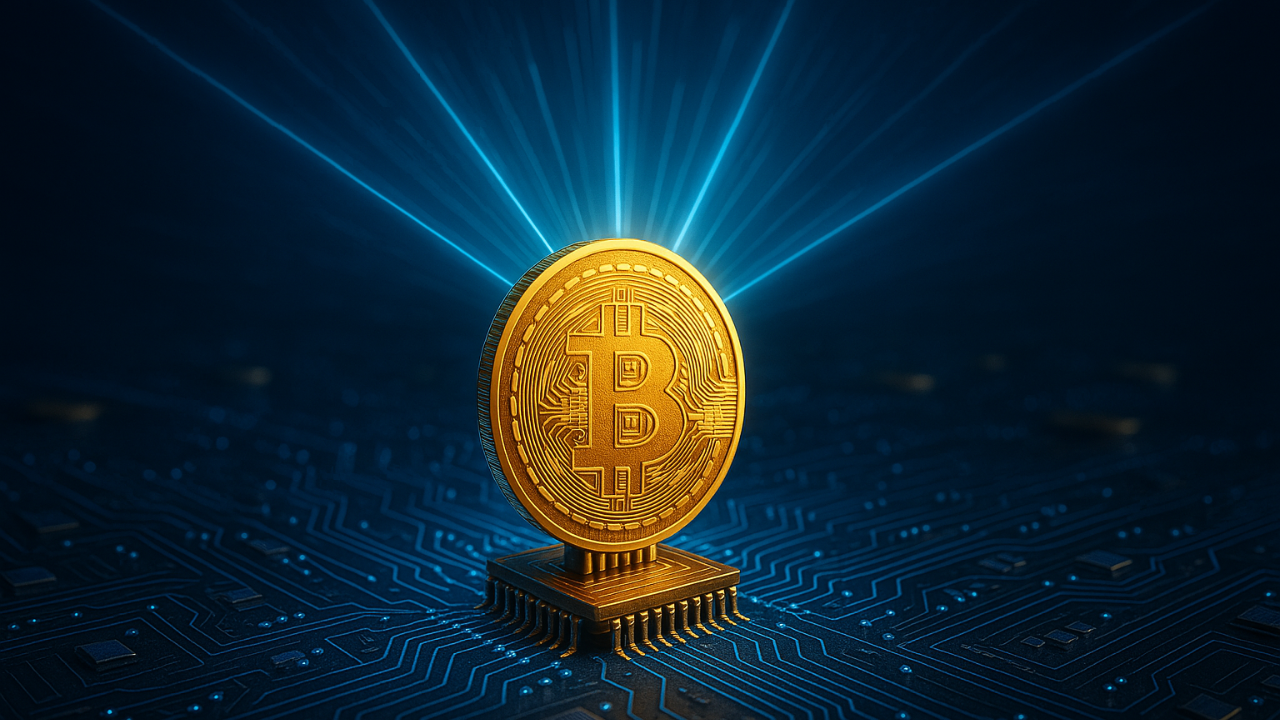


A solo Bitcoin miner has stunned the crypto community after successfully mining a Bitcoin block using a Bitaxe device that costs around $150. The miner earned approximately 3.1382 BTC, worth nearly $200,000, proving that while the odds are incredibly slim, even small home mining devices still have a chance to secure a full block reward.
The rare success has renewed interest in solo Bitcoin mining, although experts stress that such wins remain exceptionally uncommon.
$150 Bitaxe mines a full Bitcoin block
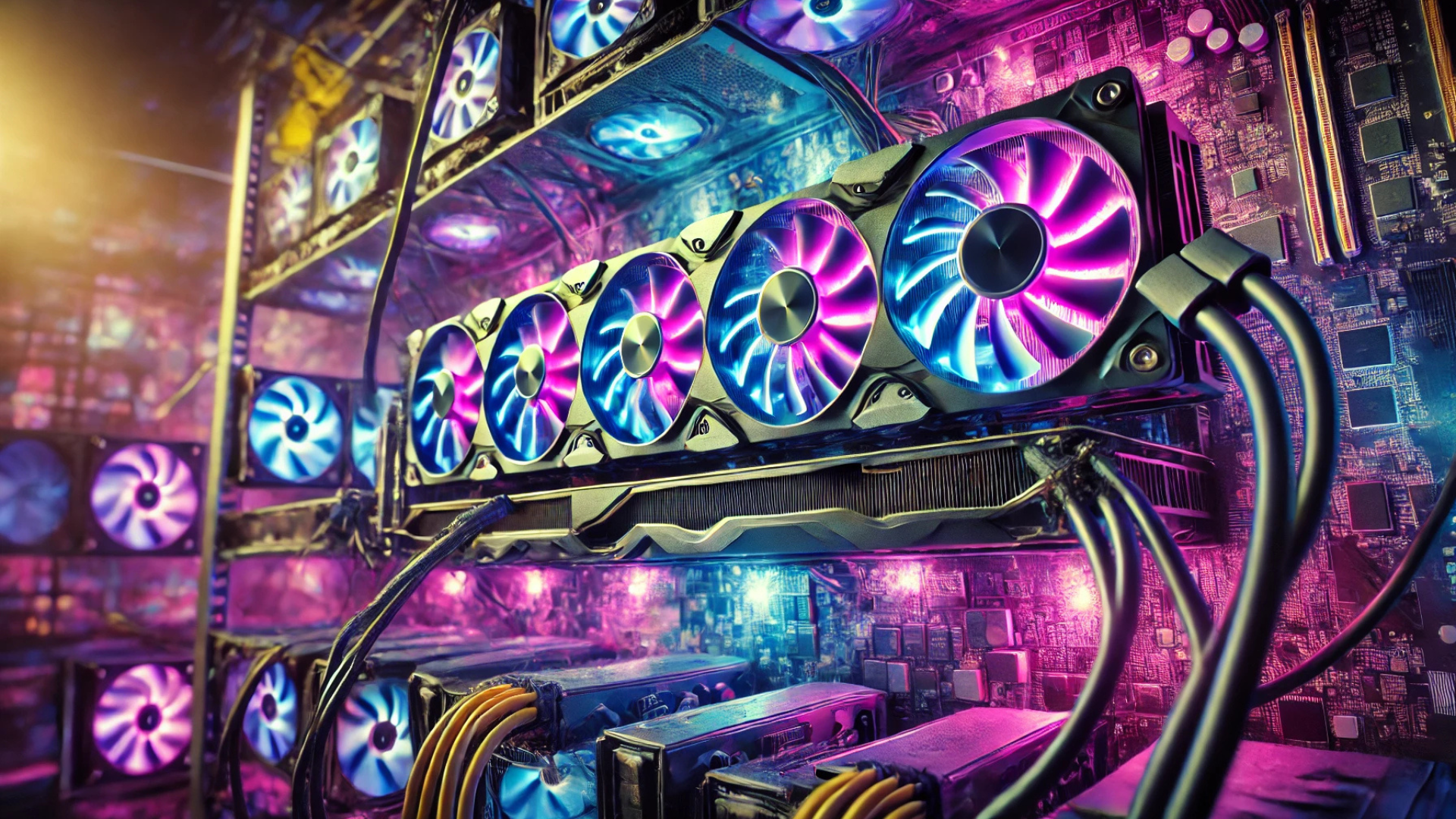
The successful miner solved Bitcoin block 957,382 after operating a Bitaxe mining device through Public Pool, a solo mining platform.
The reward totaled 3.1382 BTC, including the standard 3.125 BTC block subsidy and approximately 0.0132 BTC in transaction fees.
According to Public Pool, the device ran for roughly eight hours before submitting the winning hash, making it only the second Bitaxe miner on the platform to successfully discover a Bitcoin block.
Blockchain records later confirmed the block and reward.
Tiny mining device beats incredible odds
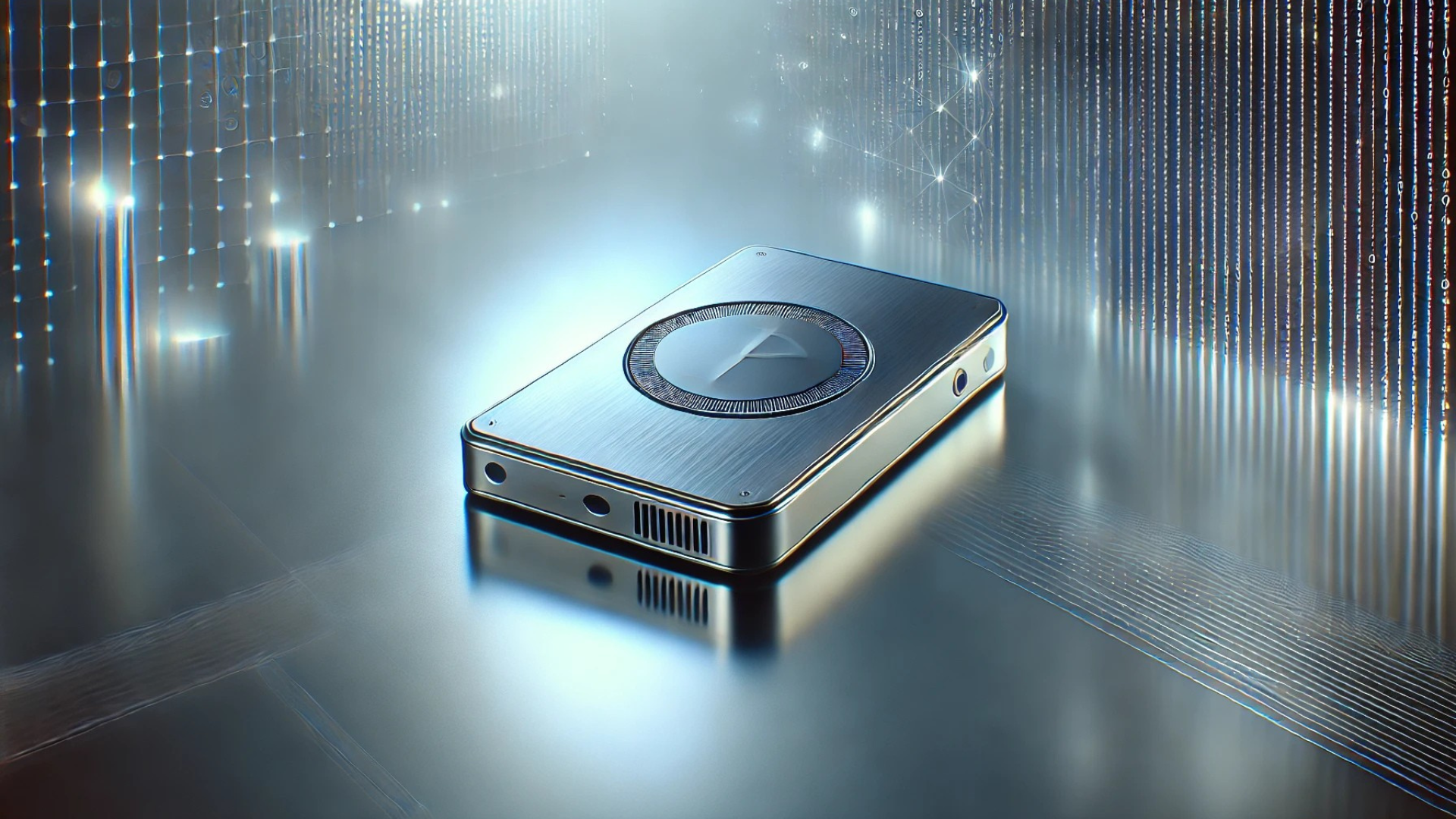
The Bitaxe used in the successful mining operation averaged around 995.2 gigahashes per second (GH/s), or just under 1 terahash per second (TH/s).
Compared to Bitcoin’s global network—which operates at hundreds of exahashes per second—this represents only a tiny fraction of the total computing power.
Industry estimates suggest that a miner operating at this speed would statistically discover a block only once every 18,000 years on average.
However, Bitcoin mining is based entirely on probability. Every hash generated has an equal chance of solving the next block, meaning even low-powered devices can occasionally get lucky.
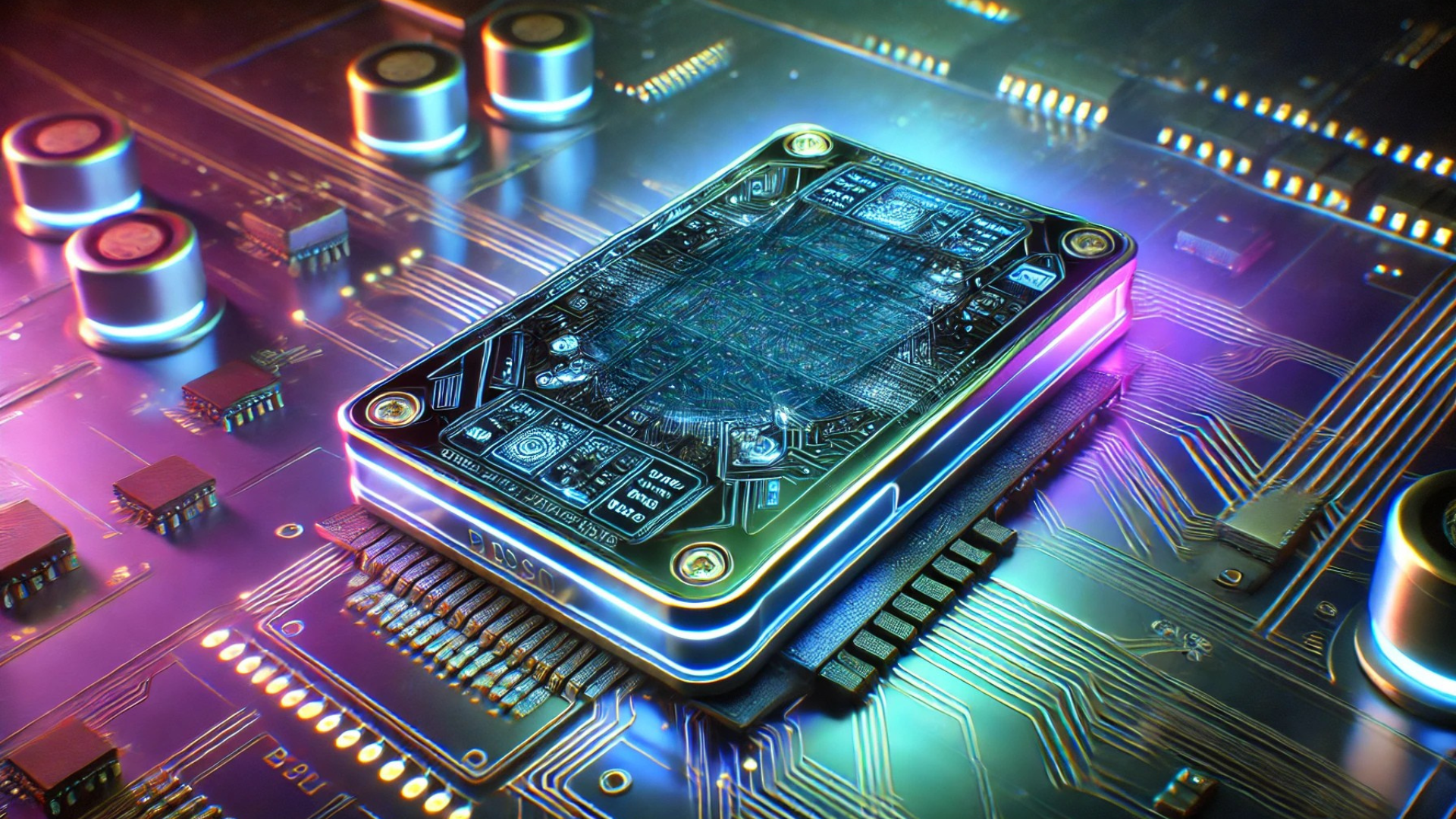
The Bitaxe Gamma model uses the BM1370 mining chip, the same chip found in Bitmain’s larger Antminer S21 Pro, although it operates at significantly lower performance and power consumption.
Solo mining means keeping the entire reward
Unlike traditional mining pools, Public Pool follows a true solo mining model.
In conventional mining pools, thousands of miners combine their computing power and share block rewards based on how much work each contributes.
Solo mining works differently. Unless a miner successfully discovers a valid block, there is no payout. But when a block is found, the miner keeps 100% of the reward, including transaction fees.
In this case, one successful hash earned the operator the entire $200,000 reward.
Solo Bitcoin mining wins are becoming more common
Although still rare, successful solo mining events have increased over the past year.
According to recent industry data, 24 solo Bitcoin blocks were mined during the past 12 months, representing a 41% increase compared to the previous year. Half of those successful discoveries occurred during 2026.
Several recent winners have used solo mining pools, rented hash power, or operated small home mining setups.
Late last year, another solo miner earned approximately $271,000 after mining a Bitcoin block, while another individual secured nearly $282,000 despite facing similarly overwhelming odds.
Mining difficulty offers slight relief
Bitcoin mining difficulty recently declined by 5%, falling to 127.17 trillion after slower block production and a reduction in overall network hash rate.
The adjustment followed an even larger 10.09% difficulty drop recorded in June.
Lower mining difficulty slightly improves the chances of discovering a block, particularly for smaller miners. However, industrial mining farms still control vastly more computing power than home mining devices.
Many large mining companies have also begun shifting portions of their infrastructure toward artificial intelligence and high-performance computing services as mining profitability remains under pressure.
A remarkable win—but not a reliable strategy
While this story highlights Bitcoin’s decentralized nature, it should not be viewed as evidence that small miners can consistently earn significant profits.
A Bitaxe device may cost only $60 to $150, but the probability of mining a Bitcoin block remains extremely low. Most solo miners could operate similar hardware for many years without ever finding a block.
Still, this rare success demonstrates that every participant on the Bitcoin network technically has a chance to compete for the same block reward, regardless of the size of their mining operation.