

While much of the crypto market remains focused on price movements and market volatility, a far more important battle is unfolding in Washington. At the center of that fight are two of the most influential figures in finance: Ripple CEO Brad Garlinghouse and JPMorgan CEO Jamie Dimon.
Their disagreement over the proposed CLARITY Act represents far more than a clash of personalities. It is a struggle between the cryptocurrency industry and the traditional banking sector over who will shape the future of digital finance in the United States.
Two Leaders, Two Industries
The debate surrounding the CLARITY Act has effectively become a proxy war between crypto innovators and established financial institutions.
On one side stands Brad Garlinghouse, one of the most prominent advocates for cryptocurrency regulation in the United States. After leading Ripple through its lengthy legal battle with the SEC over XRP, Garlinghouse emerged as a leading voice calling for clear federal rules for digital assets.
He has consistently expressed confidence that regulatory clarity will accelerate institutional adoption and encourage innovation to remain within the United States. According to Garlinghouse, the CLARITY Act represents one of the industry’s best opportunities to achieve that goal.
On the other side is Jamie Dimon, arguably the most influential executive in traditional banking.
Dimon has a complicated history with cryptocurrency. While he famously criticized Bitcoin years ago, JPMorgan has since developed blockchain infrastructure and expanded its digital asset offerings.
However, Dimon remains critical of several provisions within the CLARITY Act and has openly stated that banks will not support the legislation in its current form.
The Real Dispute: Stablecoin Yield
Although the CLARITY Act covers a broad range of digital asset regulations, the most contentious issue centers on a single topic: whether stablecoins should be allowed to offer yield.
Yield-bearing stablecoins would allow users to earn returns on their holdings, functioning similarly to interest-bearing savings accounts.
For crypto companies, this presents a major opportunity.
Stablecoin issuers could attract billions of dollars by offering returns that compete directly with traditional banking products.
For banks, however, that possibility creates a significant threat.
Traditional banks depend heavily on customer deposits as a low-cost source of funding. If consumers move large amounts of money into yield-bearing stablecoins, banks risk losing one of their most important financial resources.
Why Banks Are Concerned
The banking industry’s opposition is largely driven by concerns over deposit migration.
Banks collect deposits from customers and use those funds to support lending and other revenue-generating activities.
If crypto companies can offer similar or better returns through stablecoins without operating under the same regulatory framework as banks, traditional institutions could face increasing competition for customer funds.
According to reports, members of the American Bankers Association have actively lobbied lawmakers regarding the issue, arguing that stablecoin issuers should not receive regulatory advantages over traditional financial institutions.
Dimon has repeatedly emphasized concerns surrounding consumer protections, anti-money laundering standards, and the potential impact of stablecoins on the banking system.
The Current Compromise
Lawmakers have attempted to bridge the gap between the two sides through a compromise.
Under the current framework, stablecoins would generally be prohibited from offering returns that function as the economic equivalent of traditional bank interest.
However, certain activity-based rewards and transaction incentives could still be permitted.
The goal is to allow innovation while preventing stablecoins from directly competing with bank deposits as interest-bearing savings products.
Neither side appears fully satisfied.
Banks argue that the proposal still leaves room for crypto firms to offer interest-like incentives.
Meanwhile, some crypto advocates worry the restrictions could limit one of stablecoins’ most attractive use cases.
Why the CLARITY Act Matters So Much
The debate extends far beyond stablecoins.
The CLARITY Act is widely viewed as the most important crypto legislation currently under consideration in the United States.
If enacted, it would establish a comprehensive regulatory framework for digital assets and help clarify which agencies oversee different parts of the industry.
Key objectives include:
- Defining digital asset classifications
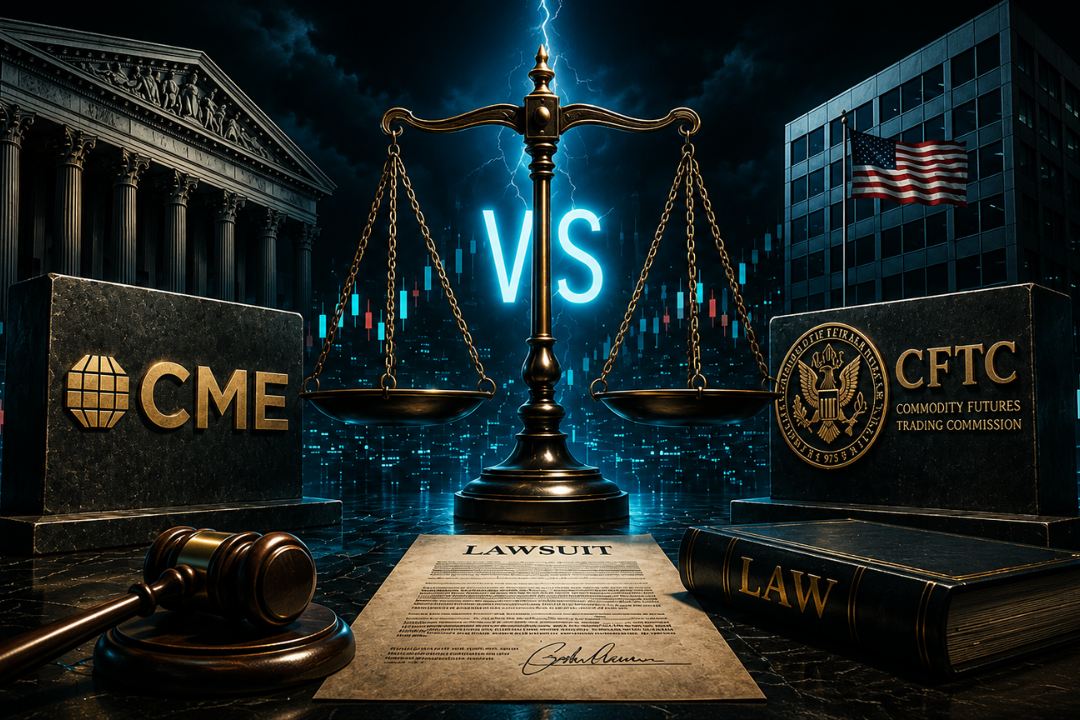
- Clarifying SEC and CFTC responsibilities
- Creating rules for exchanges and issuers
- Supporting institutional participation
- Reducing regulatory uncertainty
For Ripple and XRP, the legislation could be particularly significant because it would provide greater legal certainty regarding XRP’s status within U.S. markets.
The Hidden Twist: Banks Could Win Either Way
One of the most interesting aspects of the debate is that banks may achieve many of their goals even if the bill ultimately passes.
Analysts have noted that if passive stablecoin yield remains heavily restricted, investors seeking returns may shift toward alternatives such as:
- Tokenized Treasury products
- Digital money market funds
- Tokenized bank deposits
Many of these products would likely be offered by traditional financial institutions or closely connected asset managers.
In that scenario, the crypto industry gains regulatory clarity while banks maintain control over a large portion of yield-generating financial products.
What Happens Next?
The legislative timeline remains challenging.
The CLARITY Act still faces several hurdles, including:
- Senate approval
- Reconciliation with House legislation
- Presidential approval
- Potential delays tied to the midterm election cycle
Many analysts believe lawmakers have only a narrow window before election politics dominate Washington’s agenda.
Industry observers have suggested three possible outcomes:
- The bill passes with the current stablecoin-yield compromise.
- The legislation stalls and fails to pass this year.
- The bill is delayed until a post-election session with uncertain prospects.
Each scenario depends heavily on whether lawmakers can resolve the stablecoin yield debate.
Why Investors Should Pay Attention
The Garlinghouse-Dimon conflict is not simply a disagreement between two executives.
It represents a broader struggle over who will control the next generation of financial infrastructure.
The outcome will influence:
- Stablecoin adoption
- Bank participation in crypto markets
- Institutional investment flows
- Digital asset regulation
- The future structure of on-chain finance
While market participants often focus on short-term price action, regulatory developments like the CLARITY Act may ultimately have a much larger impact on the long-term direction of the crypto industry.
For now, the battle continues. Garlinghouse is fighting for regulatory certainty that could accelerate crypto adoption, while Dimon is working to protect the traditional banking model from a rapidly emerging competitor.
The resolution of that conflict may determine not only the fate of the CLARITY Act but also the future relationship between crypto and traditional finance in the United States.