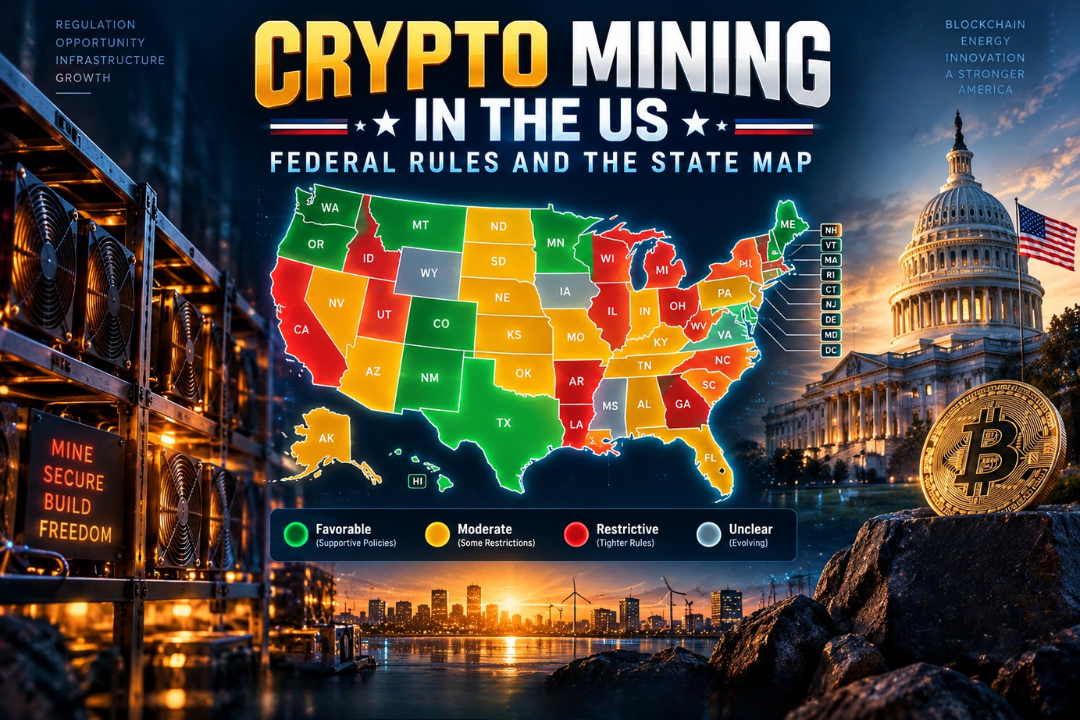


Texas has become one of the most closely watched crypto-mining regions in the United States, attracting miners with its competitive energy market, available land, and growing renewable-energy infrastructure.
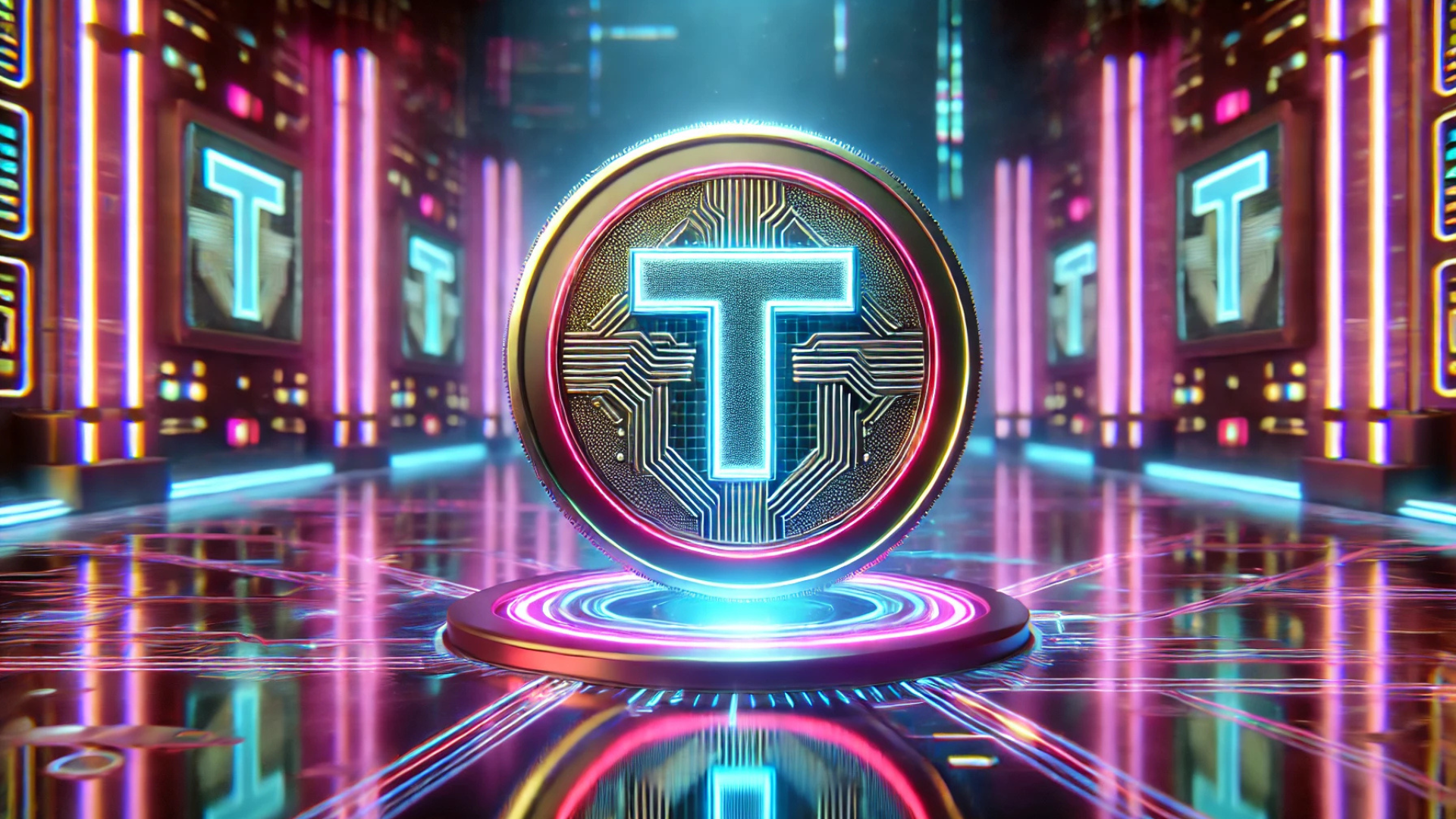
TEXITcoin (TXC) is among the projects attempting to build within that environment. The Texas-focused Layer 1 Proof-of-Work network is expanding its physical mining infrastructure while also navigating questions surrounding regulation, taxation, energy consumption, and an ongoing dispute with the Texas State Securities Board.
In an interview with crypto.news, TEXITcoin founder Robert J. “Bobby” Gray discussed the project’s origins, its Texas mining strategy, merge mining with Litecoin and Dogecoin, and the regulatory challenges facing Proof-of-Work projects.
How TEXITcoin Started
The story behind TEXITcoin goes back well before the project’s launch.
Gray said his interest in alternative forms of money began around 2008, the same period in which Bitcoin was introduced. His goal was to explore forms of money that could not simply be created through government monetary policy.
That interest eventually expanded from physical precious metals into digital assets.
By 2017, he was experimenting with ways to connect physical and digital ownership, including laser-etching private keys onto physical coins.
Those experiences ultimately contributed to the development of TEXITcoin.
TXC was designed as a Texas-rooted Proof-of-Work network without a pre-mine or preferential allocation for the development team. The project’s philosophy is centered on the idea that coins should be earned through network participation rather than distributed disproportionately to insiders.
Where Can TXC Be Traded?
According to Gray, TXC is currently available on several cryptocurrency exchanges, including MEXC, XT.COM, BitMart, and Pionex.
Wrapped TXC is also available on Ethereum.
The project is reportedly discussing potential partnerships with additional exchanges, meaning its trading availability could expand over time.
Why Texas Has Become Important for Crypto Mining
Texas offers several advantages for Proof-of-Work mining operations.
One of the biggest is its competitive electricity market. Mining companies also have access to substantial wind and solar generation, along with large areas of land suitable for building physical infrastructure.
Another advantage is flexibility.
Crypto-mining operations can sometimes reduce or shut down electricity consumption when the power grid experiences heavy demand. This flexibility can potentially help operators manage costs while reducing pressure on the grid during peak periods.
However, Texas is not an effortless environment for miners.
Companies can face lengthy waits for grid connections, volatile electricity prices, transmission limitations, higher levels of regulatory attention, and substantial upfront infrastructure costs.
Despite these challenges, TEXITcoin sees Texas as a central part of its long-term strategy.
TEXITcoin Invests $5.5 Million in Texas Mining Expansion
TEXITcoin has been expanding its physical mining presence across Texas.
According to Gray, the project recently invested approximately $5.5 million into expanding mining sites in McKinney, Mansfield, and Conroe.
The investment was primarily directed toward mining hardware and infrastructure designed to strengthen the TXC network.
Gray emphasized that TEXITcoin does not view itself as a direct competitor to the large publicly traded Bitcoin mining companies operating massive facilities across Texas.
Instead, TXC describes itself primarily as a Layer 1 blockchain network.
For that reason, the project focuses more heavily on network growth, security, infrastructure, and utility rather than attempting to compete with major Bitcoin miners based purely on megawatts or market capitalization.
How TEXITcoin Merge Mining Works
One of TEXITcoin’s most notable technical features is merge mining.
TXC uses the Scrypt mining algorithm, the same algorithm used by Litecoin and Dogecoin.
Because the networks use compatible mining technology, miners can potentially use the same computing resources to help secure multiple networks simultaneously.
Instead of dedicating separate machines and computing power to each blockchain, merge mining allows compatible networks to benefit from the same underlying mining activity.
This can improve the efficiency of the computing resources already being used.
However, merge mining does not eliminate electricity costs.
Mining equipment still consumes power and requires careful management to remain economically sustainable. The advantage is that the same computational work can contribute to multiple compatible networks rather than being limited to only one.
The Challenges of Scaling Crypto Mining in Texas
Building mining infrastructure in Texas still involves significant challenges.
Grid connection delays can slow expansion, while fluctuating electricity prices can make long-term operating costs difficult to predict.
Mining businesses also need to consider transmission capacity, local concerns about noise, infrastructure costs, and electricity curtailment economics.
Transparency is another important issue, particularly when mining products or services are offered to members of the public.
TEXITcoin says its mining infrastructure was crowdsourced to encourage community participation in the network.
The project argues that this model differs from traditional network-marketing structures, although questions surrounding its mining offerings have also become part of the project’s regulatory dispute.
How Is Merge Mining Regulated?
Merge mining itself does not necessarily create a separate regulatory category.
Instead, regulators generally focus on what a company is doing rather than the specific technical method it uses to mine cryptocurrencies.
Mining businesses may still need to comply with electricity-market requirements, environmental regulations, local building codes, and other operational rules.
Additional regulations can apply when businesses provide financial products or facilitate transactions.
These can include consumer-protection obligations, anti-money-laundering requirements, and other financial regulations depending on the nature of the activity.
In other words, using merge mining does not remove the regulatory responsibilities that would otherwise apply to the business.
How Are Crypto Mining Rewards Taxed?
Cryptocurrency mining can also create tax obligations.
According to the interview, mined digital assets can create taxable income when miners gain control over the rewards.
If those assets are later sold at a different price, the transaction may create an additional capital gain or loss.
Mining businesses can face further tax obligations depending on their structure and operations.
Texas does not impose an individual state income tax, which can make the state attractive to some operators. However, businesses may still face franchise taxes, property taxes, sales taxes, and other local obligations.
Because individual tax circumstances vary considerably, miners generally need professional guidance when determining their specific obligations.
Energy Data and Privacy Remain Important Issues
Texas’ rapidly expanding mining industry has also created debates surrounding electricity usage and public access to mining data.
One dispute discussed in the interview concerns whether information about mining facility locations and electricity consumption should remain confidential or become publicly accessible.
Supporters of confidentiality argue that detailed information about mining facilities could create security risks.
Supporters of disclosure argue that the public should have greater visibility into how large electricity users affect the Texas power grid.
Regardless of the outcome of such disputes, mining businesses are still required to comply with applicable reporting requirements.
The broader debate is therefore about who should have access to that information rather than whether regulators can collect relevant data at all.
TEXITcoin’s View on Proof-of-Work Regulation
TEXITcoin also argues that its technical relationship with Litecoin is relevant to how TXC should be viewed from a regulatory perspective.
TXC is based on Litecoin’s Proof-of-Work structure and uses similar mining mechanics.
Gray argues that this makes the regulatory treatment of established Proof-of-Work cryptocurrencies particularly important for TEXITcoin.
The project’s position is that miners contribute computing power to secure a permissionless blockchain rather than relying on a centralized management team to generate returns.
However, the classification of a token and the classification of particular offerings involving that token are not necessarily the same legal question.
That distinction has become particularly important because TEXITcoin is currently involved in a regulatory dispute in Texas.
TEXITcoin Faces Texas Securities Case
In February 2026, the Texas State Securities Board issued an order involving TEXITcoin, MineTXC, Blockchain Mint, and Gray.
According to the interview, regulators alleged that the parties offered unregistered investments and made misleading statements.
Gray disputes those allegations and emphasized that they remain allegations rather than findings established through a completed hearing.
TEXITcoin has retained Quinn Emanuel for legal representation and requested a formal hearing.
The project’s defense centers partly on its position that mining a Proof-of-Work commodity should not itself constitute a securities offering.
Gray also maintains that the mining activity and equipment connected to the project are real and verifiable.
Because the proceeding remains ongoing, the eventual legal outcome has not yet been determined.
Can State and Federal Crypto Rules Differ?
The TEXITcoin dispute also highlights an important feature of US crypto regulation: state and federal rules can overlap.
Individual states maintain their own securities laws and regulatory agencies.
As a result, federal treatment of a cryptocurrency does not automatically prevent a state regulator from examining activities involving that asset.
TEXITcoin argues that federal interpretations of Proof-of-Work assets remain relevant when states determine whether something should be treated as a security.
At the same time, states retain authority to enforce their own consumer-protection and securities laws.
This distinction could become increasingly important as US lawmakers and regulators attempt to establish clearer boundaries for digital assets.
What Could the CLARITY Act Mean for Crypto Miners?
Gray also expressed support for the CLARITY Act, arguing that clearer boundaries between US regulators could make it easier for crypto businesses to understand which agency oversees their activities.
For blockchain developers, miners, exchanges, and other crypto businesses, regulatory clarity can make long-term planning considerably easier.
However, Gray also cautioned against treating proposed legislation as though it has already become law.
The legislative process can involve procedural votes, debates, amendments, and final approval before a bill becomes legally effective.
For crypto businesses, the broader objective is a regulatory framework that clearly distinguishes different types of digital assets and activities.
What’s Next for TEXITcoin?
Despite regulatory uncertainty, TEXITcoin says it plans to continue expanding its mining network and promoting cryptocurrency payments across Texas.
The project’s strategy remains closely tied to physical mining infrastructure and the state’s growing digital-asset industry.
Its use of Scrypt merge mining also connects TXC technically with established Proof-of-Work networks such as Litecoin and Dogecoin.
However, the project’s future will depend on more than mining expansion.
Its ability to grow exchange access, expand network participation, manage energy costs, and navigate the ongoing Texas regulatory dispute will all play important roles.
For now, TEXITcoin represents a broader story developing across the US crypto industry: blockchain companies are continuing to build physical infrastructure while simultaneously trying to determine where Proof-of-Work mining, digital commodities, investment products, and state securities laws intersect.
As Texas continues attracting crypto-mining operations, those regulatory questions could become just as important as electricity prices and computing power.
Disclaimer: This article is provided for informational and educational purposes only. Statements concerning TEXITcoin’s regulatory status and the Texas securities dispute include positions expressed by the project’s representatives and should not be interpreted as established legal conclusions.