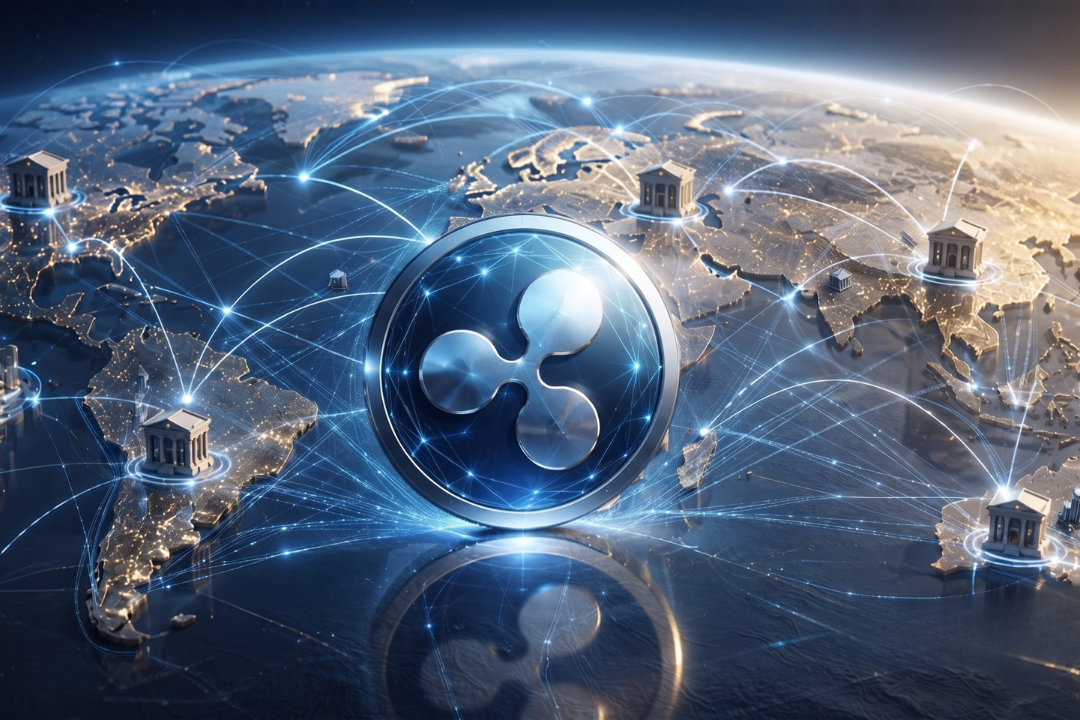


Sending money across countries has traditionally been slow, expensive, and heavily dependent on a network of intermediary banks. To solve this problem, blockchain technology introduced the concept of a bridge asset—a digital currency that acts as a neutral intermediary when transferring value between different fiat currencies.
Among the cryptocurrencies designed specifically for this purpose are XRP and Stellar Lumens (XLM). Both were created to make cross-border payments faster, cheaper, and more efficient by eliminating the need for banks to maintain large amounts of money in foreign accounts.
But while the technology is widely recognized, one important question remains: Does being a bridge asset actually make a cryptocurrency more valuable?
Let’s explore how bridge assets work, why they matter, and the challenges they face in today’s evolving digital payments landscape.
What Is a Bridge Asset?
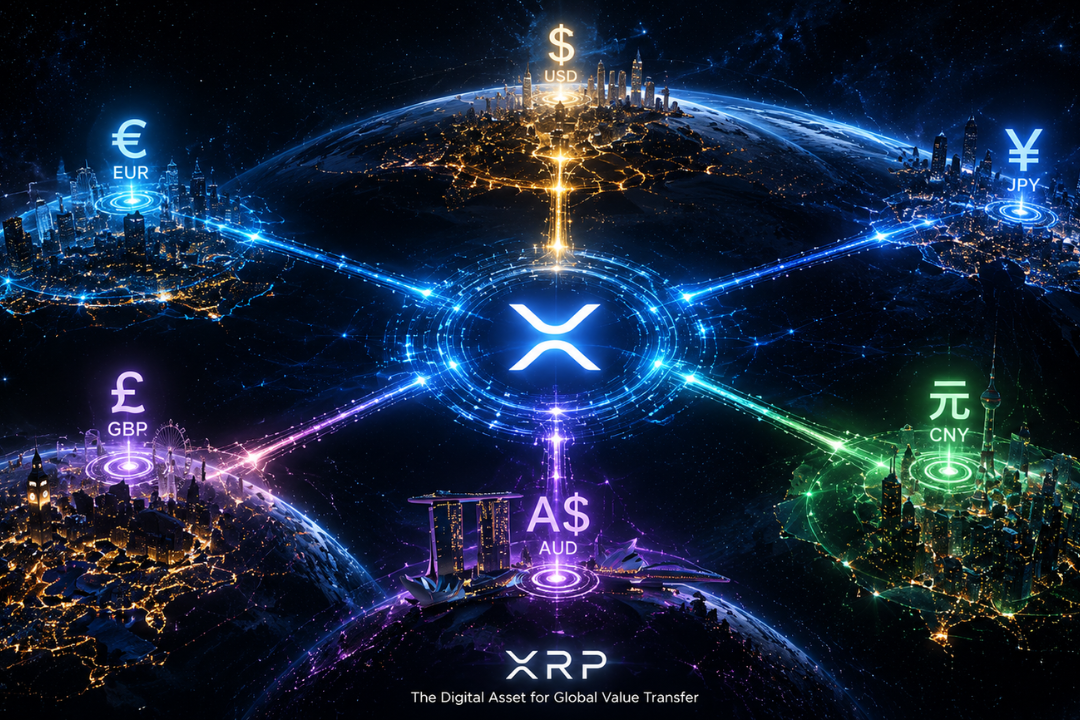
A bridge asset is a cryptocurrency that serves as a temporary intermediary during a currency exchange.
Instead of converting one fiat currency directly into another, the payment follows a three-step process:
- Source currency → Bridge asset
- Bridge asset → Blockchain transfer
- Bridge asset → Destination currency
This process removes the need for banks to hold large reserves of foreign currencies before making international payments.
The bridge asset exists only briefly during the transaction before being converted into the recipient’s local currency.
The Problem Bridge Assets Solve
Traditional cross-border payments rely on a system known as correspondent banking.
Banks typically maintain nostro and vostro accounts—pre-funded accounts held in foreign currencies at overseas financial institutions.
For example, a U.S. bank sending money to Japan may need to keep Japanese yen sitting in a local Japanese bank at all times.
Maintaining these accounts ties up billions of dollars in idle capital worldwide.
Bridge assets eliminate much of this inefficiency.
Instead of locking money in foreign accounts, banks can purchase the bridge asset only when needed, transfer it within seconds, and immediately convert it into the destination currency.
This process:
- Frees up capital
- Reduces settlement time
- Lowers transaction costs
- Simplifies international payments
How a Bridge Asset Works
A bridge asset transaction follows a straightforward process.
Suppose a company in the United States needs to pay a supplier in Europe.
Instead of sending U.S. dollars directly through multiple correspondent banks, the payment works like this:
- U.S. dollars are exchanged for XRP or XLM.
- The cryptocurrency is transferred across its blockchain within seconds.
- The bridge asset is immediately converted into euros.
- The supplier receives euros in their local bank account.
Because the cryptocurrency is only held briefly, exposure to market volatility remains relatively limited.
The success of this model depends on deep liquidity in both the sending and receiving markets.
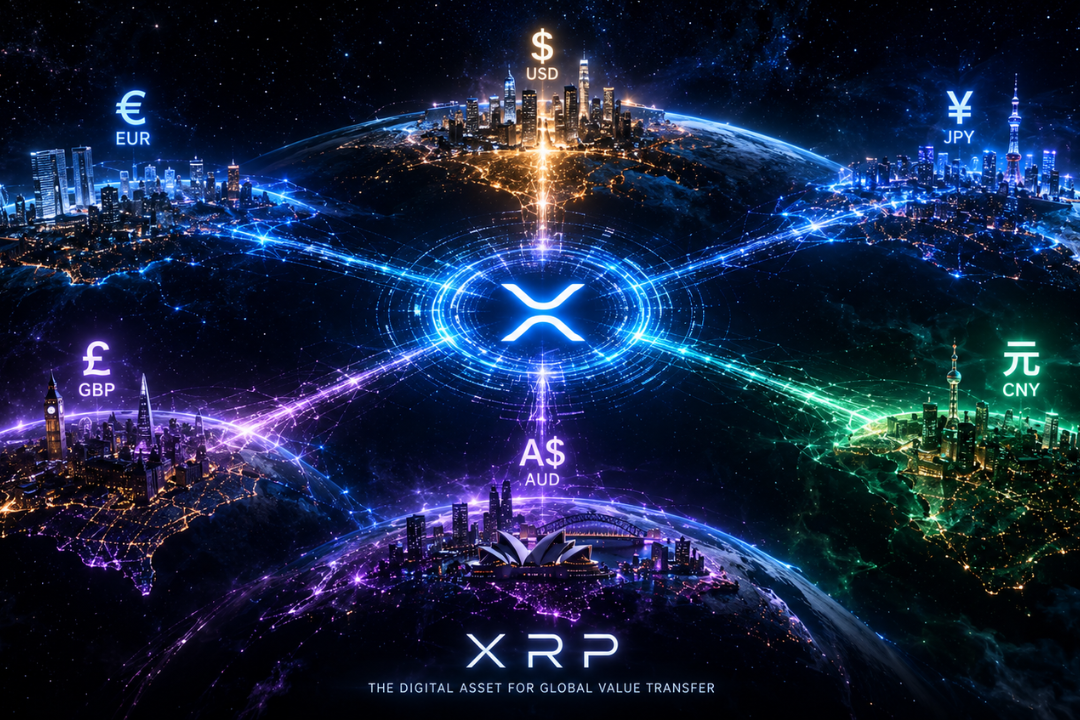
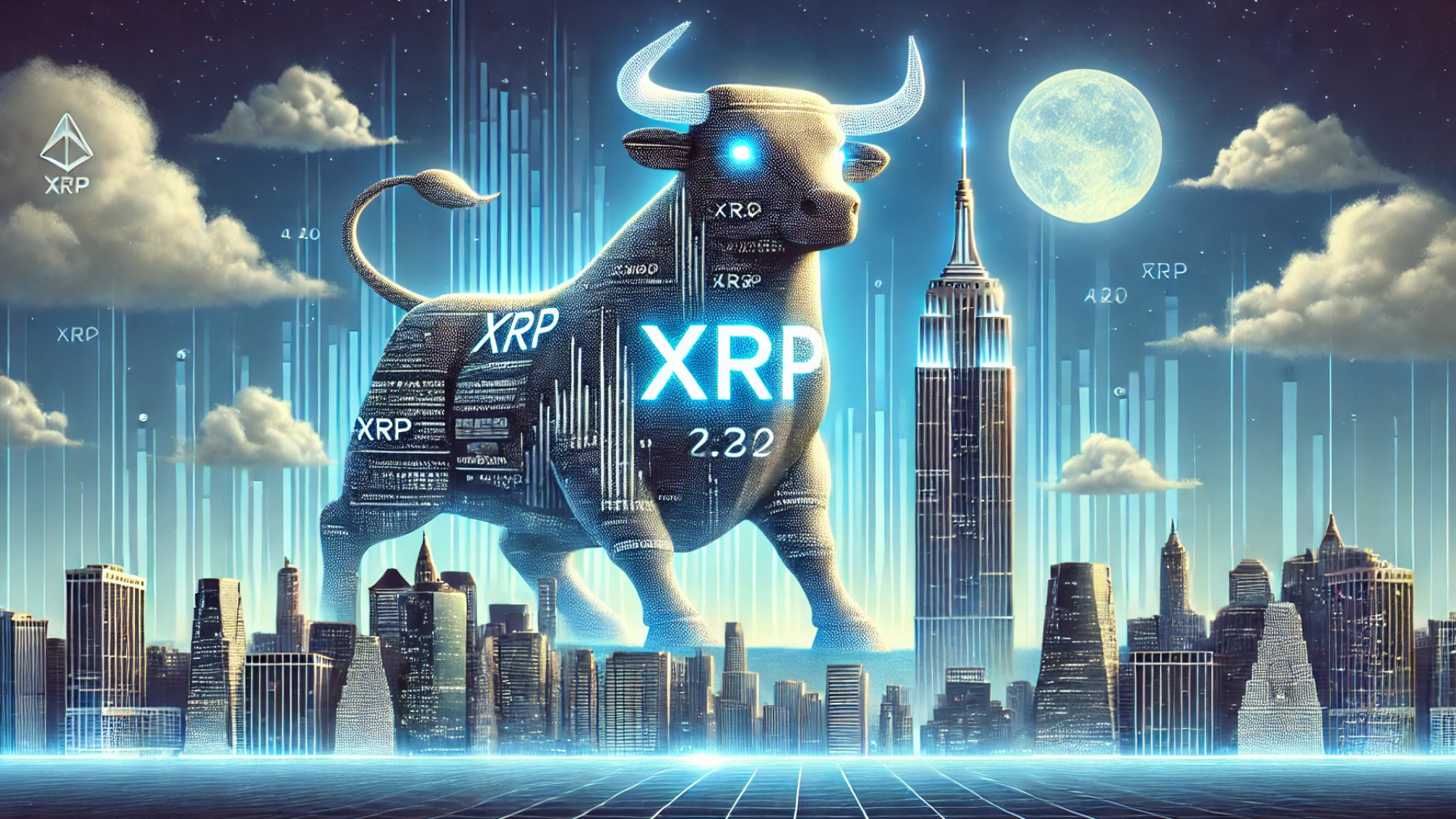
XRP: Ripple’s Bridge Asset
XRP is the native digital asset of the XRP Ledger.
It was specifically designed to serve as a bridge currency for international payments.
Ripple uses XRP within its payment infrastructure to support On-Demand Liquidity (ODL) services.
Instead of requiring banks to pre-fund overseas accounts, XRP allows financial institutions to source liquidity only when a transaction occurs.
The XRP Ledger offers:
- Fast settlement times
- Low transaction fees
- High transaction throughput
These characteristics make it well suited for cross-border value transfers.
XLM: Stellar’s Alternative Approach
Stellar Lumens (XLM) was built with a similar vision but targets a broader payments ecosystem.
Rather than focusing primarily on institutional banking, Stellar aims to support:
- Global remittances
- Financial inclusion
- Low-cost international transfers
- Tokenized fiat currencies
The Stellar network uses trusted institutions known as anchors, which issue digital representations of traditional currencies.
Its built-in decentralized exchange automatically finds efficient conversion paths between assets, with XLM acting as a bridge when direct liquidity is unavailable.
Although XRP and XLM share similar goals, their ecosystems have evolved differently over time.
A Real-World Example
Imagine a business in the United States needs to send $10,000 to a supplier in Mexico.
Traditional Payment
The bank relies on correspondent institutions and pre-funded peso accounts.
Settlement may take several business days while multiple intermediaries charge fees.
Bridge Asset Payment
The bank converts dollars into XRP or XLM.
The cryptocurrency moves across the blockchain in seconds.
On arrival, it is immediately exchanged for Mexican pesos and delivered to the supplier.
No large peso reserve is required beforehand.
The transaction settles much faster while reducing the amount of idle capital banks must maintain.
Bridge Asset vs. Cross-Chain Bridge
Many people confuse these two terms, but they describe entirely different technologies.
Bridge Asset
A cryptocurrency used to transfer value between different currencies.
Example:
USD → XRP → EUR
Cross-Chain Bridge
Software that transfers tokens between different blockchain networks.
Example:
Ethereum → Solana
Although both involve the word “bridge,” they solve completely different problems.
Cross-chain bridges connect blockchains.
Bridge assets connect currencies.
Does Being a Bridge Asset Create Value?
This remains one of the most debated topics surrounding XRP and XLM.
Supporters argue that if financial institutions increasingly rely on bridge assets for global payments, demand for those tokens should naturally increase.
Greater payment volume could require larger liquidity pools, creating sustained demand for the assets themselves.
However, critics point to what is commonly called the velocity problem.
Since bridge assets are only held for a few seconds during each transaction, they are constantly bought and sold rather than accumulated.
A single token can facilitate many transfers without anyone needing to hold it long term.
This raises an important question:
Can a cryptocurrency process enormous payment volumes without its market value increasing significantly?
There is still no definitive answer.
Stablecoins Are Increasing the Competition
Bridge assets now face growing competition from stablecoins.
Unlike XRP or XLM, stablecoins maintain relatively stable prices.
This removes much of the volatility associated with using cryptocurrencies for international settlements.
Several companies now use stablecoins for cross-border payments because they combine blockchain speed with fiat price stability.
As regulated stablecoins continue expanding, they may compete directly with traditional bridge assets for payment flows.
Advantages of Bridge Assets
Bridge assets offer several important benefits.
These include:
- Faster international settlements
- Lower transaction costs
- Reduced need for pre-funded accounts
- Improved capital efficiency
- Greater global payment flexibility
These advantages explain why bridge assets remain an important part of blockchain payment infrastructure.
Challenges Facing Bridge Assets
Despite their strengths, bridge assets also face several challenges.
Key concerns include:
- Price volatility
- Liquidity requirements
- Competition from stablecoins
- Regulatory uncertainty
- Questions about long-term token demand
These factors continue shaping the debate over their future role within global finance.
The Bottom Line
Bridge assets represent one of blockchain’s earliest and most practical payment innovations.
By acting as a neutral intermediary between currencies, assets like XRP and XLM aim to reduce settlement times, lower costs, and eliminate the need for banks to maintain expensive pre-funded foreign accounts.
The technology itself has proven capable of supporting faster international payments. However, whether widespread use of bridge assets ultimately translates into sustained long-term value for the underlying tokens remains an open question.
As stablecoins gain adoption and global payment infrastructure continues evolving, bridge assets will likely remain an important part of the conversation about the future of cross-border finance.
Disclaimer: This article is for educational purposes only and should not be considered financial or investment advice. Cryptocurrency investments carry significant risk, and readers should conduct their own research before making financial decisions.