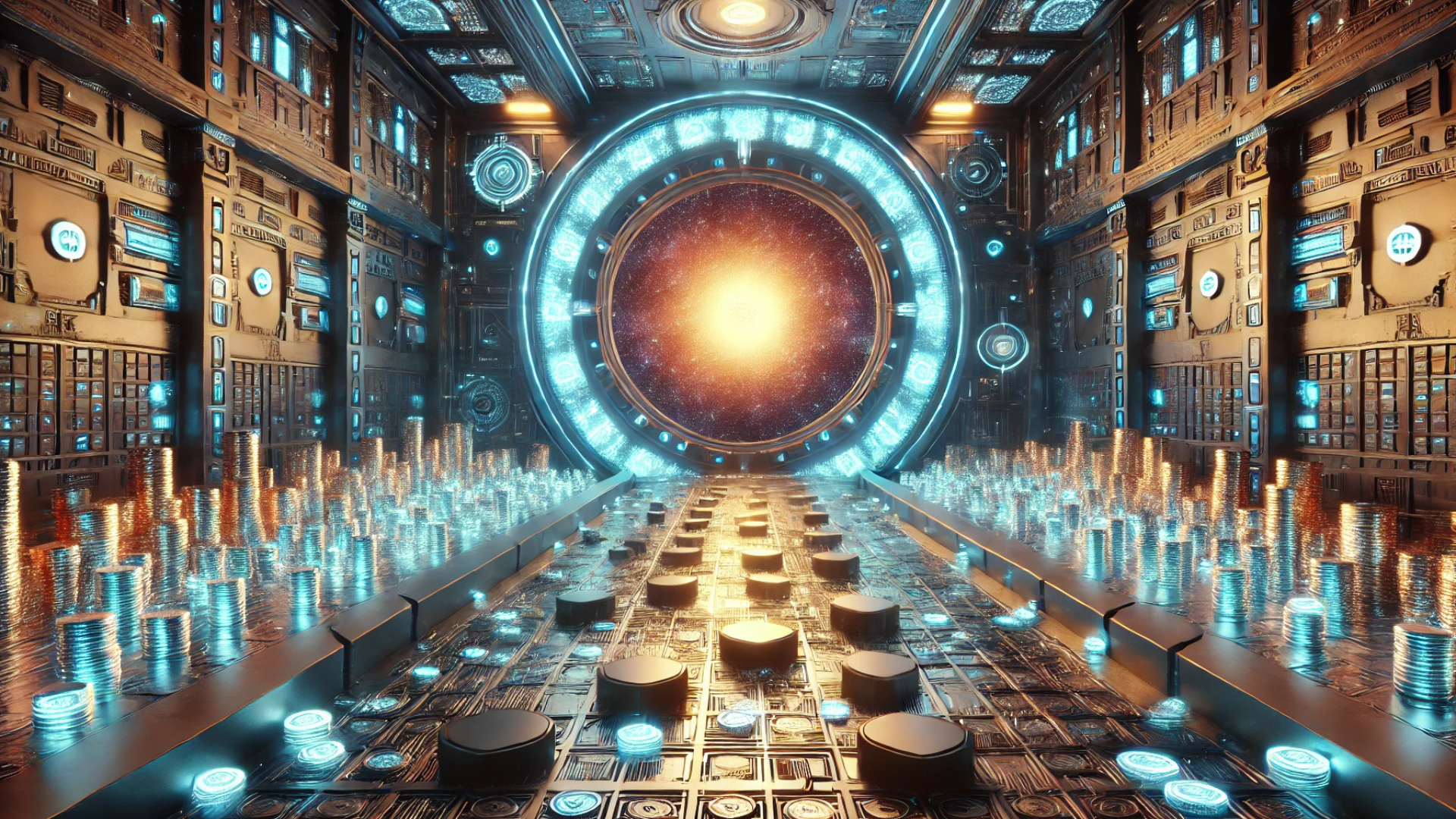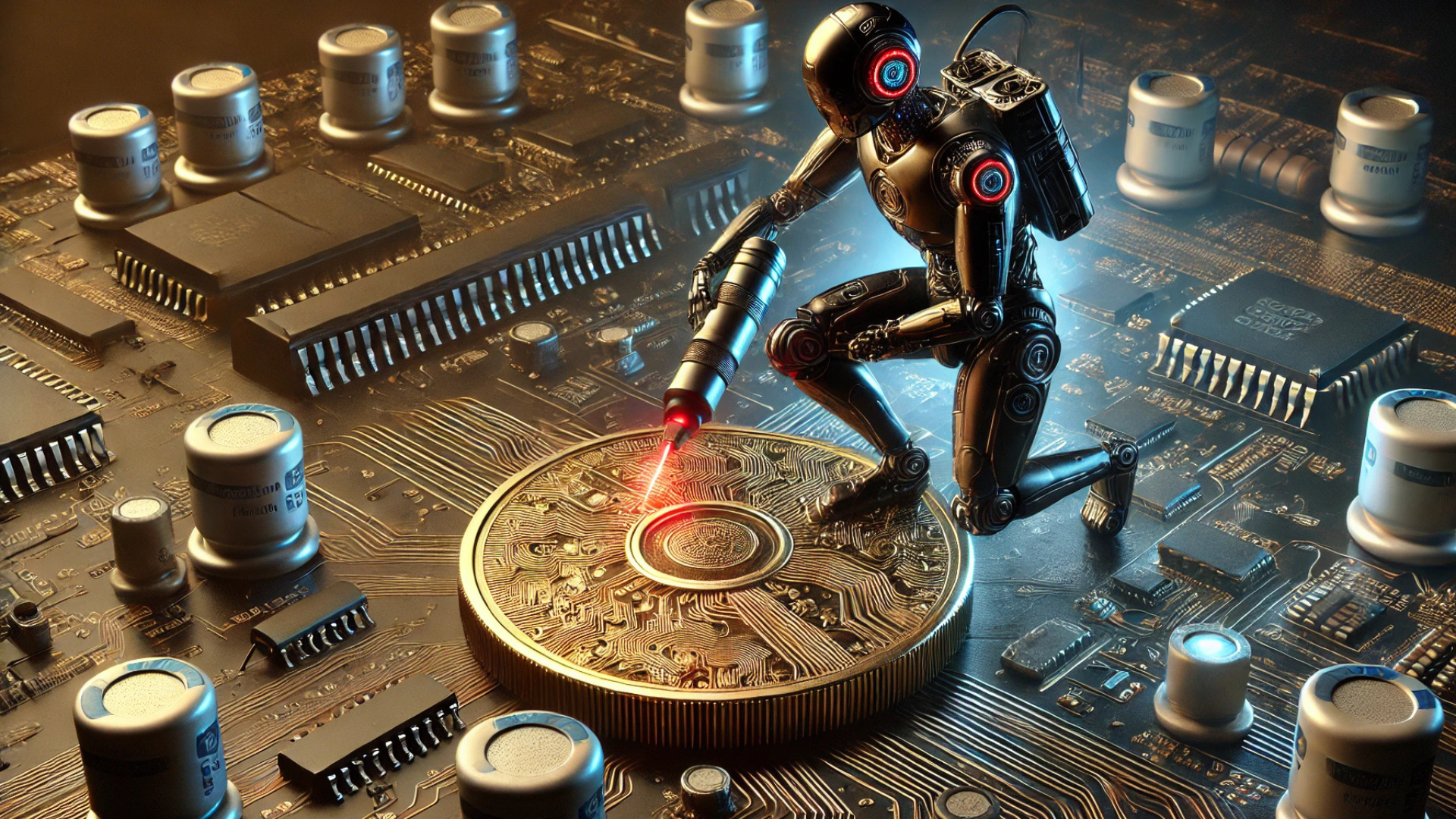

As artificial intelligence, blockchain, and cloud computing continue to expand, the demand for electricity, water, and data center capacity is putting growing pressure on cities and power grids.
New York has responded by temporarily slowing the expansion of new hyperscale data centers while it evaluates their environmental impact. At the same time, technology companies and researchers are exploring more unconventional ideas, including orbital data centers and space-based solar power.
These developments point to a broader question: can the next generation of digital infrastructure grow without placing even more strain on land, water, and energy systems?
New York Weather Highlights Growing Environmental Pressure
The discussion comes against a backdrop of extreme weather conditions affecting New York.
In early August, CBS meteorologist John Elliott broadcast a live weather segment from the National Lighthouse Museum on Staten Island.
The program combined weather coverage with the museum’s maritime history and highlighted environmental challenges including wildfire smoke, poor air quality, heavy rain, and flash flooding.
These conditions have become increasingly important to debates around infrastructure development.
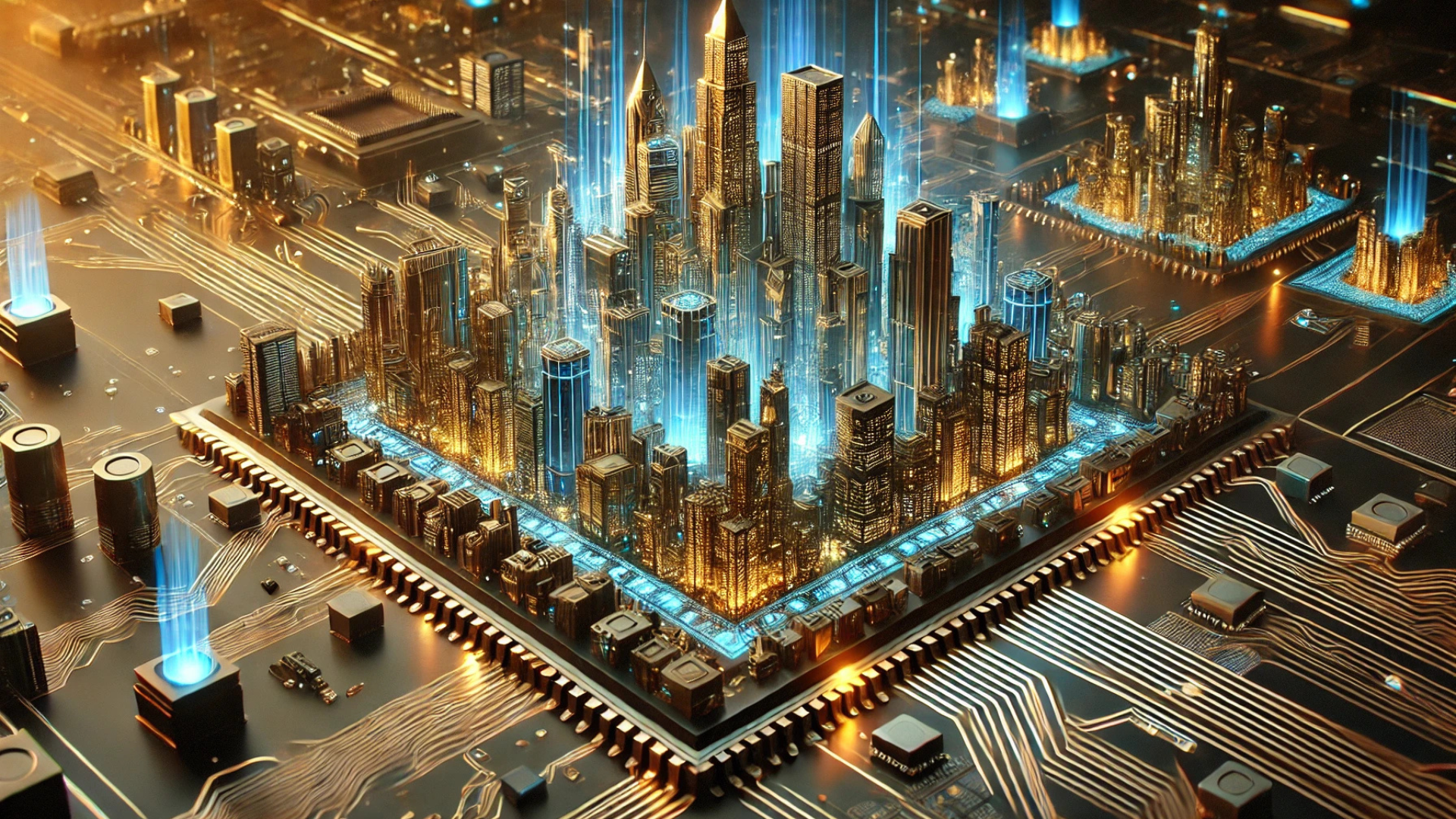
Data centers require large amounts of electricity and, in many cases, significant water resources for cooling.
When power grids are already dealing with extreme heat, storms, and other climate-related pressures, large new facilities can create additional concerns for local communities and policymakers.
National Lighthouse Museum Connects Old and New Navigation Technology
The National Lighthouse Museum occupies a location that once served as the U.S. Lighthouse Service General Depot from 1864 to 1939.
The site played an important role in the development and supply of lighthouses across the United States.
Today, physical lighthouses are no longer the primary navigation system for commercial shipping.
Satellite-based technologies such as GPS have taken over much of that role.
The museum now preserves the history of the earlier system while showing how navigation technology has changed over time.
That transition from physical lighthouses to satellite infrastructure provides an interesting parallel to today’s emerging space-based technologies.
Museum Displays Highlight Maritime Technology
During the CBS broadcast, the museum showcased a range of artifacts.
These included:
- A 1920s French foghorn
- A gas-powered weather signal buoy
- Fresnel lighthouse lenses
- Historical navigation equipment
- More than 160 miniature lighthouse models
The museum was also hosting a Statue of Liberty-themed art exhibition.
The Statue of Liberty itself once functioned as a lighthouse, making the exhibit another connection between navigation, infrastructure, and American technological history.
New York Faces Wildfire Smoke and Flooding
The source describes severe wildfire smoke affecting New York during July 2026.
Smoke from major Canadian wildfires contributed to poor air quality across New York City and other parts of the Northeast.
Europe was also dealing with significant wildfire activity in several countries, including France, Spain, Portugal, Italy, Greece, and parts of the United Kingdom.
Periods of heavy rainfall and flash flooding followed the poor air-quality conditions in New York.
These events have increased public attention on climate resilience and the environmental consequences of large infrastructure projects.
New York Pauses New Hyperscale Data Center Permits
On July 14, 2026, New York Governor Kathy Hochul issued an order temporarily restricting certain permits for new hyperscale data centers.
The moratorium is intended to last for up to one year while state agencies study their impact on the electrical grid and environment.
The measure targets particularly large facilities requiring at least 50 megawatts of electricity.
Hyperscale data centers are typically built to support services such as:
- Artificial intelligence
- Cloud computing
- Large-scale data storage
- Streaming
- Financial systems
- Blockchain infrastructure
Their enormous energy requirements have made them a growing policy issue.
Hyperscale Data Centers Consume Large Amounts of Power
Large data centers can consume the same amount of electricity as a small city.
The article notes that hyperscale facilities may require 100 megawatts or more of power.
Some facilities can also consume significant amounts of water each day for cooling.
The exact amount varies depending on the design, climate, cooling system, and computing workload.
AI is contributing heavily to this demand.
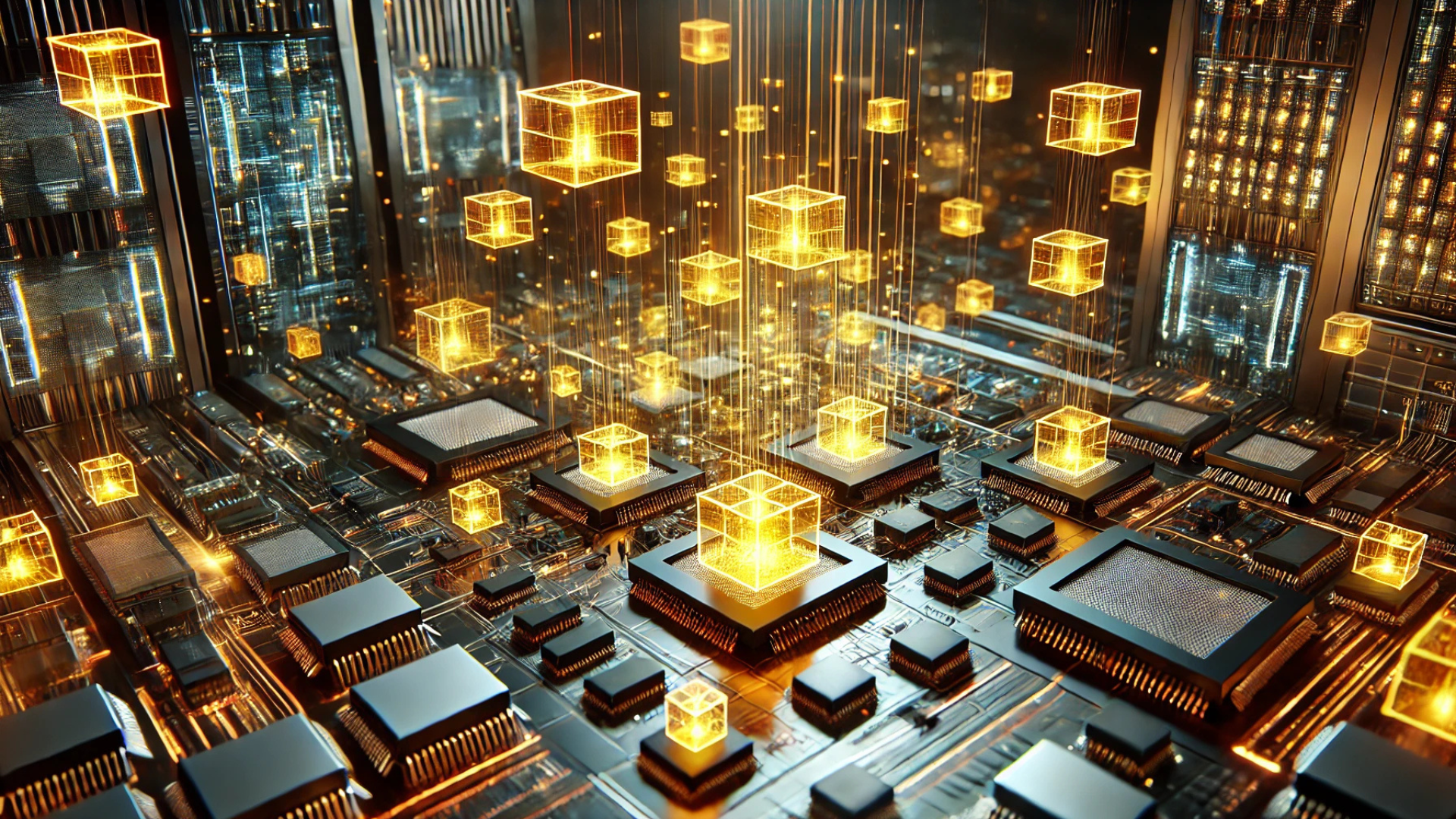
Training and operating large artificial intelligence models requires massive numbers of high-performance computing chips running around the clock.
United States Leads Global Data Center Development
The United States remains the world’s largest market for data center infrastructure.
Major technology companies including:
- Amazon Web Services
- Microsoft
- Oracle
have invested heavily in cloud computing and AI infrastructure.
The article states that the U.S. hosts more than 5,000 data center facilities and accounts for a significant share of worldwide capacity.
Demand is expected to continue growing as AI models become larger and more widely deployed.
New York Has Dozens of Proposed Data Center Projects
New York already hosts a substantial data center industry.
The article cites roughly 50 large facilities currently operating, several more under construction, and dozens of proposed hyperscale projects waiting in the state’s power queue.
These developments create an economic opportunity but also a difficult energy challenge.
Every new hyperscale facility competes for electricity with:
- Homes
- Businesses
- Transportation
- Manufacturing
- Public infrastructure
That is one reason state officials are taking time to evaluate future development.
Environmental Rights Influence New York Policy
New York is one of a small number of U.S. states with a constitutional environmental rights provision.
The state’s so-called Green Amendment establishes rights related to clean air, clean water, and a healthy environment.
Supporters argue that these rights give both citizens and courts a stronger basis for challenging government decisions that create environmental harm.
The data center moratorium reflects a broader debate about how economic development should be balanced with energy and environmental protection.
Could Data Centers Move Into Space?
One of the more ambitious solutions being discussed is the orbital data center.
Instead of operating huge computing facilities on Earth, some companies are exploring whether AI processing could eventually take place in orbit.
Space-based data centers could potentially offer several advantages.
They could reduce competition for terrestrial land and water while gaining access to large amounts of solar energy.
They could also potentially use the cold environment of space as part of their thermal-management systems.
Orbital Data Centers Could Use Continuous Solar Energy
Solar energy is much more consistent in space than on Earth.
Ground-based solar farms lose power at night and can be affected by clouds and weather.
Satellites positioned appropriately in orbit can receive sunlight for much longer periods.
This could potentially make solar-powered orbital computing attractive for highly energy-intensive AI workloads.
The idea is still technically challenging, but rapidly declining launch costs have made it more realistic than it would have been a decade ago.
Elon Musk Has Discussed Space-Based AI Computing
SpaceX CEO Elon Musk has publicly discussed the possibility of moving significant AI computing infrastructure into space.
His argument is based largely on resource constraints.
AI data centers require enormous amounts of power and cooling.
If electricity and water become major limitations on Earth, orbital computing could eventually offer an alternative.
Musk has suggested that falling launch costs and improvements in solar technology could make space-based AI infrastructure economically competitive within the next several years.
That remains a forward-looking prediction rather than a guaranteed timeline.
PowerBank Launched DeStarlink Genesis-1
The source points to an early project already moving in this direction.
In December 2025, Canadian company PowerBank launched the DeStarlink Genesis-1 satellite.
The project is associated with Orbit AI’s planned Orbital Cloud network.
The concept involves performing:
- AI computing
- Connectivity
- Blockchain verification
- Data processing
directly aboard low-Earth-orbit satellites.
The Genesis-1 launch represents an experimental first step rather than a full-scale orbital data center network.
Blockchain Could Support Space-Based Computing
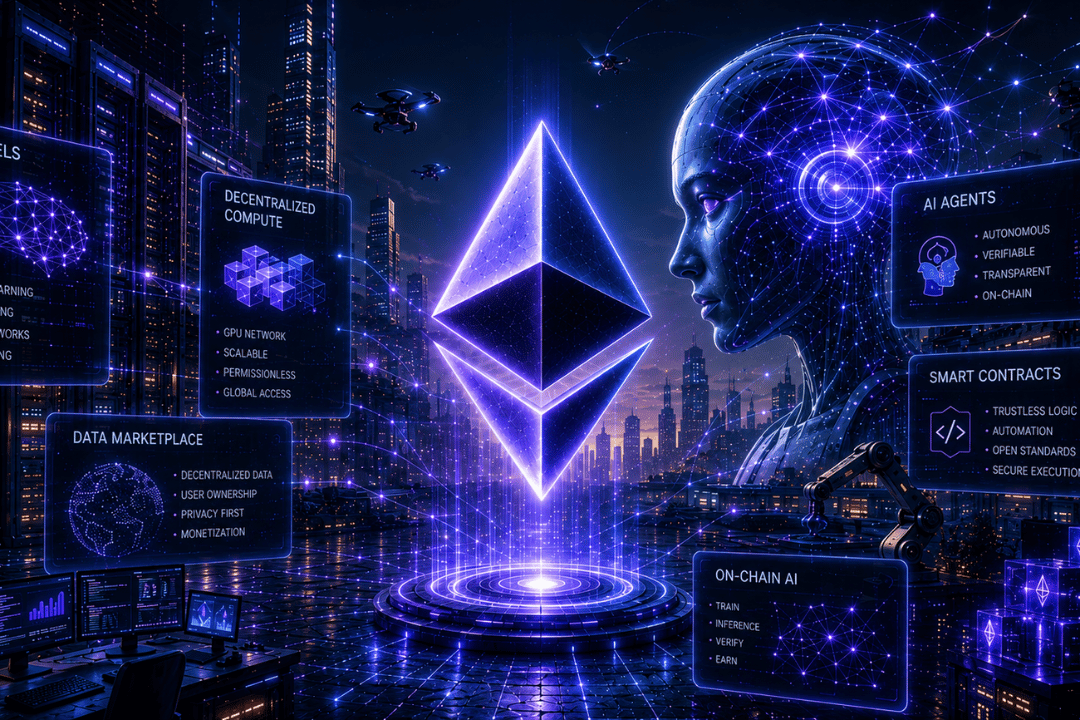
Blockchain technology could also play a role in orbital computing systems.
Distributed ledgers can provide verification for data processing and communication across multiple satellites.
This could help create auditable records of:
- Computing tasks
- Data transfers
- Payments
- Resource allocation
The article references Ethereum-based verification as part of the Orbit AI concept.
Whether this becomes practical at scale will depend on latency, bandwidth, launch costs, and hardware reliability.
Space-Based Data Centers Have Environmental Risks Too
Moving infrastructure into space would not eliminate environmental concerns.
It would simply change them.
Launching large numbers of satellites requires rockets, fuel, manufacturing, and repeated replacement missions.
Satellite re-entry can also introduce metals and other materials into the upper atmosphere.
Space debris is another serious issue.
A large orbital data center industry could increase the number of objects operating in low-Earth orbit, raising collision risks and complicating long-term space management.
Space Solar Power Offers Another Approach
Instead of moving data centers into orbit, another strategy is to keep servers on Earth while moving energy generation into space.
Space-based solar power systems would collect solar energy using satellites and transmit it to receivers on Earth.
This could provide electricity even when ground-based solar farms are experiencing nighttime or cloud cover.
The concept has been studied for decades.
Recent advances in launch systems, solar technology, and energy transmission are bringing new commercial attention to the idea.
Geosynchronous Satellites Could Provide Continuous Power
One proposal involves placing solar-generating satellites in geosynchronous orbit.
From this position, satellites could receive sunlight for long periods and transmit energy to receivers near large power users.
Data centers could potentially become major customers.
Instead of waiting years for new high-voltage transmission connections, a facility might receive power through a dedicated space-energy system.
Supporters believe this could help address electricity bottlenecks.
AI Data Centers Are Driving Energy Demand
Artificial intelligence is creating one of the largest new sources of power demand in the technology sector.
The article notes that Meta’s data center operations consumed more than 18,000 gigawatt-hours of electricity in 2024.
As AI usage expands, companies need substantially more computing capacity.
That means technology firms are searching for additional sources of reliable energy, including:
- Nuclear power
- Renewable energy
- Battery storage
- Natural gas
- Space-based solar
- Advanced grid systems
No single technology is likely to solve the entire problem.
AWS Focuses on Terrestrial Data Center Efficiency
Amazon Web Services continues to emphasize Earth-based infrastructure.
AWS has partnered with Orbital Materials on technologies intended to improve data center sustainability.
The collaboration uses artificial intelligence to design new synthetic materials.
These materials could potentially improve:
- Cooling
- Carbon removal
- Energy efficiency
- Data center construction
This represents a more conventional approach to the same challenge.
Instead of moving data centers into space, AWS is trying to make terrestrial infrastructure more efficient.
Meta Turns to Space-Based Solar Power
Meta is also exploring more unconventional solutions.
The company has entered an agreement with Overview Energy involving up to 1 gigawatt of potential space-based solar power capacity.
The concept uses satellites to collect energy in space and transmit it to terrestrial receivers.
According to the source, the proposed system would use near-infrared lasers to deliver energy from orbit.
That could allow ground-based solar facilities to receive additional energy during periods when they would otherwise not generate electricity.
Space Solar Could Help Avoid Grid Bottlenecks
One major challenge for new data centers is not simply generating electricity.
It is connecting the facility to the power grid.
Large projects can wait years for new transmission lines, substations, and interconnection approvals.
Space-based solar power could theoretically deliver energy closer to where it is needed.
This could reduce dependence on long-distance transmission.
However, the technology still needs to demonstrate economic viability, safety, reliability, and regulatory acceptance at commercial scale.
Up to 1 GW Would Be Significant Capacity
One gigawatt of electricity is a substantial amount of power.
At that scale, space-based solar could support major data center operations if the technology works as intended.
Meta’s agreement therefore represents an important commercial test.
The project could help determine whether space-based energy can move beyond research programs and become part of real-world infrastructure planning.
Success would likely encourage other technology companies to explore similar systems.
New York Still Needs More Computing Infrastructure
New York’s temporary data center moratorium creates a difficult economic challenge.
The state is one of the world’s most important centers for:
- Banking
- Finance
- Capital markets
- Media
- Technology
- Artificial intelligence
Modern financial markets increasingly rely on high-performance computing.
Blockchain-based tokenization also requires reliable digital infrastructure.
Slowing new data center construction could therefore create concerns about whether New York can maintain its position as a leading financial and technology center.
The Moratorium Is Temporary
The current restriction is not necessarily a permanent ban on large data centers.
The state is using the one-year period to study environmental and power-grid impacts.
The eventual outcome could include:
- New energy standards
- Water-use restrictions
- Renewable power requirements
- Grid contribution rules
- Location limitations
- Efficiency requirements
Such measures could allow future data center construction to continue under stricter conditions.
SUNNY Act Could Expand Window Solar
New York lawmakers are also pursuing smaller-scale renewable energy solutions.
The Solar Up Now New York Act, known as the SUNNY Act, would allow certain window-based solar systems to be used more widely.
These solar panels could potentially be installed on commercial and residential buildings.
Data center facilities might also be able to use them as part of broader renewable energy strategies.
The bill was awaiting action from Governor Hochul at the time described in the article.
Window Solar Could Expand Urban Renewable Energy
Traditional solar development often requires rooftops or large areas of land.
Window-integrated solar systems could make use of vertical building surfaces.
In dense cities such as New York, this could significantly increase the area available for electricity generation.
The amount of energy produced by each individual installation may be modest compared with a hyperscale data center’s demand.
Still, widespread deployment could contribute to broader distributed-energy systems.
AI Growth Is Forcing Energy Innovation
The larger theme connecting all of these developments is the enormous growth in AI computing.
AI companies want increasingly powerful models.
Those models require more chips.
More chips require more electricity.
More electricity requires:
- Power plants
- Grid upgrades
- Cooling
- Land
- Water
- Transmission infrastructure
This creates an environmental and engineering challenge that cannot be solved solely by building more traditional data centers.
Space May Become Part of the AI Infrastructure Mix
Orbital data centers and space-based solar power remain experimental.
However, the economic forces driving interest in them are real.
If terrestrial electricity becomes more expensive and grid connections become harder to secure, technology companies will look for alternatives.
Space infrastructure could become one part of the solution.
It is unlikely to completely replace Earth-based data centers.
Instead, orbital computing may eventually complement traditional facilities.
Space-Based Computing Still Faces Major Obstacles
Building data centers in orbit presents enormous engineering challenges.
Servers would have to survive:
- Radiation
- Temperature extremes
- Launch vibration
- Hardware failure
- Communication delays
- Space debris
Repairing equipment would also be much more difficult than maintaining a normal data center.
A failed server on Earth can be replaced by a technician.
A failed server in orbit could require a robotic repair system or an entirely new launch.
These costs must fall significantly before orbital data centers can compete at large scale.
Energy Transmission Also Needs Strong Safety Standards
Space-based solar power creates a different set of challenges.
Transmitting energy from orbit to Earth requires carefully controlled technology.
Whether the system uses radio-frequency transmission, microwaves, or lasers, regulators would need to establish safety standards.
The system would also need extremely precise targeting.
Large commercial deployments would require international coordination because satellites operate above multiple countries.
These regulatory challenges could take years to resolve.
Environmental Trade-Offs Will Remain
There is no completely impact-free form of infrastructure.
Terrestrial data centers consume land, water, and electricity.
Space-based facilities require rockets, satellites, and manufacturing.
Ground-based solar requires land and material resources.
Space solar creates orbital and atmospheric concerns.
The real policy question is therefore not whether technology has an environmental impact.
It is which combination of technologies creates the lowest overall cost while providing the computing capacity society needs.
New York’s Data Center Pause Could Encourage Innovation
New York’s moratorium may slow some infrastructure investment in the short term.
At the same time, it could push companies to consider more efficient alternatives.
Developers may need to demonstrate:
- Better energy efficiency
- Renewable power usage
- Lower water consumption
- Improved cooling
- Grid-support technology
This could lead to more sustainable data center designs.
Financial Markets Increasingly Depend on Computing
New York’s role as a financial center makes the infrastructure debate especially important.
Modern finance depends heavily on technology.
Trading platforms, banks, blockchain networks, AI systems, and tokenized assets all require enormous amounts of computing capacity.
As financial markets become increasingly digital, access to reliable electricity and data centers becomes part of economic competitiveness.
That means environmental policy and financial policy are becoming more closely connected.
Blockchain Tokenization Adds to Infrastructure Demand
Tokenization is another growing source of computing requirements.
Financial institutions are experimenting with blockchain-based versions of:
- Stocks
- Bonds
- Treasury securities
- Funds
- Real estate
- Stablecoins
If these markets grow significantly, the infrastructure supporting them will also expand.
Blockchain itself is only one component.
Custody, compliance, analytics, AI, cybersecurity, and traditional financial systems will all need additional computing resources.
The Future Could Combine Earth and Space Infrastructure
The most realistic future may not involve choosing between terrestrial and orbital data centers.
Instead, the digital economy could rely on a combination of:
- Efficient Earth-based data centers
- Renewable energy
- Nuclear power
- Distributed solar
- Space-based solar
- Orbital computing
- Advanced grid storage
Different technologies may serve different types of workloads.
High-latency workloads could remain on Earth, while specialized AI or satellite-processing tasks might eventually move into orbit.
Lightkeepers to Satellites Reflect a Bigger Technology Shift
The National Lighthouse Museum provides an interesting symbol for this transition.
For generations, physical lighthouses helped ships navigate coastlines.
Satellites eventually took over much of that role.
Today, satellites may be preparing for an even larger role in communications, computing, energy, and artificial intelligence.
What began as navigation infrastructure could evolve into a much broader space-based digital economy.
The AI Energy Race Is Only Beginning
The rapid growth of artificial intelligence is forcing governments and technology companies to reconsider how computing infrastructure is powered.
New York’s moratorium shows that simply building more hyperscale data centers may no longer be politically or environmentally sustainable everywhere.
Orbital data centers and space-based solar remain ambitious ideas.
Yet major companies are already experimenting with both concepts.
The next decade may determine whether these technologies remain niche experiments or become important parts of global digital infrastructure.
For now, the challenge is clear: AI and blockchain require more computing power, but future growth must increasingly account for the environmental limits of traditional infrastructure.