

The collapse of FTX in 2022 fundamentally changed how investors view centralized cryptocurrency exchanges. Billions of dollars in customer funds disappeared, exposing how little transparency existed regarding whether exchanges actually held the assets they claimed.
In response, the crypto industry adopted a new transparency standard known as Proof of Reserves (PoR). Today, many leading exchanges publish proof-of-reserves reports to demonstrate that customer assets are backed by real on-chain holdings.
While proof of reserves is an important step toward greater transparency, it is not a perfect solution. Understanding what it proves—and what it doesn’t—is essential for anyone using centralized crypto platforms.
What Is Proof of Reserves?
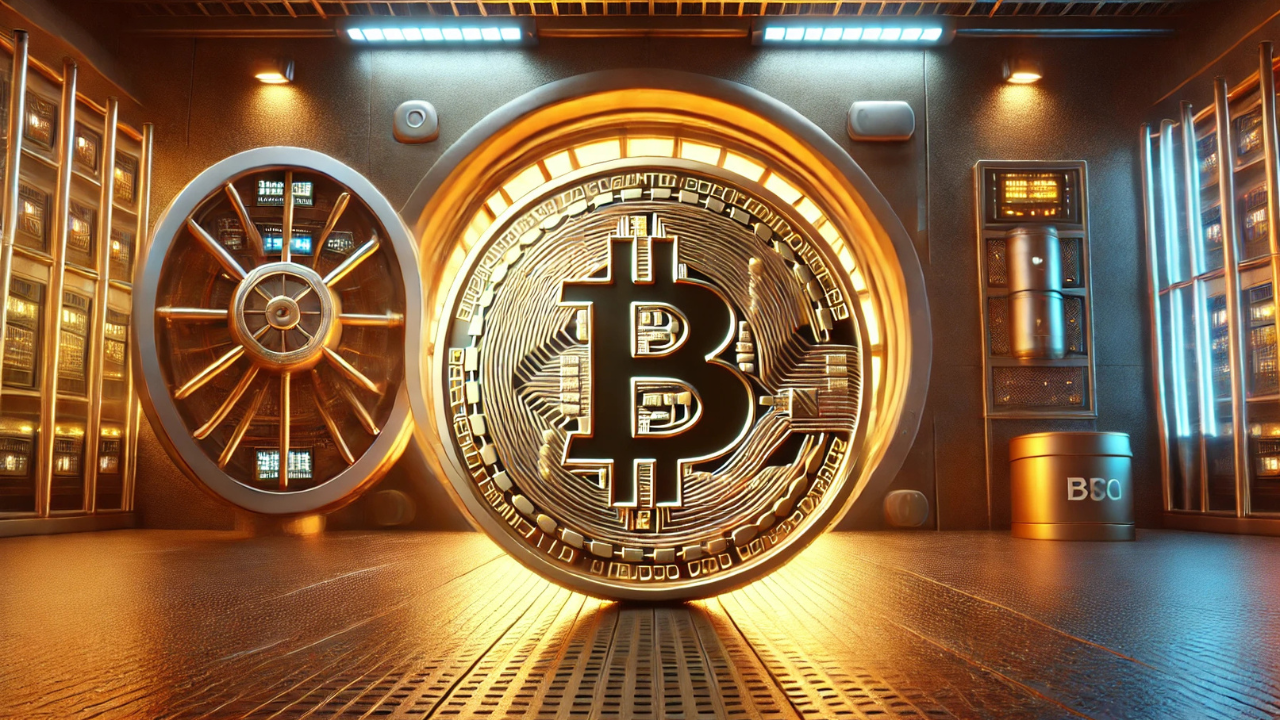
Proof of Reserves (PoR) is a cryptographic verification method that allows cryptocurrency exchanges to demonstrate they hold enough digital assets to cover customer deposits.
Instead of asking users to simply trust the company, exchanges publish verifiable blockchain data showing the assets they control and, in stronger implementations, compare those holdings against customer liabilities.
A complete proof of reserves consists of two equally important parts:
- Proof of assets
- Proof of liabilities
Only when both are verified can users gain meaningful confidence that an exchange is financially solvent.
Why Proof of Reserves Became Necessary
Centralized exchanges store cryptocurrencies on behalf of millions of users.
When customers deposit Bitcoin, Ethereum, or other digital assets, the exchange controls the private keys while users see balances displayed in their accounts.
As long as the exchange manages those assets responsibly, withdrawals work without issue.
Problems arise when customer funds are secretly:
- Lent to third parties
- Used for proprietary trading
- Pledged as collateral
- Lost through poor risk management
This is exactly what happened with FTX.
The exchange continued displaying full customer balances even after billions of dollars had been diverted elsewhere. The shortfall only became visible once customers rushed to withdraw their funds.
Proof of reserves was introduced to make this type of hidden insolvency much harder to conceal.
The Two Halves of Proof of Reserves
Many people assume proof of reserves simply means publishing wallet balances.
In reality, that only tells half the story.
Proof of Assets
This demonstrates that an exchange controls specific cryptocurrency wallets.
Since blockchain transactions are publicly visible, exchanges can:
- Publish wallet addresses
- Digitally sign messages proving ownership
- Allow anyone to verify wallet balances on-chain
This confirms the exchange possesses certain digital assets.
Proof of Liabilities
Assets alone cannot prove solvency.
An exchange also needs to demonstrate how much it owes its customers.
For example:
- Exchange assets: $1 billion
- Customer deposits: $1.5 billion
Despite holding a substantial amount of crypto, the exchange would still be insolvent.
Proof of liabilities measures total customer balances so they can be compared against available assets.
Without both sides of the equation, proof of reserves remains incomplete.
How Merkle Trees Protect Customer Privacy
To verify customer liabilities without exposing private account information, exchanges typically use a cryptographic structure known as a Merkle Tree.
Here’s how it works:
Each customer’s balance is converted into a cryptographic hash.
Those hashes are then combined repeatedly until they produce a single final value known as the Merkle Root.
The Merkle Root acts as a unique digital fingerprint representing every customer balance included in the calculation.
Each customer can then verify that:
- Their account was included
- Their balance was counted correctly
- No private financial information was revealed
If enough users independently confirm their balances, confidence in the exchange’s liability calculations increases significantly.
The Next Step: Zero-Knowledge Proofs
Some exchanges have improved traditional proof-of-reserves systems by adding Zero-Knowledge Proofs (zk-SNARKs).
These advanced cryptographic methods allow exchanges to prove several important facts without revealing confidential information.
Zero-knowledge proofs can verify that:
- Every customer balance was included
- No fake negative balances were inserted
- Liability calculations are accurate
- Customer privacy remains protected
This provides stronger mathematical assurance while keeping sensitive financial data confidential.
The Limitations of Proof of Reserves
Although proof of reserves improves transparency, it cannot answer every question about an exchange’s financial health.
It Is Only a Snapshot
Proof of reserves reflects a specific point in time.
An exchange could temporarily borrow assets before publishing a report and return them afterward, creating a misleading picture of solvency.
Hidden Obligations May Exist
Blockchain wallets do not reveal whether assets have been:
- Borrowed
- Pledged as collateral
- Subject to other financial obligations
Coins may appear fully available while actually securing external liabilities.
Off-Chain Liabilities Are Invisible
Proof of reserves cannot easily verify:
- Bank loans
- Corporate debt
- Legal obligations
- Other off-chain financial commitments
An exchange could appear healthy on-chain while carrying significant liabilities elsewhere.
Assets Alone Do Not Equal Solvency
Some exchanges publish wallet balances without proving customer liabilities.
Without both figures, users cannot determine whether reserves actually cover customer deposits.
Proof of Reserves Is Not the Same as a Financial Audit
One common misconception is that proof of reserves replaces a traditional audit.
It does not.
A full financial audit examines:
- Assets
- Liabilities
- Internal controls
- Corporate governance
- Accounting records
- Debt obligations
- Financial reporting
Proof of reserves focuses primarily on verifying on-chain cryptocurrency holdings and customer liabilities at a single point in time.
It cannot evaluate every aspect of an exchange’s financial health.
How to Evaluate an Exchange’s Proof of Reserves
Not all proof-of-reserves reports provide the same level of transparency.
Before trusting an exchange, investors should consider several factors.
Verify Assets
The exchange should publicly demonstrate ownership of reserve wallets.
Verify Liabilities
Look for Merkle Tree liability proofs rather than simple wallet balances.
Independent Verification
Third-party auditors provide stronger assurance than self-published reports.
Frequent Updates
Regular proof-of-reserves reports reduce the risk of temporary balance manipulation.
User Verification
Customers should be able to confirm that their own balances were included in the liability calculations.
Why Self-Custody Still Matters
Proof of reserves improves transparency, but it does not eliminate custodial risk.
The safest way to control digital assets remains self-custody, where users hold their own private keys rather than relying on centralized exchanges.
The well-known crypto principle still applies:
“Not your keys, not your coins.”
Many experienced investors choose to keep only active trading balances on exchanges while storing long-term holdings in hardware wallets.
The Bottom Line
Proof of reserves has become one of the cryptocurrency industry’s most important transparency initiatives following the collapse of FTX.
By combining blockchain verification, Merkle Trees, and increasingly sophisticated zero-knowledge proofs, exchanges can provide greater confidence that customer assets are backed by real on-chain holdings.
However, proof of reserves should not be viewed as a complete guarantee of financial health. It cannot fully reveal hidden debts, off-chain obligations, or ensure long-term solvency.
For investors, proof of reserves is best treated as one important trust signal among many. Choosing reputable exchanges, reviewing independent audits, and practicing self-custody for long-term holdings remain essential steps in managing crypto risk.
Disclaimer: This article is for educational purposes only and should not be considered financial or investment advice. Always conduct your own research before choosing a cryptocurrency exchange or custody provider.