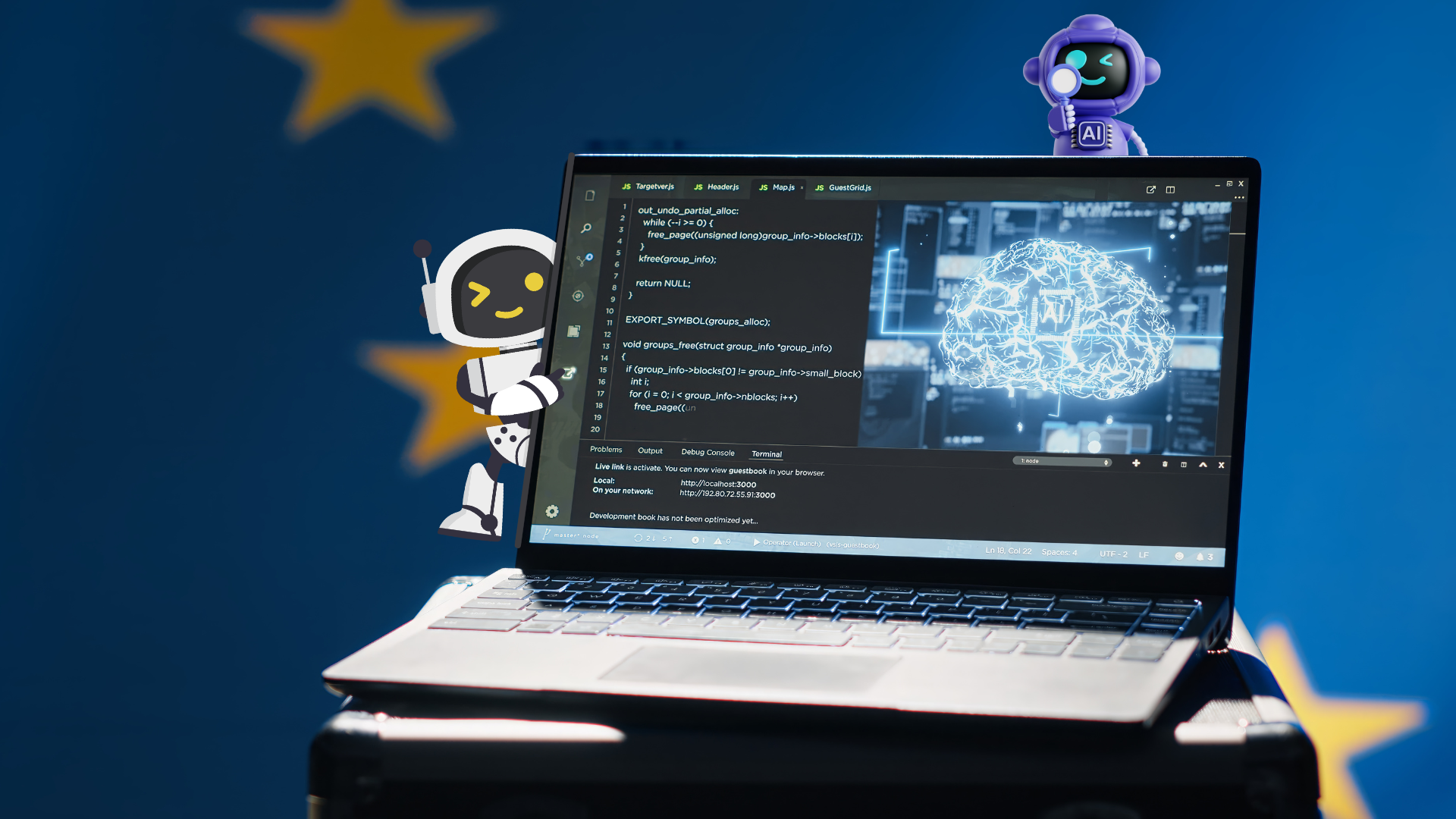


Ethereum co-founder Vitalik Buterin believes that combining artificial intelligence with formal verification could become one of the most important shifts in software development.
In a recent essay, Buterin said AI-assisted formal verification may become the “final form” of building software. His idea is simple but powerful: developers could create highly efficient code while also using machine-checked proofs to confirm that the code works as intended.
For Ethereum, this could be especially important. The network depends on complex systems, including consensus mechanisms, zero-knowledge proofs, ZK-EVMs, STARKs, and future cryptographic upgrades. Any mistake in these areas can be costly, so stronger verification tools could make the ecosystem safer.
Why AI-Assisted Formal Verification Matters
Formal verification is a method used to prove that software behaves correctly according to a defined set of rules. Instead of only testing code with examples, developers use mathematical proofs to confirm that certain errors should not happen.
But formal verification is difficult. It takes time, deep technical knowledge, and careful work. This is where AI could help.
Buterin suggested that AI may make the process faster by helping developers write proof code, check implementation details, and find inconsistencies between different systems. In his view, AI should not just be used to produce code faster. It should also be used to make that code safer.
Ethereum Could Benefit From Safer Code
Ethereum’s roadmap includes several highly technical upgrades. These include ZK-EVMs, STARK proofs, consensus improvements, and quantum-resistant cryptography.
These systems are often easier to describe at a high level than to implement correctly in code. That makes them strong candidates for formal verification. If developers can clearly define what the system should do, formal methods can help prove that the actual implementation follows those rules.
Buterin has also pointed to real examples, including work connected to the Lean Ethereum project. In one case, AI reportedly helped create a machine-verifiable proof for a complex theorem used in STARK security.
That kind of progress suggests AI could become a serious tool for proving the correctness of important crypto infrastructure.
AI Is Helpful, But Not Magic
Buterin also warned that AI-assisted development will not remove all problems.
He has repeatedly said developers should not expect to write one prompt and instantly receive secure, production-ready code. AI can speed up the process, but developers will still need to test, debug, review, and resolve conflicts between different implementations.
In other words, AI can support software security, but it cannot replace careful engineering.
Formal verification also has limits. It can prove that code matches a specific specification, but the specification itself must be correct. If the wrong goal is defined, the proof may still pass while the system behaves in a way users do not expect.
Security Still Needs Multiple Layers
Buterin has argued that crypto security should focus on reducing the gap between what users intend and what systems actually do.
That means formal verification is only one part of a larger safety strategy. Developers still need simulations, audits, multisig protection, multiple client implementations, and careful testing.
Even so, formal verification can remove many dangerous bugs before they reach users. When combined with AI, it may become practical for more teams, not just small groups of specialists.
A Faster and Safer Ethereum Roadmap
Buterin’s bigger message is that AI could help Ethereum move faster without lowering its security standards.
He believes the Ethereum roadmap may finish sooner than many people expect, especially if AI tools are used wisely. But he also stressed that the goal should not be speed alone. A large share of AI’s productivity gains should go into better testing, stronger proofs, and more reliable systems.
The idea behind AI-assisted formal verification is not just to write more code. It is to build software that is faster, more efficient, and much harder to break.
For Ethereum, that could mean safer upgrades, stronger cryptographic systems, and a future where complex blockchain infrastructure is backed by machine-checkable proof rather than trust alone.