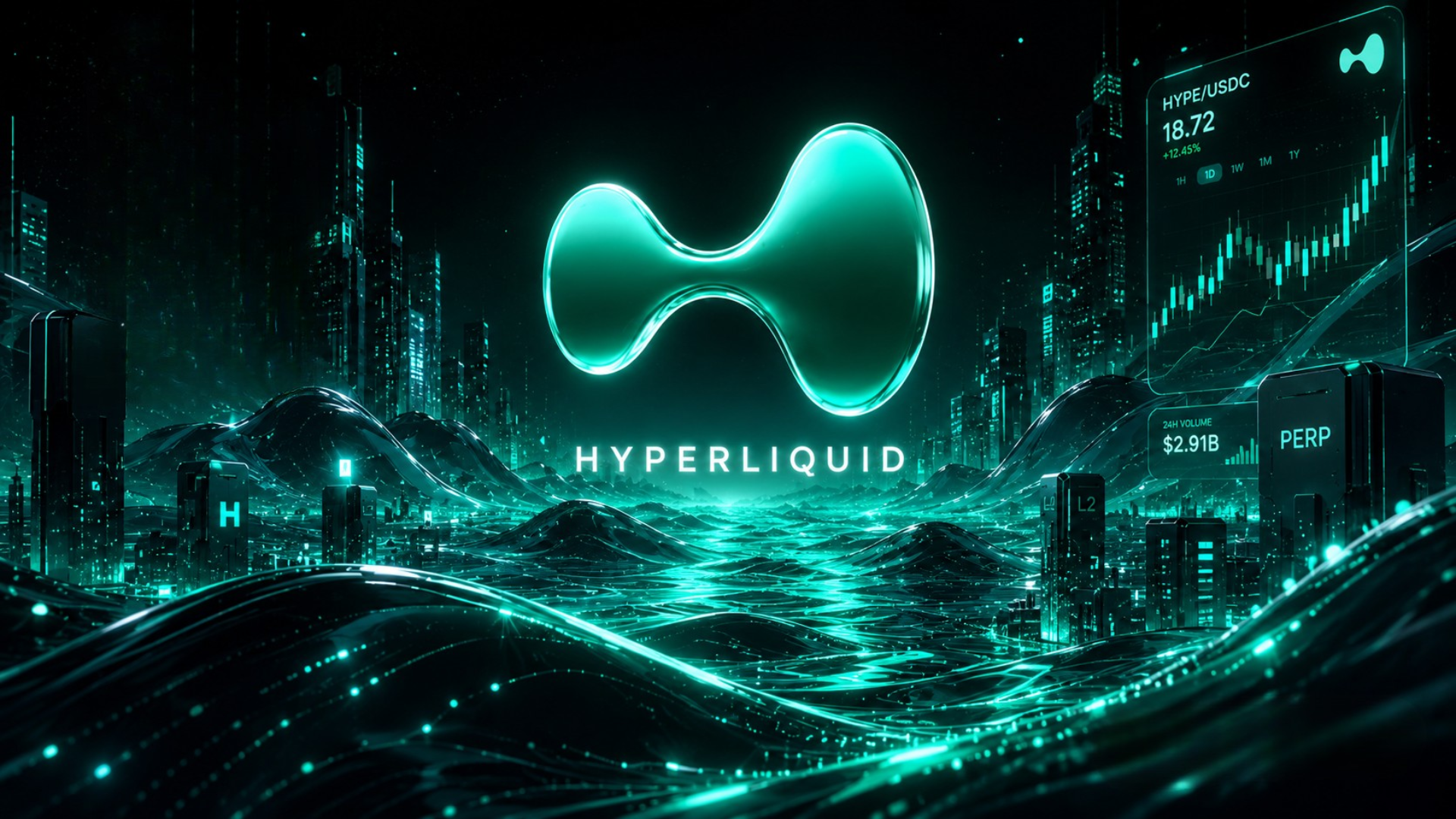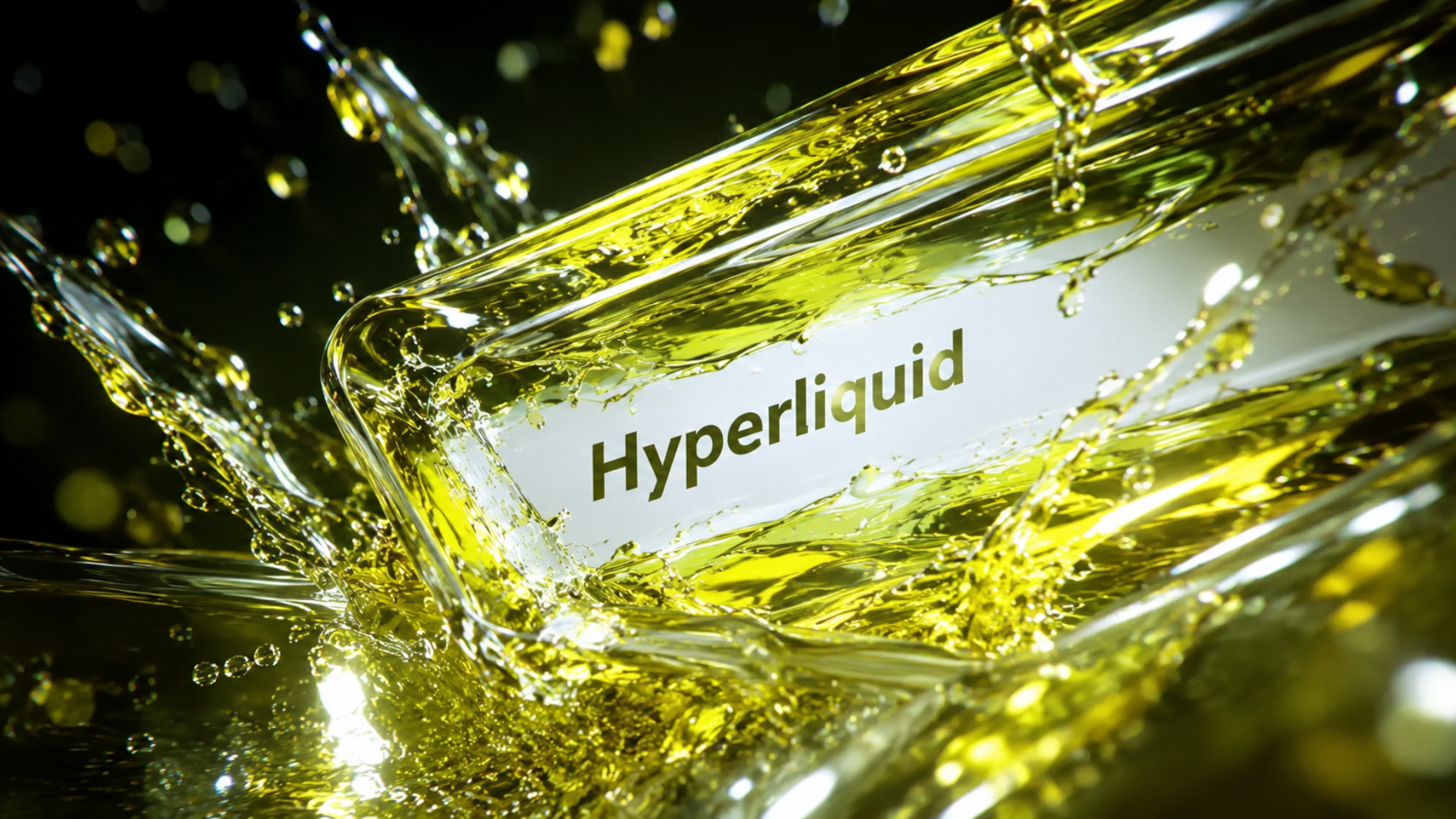


Hyperliquid has rapidly become one of the largest decentralized perpetual futures trading platforms, processing more than $200 billion in monthly trading volume while capturing roughly 70% of the on-chain perpetuals market.
Despite its rapid growth, questions about the platform’s decentralization continue to spark debate across the crypto industry. Critics argue that Hyperliquid remains heavily controlled by its foundation, while supporters point to significant improvements in validator distribution over the past year.
The reality lies somewhere in between. Although the network has become more decentralized than it was at launch, several governance concerns—including validator concentration and closed-source software—remain unresolved.
Hyperliquid’s validator network has expanded significantly
When Hyperliquid first launched, every validator was operated by the project’s foundation.
Since then, the network has steadily expanded.
The validator count has grown from:
- 4 validators at launch
- 16 validators in early 2025
- 21 validators after registration became permissionless
- 24 validators later in the year
- 27 active validators as of June 2026
Today, anyone meeting the staking requirements can register as a validator, with the largest staked operators forming the active validator set.
This represents meaningful progress compared to the network’s early structure.
Foundation influence has declined—but remains significant
One of the biggest criticisms of Hyperliquid has been the concentration of voting power.
Earlier reports suggested that foundation-operated validators controlled more than 80% of all staked HYPE.
That figure has changed considerably.
Following several redelegations, foundation-operated validators now control approximately 49.3% of the total staked HYPE, while the remaining 50.7% is distributed across 22 independent validator operators.
Although this marks a major improvement, nearly half of the network’s staking power remains connected to the foundation, leaving governance relatively concentrated compared with larger blockchain ecosystems.
How Hyperliquid governance works
Hyperliquid uses a delegated Proof-of-Stake (DPoS) system.
Validators must lock a minimum amount of HYPE tokens to participate, while token holders can delegate their stake to validator operators.
Unlike some other blockchain networks, Hyperliquid currently does not use automatic slashing penalties for validator mistakes or misconduct.
Instead, governance decisions are determined by staking weight, meaning validators with larger amounts of delegated HYPE hold greater influence over network proposals and voting outcomes.
Can the foundation remove validators?
One frequently repeated claim is that the Hyperliquid Foundation can remove validators whenever it chooses.
According to the project’s documentation, that isn’t entirely accurate.
Validators can be temporarily jailed through a peer-voting process if they experience reliability or performance issues.
There is no documentation suggesting that the foundation can arbitrarily remove validators without following established network procedures.
However, because governance votes are weighted by stake, critics argue that the foundation’s large voting power still gives it considerable influence over important decisions.
Closed-source software remains a concern
While validator distribution has improved, another issue remains unresolved.
Hyperliquid’s validator software is still closed source.
The foundation has stated that the software will eventually become open source once development reaches greater stability.
Until that happens, independent validators must operate software they cannot fully inspect or audit.
For many observers, this remains the platform’s biggest decentralization concern.
The JELLY incident highlighted governance power
Hyperliquid’s governance model faced one of its biggest tests during the JELLY memecoin incident in 2025.
Following suspected market manipulation that threatened the platform’s liquidity vault, validators voted to delist the market and settle positions in a way that limited losses.
Supporters argued the decision protected users from manipulation.
Critics viewed the event as evidence that validators—and by extension the foundation—could intervene directly when significant financial risks emerged.
The incident demonstrated that Hyperliquid possesses an effective emergency governance mechanism, but it also raised questions about how decentralized those decisions truly are.
Small validator set remains the biggest challenge
Even after recent improvements, Hyperliquid operates with only 27 validators.
For comparison:
- Ethereum is secured by hundreds of thousands of validators.
- Solana operates with roughly 1,800 validators.
- Cosmos Hub also maintains several hundred validator operators.
Hyperliquid deliberately maintains a smaller validator set to achieve the high transaction speeds required for its on-chain order book and perpetual futures exchange.
That design improves performance but also increases governance concentration compared with larger blockchain networks.
Regulatory attention is increasing
Governance debates have also attracted regulatory attention.
In June, Singapore’s Monetary Authority of Singapore (MAS) added Hyperliquid to its Investor Alert List.
The listing does not accuse the project of wrongdoing or prohibit users from accessing the platform.
However, it highlights growing regulatory interest in determining who ultimately controls decentralized trading platforms and whether those platforms operate as truly decentralized infrastructure.
What investors should watch
Several developments will help determine how Hyperliquid’s governance evolves over time:
- Whether foundation-controlled stake continues to decline.
- If the validator software becomes open source.
- How future governance decisions are handled during market emergencies.
- Whether additional regulators examine the platform’s governance structure.
These factors may ultimately have a greater impact on investor confidence than validator counts alone.
Outlook
Hyperliquid has made measurable progress toward decentralization by expanding its validator network and reducing the foundation’s share of staked HYPE.
Nevertheless, the platform still operates with a relatively small validator set, nearly half of the network’s staking power remains linked to the foundation, and its validator software has yet to become open source.
As Hyperliquid continues growing into one of the largest decentralized trading platforms, future improvements in governance transparency and validator distribution will likely play an important role in shaping both regulatory scrutiny and long-term user trust.