

Crypto markets may look active from the outside, but trading is not always as smooth as it seems. One of the biggest hidden problems in the industry today is crypto liquidity fragmentation.
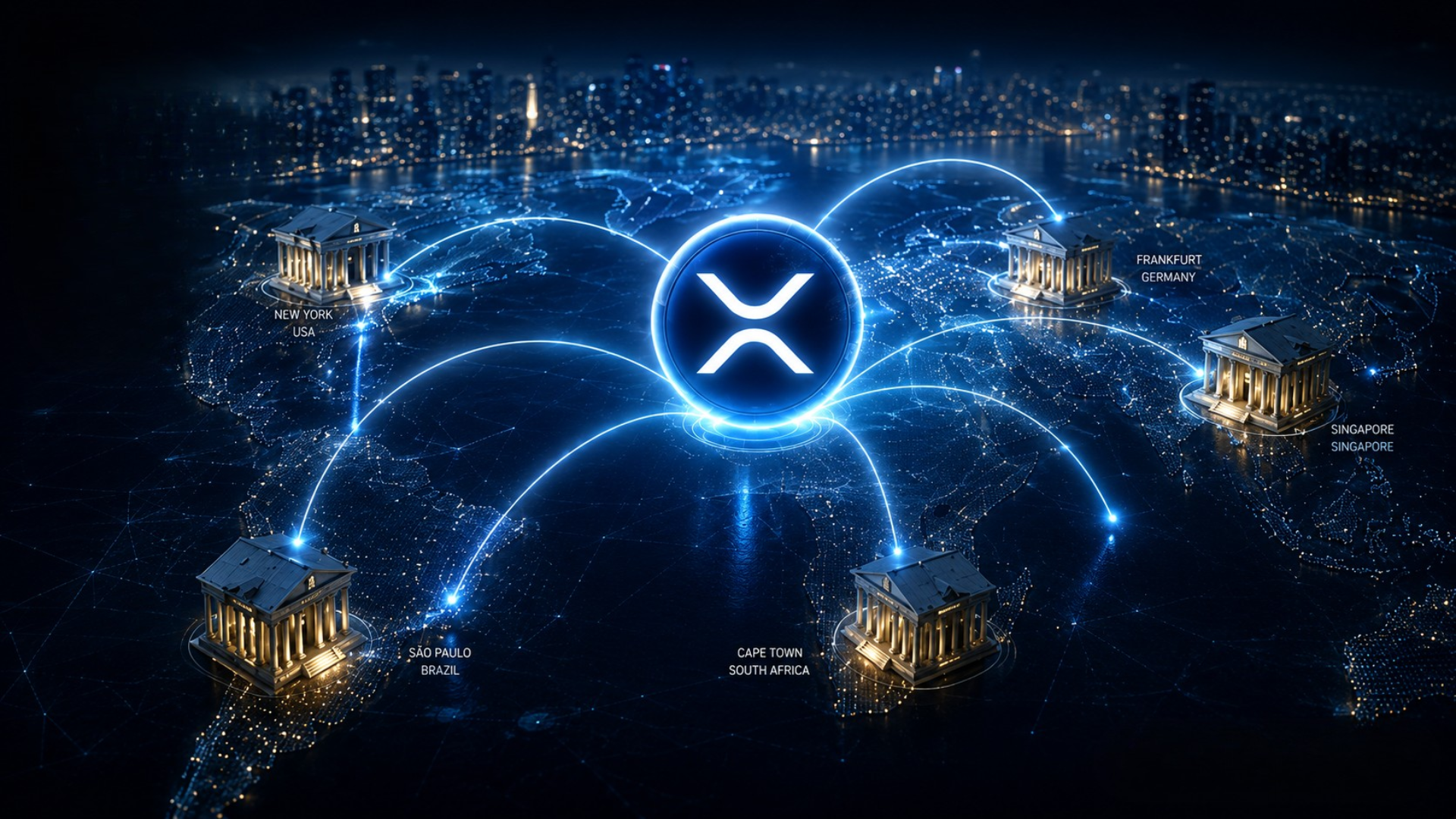
Liquidity is spread across hundreds of exchanges, trading pairs, market makers, and platforms. At first, that looks like a good thing because more exchanges mean more access and competition. But in practice, it also means liquidity is often scattered across many disconnected markets.
This creates a major issue for traders. A trade that fills easily on one exchange may face poor execution on another. Prices can move differently across venues, spreads can widen quickly, and slippage can become expensive.
What Is Crypto Liquidity Fragmentation?
Crypto liquidity fragmentation happens when trading activity is divided across many separate exchanges instead of being concentrated in a few deep markets.
Each exchange has its own order book, liquidity depth, trading fees, market participants, and execution quality. Because these markets are not fully connected, the same asset can trade under very different conditions depending on the venue.
For major pairs like Bitcoin and Ethereum, this problem is usually less severe because large exchanges have deep liquidity. But for mid-cap and smaller tokens, liquidity can become thin very quickly.
A token may be listed on many exchanges, but only a few of those platforms may have enough real depth to support larger trades.
Why Fragmented Liquidity Hurts Traders
The biggest problem caused by liquidity fragmentation is poor execution.
When an order book is thin, even a moderate trade can move the price. This leads to slippage, which means traders receive a worse price than expected.
During calm market conditions, this may look like a small issue. But during volatile periods, it can become much worse. Order books on smaller exchanges can dry up within seconds. Spreads widen, market orders hit weak liquidity, and prices move sharply.
For active traders and institutions, these small inefficiencies add up. Over hundreds or thousands of trades, slippage and spread costs can become a serious drag on performance.
This is why real liquidity matters more than headline trading volume.
Reported Volume Can Be Misleading
Many exchanges show strong trading volume, but volume alone does not prove that a market has healthy liquidity.
A token may appear active on market data platforms, but actual executable depth may be weak. This means traders may not be able to buy or sell meaningful size without moving the market.
That gap between reported activity and real liquidity is becoming a bigger concern for institutional traders. Professional investors look beyond volume. They care about order book depth, spread stability, slippage, and execution reliability.
If liquidity is weak, the market becomes harder to trust.
Why Exchanges Make the Problem Bigger
Exchange competition has made liquidity fragmentation worse.
Over the years, many new crypto exchanges have launched with similar goals. They compete through faster listings, lower fees, regional access, and extra trading features.
This has helped expand crypto access, but it has also spread liquidity across too many venues.
For top assets like BTC and ETH, the market can handle this because demand is strong. But for smaller tokens, liquidity becomes divided. A token may trade on dozens of exchanges, yet only a few may offer strong execution.
This creates uneven market quality. Some users get smooth trades, while others face wider spreads and higher slippage.
Why Token Projects Care About Liquidity
For token projects, liquidity quality directly affects reputation.
A project may show high total trading volume across multiple exchanges, but if traders cannot execute properly, confidence can fall. Institutional participants notice when liquidity is thin, spreads are unstable, or price impact is too high.
Poor liquidity makes it harder for larger investors to enter or exit positions. That increases perceived risk and can reduce interest in the token.
Projects also face operational challenges. Every exchange has different requirements, APIs, trading pairs, fee models, and liquidity expectations. Managing all of this across several venues is difficult for most teams.
This is why many projects work with professional market makers.
The Role of Market Makers
Market makers help reduce the problems created by fragmented liquidity.
They place buy and sell orders across multiple exchanges, helping improve order book depth and tighten spreads. Their role becomes especially important during volatile markets, when liquidity can disappear quickly.
Market makers do not create real demand for a token. Instead, they help keep markets functional. They make it easier for traders to enter and exit positions with less slippage and more predictable execution.
For exchanges, better liquidity improves trading quality. For projects, it supports market confidence. For traders, it creates a smoother experience.
Why This Problem Matters More Now
As crypto becomes more mature, liquidity quality is becoming more important.
In the early days, many traders focused mostly on price action and hype. Now, professional investors are paying closer attention to market structure. They want reliable execution, stable spreads, and enough depth to trade meaningful size.
This means liquidity is no longer just a technical issue. It is a core part of how traders, exchanges, and projects judge market health.
Crypto liquidity fragmentation will likely remain a major challenge as long as trading remains spread across many disconnected venues.
Final Thoughts
Crypto liquidity fragmentation is one of the most important trading problems in digital asset markets.
It creates slippage, wider spreads, price differences, and inconsistent execution across exchanges. These issues affect everyone, from retail traders to large institutions and token projects.
As the crypto market grows, better liquidity coordination will become even more important. Exchanges, projects, and market makers will need to work together to create deeper and more stable trading environments.
In the end, strong liquidity is not just about more volume. It is about whether traders can actually buy and sell assets efficiently when it matters most.