

Global surveys since 2024 show that Bitcoin ownership continues to expand, but the drivers of adoption differ significantly across societies. Most investors worldwide rely less on financial literacy and more on family, peer networks, and inherited religious or cultural values. Muslim, Catholic, Hindu, and Buddhist traditions each provide distinct frameworks for how communities engage with Bitcoin and crypto assets.
Table of Contents
- Family and Peer Networks Shape the First Step into Bitcoin
- Islam and Financial Permission
- Catholic Traditions and Communal Money
- Hindu and Buddhist Inheritances
1. Family and Peer Networks Shape the First Step into Bitcoin
Bitcoin’s visibility in daily finance has grown, but knowledge gaps remain.
- U.S. Data: A July 2025 Gallup survey found 14% of adults own cryptocurrency. Yet, 60% said they had only “heard of it but don’t know much,” while just 35% reported knowing “something.”
- UK Data: The FCA’s March 2025 survey estimated 12% ownership, noting 32% of users first heard about crypto from friends or family. Social channels, not formal education, dominate sources of information.
- OECD Findings: Across 39 countries, the average digital financial literacy score was 53/100. Only 29% of adults globally, and 34% in the OECD, met the 70-point threshold to be considered financially literate.
Key Takeaway: Bitcoin adoption often begins through inherited trust in family and social networks, not through formal financial knowledge.
2. Islam and Financial Permission
Muslim societies filter Bitcoin through Islamic finance principles:
- Core Principles: Riba (ban on interest), Gharar (ban on uncertainty), Maisir (ban on gambling).
- Early Rulings:
- Turkey (2017): Declared Bitcoin “not compatible with Islam.”
- Egypt (2018): Ruled Bitcoin haram due to speculation and misuse risks.
- Indonesia (2021–22): Issued fatwas declaring crypto impermissible as currency.
Adaptation Examples:
- Bahrain (2019): Licensed Rain, a Shariah-certified exchange.
- Pakistan (2025): Shifted from prohibition to regulated licensing under the Virtual Assets Ordinance.
Adoption Rankings (2025 Chainalysis Index):
- Pakistan (3rd), Indonesia (7th), Bangladesh (13th), Turkey (14th), Yemen (16th).
Patterns of Use:
- Stablecoins dominate in Pakistan and Indonesia (remittances, hedging).
- Turkey sees surges during lira volatility.
- Speculative DeFi trading remains less visible.
Key Takeaway: Where Shariah-compliant pathways exist, adoption grows. Where rulings declare Bitcoin haram, growth slows.
3. Catholic Traditions and Communal Money
Catholic-majority countries historically tie money to community, migration, and remittances.
- Historical Roots: Church-led financial practices (tithes, parish funds, charity) shaped communal money use.
- Modern Inheritance: Migration-driven remittance flows continue this pattern.
Adoption Rankings (2025 Chainalysis Index):
- Brazil (5th), Philippines (9th), Venezuela (18th), Argentina (20th).
Patterns of Use:
- Brazil: 90% of crypto flows in 2025 involved stablecoins for payments.
- Venezuela: Nearly half of retail transactions under $10,000 used stablecoins (2023–24).
- Philippines: Adoption driven by overseas remittances (≈9% of GDP).
- Argentina: Stablecoins serve as a parallel store of value amid currency crises.
Key Takeaway: Catholic societies treat Bitcoin and stablecoins as tools of necessity mainly for payments, remittances, and inflation protection reflecting centuries-old communal money practices.
4. Hindu and Buddhist Inheritances
Hindu Contexts
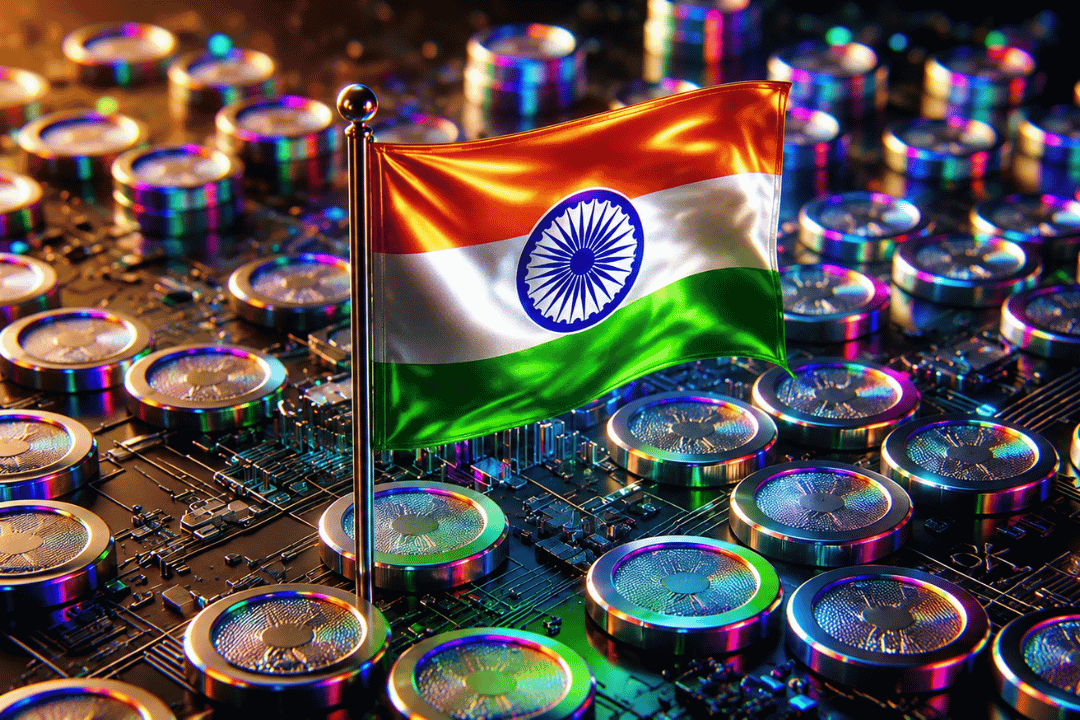
- Cultural View of Gold: India’s 23,000–25,000 tonnes of gold reserves anchor Bitcoin’s perception as “digital gold.”
- Adoption: India ranked 1st in the 2025 Chainalysis index despite restrictive taxes (30% gains tax, 1% transaction levy).
- Driver: Cultural familiarity with non-state stores of value outweighs low financial literacy levels.
Buddhist Contexts
- Cultural Traits: Adaptability, entrepreneurial focus, and community trust.
- Adoption Rankings (2025 Chainalysis Index): Vietnam (4th), Thailand (17th), Japan (19th).
- Patterns of Use:
- Vietnam & Thailand: Strong retail and peer-to-peer adoption, SME use.
- Japan: Disciplined, regulated adoption aligned with Buddhist traditions of thrift and collective resilience.
Key Takeaway: Hindu societies view Bitcoin as digital gold, while Buddhist societies embrace it through community-driven enterprise and adaptability.
Across cultures, religion and inherited financial traditions shape Bitcoin adoption far more than financial literacy does. Muslim adoption grows only when Shariah-compliant channels exist. Catholic communities rely on crypto as a communal survival tool. Hindus embrace Bitcoin as digital gold, while Buddhists integrate it into small-scale enterprise and trust networks.
Bitcoin’s global role is thus less about knowledge gaps and more about cultural inheritance, trust systems, and religious legitimacy.