

A leaked report has thrown the Bitcoin community into turmoil, claiming that long-time developer Luke Dashjr secretly backed a controversial hard fork. The alleged plan, which involved creating a multisignature committee to review and prune blockchain content, reignited one of Bitcoin’s oldest debates: who really governs the protocol, and should anything ever be altered once it’s on the chain?
Dashjr Rejects the Claims
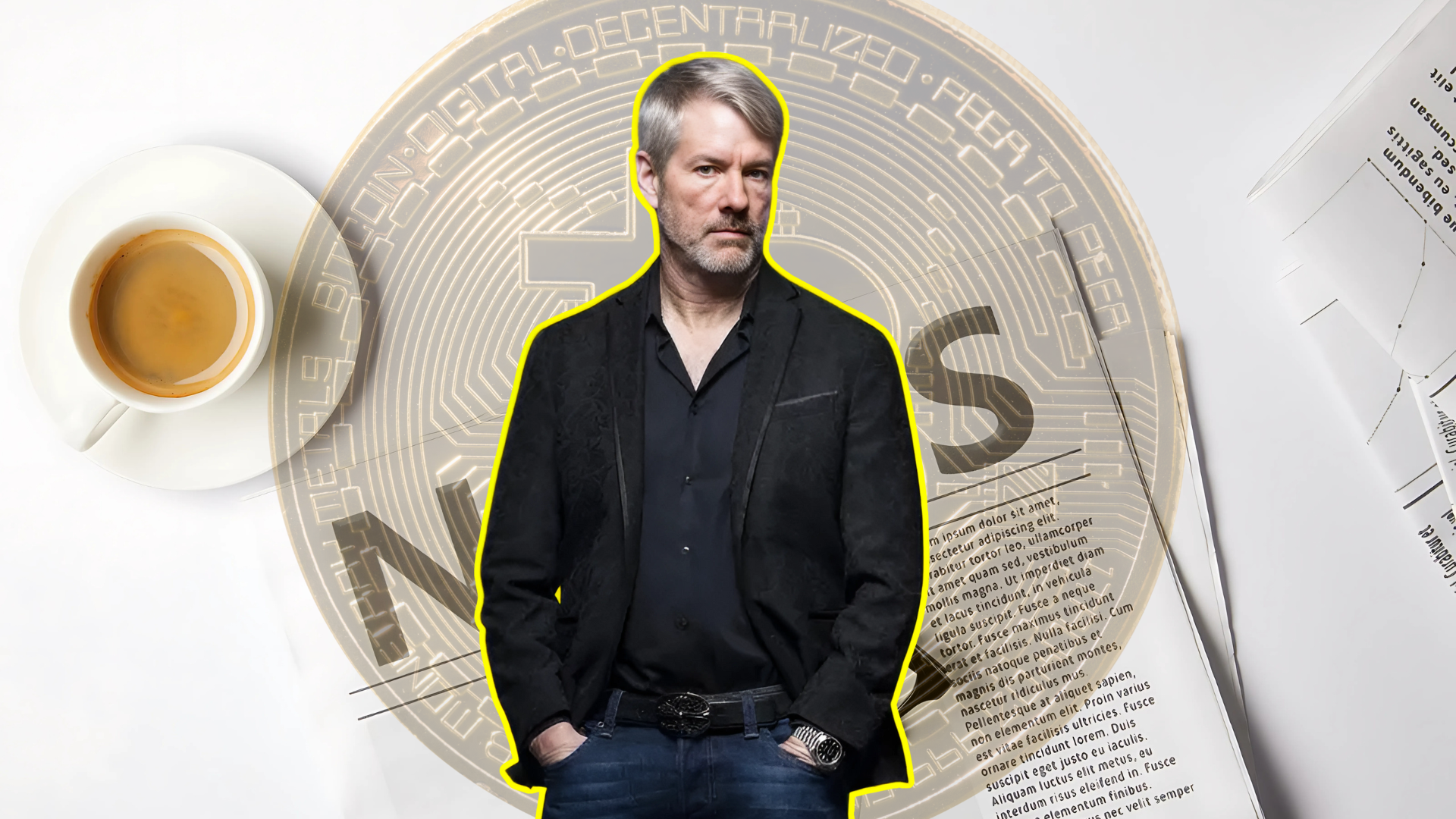
On September 25, independent outlet The Rage published what it described as private messages from Dashjr, maintainer of Bitcoin Knots. The leak suggested he was advocating a new fork where a committee could retroactively remove “unacceptable” content from the blockchain.
The messages allegedly mentioned not only universally condemned material like child abuse imagery but also extended to “non-monetary” blockchain uses such as Ordinals inscriptions.
The story gained traction thanks to a line attributed to Dashjr: “Either Bitcoin dies or we have to trust someone.” Critics saw it as a direct challenge to Bitcoin’s principle of immutability the idea that once data is confirmed, it is unchangeable.
Dashjr quickly dismissed the report, labeling it “fake news” and “fabricated nonsense.” He stressed repeatedly that he had never proposed such a hard fork, writing on X: “The truth is I have not proposed a hardfork or anything of the sort, and these bad actors are just grasping at straws to slander me.”
Supporters, including Taproot Wizards co-founder Udi Wertheimer, also called the story misleading, noting that even if the texts were authentic, they lacked context and did not represent a formal proposal.
Committee Plan at the Center
According to the leak, the alleged plan described a framework where a trusted committee could flag and prune content deemed harmful or “spam.” Instead of storing this information forever, nodes would verify its validity using zero-knowledge proofs cryptographic tools that confirm correctness without exposing the underlying data.
That approach, if real, would fundamentally shift Bitcoin’s design. Currently, every node keeps a full copy of Bitcoin’s history. The alleged system would mean nodes no longer shared a uniform, complete record, raising concerns about both censorship and long-term transparency.
The timing fueled further controversy. Bitcoin Core version 30 is already stirring debate with changes to OP_RETURN, the feature that lets users attach extra data to transactions. By relaxing data limits, the update reopened questions about whether Bitcoin should remain a pure monetary ledger or accommodate broader uses.
Censorship or Security?
Reactions across the Bitcoin community were swift. Blockstream CEO Adam Back criticized the leaked idea, warning it skipped straight to censorship without even outlining safeguards. Others, like analyst Pledditor, doubted the story’s credibility, pointing out that no such plan had appeared on official developer channels such as mailing lists or GitHub.
The clash reflects an ongoing divide: some argue Bitcoin must remain entirely neutral to protect its censorship resistance, while others worry that unfiltered data especially illicit material creates legal and reputational risks.
Lessons from Past Forks
Bitcoin’s history shows how difficult and messy governance disputes can be. The most famous example was the 2017 split that created Bitcoin Cash after years of infighting over block sizes. When consensus broke down, the network fractured, leaving behind years of bitterness and liquidity fragmentation.
Even major efforts like SegWit2x, which had backing from powerful mining pools and businesses, collapsed in 2017 when developers and node operators resisted what they saw as a rushed, top-down move. Earlier projects like Bitcoin XT and Bitcoin Classic also failed to gain support, reinforcing the lesson that legitimacy and open consensus matter as much as technical design.
Against that backdrop, the alleged Dashjr proposal faces an uphill climb. With no independent verification of the leaked messages or the claimed video evidence, and with many dismissing the report as fabrication, the episode may fade. But the questions it raises about immutability, censorship, and governance remain central to Bitcoin’s future.
As history shows, Bitcoin’s survival has always depended on more than just code. Its resilience rests equally on community trust and the social contract that keeps millions of participants aligned.