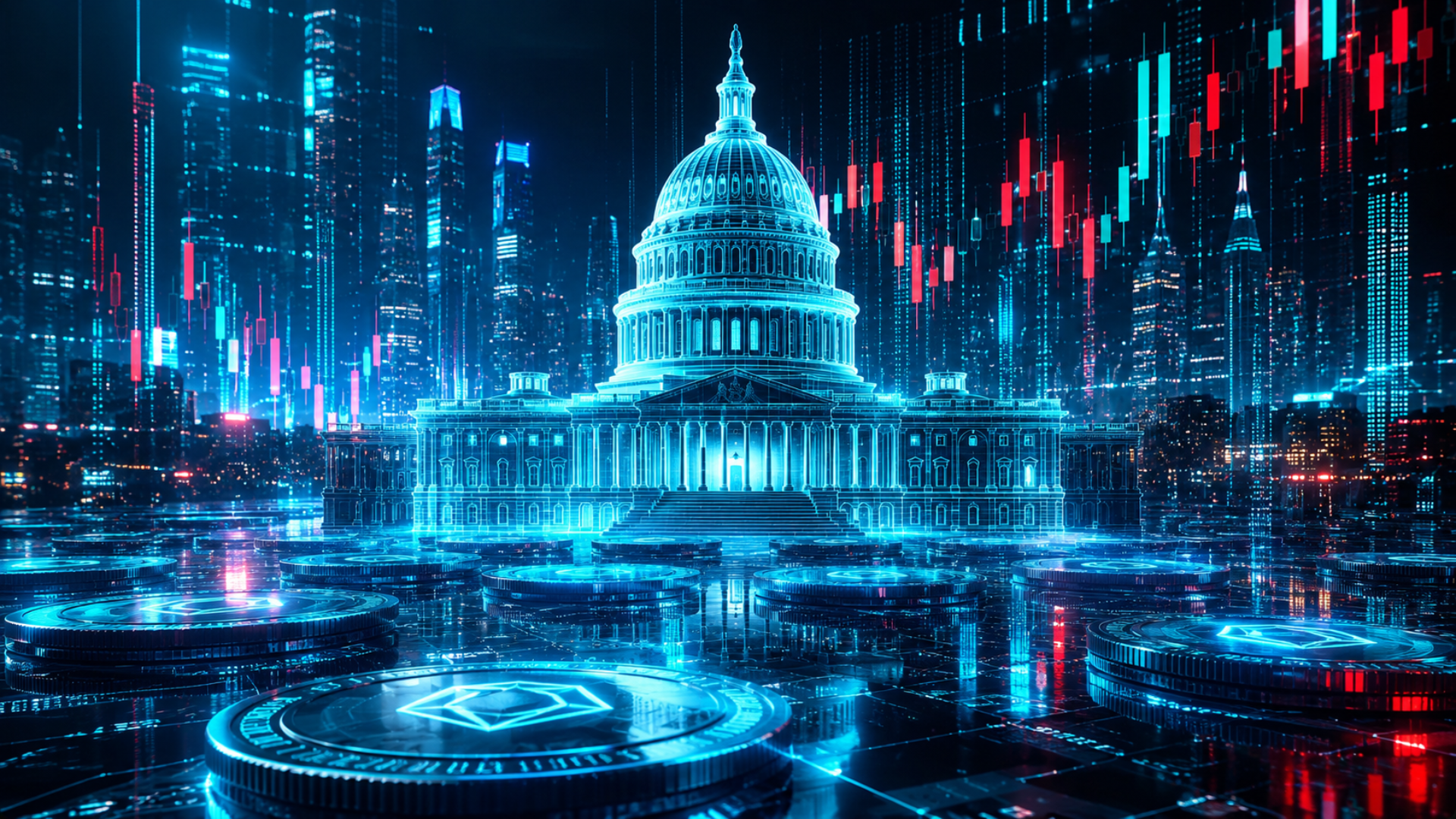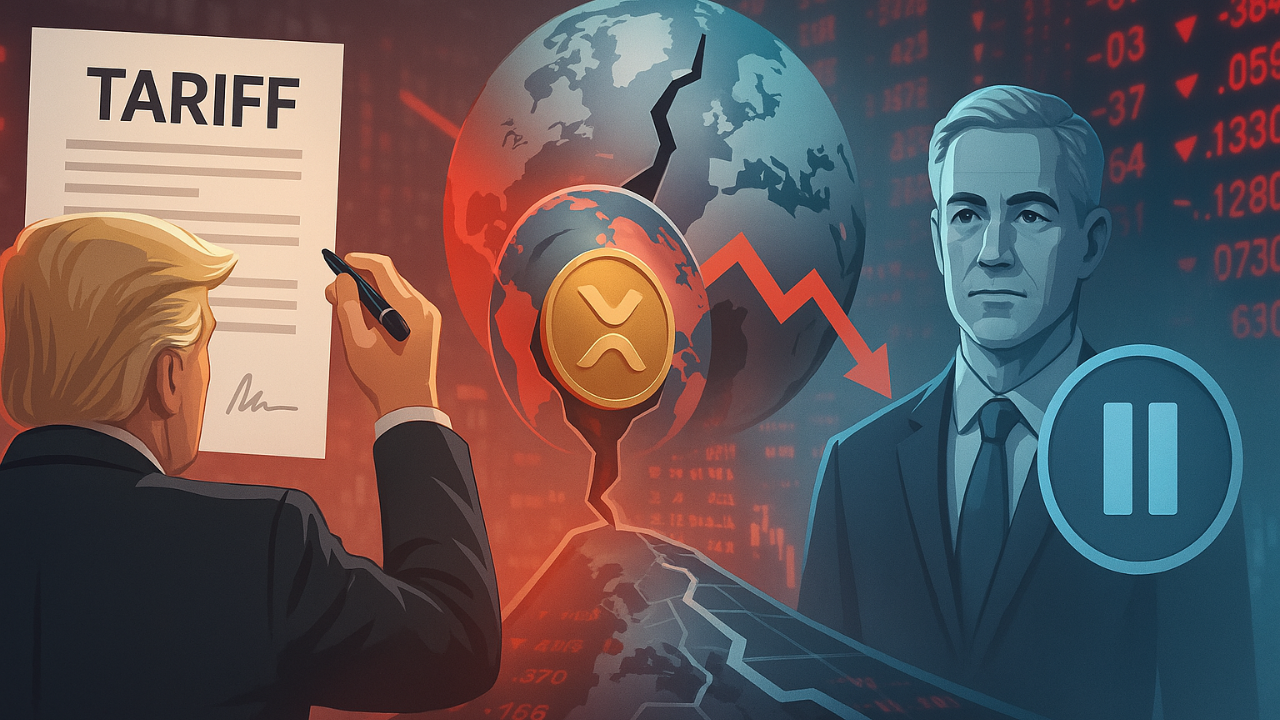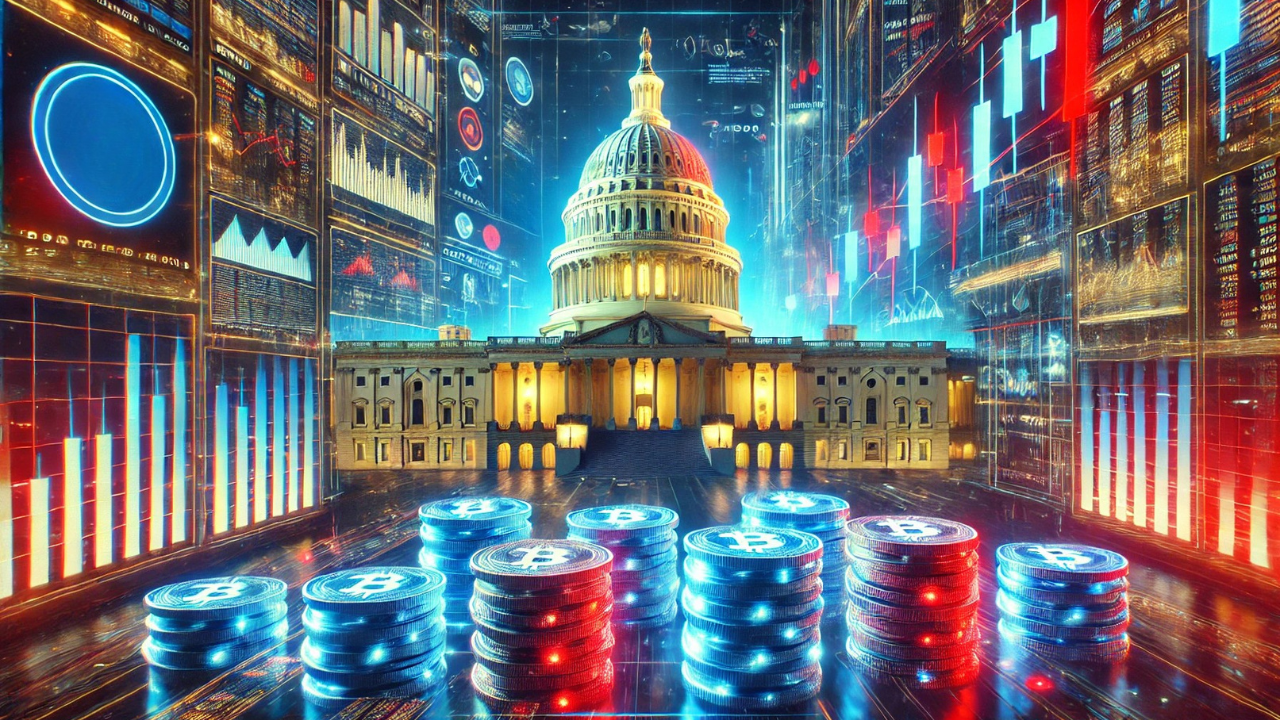


Just weeks ago, the GENIUS Act formally known as the Guiding and Establishing National Innovation for U.S. Stablecoins Act was seen as a promising bipartisan effort to bring long-awaited clarity to the fast-growing stablecoin market. But with just days left before a scheduled Senate vote, the bill now faces political headwinds fueled by controversy, lobbying fallout, and unexpected financial entanglements involving the Trump family.
Stablecoin Regulation at Risk
Introduced in February by Senator Bill Hagerty alongside co-sponsors from both parties, the GENIUS Act aimed to create a unified regulatory framework for dollar-backed stablecoins. With over $240 billion circulating in the stablecoin market led by giants like Tether (USDT) and USD Coin (USDC) the bill sought to define clear rules for issuers, reserve requirements, audits, and consumer protections.
Under its framework, only approved bank affiliates or federally licensed non-bank entities could issue payment stablecoins backed by high-quality liquid assets. The legislation excluded algorithmic stablecoins, applied anti-money laundering laws, and barred direct access to Federal Reserve master accounts.
Supporters viewed it as a milestone in U.S. digital finance regulation, reinforcing the dollar’s dominance and legitimizing crypto’s infrastructure. However, the political landscape shifted dramatically in early May.
Trump-UAE Deal Triggers Blowback
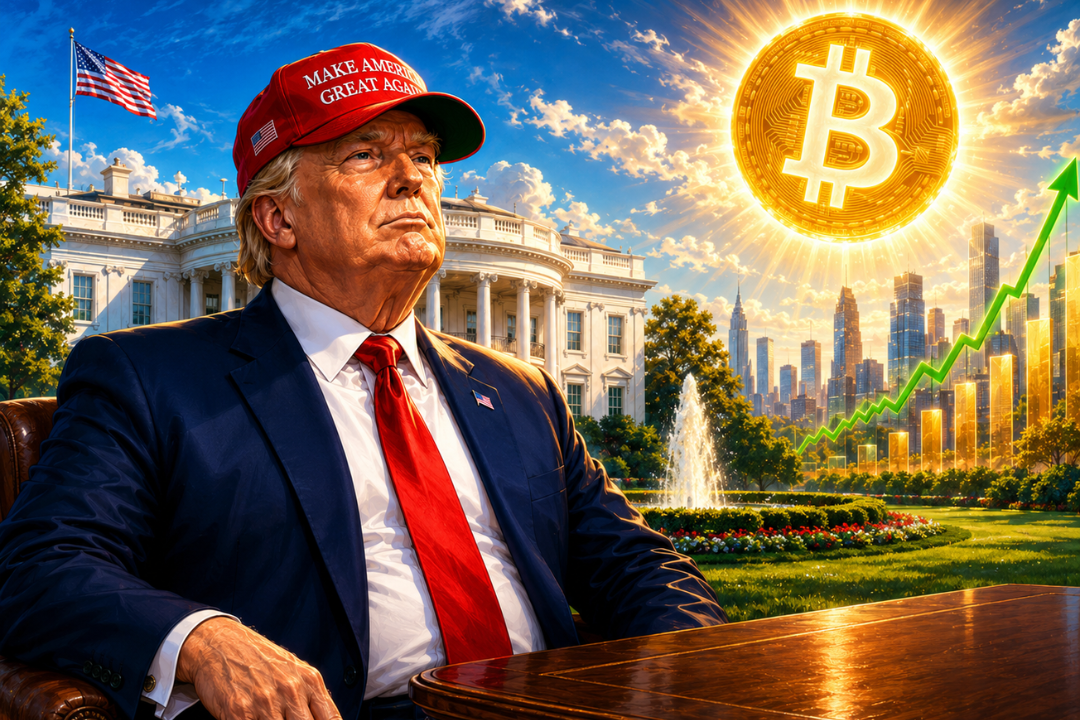
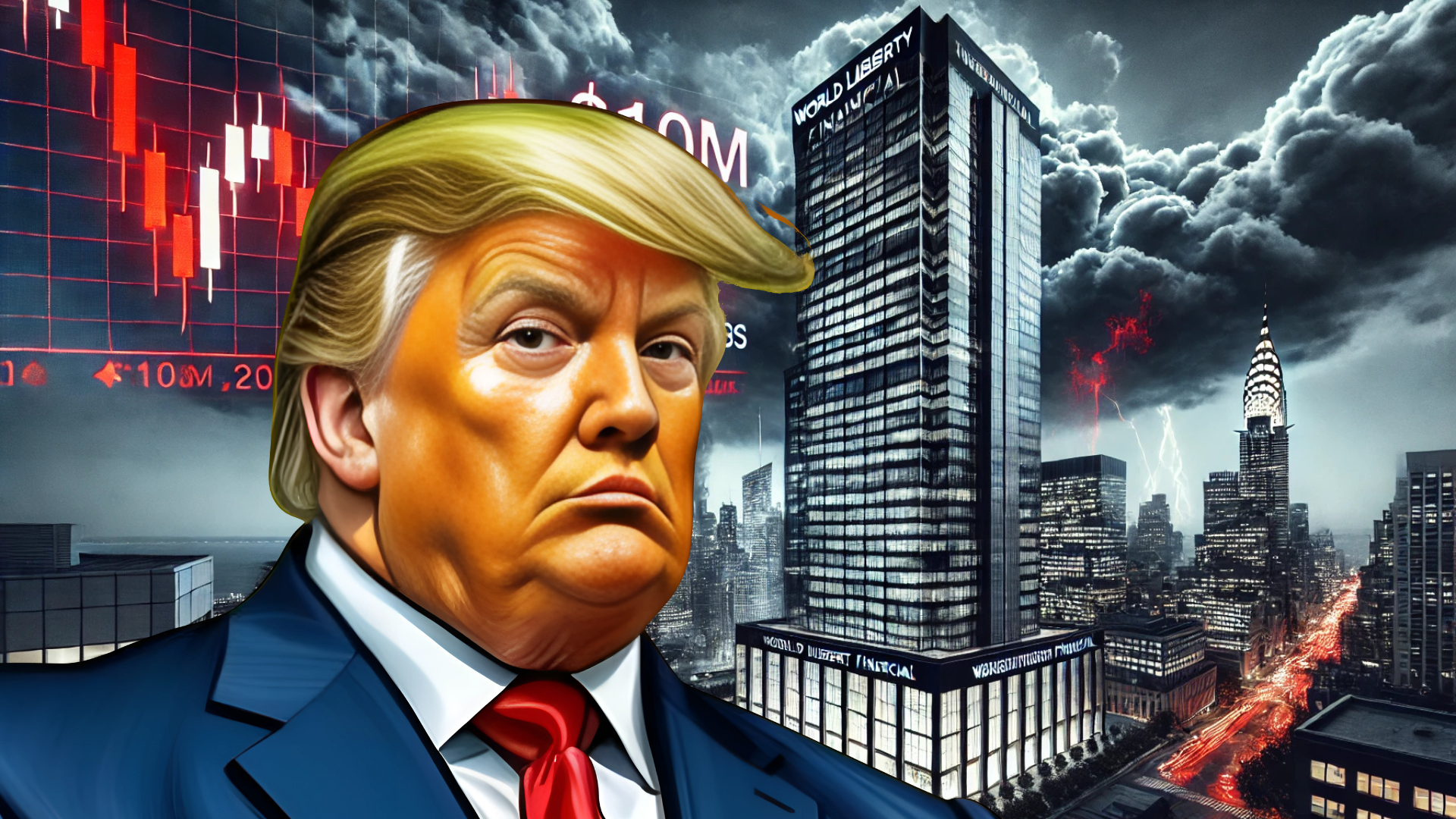
On May 1, World Liberty Financial (WLFI)—a crypto firm founded by the Trump family announced a $2 billion deal with UAE-backed MGX Group. The deal involved WLFI’s stablecoin, USD1, to fund a large investment into Binance, the world’s largest crypto exchange, which had previously settled a $4.3 billion case with U.S. regulators over money laundering violations.
WLFI’s connections run deep: majority-owned by the Trump family through a holding structure, it’s helmed by Zach Witkoff, son of Trump’s former Middle East envoy. The stablecoin USD1, pegged to the dollar and backed entirely by U.S. Treasuries, reached a $2.1 billion market cap within days. It now ranks among the top five stablecoins globally.
Critics say the deal exposes gaps in the GENIUS Act, which allows non-bank issuers and does not restrict ownership by political families or public officials. The potential for direct financial gain by government-connected individuals alarmed many lawmakers.
Democratic Opposition Mounts
On May 3, nine Senate Democrats including some who had supported the bill in committee publicly reversed their stance, demanding stronger anti-money laundering safeguards and national security provisions. Among them were Senators Angela Alsobrooks, Mark Warner, and Lisa Blunt Rochester.
Senator Ruben Gallego took to X (formerly Twitter) to explain that the latest version of the bill “back-pedaled” on earlier negotiations and failed to protect against abuse. His comments were echoed by Senator Elizabeth Warren, who criticized the Trump-UAE deal as an example of how the bill could be exploited for personal gain.
“The Trump family stablecoin surged to 7th largest in the world because of a shady crypto deal with the United Arab Emirates,” Warren posted. “The Senate shouldn’t pass a crypto bill this week to facilitate this kind of corruption.”
Warren had previously attempted to amend the bill with stricter provisions on foreign issuers and criminal exposure, all of which were excluded in the final version. Other Democrats raised concerns ranging from drug-related illicit finance to unchecked corporate issuance of digital currency.
Senator Jack Reed cited a DEA report linking stablecoins to fentanyl trafficking, while Senator Jeff Merkley called for rules to prohibit elected officials from profiting from crypto ventures.
Even Senate Minority Leader Chuck Schumer, who had softened his stance on crypto, urged caution. In a private meeting, he advised Democrats to withhold support unless further changes were made to address foreign influence and regulatory enforcement.
A Bill at the Brink
The bill now faces a steep uphill climb. Seven more Democratic votes are needed to advance the legislation, and time is running out before the Memorial Day recess. The White House, through crypto policy czar David Sacks, had listed the bill as part of its 100-day agenda. But mounting political controversy could derail that timeline.
Meanwhile, Republicans have defended the bill’s integrity. Senator Tim Scott accused opponents of fear-mongering and undermining a well-crafted regulatory structure. Still, the narrative around the GENIUS Act has shifted dramatically from bipartisan breakthrough to cautionary tale.
As lawmakers clash over ethics, ownership, and national security, the fate of the most comprehensive U.S. stablecoin legislation to date hangs in the balance.