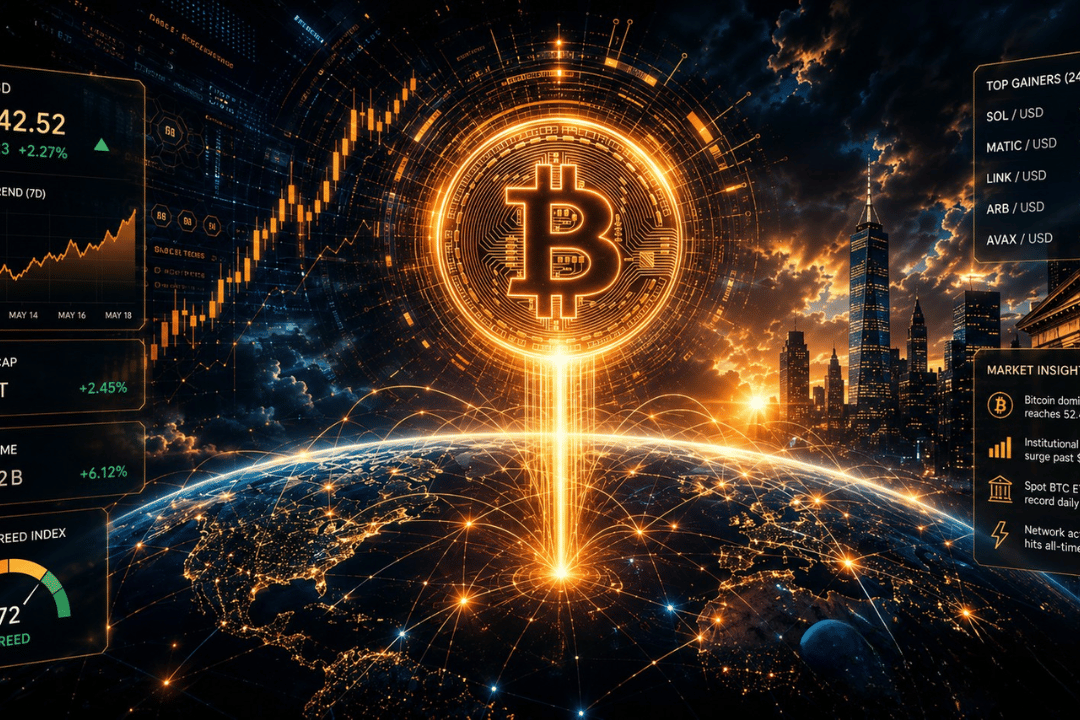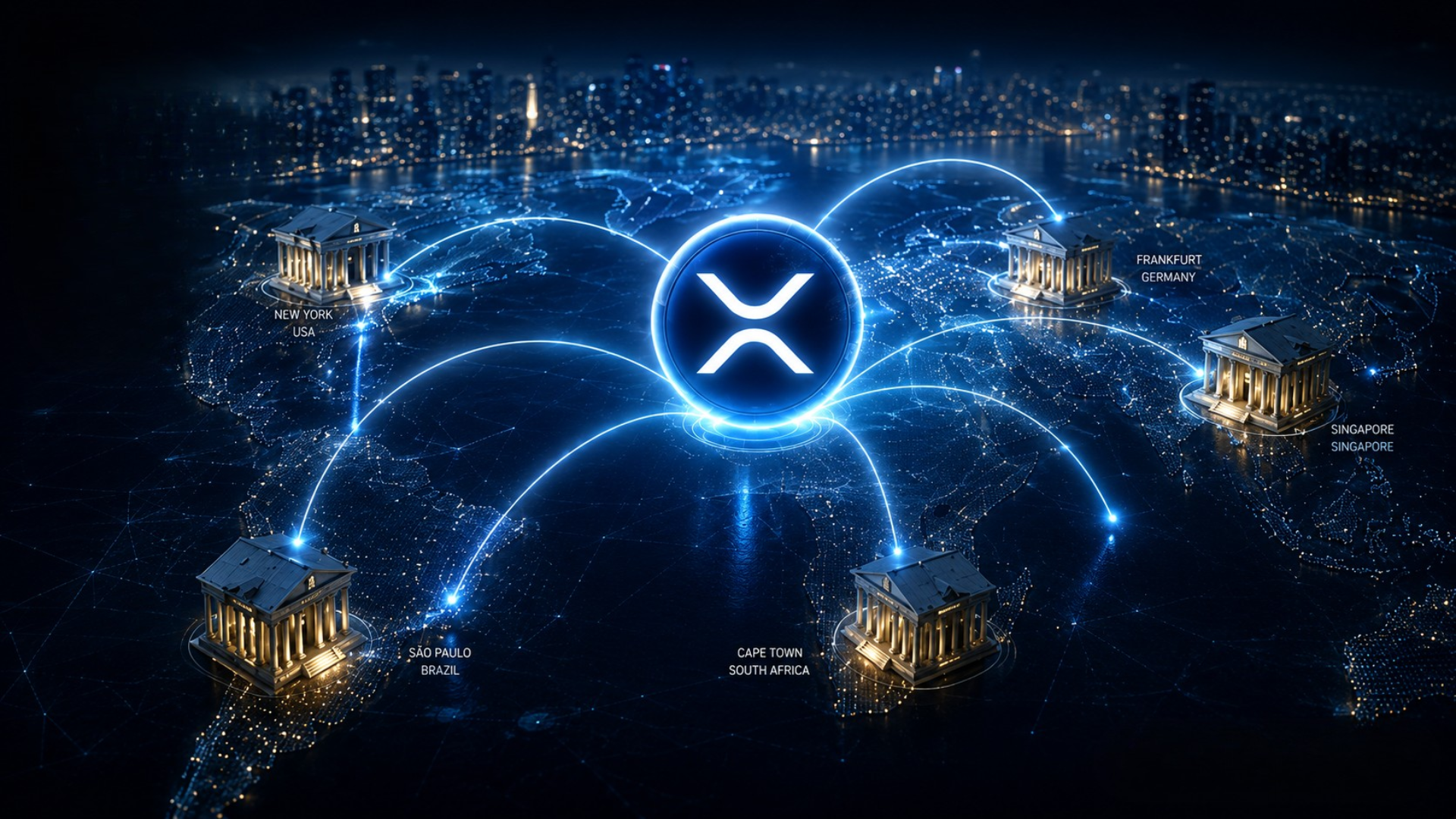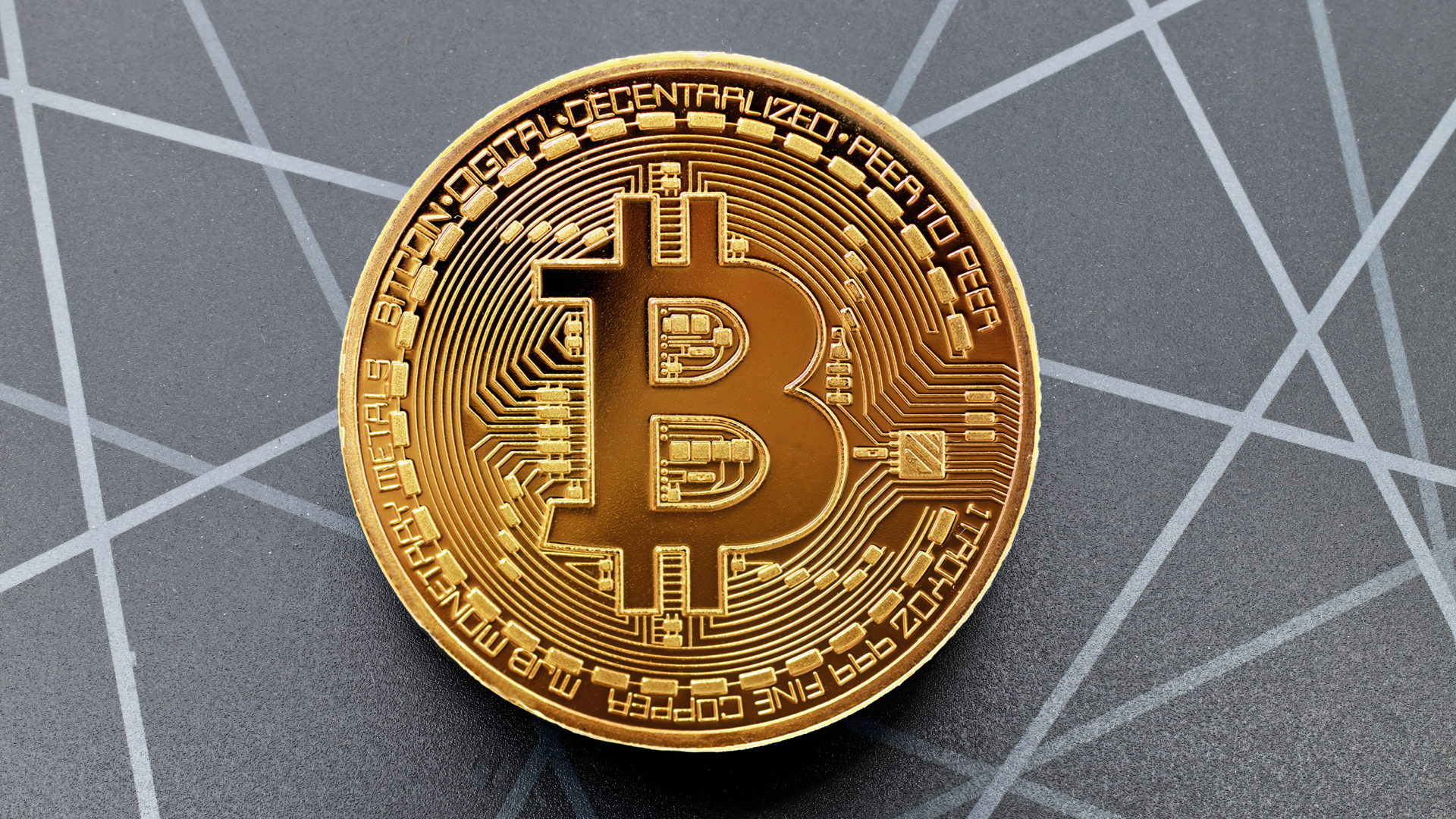


Citigroup is preparing a major step into institutional Bitcoin infrastructure.
The global banking giant, which manages roughly $2.5 trillion in assets, is developing systems designed to integrate Bitcoin into its broader $30 trillion traditional asset servicing framework. The initiative is expected to culminate in a 2026 launch of crypto custody and related institutional services.
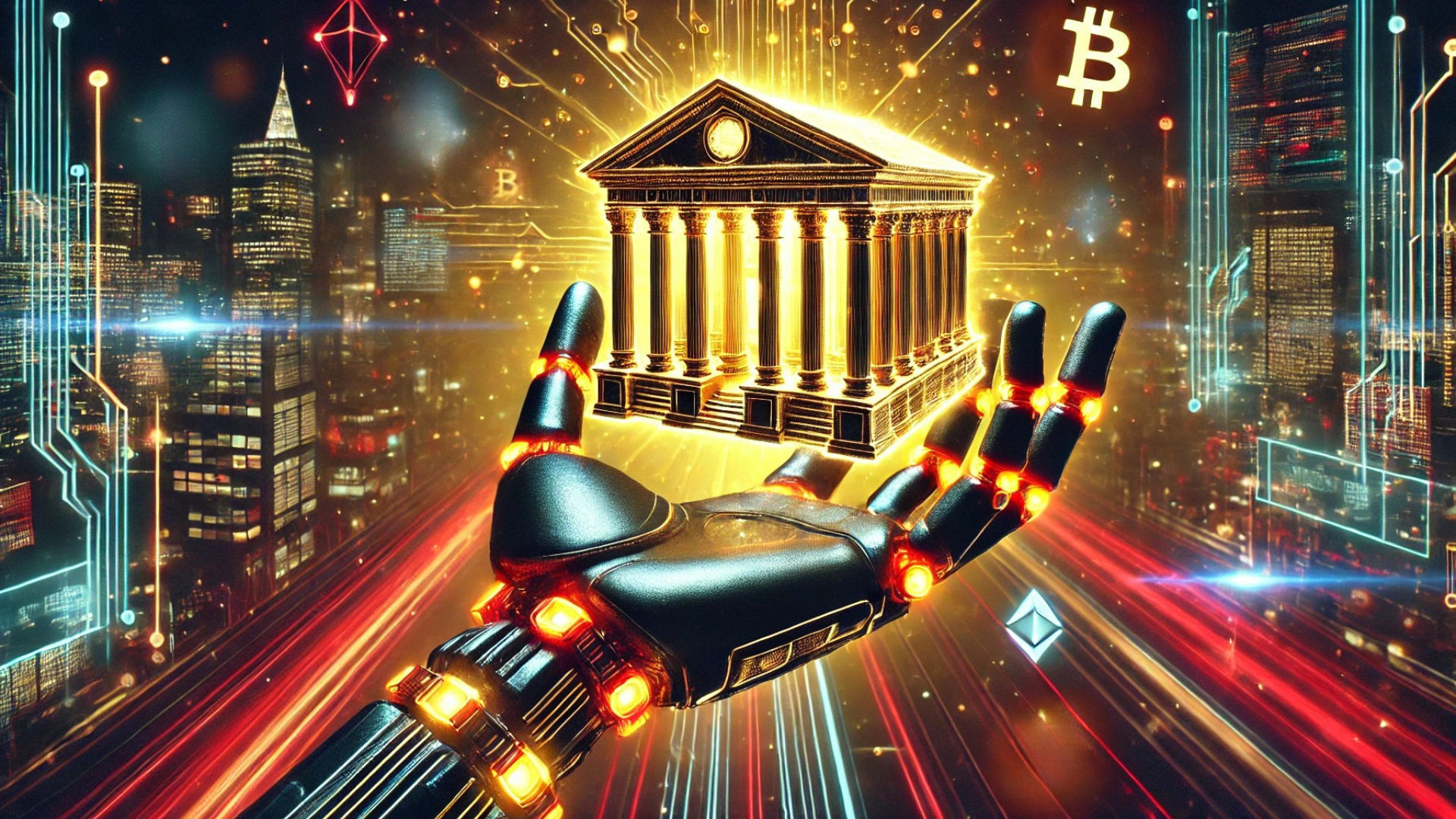
This isn’t a retail crypto play. It’s about connecting Bitcoin to the plumbing of global finance.
What Citi is building
According to reports, Citi has spent the past two to three years developing and testing internal infrastructure to support institutional Bitcoin operations.
Planned services may include:
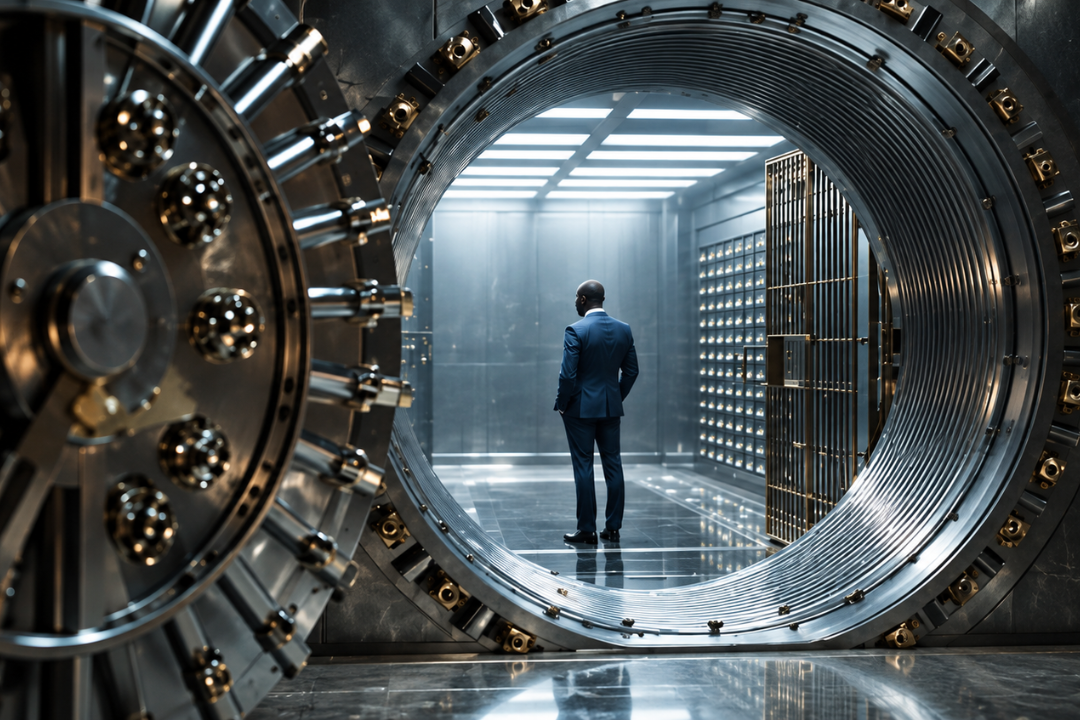
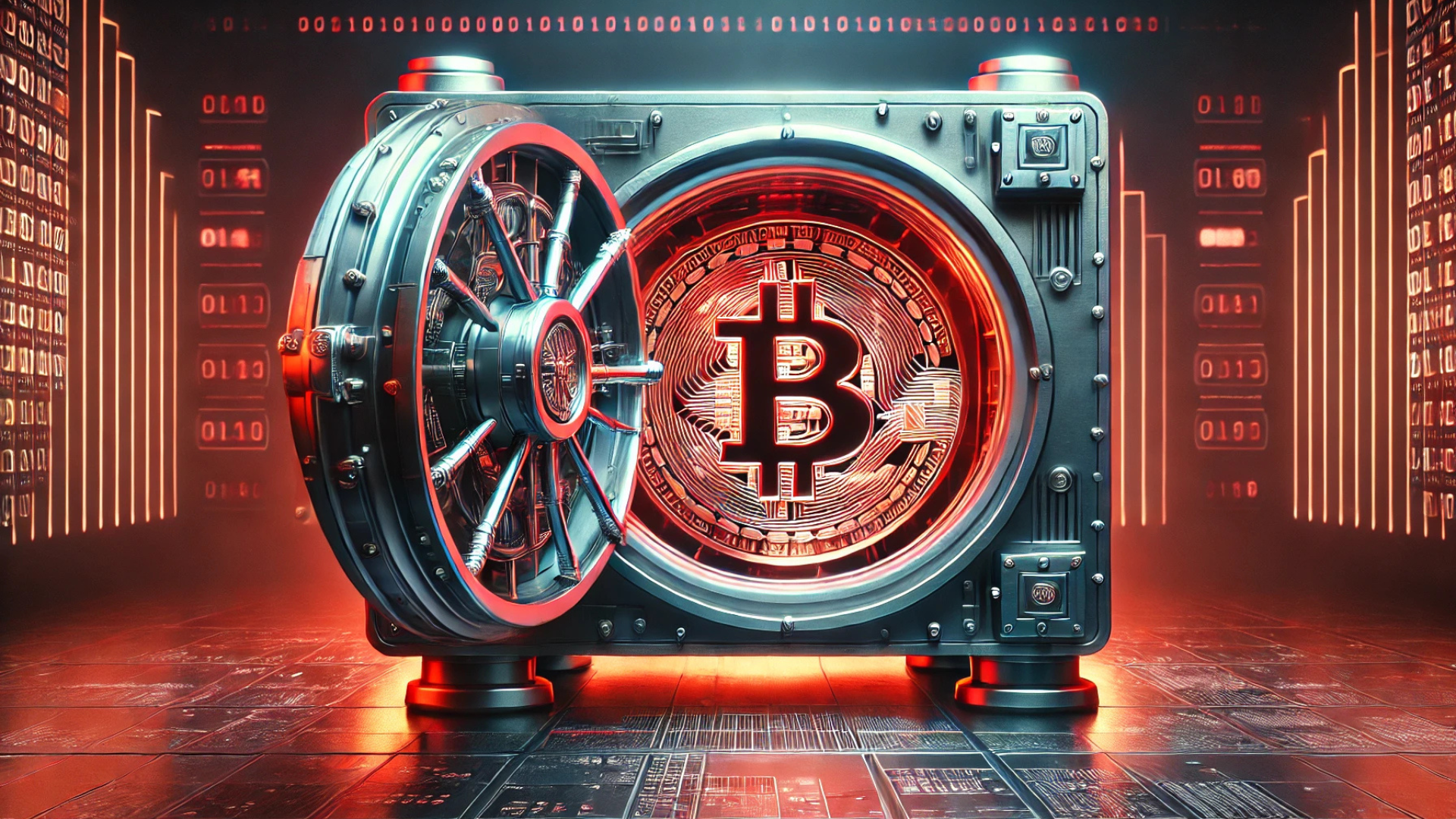
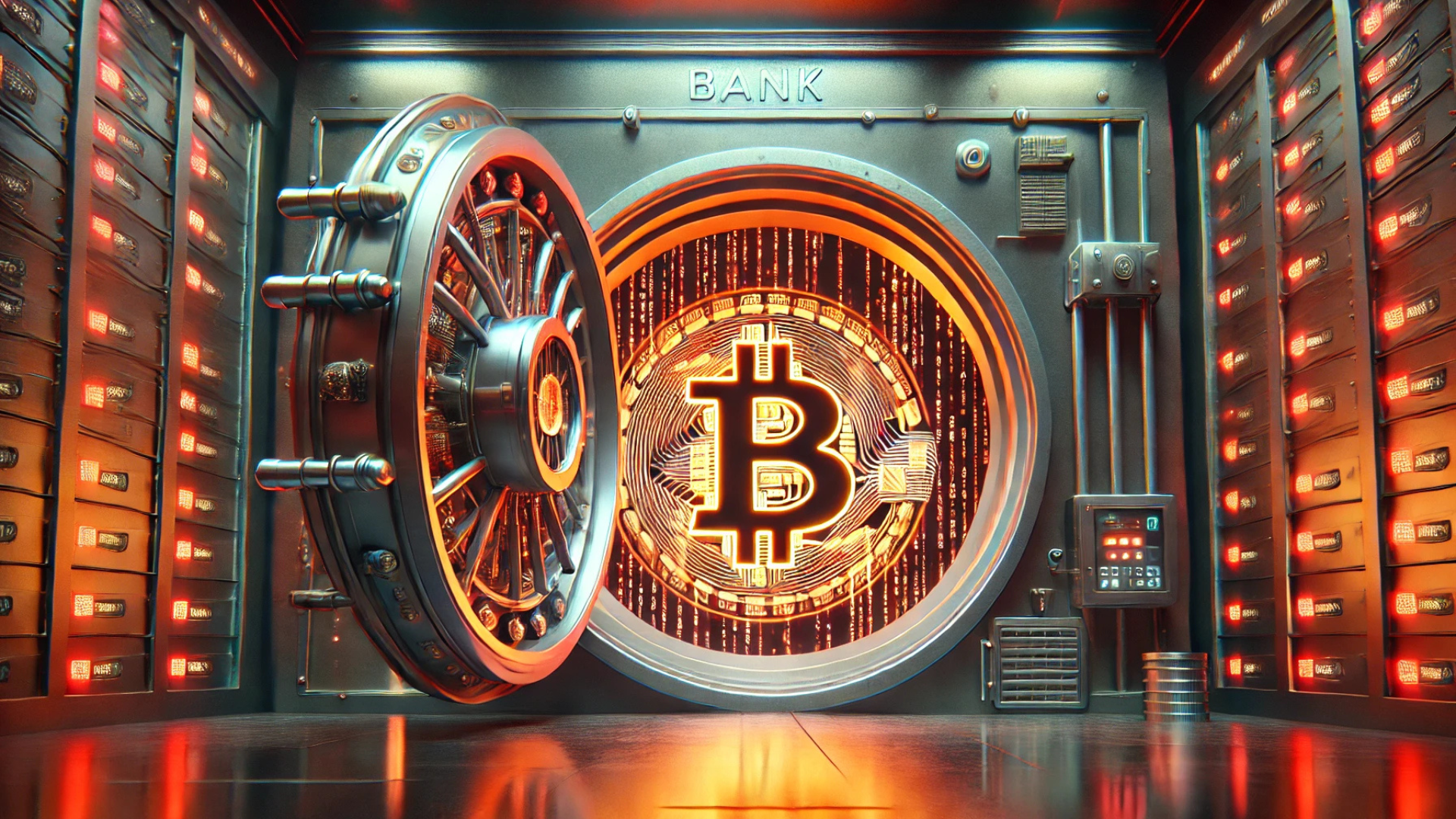
- Secure Bitcoin custody
- Institutional-grade key management
- Reporting and compliance tools
- Collateral integration
- Portfolio connectivity within existing banking systems
The goal is not just to hold Bitcoin, but to embed it into traditional financial workflows used by large asset managers, funds, and ETF participants.
Why now?
Institutional demand for Bitcoin exposure has grown steadily, particularly through regulated investment vehicles and ETF structures.
Large institutions increasingly want:
- Secure custody from trusted global banks
- Integration with existing portfolio systems
- Regulatory clarity
- 24/7 settlement capabilities
Citi’s move reflects a broader shift across traditional finance. Major banks are exploring:
- Stablecoin settlement rails
- Tokenized deposits
- Blockchain-based clearing systems
Bitcoin is no longer viewed purely as a speculative asset. For institutions, it is becoming part of a diversified asset allocation strategy.
What this means for the market
If successfully launched in 2026, Citi’s infrastructure could:
- Increase institutional access to Bitcoin
- Strengthen regulatory-grade custody standards
- Improve liquidity integration with traditional assets
- Accelerate crypto’s connection to legacy financial rails
Importantly, this signals normalization. Bitcoin custody is shifting from crypto-native firms to global systemically important banks.
That represents a structural evolution.
A bridge between traditional finance and crypto
Citi has not disclosed full technical details yet. However, the intention is clear: integrate Bitcoin into mainstream banking architecture rather than treat it as a parallel system.
For institutional clients, that means Bitcoin exposure managed within the same operational framework as equities, bonds, and derivatives.
For the broader market, it reflects a deeper trend:
Digital assets are moving from the margins to the infrastructure layer of global finance.