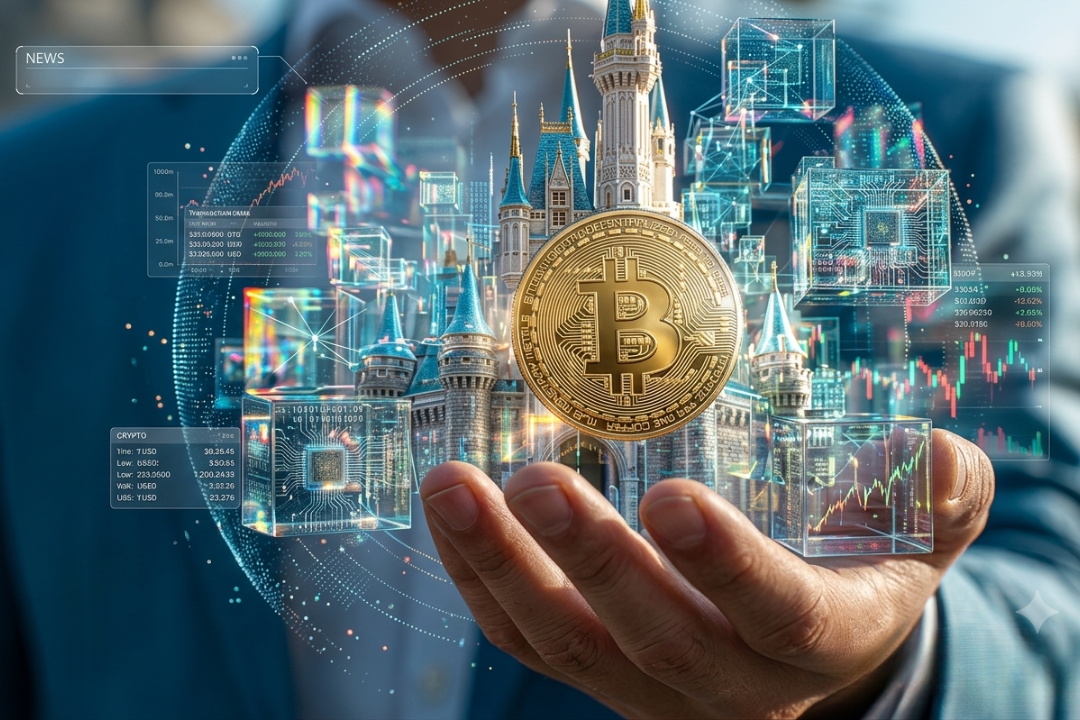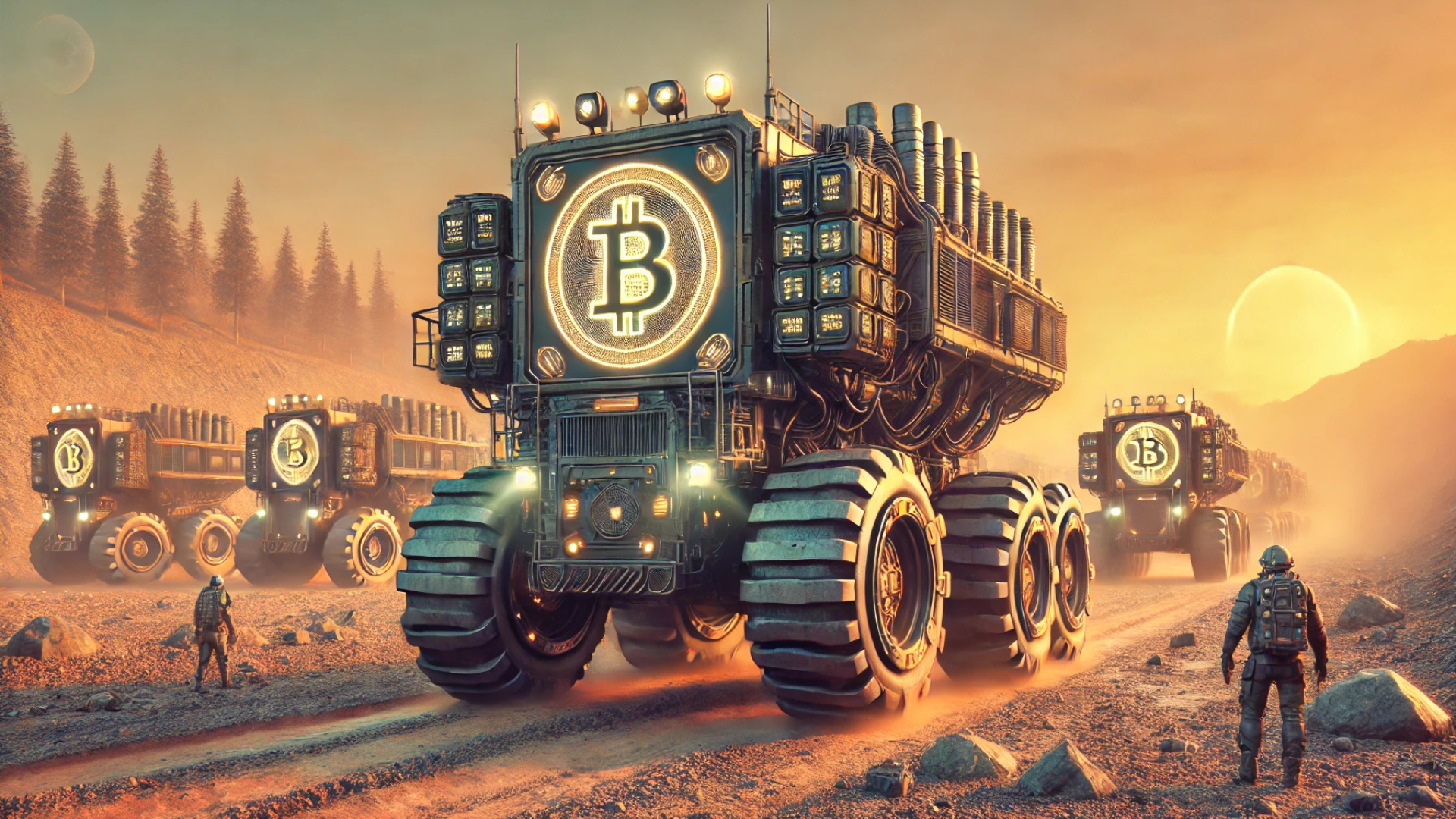


In a move that’s turning heads across both Wall Street and Main Street, Steak ’n Shake is quietly rewriting the playbook for how traditional retailers think about digital payments. The 90-year-old American diner chain may not seem like the first place for a Bitcoin revolution yet its early success with crypto payments is sending a strong signal: blockchain adoption might not just be about tech anymore; it’s about relevance.
A Strong Quarter Fueled by Digital Innovation
In Q2 2025, Steak ’n Shake reported a 10.7% jump in same-store sales, the highest among major U.S. fast-food chains. According to parent company Biglari Holdings, that growth significantly outpaced competitors such as McDonald’s, Domino’s, and Taco Bell, whose performances ranged from -7.1% to +6.1%.
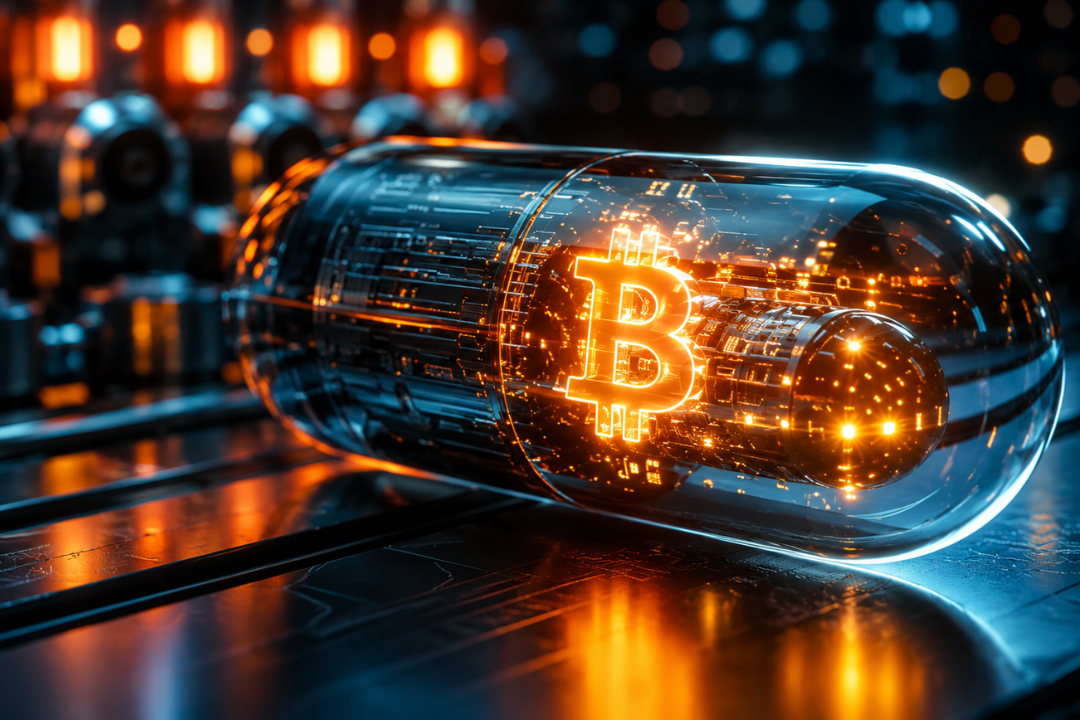
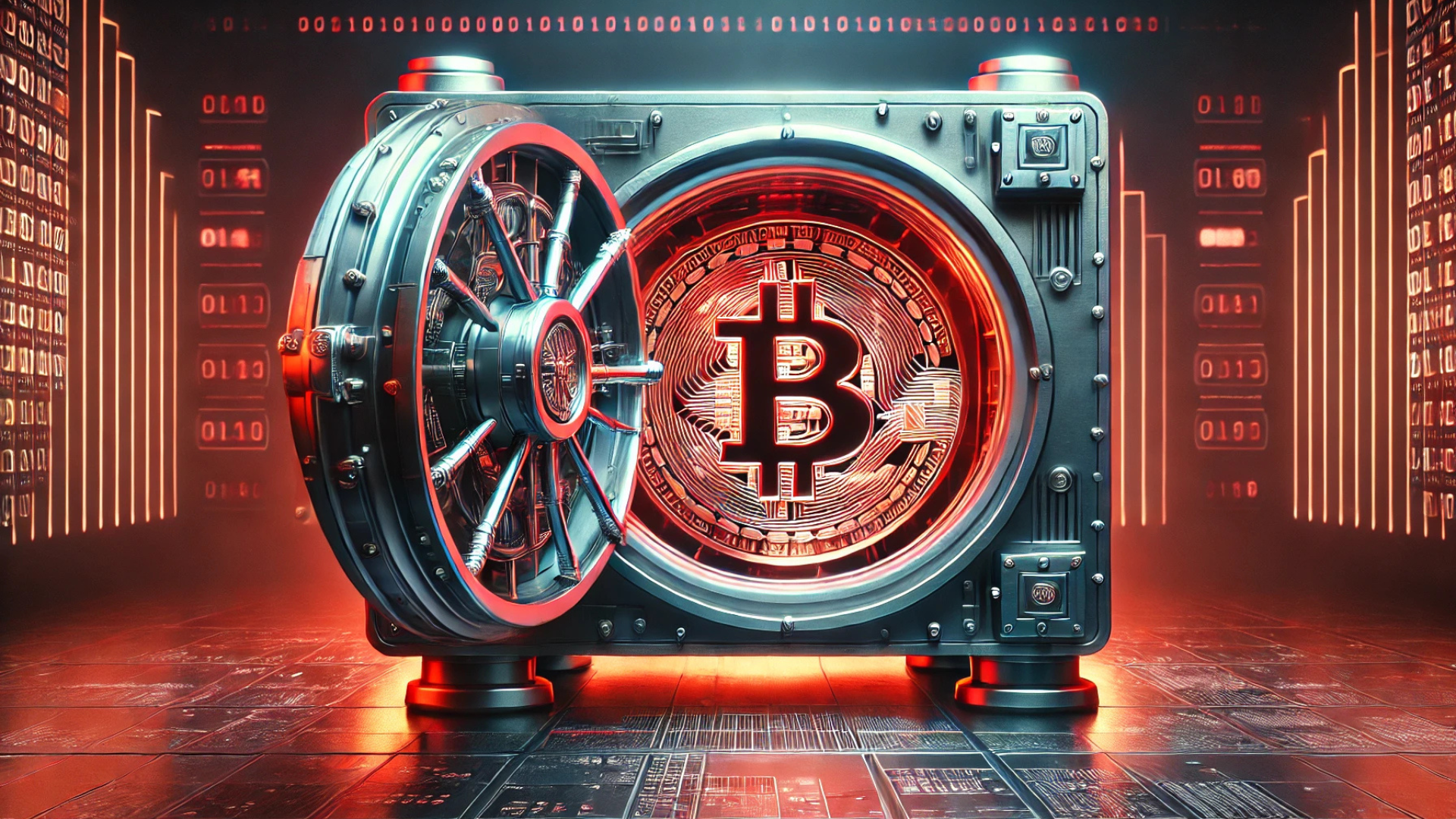
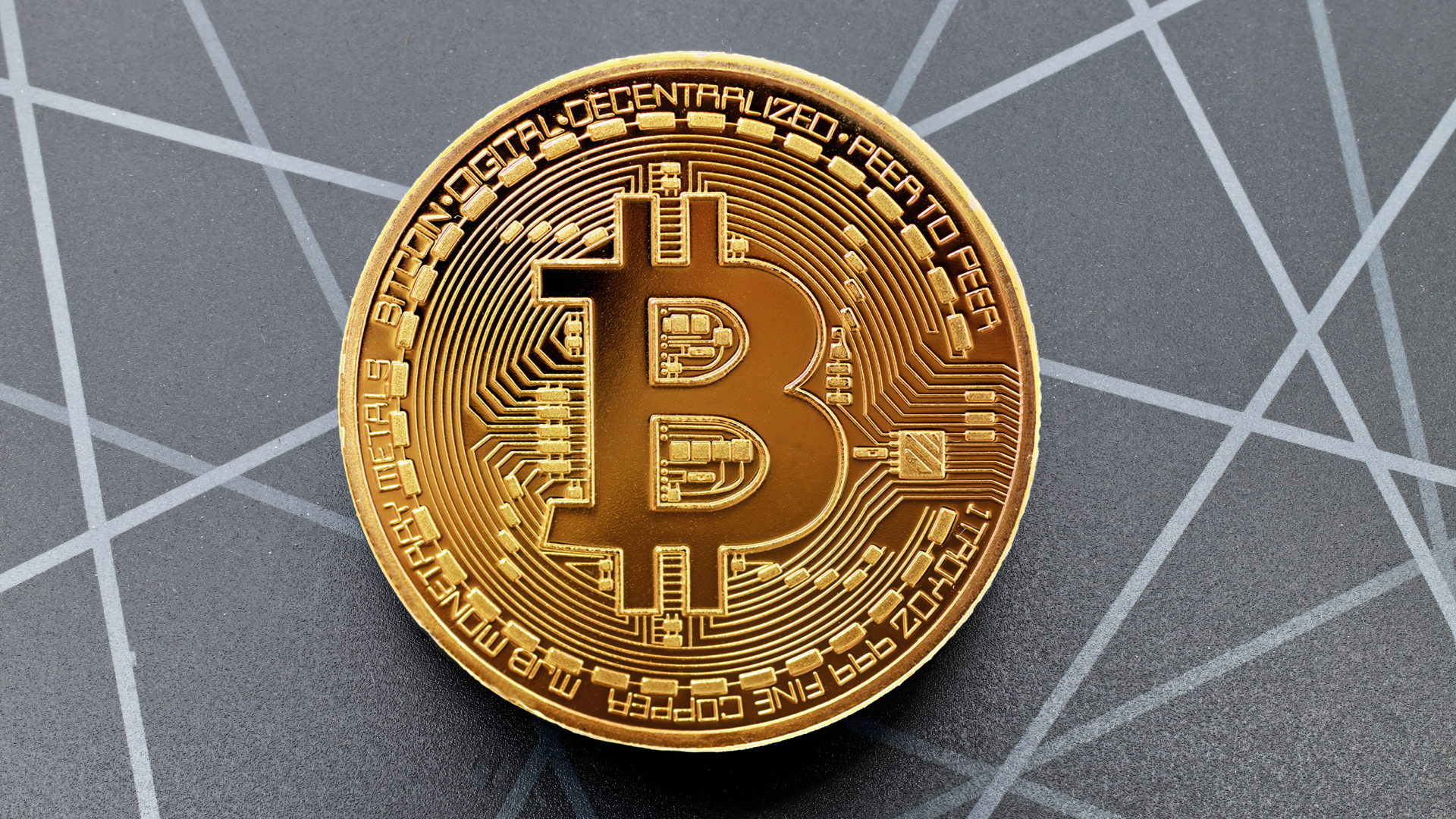
A big part of this surge appears tied to the company’s Bitcoin payment rollout, launched on May 16, 2025, across locations in the U.S., France, Monaco, and Spain. Within just two weeks, Steak ’n Shake saw payment processing fees drop by nearly 50%, while on launch day alone, the restaurant accounted for roughly 0.2% of all global Bitcoin transactions an impressive figure for a first-time adopter.
Chief Operating Officer Dan Edwards called the integration “a win for customers, a win for the business, and a win for Bitcoin itself,” pointing to reduced costs and increased visibility among younger, crypto-savvy consumers.
Despite its shrinking footprint in recent years from 628 U.S. stores in 2018 to about 397 in 2025 the chain now boasts over 100 million potential customers worldwide with access to Bitcoin payments.
How Other Retailers Have Approached Crypto
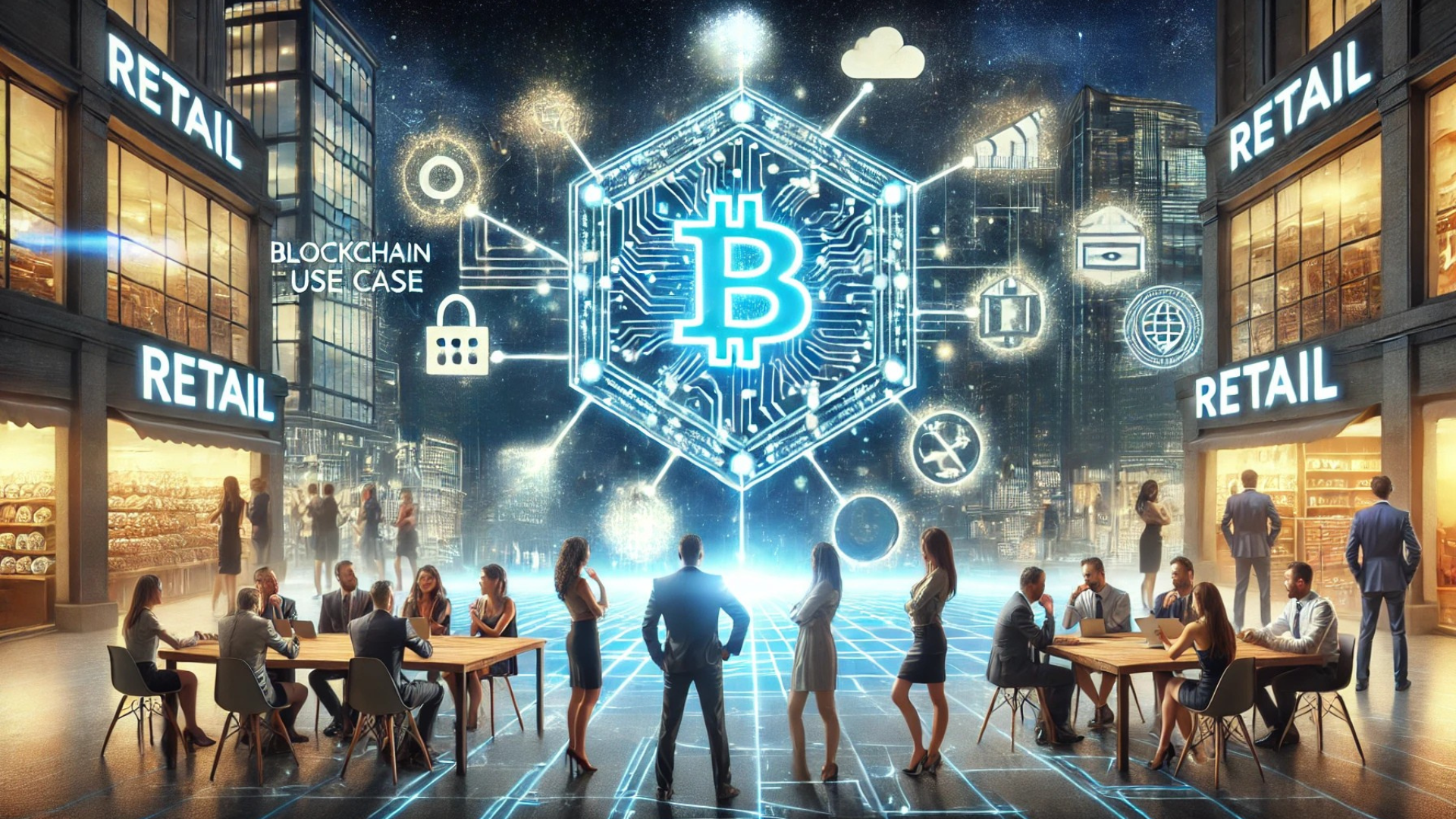
Steak ’n Shake isn’t the first major company to embrace Bitcoin, but it might be among the most effective in showing how crypto can blend financial efficiency with brand positioning.
Earlier examples include Overstock.com, which began accepting Bitcoin back in 2014 and saw a 4.3% spike in daily sales within 24 hours, though enthusiasm eventually cooled as crypto transactions dropped below 1% of revenue.
In 2015, Rakuten followed suit, integrating Bitcoin payments across its global marketplaces after investing in a payments startup framing it as a forward-looking brand move rather than purely an operational shift.
Meanwhile, luxury brands have taken a different path. Companies like Gucci, Tag Heuer, Hublot, Balenciaga, and LVMH have experimented with crypto payments and NFT-based engagement, merging blockchain innovation with high-end brand storytelling. Platforms such as Lolli have also made waves with Bitcoin cashback programs, partnering with global names like Nike and Sephora to attract younger, tech-savvy consumers.
According to a Deloitte survey, 93% of businesses that accept Bitcoin report improved revenue and brand perception. Supporting data from BitPay suggests that up to 40% of crypto-paying customers are new to the brand, and their average order value is nearly double that of traditional buyers.
Beyond the checkout counter, companies like Walmart and Amazon are said to be exploring stablecoin initiatives to cut down payment processing costs, while GameStop and MicroStrategy have embraced Bitcoin as a treasury reserve asset, betting on crypto’s long-term value.
The Broader Payments Landscape
Globally, crypto adoption continues to accelerate. Over 560 million people now own some form of cryptocurrency, and surveys show that 65% of them are interested in using it for payments.
In the U.S., 16% of adults have already made a crypto purchase, while another 34% say they’d like to use it more frequently. Still, the merchant base remains small: only about 15,000 businesses worldwide currently accept Bitcoin directly, including roughly 2,300 in the U.S.
Even so, crypto customers tend to spend more. In luxury retail, the average crypto order value is around $450, compared to $200 for traditional shoppers suggesting a premium demographic that brands are eager to attract.
Despite this, crypto’s share of global payments remains small. Projections suggest usage could nearly double by 2026, but still represent just 2.6% of the global population. The biggest hurdles remain price volatility, regulatory uncertainty, and technical complexity.
What Steak ’n Shake’s Case Means for Retail
The broader takeaway from Steak ’n Shake’s experiment may not just be about payment speed or lower fees — it’s about brand modernization.
In an age where 82% of U.S. consumers already use digital payments, the ability to integrate crypto seamlessly positions brands at the intersection of financial innovation and cultural relevance.
If Steak ’n Shake can maintain its early momentum turning Bitcoin payments from a novelty into a long-term engagement strategy it could become a template for how legacy retailers evolve in the digital economy.
For now, the chain’s bold experiment underscores a simple truth: in a fast-changing payments landscape, innovation isn’t just optional it’s a competitive edge.