

Tensions are flaring within the Ethereum ecosystem after prominent builders accused the Ethereum Foundation (EF) of failing to adequately support developers working on layer-2 scaling solutions the very technologies driving Ethereum’s growth and adoption.
The debate was reignited after Polygon co-founder Sandeep Nailwal and Sonic Labs founder Andre Cronje both expressed frustration over what they see as the foundation’s lack of recognition and support for critical contributors in the ecosystem.
Polygon’s Sandeep Nailwal Questions His Loyalty to Ethereum
In a candid post on X (formerly Twitter) on October 21, Polygon co-founder Sandeep Nailwal said his “loyalty toward Ethereum is weakening,” claiming that the Ethereum Foundation has provided “no direct support” to Polygon despite its years of building crucial scaling infrastructure for the network.
“I’ve started questioning my loyalty toward Ethereum,” Nailwal wrote. “I did not come into crypto because of Bitcoin but because of Ethereum. I have a lot of gratitude toward Vitalik [Buterin] someone I looked up to but it’s disheartening to see Polygon’s work go unacknowledged.”
Nailwal argued that Polygon’s ecosystem which includes Katana, XLayer, and other networks deeply integrated with Ethereum has consistently helped scale the Ethereum network, yet is still treated as “separate” from the broader Ethereum community.
He added that Polygon’s market capitalization could be “two to five times higher” if it operated independently as a standalone layer-1 blockchain rather than maintaining its deep ties to Ethereum.
Nailwal’s post came in response to a broader conversation among developers regarding how the Ethereum Foundation allocates resources and recognition a recurring point of contention within the ecosystem.
Sonic Labs’ Andre Cronje Echoes Similar Concerns
Shortly after Nailwal’s remarks, Andre Cronje, co-founder of Sonic Labs and one of Ethereum’s early DeFi pioneers, echoed similar frustrations. Cronje revealed that he had spent over 700 ETH on development and infrastructure while building on Ethereum without receiving any form of grant, outreach, or acknowledgment from the foundation.
“While building on Ethereum I have burned over 700 ETH on deployments and infra,” Cronje wrote. “I tried contacting EF never a response, no BD outreach, no grants, 0 support, not even a retweet.”
Cronje contrasted his experience with that of newer projects within the Sonic ecosystem, which, he claimed, receive financial and technical assistance, suggesting an inconsistency in how support is distributed.
His comments further fueled discussions about whether Ethereum’s leadership and funding structures have become too insular, potentially alienating long-time contributors who have helped shape the ecosystem’s growth.
Vitalik Buterin Responds with Praise and Perspective
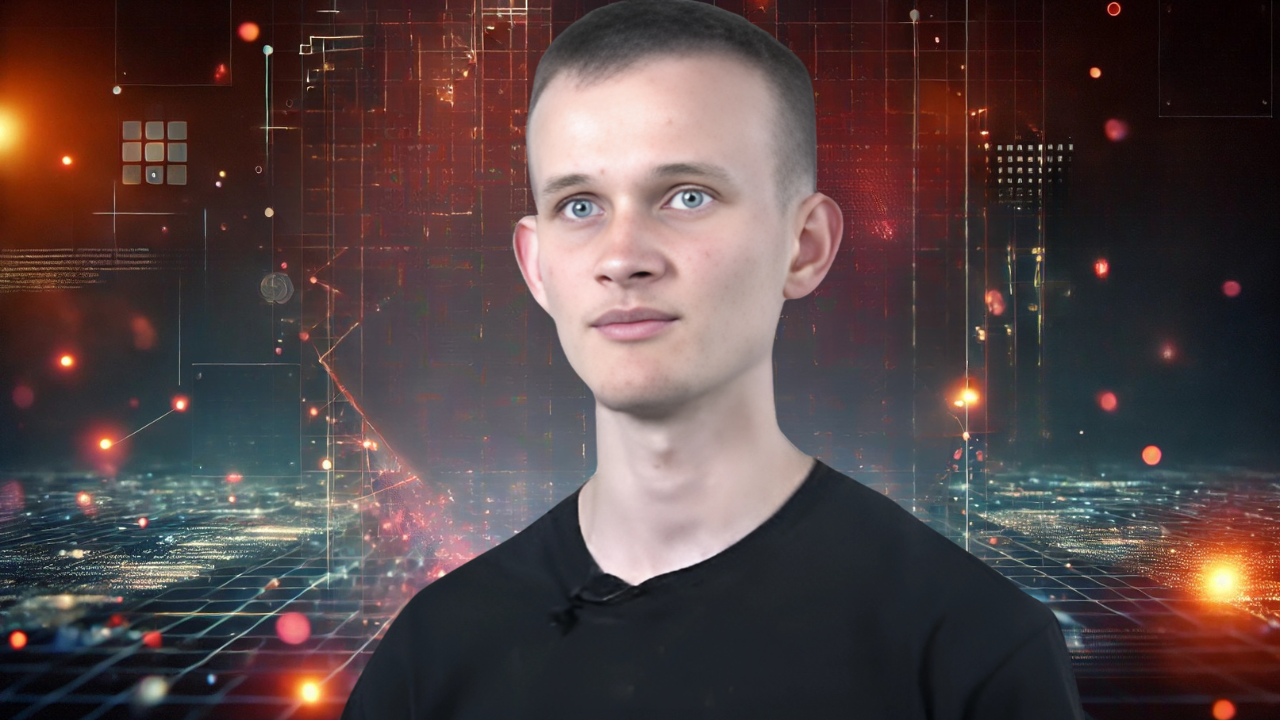
In a thoughtful reply, Ethereum co-founder Vitalik Buterin acknowledged the concerns raised by Nailwal and Cronje while expressing gratitude for their ongoing contributions.
Buterin praised Polygon for its pioneering work in zero-knowledge (ZK) technology and for building the AggLayer framework, a system designed to enhance Ethereum’s scalability and interoperability.
He also highlighted Nailwal’s broader impact through philanthropic initiatives like CryptoRelief and the Balvi biotech fund, calling them examples of “real-world impact far beyond crypto.”
Buterin noted that advancements in ZK proving systems could soon enable Polygon and other layer-2s to integrate even more closely with Ethereum’s main chain, providing stronger security guarantees signaling potential for renewed collaboration between the two camps.
Community Divided but Hopeful for Reconciliation
The exchange has sparked debate across the Ethereum community. Some developers sympathize with Nailwal and Cronje, arguing that layer-2 builders have been instrumental in Ethereum’s scalability journey and deserve more institutional backing. Others believe the Ethereum Foundation’s neutral stance is necessary to avoid favoritism in a decentralized ecosystem.
Regardless of perspective, the discussion underscores a fundamental challenge for Ethereum: balancing decentralization with developer support in an increasingly competitive blockchain landscape.
As Buterin’s response suggests, there remains room for dialogue and collaboration particularly as the network continues its evolution toward a modular, ZK-powered future.