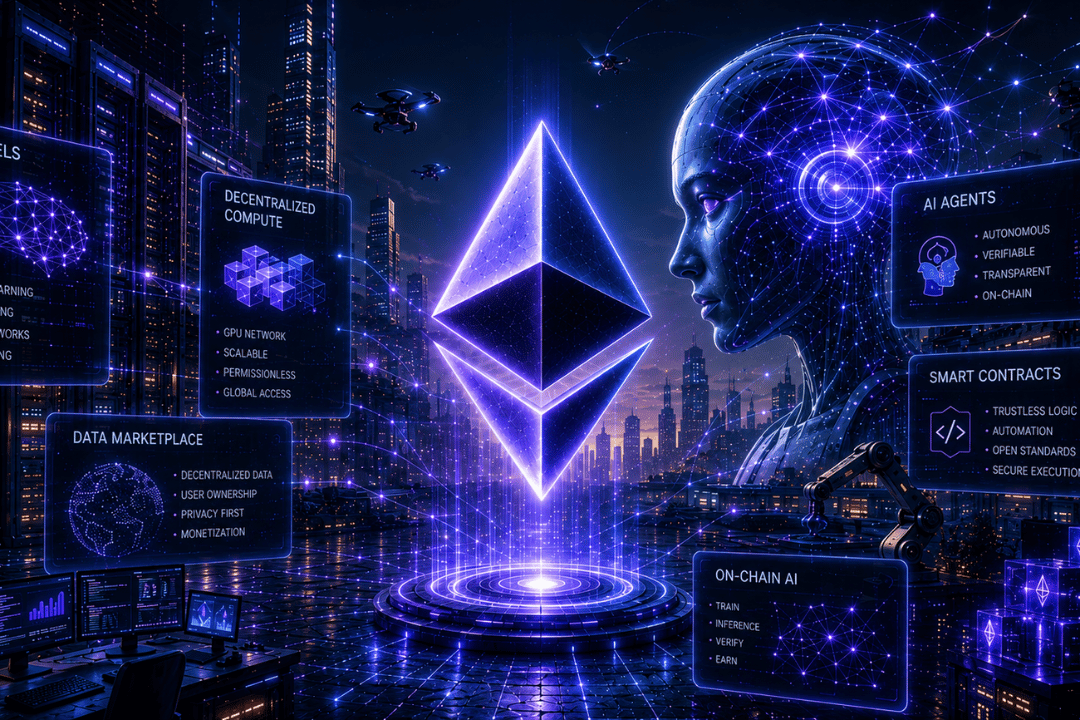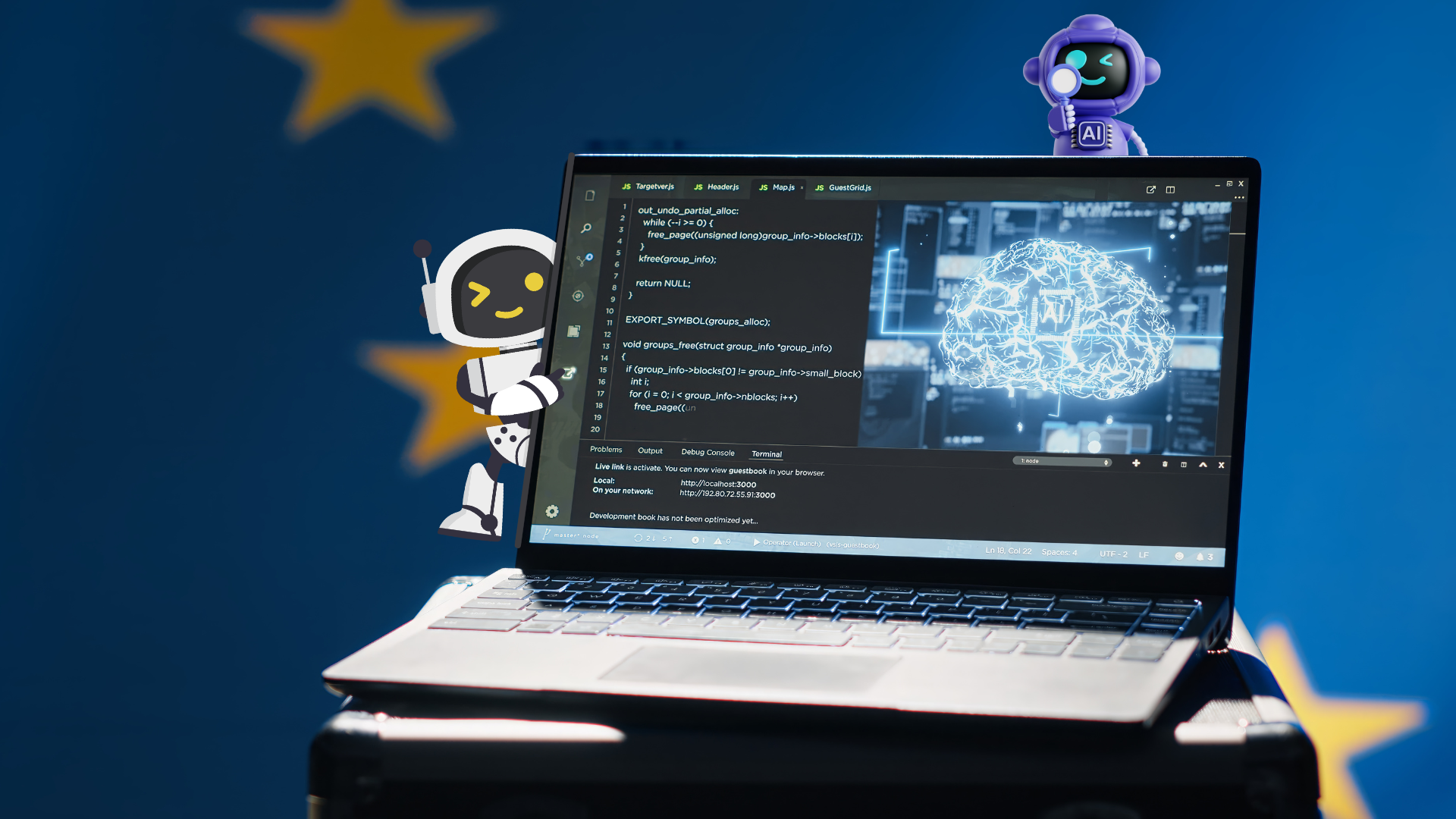


Right now while you’re reading this AI agents are doing more than answering questions or writing summaries. They’re negotiating contracts, triggering payments, managing treasury tasks, and touching sensitive systems. And their role is expanding fast: from “assistants” to autonomous economic actors.
Here’s the problem: we still don’t have a clean, widely accepted way to prove who an agent is, who it represents, what it’s allowed to do, and who takes responsibility when it messes up.
That missing identity layer isn’t a small technical detail. It’s a systemic risk.
AI agents are already turning into economic actors
A lot of people still think AI agents are “early,” experimental, or far away from handling real money. But adoption is moving quicker than most infrastructure can handle.
Many organizations are already letting software systems do more than “recommend.” They’re beginning to authorize agents to execute: move funds, optimize liquidity, route payments, and support treasury operations.
And as tokenization spreads stablecoins, tokenized securities, programmable settlement—AI agents become a natural fit. They can operate in real time, react instantly, and handle high-frequency decision loops that humans simply can’t match.
Consumer behavior is shifting too. If people are willing to let agents buy on their behalf to secure the best price, that’s a strong signal that autonomous commerce isn’t theoretical it’s coming.
The real risk isn’t intelligence it’s verification
The main issue isn’t whether AI is “smart enough.” The issue is trust.
If an AI agent starts managing payroll, handling stablecoin flows, trading on DeFi protocols, or reallocating portfolios, everyone involved needs answers to basic questions:
- Who created this agent?
- Who authorized it?
- What limits does it operate under?
- What happens if it misroutes funds or breaks rules?
- Who’s accountable when something goes wrong?
Today, we’re mostly relying on API keys, cloud credentials, and static permissions. Those tools were built for software services, not for agents that can make independent decisions and act continuously.
That mismatch creates a gap big enough for serious failures.
Why this identity gap hits harder on-chain
Blockchains make transactions irreversible. They are also often pseudonymous. That combo is powerful—but dangerous when autonomous agents are involved.
If an agent is trading, routing payments, or interacting with tokenized assets, counterparties need cryptographic confidence that:
- the agent is legitimate,
- it’s acting within defined permissions, and
- its mandate and constraints are auditable.
This is where on-chain identity becomes more than a “nice-to-have.” The argument is that we need a KYA framework (Know Your Agent)—a verifiable way to establish agent identity, authority, and accountability.
Why blockchain is positioned as the trust layer
On-chain identity (paired with verifiable credentials and programmable permissions) can make something possible that traditional credentials struggle to deliver:
- Portable identity across systems and chains
- Composable authorization (permissions that smart contracts can read and enforce)
- Auditability (clear trails of mandate and behavior)
- Defined liability hooks (who issued the mandate, under what rules)
Critics will say decentralized identity hasn’t taken off, or that centralized identity providers are “easier.” Others will argue this will invite more surveillance or heavy regulation.
But centralized credentials don’t give the same transparency and interoperability—especially when agents operate across multiple chains, protocols, and jurisdictions. And in a world where agents transact at machine speed, trust can’t depend on slow, closed platforms.
Tokenization + AI creates a new market structure
Here’s the bigger point: tokenization and autonomous agents together could reshape markets.
In some domains, machine-driven actors may outnumber human traders. If that happens without standardized identity and permissions, you get:
- fragmented trust silos
- higher systemic vulnerability
- more exploits and “who did what?” confusion
- a higher chance of regulatory backlash after a major failure
But if KYA-style infrastructure becomes standard, you could get the opposite:
- compliant automation that institutions can trust
- safer DeFi integrations with agent-level controls
- clearer audit trails and authorization boundaries
- faster adoption of tokenized finance
Where this goes next
The debate isn’t really whether AI agents will transact. It’s how they’ll be trusted when they do.
If decentralized infrastructure can’t provide identity + authorization + accountability, centralized platforms will gladly fill that gap. But if blockchain succeeds here, it could become the default trust layer for an economy increasingly run by autonomous systems.
In that future, code won’t just execute actions it will carry identity, mandate, and responsibility, even for non-human actors.