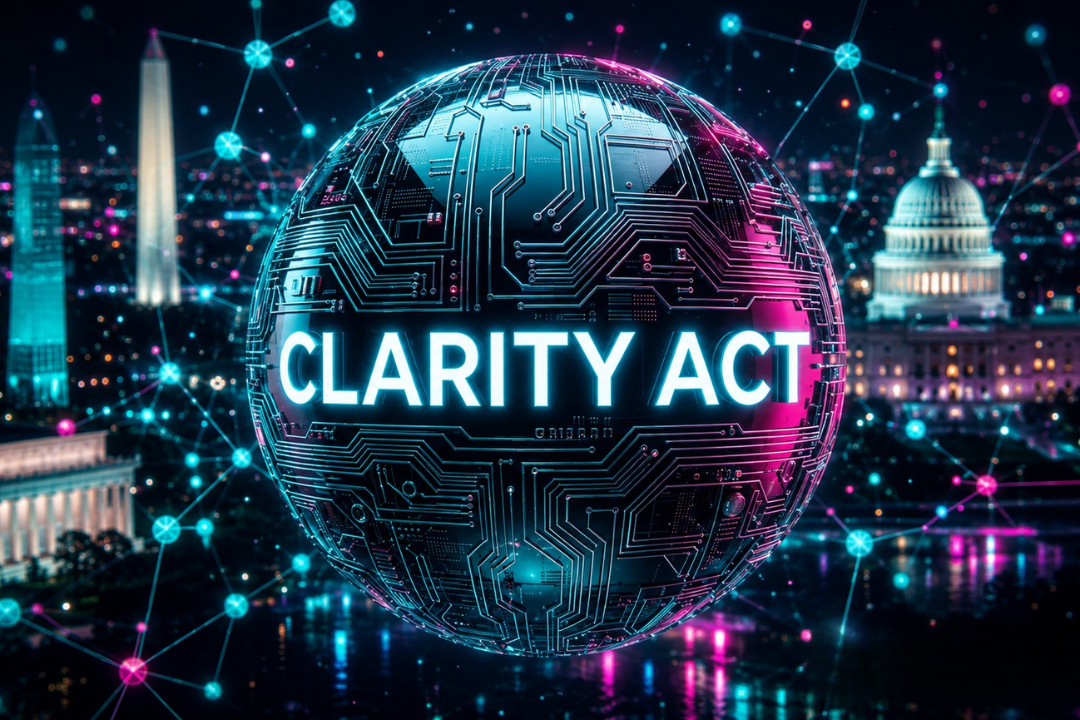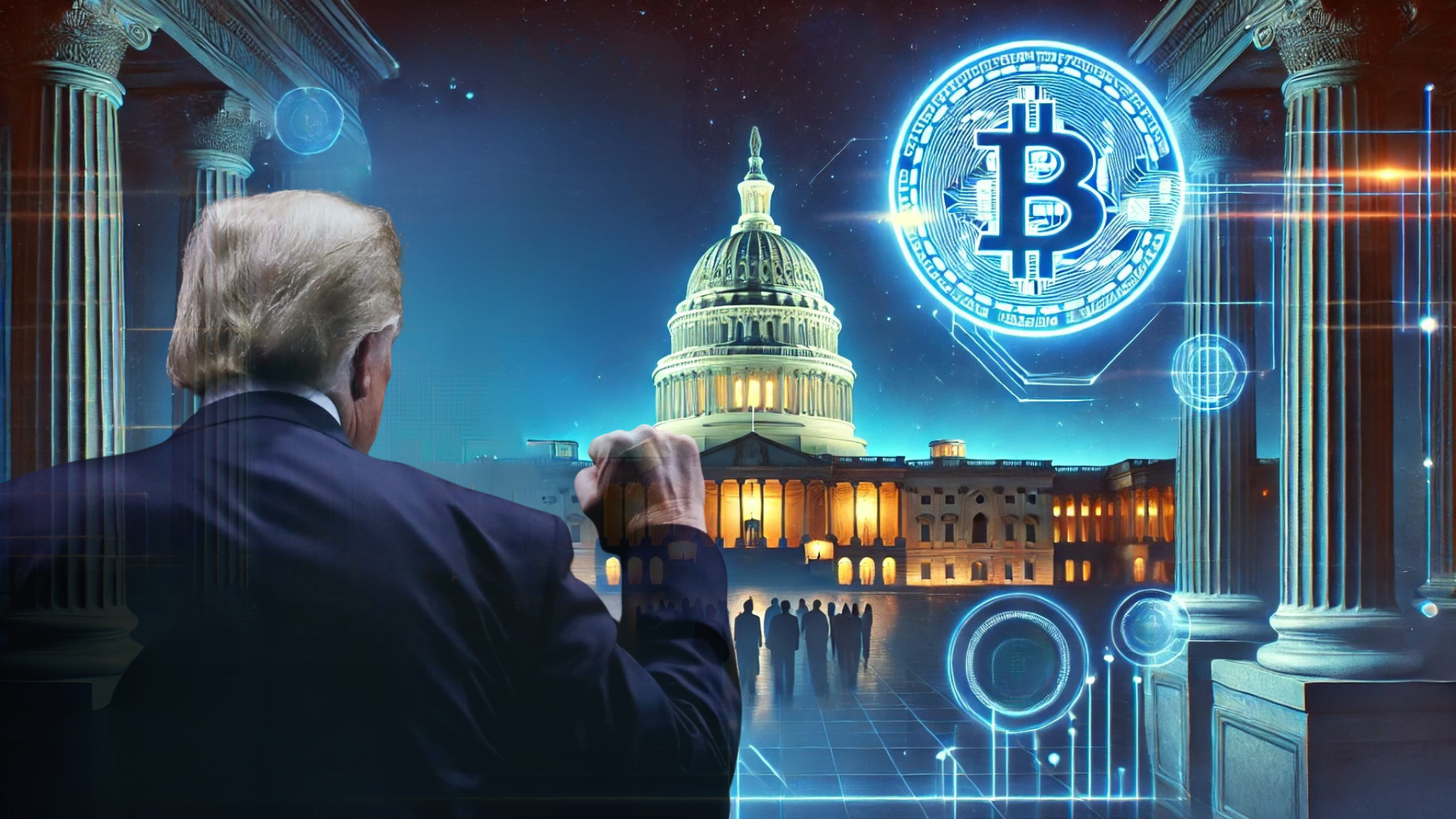


U.S. lawmakers have taken a decisive step toward blocking the development of a central bank digital currency (CBDC). On April 2, the House Financial Services Committee advanced the CBDC Anti-Surveillance State Act (H.R. 1919) in a narrow 27-22 vote, signaling growing resistance to the idea of a government-issued digital dollar.
Aims to Prevent Government-Controlled “Programmable Money”
The bill, introduced by Minnesota Representative Tom Emmer, seeks to prohibit the Federal Reserve from issuing or managing a CBDC, either directly or through intermediaries. It would also prevent the Fed from using a digital dollar as a tool for monetary policy or financial surveillance.
Emmer, a vocal opponent of CBDCs, expressed concerns that a state-run digital currency could give the federal government unprecedented control over financial activity, potentially restricting individual freedoms.
“A CBDC is government-controlled programmable money that, if designed without the privacy protections of cash, could give the federal government unilateral authority to surveil Americans’ transactions and restrict politically unpopular activity,” said Emmer in an April 3 press release.
Backed by Industry and Political Momentum
The bill currently boasts support from 114 co-sponsors, as well as industry groups like the American Bankers Association and the Blockchain Association. It also aligns with recent political moves, including a January executive order from former President Donald Trump, which barred the creation and use of a U.S. CBDC and proposed a working group to craft stablecoin regulations.
This marks Emmer’s second attempt at pushing anti-CBDC legislation. His previous bill, H.R. 5403, successfully passed the committee and the full House in 2024 but failed to reach a Senate vote before Congress adjourned.
Broader Crypto Legislation Also in Motion
The anti-CBDC bill is just one of several crypto-related proposals currently being considered by Congress. On the same day, the House Financial Services Committee also approved the Stablecoin Transparency and Accountability for a Better Ledger Economy Act in a 32-17 vote. The bill aims to provide regulatory clarity for USD-backed stablecoins like USDC and USDT, focusing on transparency, reserves, and oversight.
Meanwhile, the Senate Banking Committee is reviewing the GENIUS Act, introduced by Senator Bill Hagerty, which proposes a comprehensive federal framework for stablecoin issuers, covering licensing, audits, and reserve standards. The bill recently advanced with an 18-6 vote.
As digital asset adoption grows, lawmakers are sharpening their focus on the future of money and how it should be regulated. With privacy, sovereignty, and innovation at the heart of the CBDC debate, Emmer’s bill represents a clear stance against centralized digital currencies—and marks another milestone in the evolving U.S. crypto policy landscape.