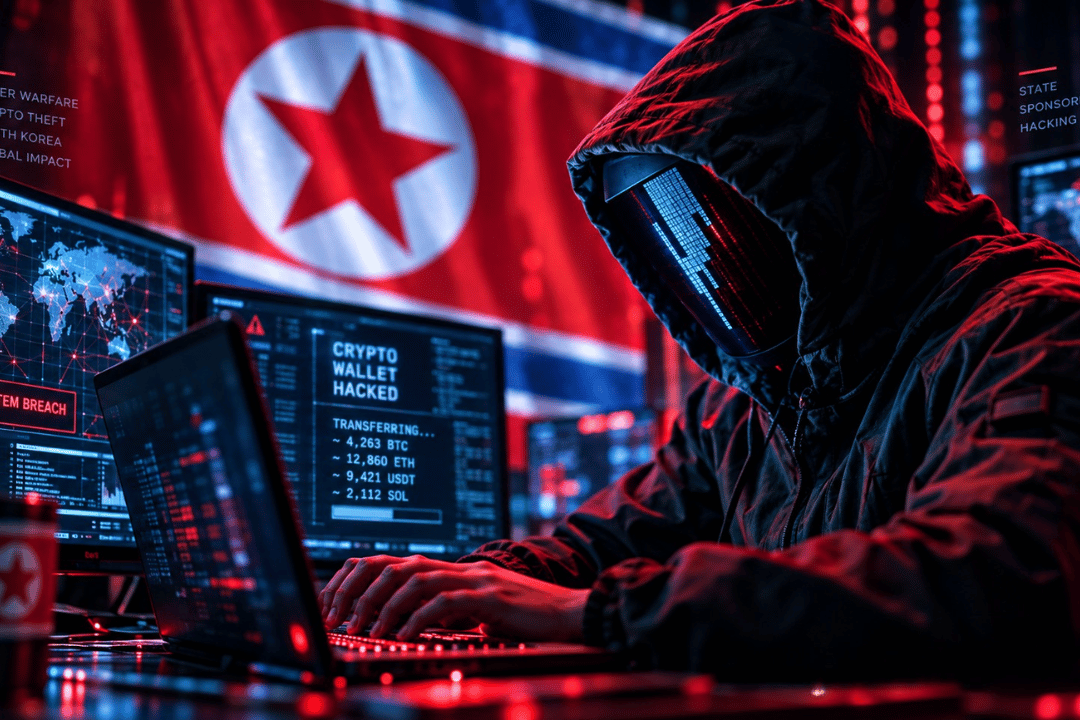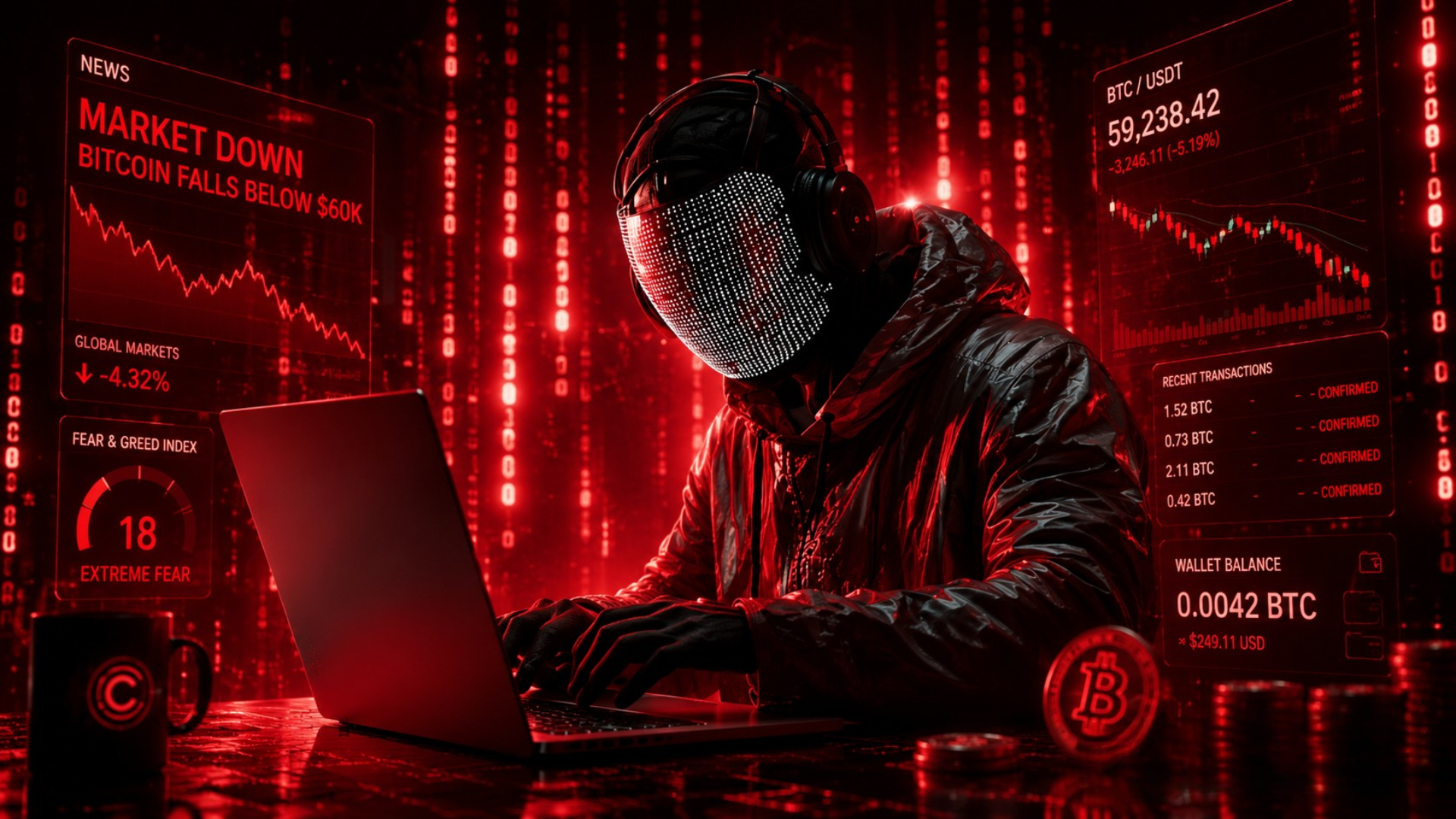


Microsoft has issued a new cybersecurity warning about a dangerous malware campaign targeting cryptocurrency users. What initially appears to be a simple crypto clipper has evolved into a much more sophisticated threat capable of stealing sensitive data, spreading across devices, and giving attackers remote access to infected systems.
According to Microsoft Threat Intelligence, the malware campaign, known as CryptoBandits, has been actively targeting Windows users since February 2026 and now combines several advanced attack techniques that make it far more dangerous than traditional clipboard hijackers.
What Is CryptoBandits?
CryptoBandits is a Windows-based malware strain designed to steal cryptocurrency-related information from users.
Traditional clipper malware typically monitors a victim’s clipboard and replaces copied cryptocurrency wallet addresses with attacker-controlled addresses. Victims unknowingly send funds to cybercriminals instead of their intended recipients.
However, Microsoft says CryptoBandits goes much further than simple wallet address replacement.
The malware can:
- Steal wallet addresses
- Capture seed phrases
- Extract private keys
- Take screenshots
- Communicate through the Tor network
- Execute attacker-supplied code remotely
- Spread to additional devices
These capabilities effectively transform the malware from a crypto stealer into a lightweight backdoor.
How the Malware Spreads
According to Microsoft’s research, the attack begins with malicious shortcut files, commonly known as .lnk files.
These files can be distributed through removable storage devices such as USB drives or other infected media.
When a victim opens the malicious shortcut, the malware activates and begins infecting the system.
One of the more concerning aspects of the campaign is its ability to replicate itself. The malware creates new malicious shortcut files from legitimate files found on the device, helping it spread further and making detection more difficult.
Microsoft also noted that CryptoBandits establishes persistence by creating scheduled tasks that allow it to continue running even after the system is restarted.
This gives attackers long-term access to infected devices and increases the chances of successfully stealing sensitive information.
Tor Network Helps Hide Criminal Activity
One of the campaign’s most sophisticated features is its use of the Tor anonymity network.
Microsoft discovered that the malware installs a portable Tor client and routes all communications through a local SOCKS5 proxy.
By using Tor, attackers can:
- Hide command-and-control servers
- Avoid traditional DNS monitoring
- Reduce detection by security tools
- Maintain anonymous communication channels
The malware communicates with hidden .onion domains, making it much harder for security teams to identify and block malicious traffic.
Microsoft noted that CryptoBandits commonly uses localhost:9050 connections, which may serve as an important indicator for defenders investigating suspicious activity.
Clipboard Monitoring Targets Crypto Users
The malware constantly monitors the victim’s clipboard activity.
According to Microsoft’s findings, CryptoBandits checks clipboard contents approximately every 500 milliseconds.
It searches for:
- Cryptocurrency wallet addresses
- Recovery seed phrases
- Private keys
- Other valuable crypto-related information
If the malware detects a wallet address, it can instantly replace it with an attacker-controlled address.
If it discovers a seed phrase or private key, the information is transmitted to attackers through the Tor network.
Because cryptocurrency transactions are irreversible, even a single successful wallet replacement can result in permanent loss of funds.
Why This Threat Is More Dangerous Than Traditional Clippers
The biggest concern highlighted by Microsoft is the malware’s ability to execute remote commands.
Researchers found that CryptoBandits can receive instructions from its command server and execute code through an “EVAL” command.
This capability effectively turns the malware into a remote access tool.
Once installed, attackers can potentially:
- Run arbitrary commands
- Download additional malware
- Expand their access within the system
- Collect more sensitive information
- Maintain long-term control over infected devices
This marks a significant evolution from traditional crypto clippers that were primarily focused on wallet address replacement.
Microsoft Advises Security Teams to Look for Behavior Patterns
Microsoft emphasized that defenders should focus on identifying related behaviors rather than investigating isolated alerts.
The company recommends monitoring for:
- Script engines launching PowerShell
- Unexpected use of cmd.exe
- Suspicious curl activity
- Unknown executable files
- Connections involving localhost:9050
- Tor-related network traffic
By correlating multiple indicators, security teams may be able to detect infections before significant damage occurs.
Crypto Users Continue to Face Growing Threats
CryptoBandits is only the latest example of cybercriminals targeting digital asset holders.
Recent attacks have included:
StilachiRAT
Malware designed to monitor crypto wallets and harvest stored credentials.
SparkCat
A threat that scans screenshots and images searching for seed phrases and wallet recovery information.
Clipboard Hijackers
Malware that replaces copied wallet addresses with attacker-controlled destinations.
These attacks highlight the increasing sophistication of threats aimed at cryptocurrency users.
As digital assets become more widely adopted, cybercriminals continue developing new techniques to steal funds and sensitive wallet information.
How Users Can Protect Themselves
To reduce the risk of infection, users should:
- Avoid opening unknown shortcut files (.lnk)
- Scan USB devices before use
- Verify wallet addresses before sending funds
- Use hardware wallets when possible
- Keep antivirus software updated
- Enable Windows security protections
- Avoid storing seed phrases digitally
- Regularly monitor systems for unusual activity
Users should also double-check every cryptocurrency transaction before confirming it, especially when copying and pasting wallet addresses.
Final Thoughts
Microsoft’s latest warning shows how crypto-focused malware is becoming increasingly advanced.
CryptoBandits is no longer just a clipboard hijacker. It combines wallet theft, screenshot collection, self-propagation, Tor-based communication, and remote code execution into a single attack chain.
For cryptocurrency holders, this serves as another reminder that security remains just as important as investment strategy. Protecting private keys, verifying wallet addresses, and maintaining strong cybersecurity practices are essential defenses against increasingly sophisticated threats.
As cybercriminals continue to target digital assets, staying informed about emerging threats like CryptoBandits may be one of the most effective ways to protect your funds.