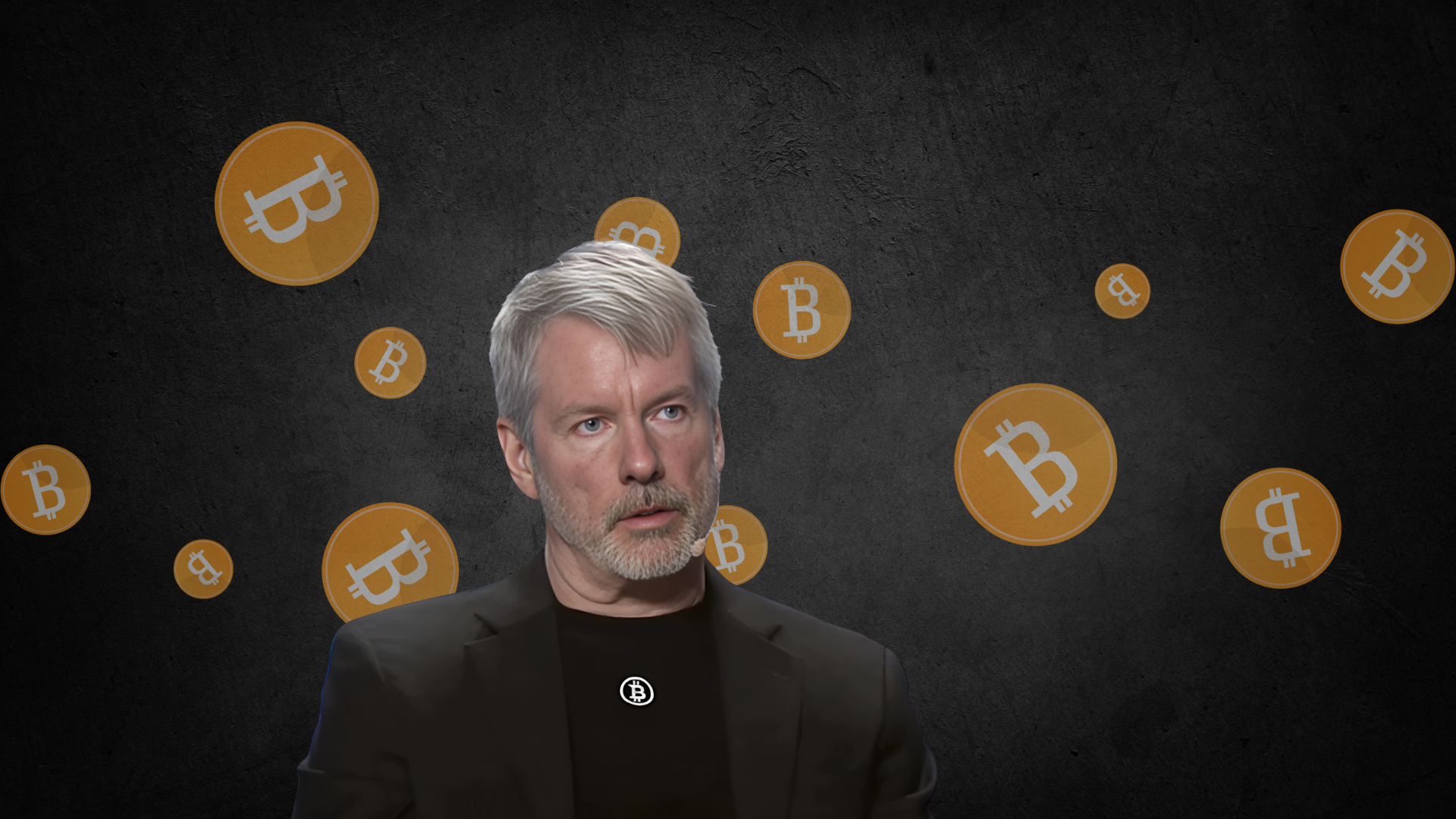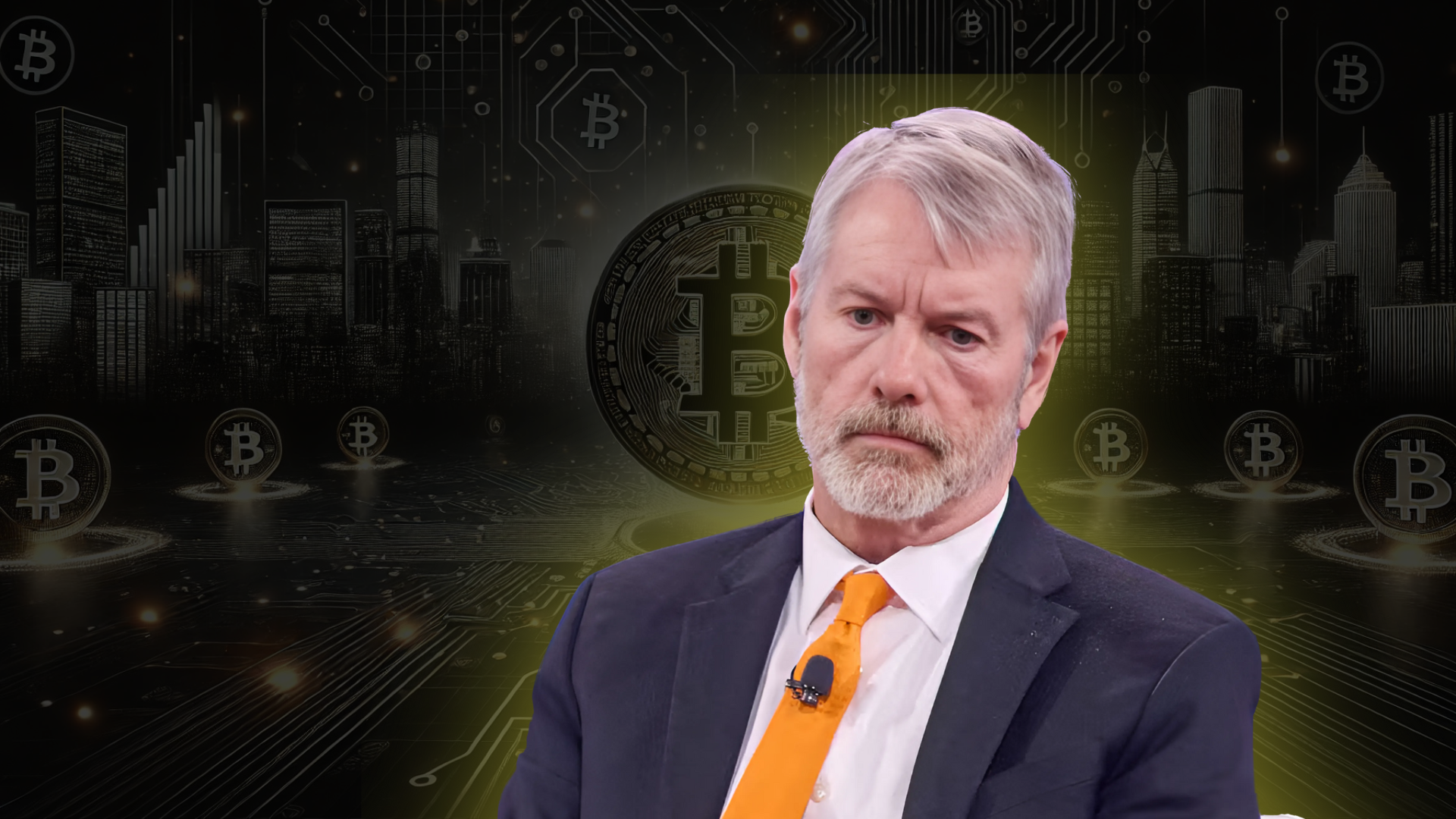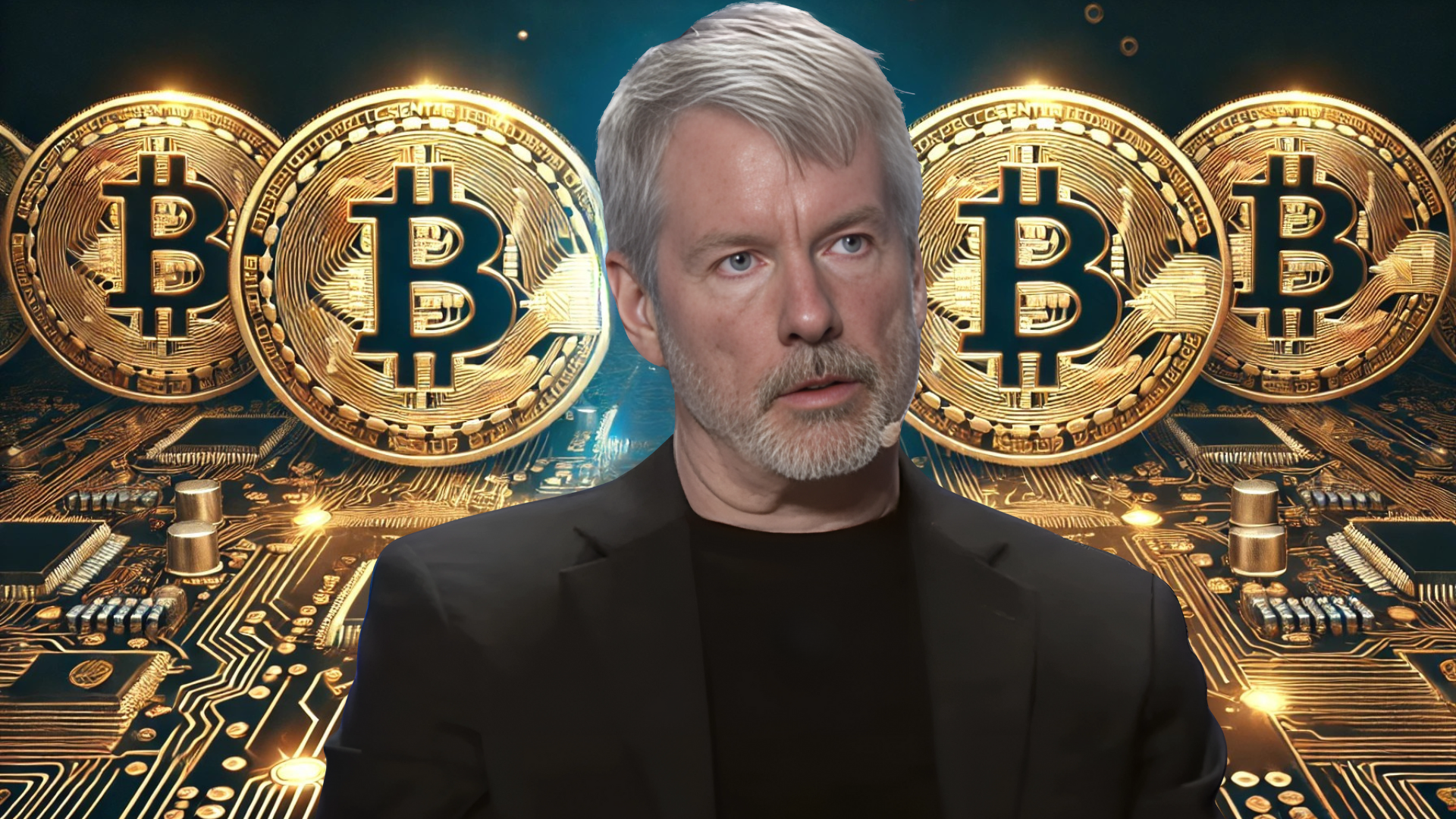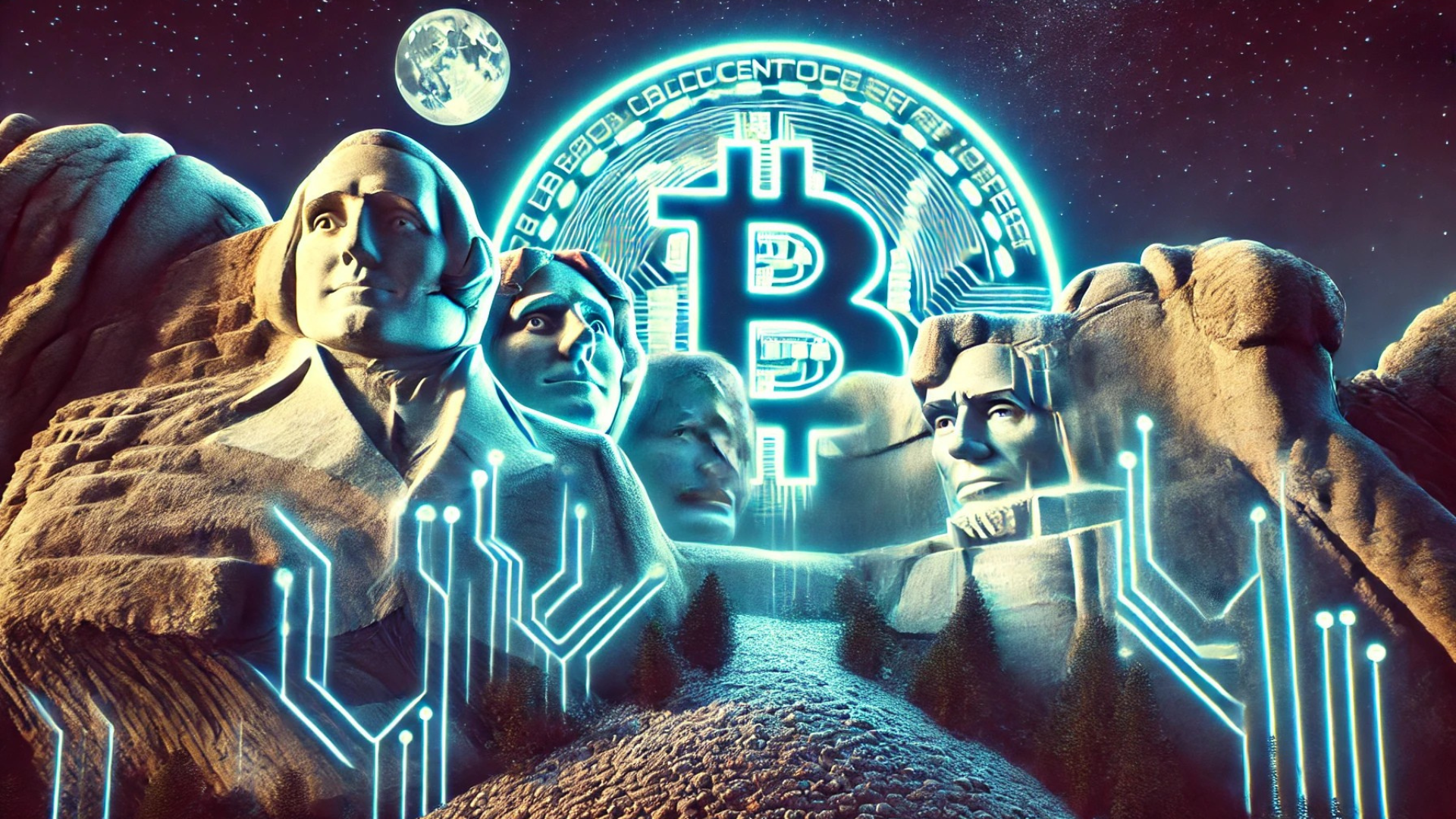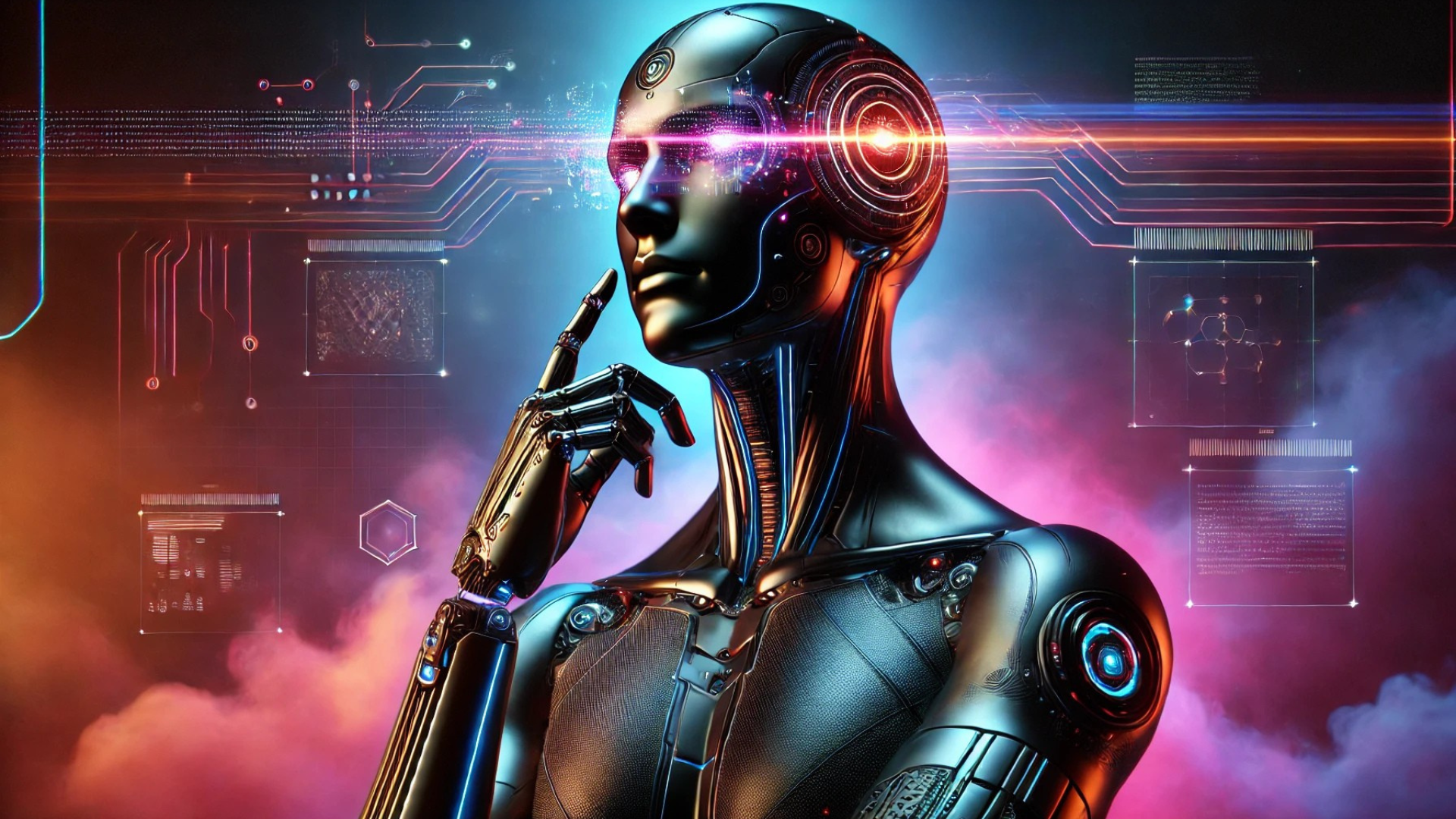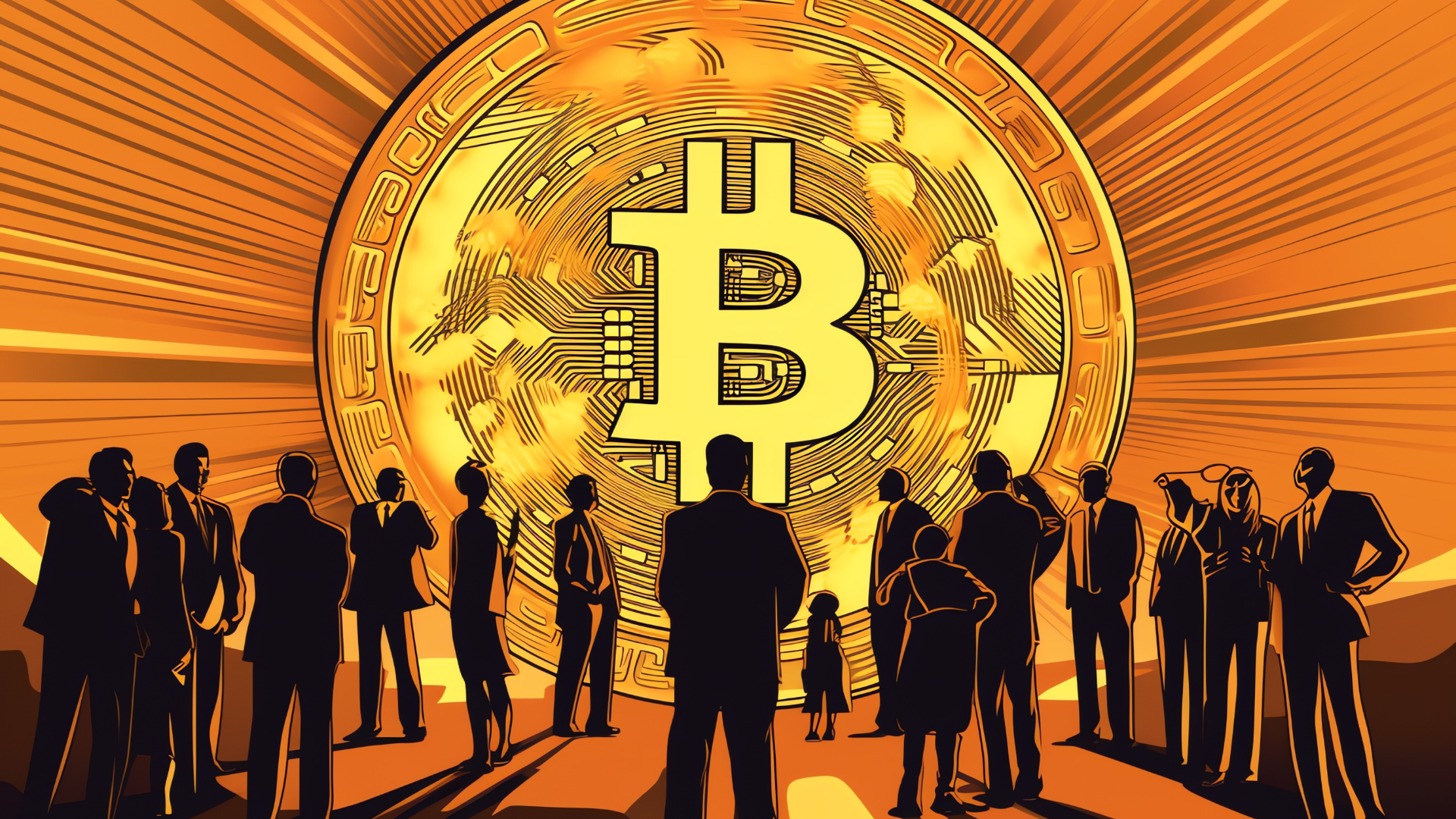


Michael Saylor has introduced a new framework for understanding the growing ideological divide within the Bitcoin community, arguing that Bitcoin’s evolution has naturally created four distinct groups with different visions for its future.
In a recently published paper, the Strategy executive chairman outlined what he calls the four major Bitcoin ideologies: Maximalists, Capitalists, Technologists, and Fundamentalists. While all four groups believe in Bitcoin’s importance, they differ significantly on issues such as adoption, institutional involvement, technological upgrades, and preserving the network’s original principles.
The paper arrives at a time when Bitcoin is increasingly influencing corporations, governments, financial institutions, and capital markets around the world.
Bitcoin Has Entered a New Era
According to Saylor, Bitcoin has evolved far beyond its origins as a niche technology experiment or a protest against traditional monetary systems.
He argues that Bitcoin now functions as a global monetary network that impacts:
- Individual investors
- Public companies
- Banks and financial institutions
- Capital markets
- Governments and policymakers
As Bitcoin’s influence expands, disagreements about its future have become more visible.
Rather than viewing these differences as a conflict, Saylor describes them as a natural consequence of Bitcoin’s maturation and broader adoption.
Bitcoin Maximalists: The True Believers
The first group identified in Saylor’s framework is Bitcoin Maximalists.
According to Saylor, Maximalists see Bitcoin as the dominant digital monetary network and the ultimate form of sound money.
This camp generally views Bitcoin as:
- The best store of value
- Protection against inflation
- A hedge against currency debasement
- An alternative to weak financial systems
Maximalists often emphasize Bitcoin’s unique qualities and argue that it is fundamentally different from other cryptocurrencies.
Saylor credits this group with providing Bitcoin’s moral and philosophical foundation.
However, he also notes that Maximalists face an important question: how does Bitcoin integrate into the broader financial system while preserving its original vision?
In his view, Maximalism defines the destination, while other groups focus on determining the path to get there.
Bitcoin Capitalists: Bringing Bitcoin to Wall Street
The second group is Bitcoin Capitalists.
Unlike Maximalists, who focus on Bitcoin’s monetary principles, Capitalists concentrate on market expansion and financial integration.
This group supports Bitcoin’s inclusion in:
- Investment portfolios
- Corporate balance sheets
- Credit products
- Exchange-traded funds (ETFs)
- Institutional custody platforms
- Global financial infrastructure
Saylor describes Bitcoin Capitalists as viewing Bitcoin primarily as digital capital rather than simply digital money.
This perspective aligns closely with Strategy’s own approach, which has involved accumulating large Bitcoin reserves and promoting Bitcoin-backed financial products.
Capitalists believe wider institutional adoption is essential for Bitcoin to reach its full potential.
Bitcoin Technologists: Building the Future
The third camp consists of Bitcoin Technologists.
For this group, Bitcoin’s success depends on continuous innovation and technical improvement.
Areas of focus include:
- Scalability solutions
- Privacy enhancements
- Security upgrades
- Better wallet experiences
- Improved custody systems
- Protection against future threats such as quantum computing
Technologists believe Bitcoin must continue evolving to remain competitive and useful.
At the same time, Saylor acknowledges the risks associated with protocol changes.
Bitcoin’s value is heavily tied to trust and stability. Any modification to the protocol must therefore meet extremely high standards before being adopted.
This creates a constant balance between innovation and preserving reliability.
Bitcoin Fundamentalists: Protecting the Core Principles
The final group is Bitcoin Fundamentalists.
Saylor describes them as the guardians of Bitcoin’s original philosophy.
Fundamentalists prioritize:
- Self-custody
- Running personal nodes
- Decentralization
- Immutability
- Censorship resistance
They are often skeptical of:
- Large financial institutions
- Government involvement
- Centralized custodians
- Excessive leverage
- Complex financial engineering
According to Saylor, Fundamentalists worry that Bitcoin could lose its original purpose if it becomes too closely tied to traditional financial systems.
Their role, he argues, is to ensure that growth and adoption do not come at the expense of Bitcoin’s foundational values.
Why the Timing Matters
The paper was released during a particularly sensitive period for both Bitcoin and Strategy.
Earlier this week, Strategy disclosed the sale of 32 BTC worth approximately $2.5 million, marking the company’s first Bitcoin sale since 2022.
Although the transaction represented only a tiny fraction of Strategy’s overall holdings, it attracted significant attention because Saylor has long advocated holding Bitcoin through market cycles.
At the same time, Bitcoin has been under pressure amid ETF outflows, broader market weakness, and growing competition for investor capital from artificial intelligence-related investments.
Against that backdrop, Saylor’s paper offers a broader perspective on Bitcoin’s long-term evolution beyond short-term market movements.
Saylor’s Vision: A Balanced Future
Rather than choosing one ideology over another, Saylor argues that Bitcoin needs all four groups.
His preferred approach is what he describes as disciplined expansion.
Under this model:
- Fundamentalists protect Bitcoin’s core principles.
- Technologists improve the network responsibly.
- Capitalists expand financial access and adoption.
- Maximalists preserve Bitcoin’s long-term vision.
According to Saylor, Bitcoin can continue growing without compromising its foundation if each group contributes its strengths while respecting the concerns of the others.
What This Means for Bitcoin
The framework highlights how Bitcoin has evolved from a single-purpose technology into a complex global ecosystem.
The debates surrounding self-custody, institutional adoption, protocol upgrades, and financial integration are likely to intensify as Bitcoin becomes more deeply embedded within the global economy.
Saylor’s paper suggests that these disagreements are not signs of weakness but indicators of a network entering a new phase of maturity.
As Bitcoin expands into public companies, ETFs, banking systems, and government discussions, the challenge will be balancing innovation and adoption with the principles that made the network valuable in the first place.
Whether one identifies as a Maximalist, Capitalist, Technologist, or Fundamentalist, Saylor’s message is clear: Bitcoin’s future will likely be shaped by all four camps working—sometimes uneasily—toward the same goal.