

Artificial intelligence has become one of the most transformative technologies of our time but behind the excitement lies a growing concern: power is concentrated in the hands of just a few big tech companies. These firms control how models are built, what data they’re trained on, what biases they may carry, and who gets access. For many, that feels like too much influence over something so powerful.
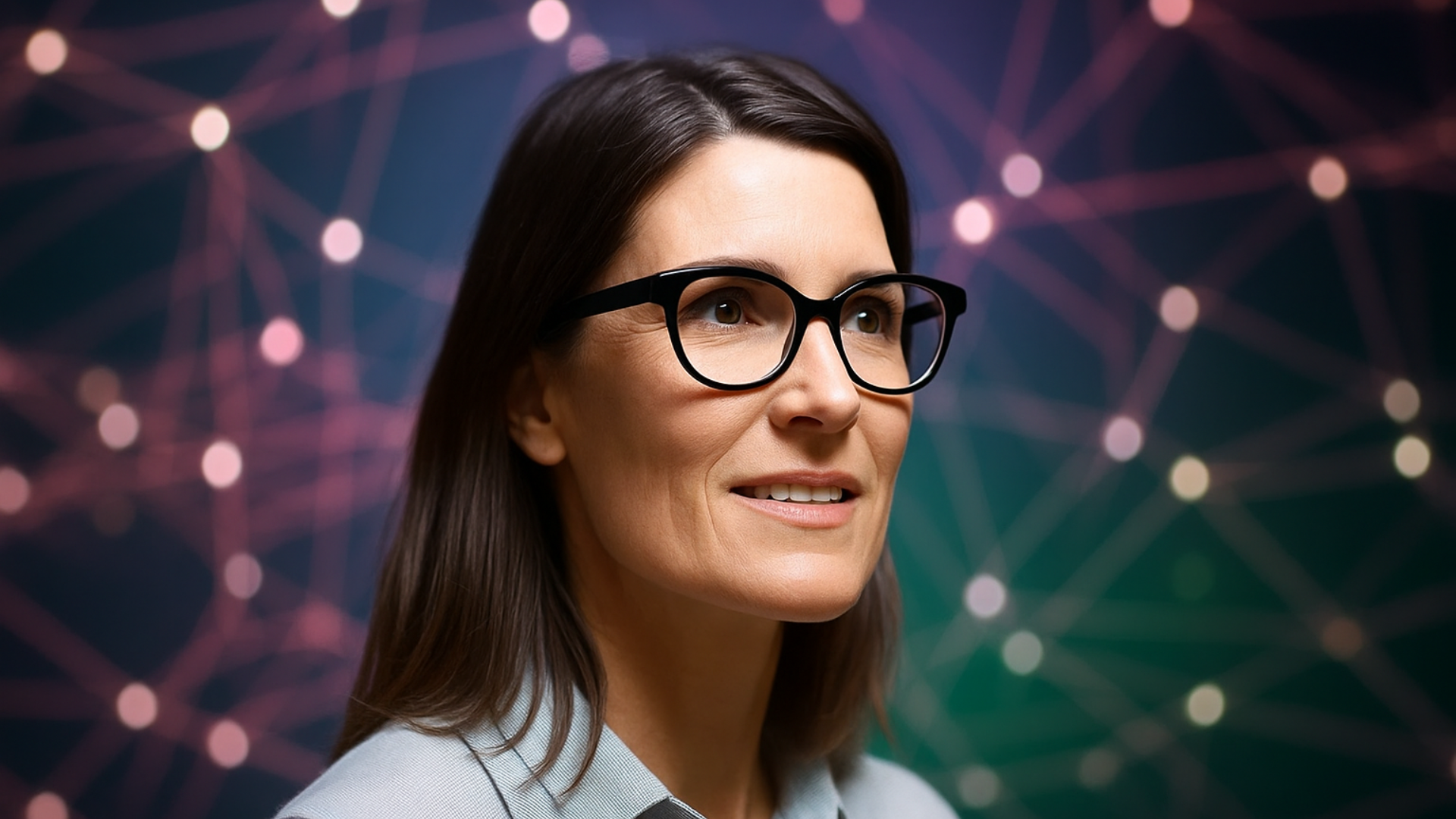
Karia Samaroo, founder and CEO of xTAO the only public company currently working within the Bittensor (TAO) decentralized AI ecosystem believes there’s a better path forward. In a recent conversation with crypto.news, she explained why decentralization could make AI more transparent, resilient, and fair.
AI’s Centralization Problem
Samaroo draws a parallel between AI and money. “Just like Bitcoin solved centralization in finance, Bittensor is solving centralization in AI,” she explained. Bitcoin removed the gatekeepers of money, making it accessible and inflation-resistant. In the same way, Bittensor distributes the control of AI models across a global network rather than keeping it locked within a handful of corporations.
In today’s centralized AI landscape, companies like OpenAI or Meta decide what models look like, which datasets they use, and even which users get access. They can also revoke that access at any time. That, Samaroo argues, is a fundamental flaw.
How Bittensor Works
Unlike projects that focus on specific parts of the AI stack, Bittensor takes a broader approach. Samaroo describes it as a “worldwide web of AI,” composed of interconnected subnetworks, each designed to handle different challenges such as compute, data, or validation.
This design makes the system more resilient, much like Bitcoin’s vast distributed network. The incentive mechanism encourages participants from AI engineers to validators to contribute. Engineers can build and monetize models directly, bypassing traditional job gates, while validators are rewarded for catching harmful or low-quality outputs.
Competing With Big Tech’s Data Advantage
One question often raised is how decentralized AI can compete with the massive data reserves of big tech. Samaroo points to projects like Grass, which crowdsources and incentivizes data collection. Similar efforts are happening inside the Bittensor ecosystem, creating large, community-driven datasets that can rival or even surpass the quality of centralized ones.
The difference, she notes, is in the incentive structure. On platforms like Twitter or Instagram, contributors get nothing when their data is used to train AI. In decentralized systems, contributors are rewarded directly, ensuring a fairer model that benefits the people providing the value.
Safety and Governance
Safety is a major concern in AI, centralized or decentralized. For Samaroo, Bittensor’s validator model provides a built-in solution: those who catch toxic or harmful outputs earn more rewards, aligning the system’s health with participant incentives.
Over time, governance is expected to become entirely community-driven. Rather than top-down censorship or corporate intervention, decisions about safety and content moderation will reflect the collective will of the network.
Avoiding Censorship and Bias
Censorship, Samaroo argues, is one of the biggest risks in centralized AI. If a company or government decides to push a certain narrative, they can do so by quietly tweaking the models. We already see this in social media, where platforms influence what users see sometimes without transparency.
Bittensor’s decentralized structure is different. While not perfect, it’s designed to be more representative of the broader community. If a subnet becomes too biased, participants can adjust incentives, reducing rewards for poor performance. And because the system is open and auditable, users can see exactly how decisions are made.
The Bigger Picture
For Samaroo, the ultimate promise of decentralized AI is freedom freedom for engineers to innovate without gatekeepers, freedom for contributors to be fairly rewarded, and freedom for society to avoid concentration of power in the hands of a few corporations.
“AI is becoming the most powerful tool humanity has ever built,” she said. “It shouldn’t belong to just a handful of companies. It should be open, transparent, and resilient and that’s what Bittensor is making possible.”