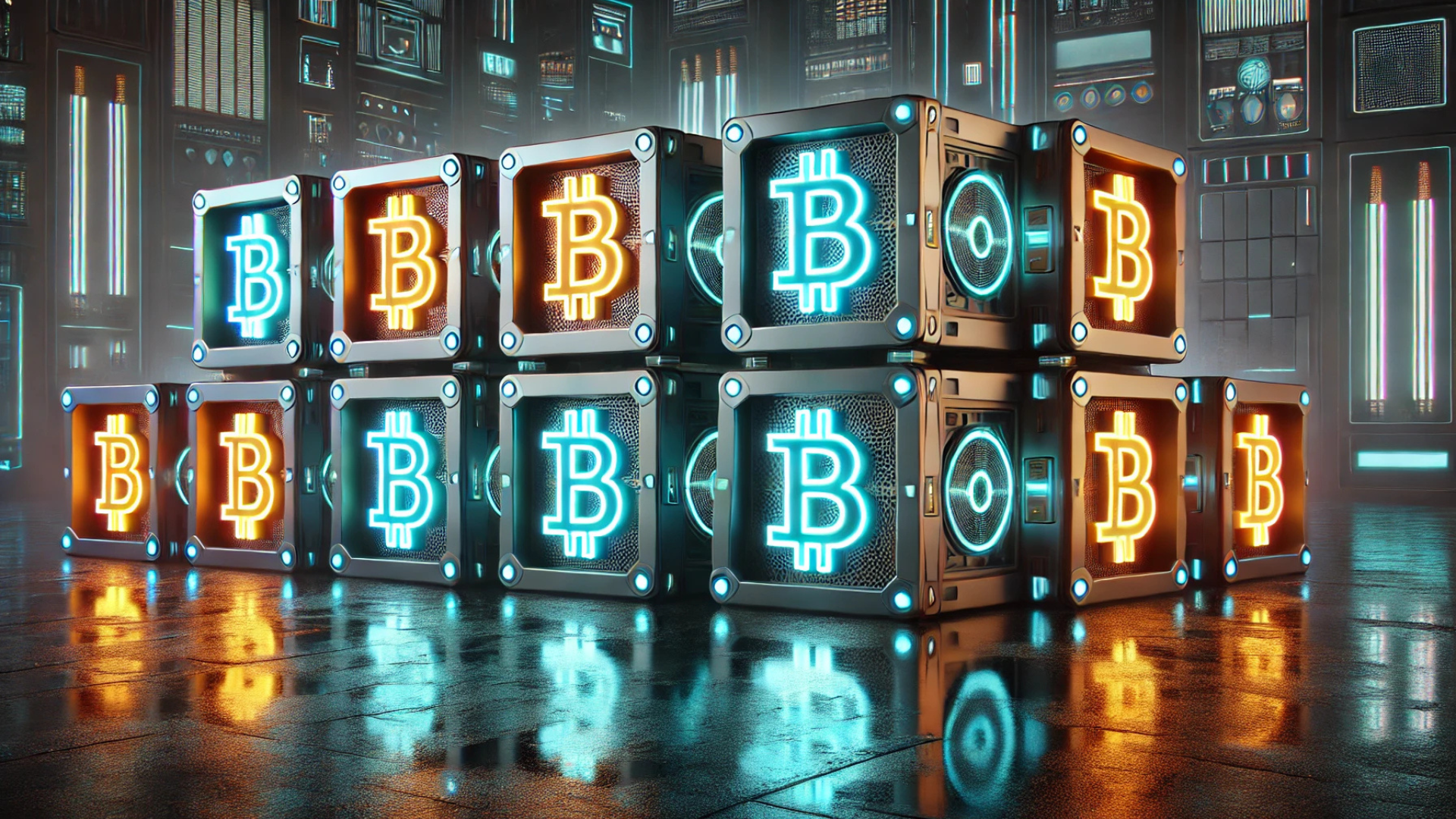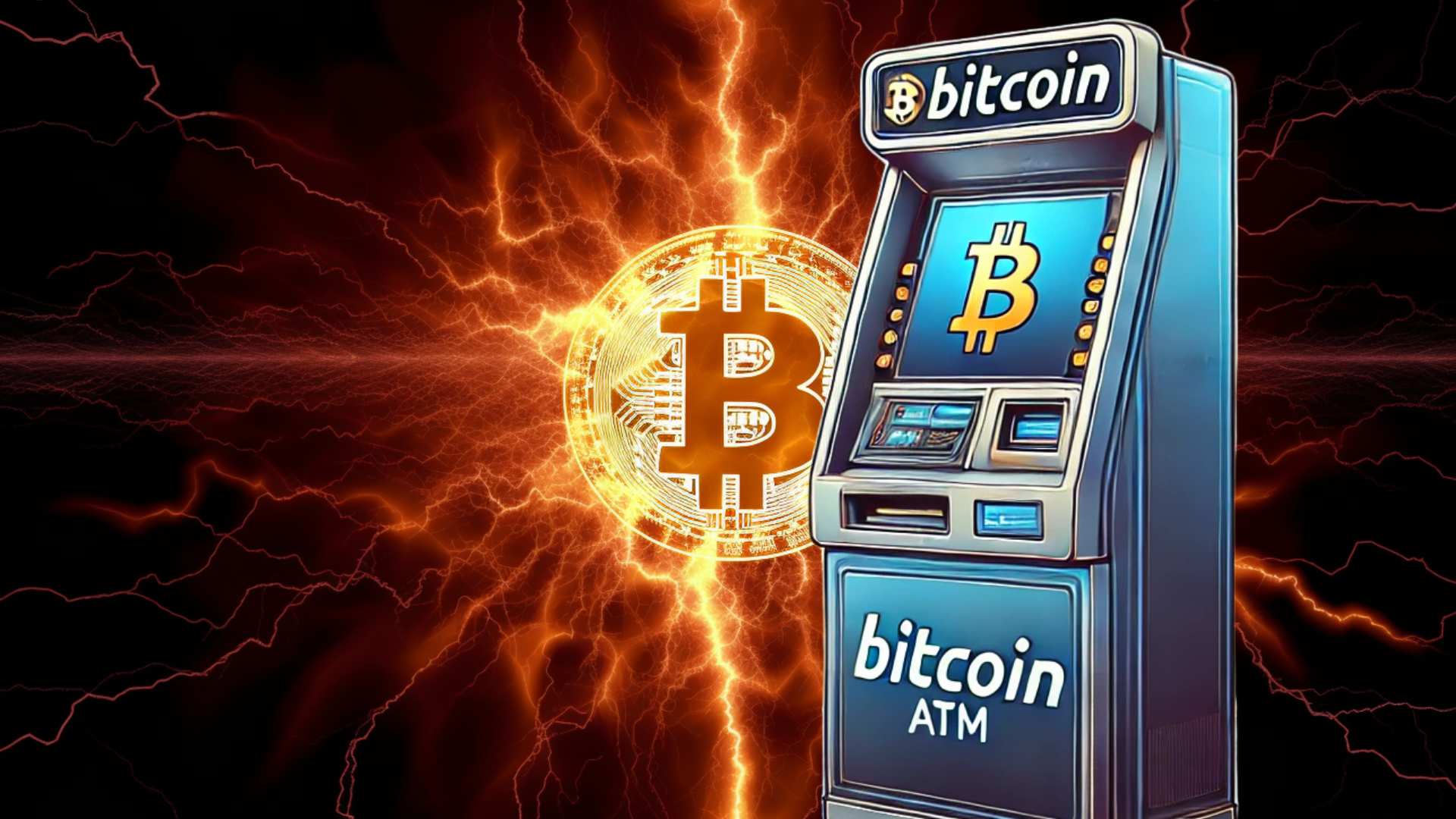

Crypto kiosks have become one of the most heavily scrutinized parts of the U.S. digital asset industry.
The machines allow users to deposit cash and receive cryptocurrency directly into a wallet, often within minutes. That accessibility can be useful for people who do not rely on traditional bank accounts, but it has also made crypto kiosks a frequent payment channel in impersonation and elder-fraud scams.
Federal rules already treat kiosk operators as money services businesses, requiring registration, anti-money-laundering controls, suspicious activity reporting and sanctions screening.
The more complicated picture begins at the state and local level.
Some jurisdictions have moved toward outright bans, while others impose money-transmitter licensing, transaction limits, warning screens, refund requirements and fee caps.
As fraud losses rise, the regulatory direction is becoming increasingly restrictive.
Crypto kiosk operators face federal money-services rules
At the federal level, the legal treatment of crypto kiosk operators is relatively clear.
An operator that accepts cash from a customer and sends cryptocurrency to a wallet is generally considered to be engaged in money transmission.
That places the business under the Bank Secrecy Act framework.
Operators are expected to register with the Financial Crimes Enforcement Network, commonly known as FinCEN.
Registration must also be renewed periodically.
But registration alone is not enough.
Crypto kiosk companies must maintain a risk-based anti-money-laundering program.
This generally includes:
- Written compliance policies
- A designated compliance officer
- Employee training
- Independent compliance reviews
- Record keeping
- Suspicious Activity Reports
- Currency Transaction Reports where applicable
- OFAC sanctions screening
For covered transactions, travel-rule obligations and additional record-keeping requirements may also apply.
FinCEN registration is not a federal license
One important distinction is that FinCEN registration does not amount to federal approval.
It is a registration requirement rather than a license confirming that regulators have reviewed and approved the business.
An operator that meets the definition of a money-services business but fails to register is not exempt from the rules.
It may instead be operating in violation of federal law.
Unlicensed money transmission can carry serious consequences even without any crypto-specific statute.
This makes federal compliance only the first layer of the regulatory framework.
State crypto kiosk rules vary widely
The state-level picture is considerably more fragmented.
Some states have chosen prohibition.
Others allow crypto kiosks but require operators to obtain money-transmitter licenses and comply with kiosk-specific consumer protections.
A third group has relatively little kiosk-specific oversight beyond general money-transmission and consumer-protection law.
This creates a difficult environment for companies operating across multiple states.
A kiosk company with machines in several jurisdictions may need to comply with a different combination of licensing, transaction, disclosure and refund rules in each one.
State bans show a growing restrictive trend
The source article describes several states moving toward outright prohibition of crypto kiosks.
The broader trend is more important than any single jurisdiction.
State lawmakers are increasingly responding to rising fraud complaints by asking whether regulating kiosks is enough or whether the machines should be prohibited entirely.
Once one state creates a legislative template, similar proposals can quickly appear elsewhere.
That makes state-level legislative activity one of the most important areas for kiosk operators to monitor.
A company can adapt to licensing requirements.
It cannot operate in a jurisdiction where the machines themselves are prohibited.
Other states regulate instead of banning
Many states have chosen a regulatory approach rather than a full ban.
The rules commonly include some combination of:
- Money-transmitter licensing
- Daily transaction limits
- Special limits for new customers
- Warning screens
- Receipt requirements
- Fee disclosures
- Refund or cooling-off periods
- Customer identification requirements
- Reporting of kiosk locations
- Surety bonds
These measures are intended to make fraud more difficult and give customers more time to recognize suspicious transactions.
The exact requirements vary substantially from state to state.
Transaction limits target common scam patterns
Daily transaction limits are becoming an important consumer-protection tool.
Many crypto kiosk scams involve victims who have never previously used one of the machines.
A fraudster may persuade the victim to withdraw thousands of dollars in cash and deposit it into a kiosk during a single session.
Transaction limits can reduce the amount of money a victim loses before the transaction is questioned or stopped.
Some states apply stricter limits to first-time customers.
The idea is to make it harder for criminals to extract a large amount of money from someone who has no established history of using the machine.
Refund rules shift some risk to operators
Some regulatory regimes go further by requiring operators to refund certain victims.
These rules may apply when a first-time customer reports fraud within a defined period.
Such requirements are particularly significant for kiosk companies because cryptocurrency transactions themselves are normally irreversible.
A refund requirement therefore shifts part of the fraud risk away from the victim and onto the operator.
That also gives kiosk companies a financial incentive to improve fraud detection before a transaction is completed.
Warning screens are becoming more common
Consumer warnings are another major part of the regulatory response.
Customers may be required to acknowledge messages explaining that:
- Government agencies do not demand crypto payments
- Banks do not instruct customers to deposit money into crypto kiosks
- Crypto transactions may be irreversible
- Scam callers often create a false sense of urgency
- A transaction should be stopped if another person is directing it
Warning screens are specifically designed around the common patterns seen in impersonation fraud.
Some jurisdictions also require written warnings on the physical machine itself.
Crypto kiosk fraud losses have risen sharply
Fraud data is one of the main reasons regulators are paying closer attention to the sector.
The article cites FBI complaint data showing 10,956 crypto kiosk-related complaints in 2024, associated with approximately $246.7 million in reported losses.
For 2025, complaints increased to around 13,460, while reported losses climbed to nearly $389 million.
That represents an increase of roughly 23% in complaint volume and approximately 58% in losses.
The fact that financial losses grew much faster than the number of complaints suggests that the average reported loss per victim also increased.
The source further notes that older adults represent a particularly large share of victims.
Elderly users are particularly vulnerable
Crypto kiosk scams often follow a predictable pattern.
A fraudster contacts the victim while pretending to be:
- A police officer
- A government employee
- A bank investigator
- A utility representative
- Another trusted authority
The caller then invents an urgent problem.
They may claim there is an arrest warrant, suspicious bank activity, unpaid debt or another emergency.
The victim is told to withdraw cash and travel to a nearby crypto kiosk.
The scammer often stays on the phone throughout the process and guides the victim through every step.
Once the cash is deposited, cryptocurrency is transferred to a wallet controlled by the criminal.
The funds can then be moved rapidly through additional wallets.
Irreversible settlement makes kiosks attractive to scammers
The speed of crypto transactions is useful for legitimate users, but it also creates a major fraud problem.
Once cryptocurrency leaves the kiosk and arrives in another wallet, the transaction normally cannot simply be reversed by a bank.
This is very different from some traditional payment methods where financial institutions may have time to block or investigate suspicious transfers.
Fraudsters exploit that finality.
The source article describes speed and irreversibility as two of the main features making crypto kiosks useful for impersonation scams.
Reported fraud figures may underestimate the problem
Official figures only include incidents that victims report.
That means actual losses could be higher.
Fraud victims may avoid contacting authorities because they feel embarrassed or believe their money cannot be recovered.
This can be especially common among elderly scam victims.
At the same time, complaint statistics need to be interpreted carefully.
A complaint represents a reported allegation rather than a final court finding.
The data is best understood as an indicator of the scale and direction of the problem.
Local governments are adding another regulatory layer
Crypto kiosk regulation is no longer limited to federal and state authorities.
Cities are increasingly adopting their own rules.
Municipal governments may impose requirements involving:
- Warning signs
- Business licenses
- Kiosk locations
- Hours of operation
- Zoning
- Distance from sensitive locations
- Consumer disclosures
This creates another compliance challenge.
An operator may be properly registered at the federal level and licensed by a state but still be unable to install a kiosk in a particular city.
San Antonio introduced kiosk warning requirements
The article highlights San Antonio as one example of municipal regulation.
The city began requiring bilingual warning signage at crypto kiosks from July 1, 2026.
This demonstrates how local governments can regulate the physical presentation and operation of machines even when broader rules are set elsewhere.
Municipal regulation may expand particularly quickly because cities do not necessarily need to wait for state legislatures to act.
Texas illustrates the regulatory debate
The article identifies Texas as an important jurisdiction because of the scale of reported kiosk-related losses.
According to the source, Texas recorded approximately $56.8 million across 1,179 complaints.
That made it one of the most significant states in the fraud data presented.
The article also describes increasing political pressure in Texas for greater oversight.
That makes the state particularly important to watch as lawmakers consider what level of regulation should apply to the machines.
Federal crypto ATM legislation remains unresolved
Federal lawmakers have also proposed legislation aimed specifically at crypto kiosk fraud.
The source discusses the Crypto ATM Fraud Prevention Act, designated S.710.
Proposals of this type can include measures such as:
- Transaction limits
- Consumer warnings
- Refund requirements
- Enhanced reporting
- Additional fraud-prevention obligations
However, the article states that the legislation has not been enacted.
Without a national kiosk-specific standard, states and municipalities continue developing their own approaches.
That is one of the main reasons regulation remains so fragmented.
A federal standard could reduce regulatory fragmentation
A national law could potentially establish minimum consumer protections across the country.
That might reduce some of the differences between individual state regimes.
Without such legislation, kiosk companies must continue monitoring rules jurisdiction by jurisdiction.
For national operators, this creates substantial compliance costs.
The company may need different machine software, transaction limits, disclosures and customer procedures depending on where each kiosk is located.
Crypto kiosk companies face growing financial pressure
The regulatory pressure is arriving while parts of the kiosk industry are already facing commercial difficulties.
The source describes a major operator that entered Chapter 11 bankruptcy protection in May 2026 after first-quarter revenue fell sharply.
That same period also brought state litigation.
This combination creates additional problems for consumers and regulators.
If an operator is financially distressed, regulators may find it more difficult to recover money for victims through restitution.
That can push lawmakers toward preventing transactions in the first place rather than relying on enforcement after fraud occurs.
Why crypto kiosks still have legitimate uses
Despite the fraud concerns, crypto kiosks do have legitimate users.
Their main function is converting physical cash into digital assets without requiring the same banking and exchange infrastructure used by online platforms.
That can be useful for people who are:
- Unbanked
- Underbanked
- Paid primarily in cash
- Unable to access conventional crypto exchanges
- Sending certain types of remittances
For those users, physical kiosks may provide one of the few practical ways to convert cash directly into cryptocurrency.
Kiosk fees can be significantly higher than exchange fees
The convenience comes at a cost.
Crypto kiosks typically charge much higher spreads and fees than online cryptocurrency exchanges.
That is why some jurisdictions require operators to display the effective exchange rate and fees clearly before a transaction is completed.
Fee transparency is a separate issue from fraud.
Even a legitimate transaction can be expensive if a customer does not understand how far the kiosk’s price differs from the wider market.
Regulators increasingly want customers to see that information before committing cash.
The industry’s argument against bans
Kiosk operators generally argue that banning the machines punishes a legitimate service for fraud committed by third parties.
The scammers making impersonation calls are usually not the companies operating the machines.
Similar scams also use:
- Gift cards
- Bank wires
- Cash couriers
- Other payment methods
From the industry’s perspective, better fraud prevention is more appropriate than eliminating the machines entirely.
That argument has some merit.
But lawmakers remain particularly concerned about the combination of elderly victims, large losses and irreversible settlement.
Physical machines make regulation easier
Crypto kiosks differ from many other digital asset services because they have a physical location.
A cryptocurrency exchange may exist primarily online.
A kiosk sits inside a grocery store, gas station or convenience store.
That makes it highly visible to consumers, law enforcement and politicians.
It also gives cities more opportunities to regulate them through ordinary rules affecting physical businesses.
Local governments can control where machines are installed even when they do not have authority over the underlying cryptocurrency network.
Operators face several compliance layers at once
For a crypto kiosk business, compliance should be viewed as a stack rather than a single license.
The first layer is federal.
Operators must address FinCEN registration, AML obligations, suspicious activity reporting and sanctions compliance.
The second is state licensing.
Depending on the jurisdiction, the company may need money-transmitter authorization, bonds, minimum net worth and additional kiosk-specific approvals.
The third is local regulation.
Cities may impose their own licensing, signage, zoning or operational requirements.
Finally, operators need to monitor states or municipalities where kiosks are prohibited entirely.
Consumers should recognize common crypto kiosk scam signs
For consumers, the warning signs are much simpler.
A legitimate government agency, police department, court or bank should not instruct someone to pay money through a cryptocurrency kiosk.
Several red flags regularly appear in reported fraud cases:
- The caller creates extreme urgency
- The victim is told to keep the situation secret
- The caller threatens arrest or financial loss
- The caller stays on the phone while the victim travels
- The victim is instructed to withdraw cash
- The caller provides a wallet address or QR code
- The caller tells the victim to ignore warnings on the kiosk
Any combination of these signs should be treated as a serious fraud warning.
Crypto kiosk regulation is moving differently from other crypto rules
The regulatory direction for kiosks is different from many other areas of the U.S. crypto industry.
In areas such as trading, banking, stablecoins and mining, policymakers have increasingly focused on defining rules under which activity can continue.
Crypto kiosks are facing greater pressure for outright restriction.
The biggest reason is the type of victim involved.
Many kiosk fraud victims were not actively participating in cryptocurrency markets before the scam.
They were introduced to crypto only because a criminal instructed them to use the machine.
That makes the political response very different from cases involving investors who knowingly chose to trade a volatile asset.
What happens next for crypto kiosk regulation?
The direction of crypto kiosk regulation in the US will likely depend on several developments.
One is whether additional states adopt outright bans.
Another is whether federal legislation establishes nationwide minimum standards.
Municipal activity will also be important.
Cities may continue imposing warning signs, business licenses, transaction controls and siting restrictions even if state governments do not act.
The next FBI fraud statistics could also influence legislation.
If reported losses continue rising rapidly, political pressure for stronger regulation is likely to increase.
The bottom line
Crypto kiosks operate within one of the most fragmented regulatory environments in the U.S. digital asset market.
Federal law already requires operators to comply with money-services-business rules, including FinCEN registration and anti-money-laundering obligations.
But the rules become much more complicated at the state and local level.
Some jurisdictions are choosing licensing and consumer protections.
Others are considering or adopting bans.
Cities are beginning to add their own restrictions.
At the same time, fraud losses associated with crypto kiosks have risen sharply, with elderly users representing a particularly vulnerable group.
That combination makes further regulation increasingly likely.
For operators, compliance now requires monitoring federal, state and municipal rules simultaneously.
For users, the most important rule remains much simpler: no legitimate government agency, bank or law enforcement body should instruct you to deposit cash into a crypto kiosk.
Legal Disclaimer: This article is for informational and educational purposes only and does not constitute legal, financial or investment advice. Cryptocurrency regulations change frequently, and current requirements should be confirmed with relevant regulators or qualified legal professionals.