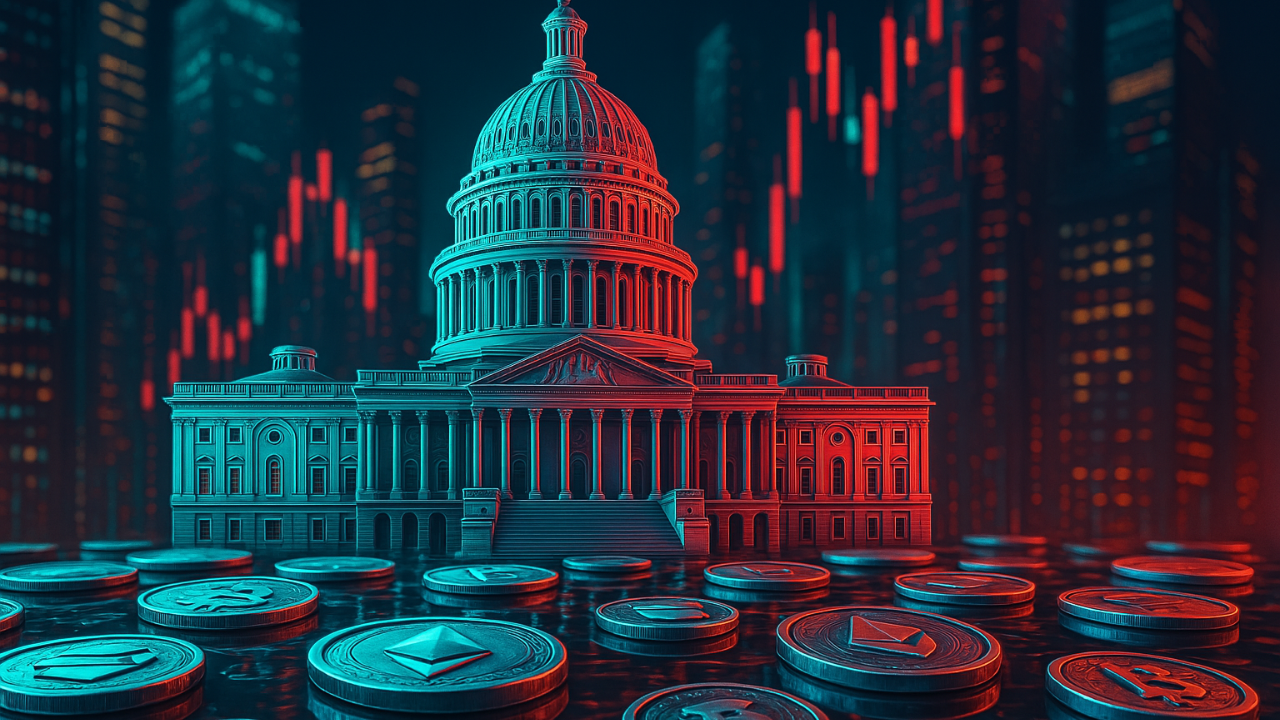


Efforts to establish a clear regulatory framework for crypto in the United States hit another setback this week, as Senate leaders delayed a key step in the legislative process due to slipping bipartisan support.
Senate Agriculture Committee Chair John Boozman confirmed that the committee will postpone its planned markup of the Digital Asset Market Clarity Act, commonly known as the CLARITY Act. The markup has now been pushed to the final week of January as lawmakers work behind the scenes to lock in enough votes from both parties.
Markup postponed as consensus falters
The Agriculture Committee had originally planned to hold its markup alongside a parallel session in the Senate Banking Committee this week. That plan has been scrapped after it became clear that support was not yet solid enough to move forward.
A markup is a critical phase in the legislative process, where committee members debate a bill line by line, propose amendments, and vote on whether to advance it to the full Senate. If either committee fails to approve the legislation, the bill effectively stalls.
According to lawmakers familiar with the discussions, disagreements remain over several sensitive areas. These include how stablecoin rewards should be treated, whether and how decentralized finance should be regulated, and how authority should be divided between the Securities and Exchange Commission and the Commodity Futures Trading Commission.
Senate leadership appears reluctant to force a vote without a clear path to approval. A failed or sharply partisan markup could weaken the bill’s prospects later in the year, especially as the legislative calendar becomes more compressed.
What the CLARITY Act aims to do
The CLARITY Act is designed to bring structure to U.S. crypto regulation by clearly defining which digital assets fall under securities law and which should be treated as commodities. Under the proposal, the CFTC would gain expanded oversight authority for qualifying crypto markets.
The bill also sets federal standards for market oversight, asset segregation, and operational requirements for crypto exchanges, brokers, and custodians. Supporters argue that clearer statutory rules would reduce reliance on regulation by enforcement and provide long-needed certainty to the industry.
The House of Representatives passed its version of the legislation in mid-2025 with broad bipartisan backing. The Senate, however, has struggled to align competing interests across lawmakers, financial regulators, traditional banks, and crypto firms.
Industry groups have warned that late-stage changes could cost the bill critical support, while some senators are pushing to include restrictions on how elected officials can financially engage with crypto assets, adding another layer of complexity to negotiations.
By delaying the Agriculture Committee markup until late January, Senate leaders hope to refine the bill’s language and rebuild consensus. Whether that effort succeeds will likely determine whether meaningful crypto market reform advances in 2026 or remains stuck in legislative limbo.