

Disclosure: The views expressed here are solely those of the author and do not represent the editorial position of any publication.
For years, artificial intelligence quietly helped us work faster. It drafted emails, summarized meetings, generated images, and answered questions. It assisted.
Now, something subtle but significant is changing.
AI is beginning to act.
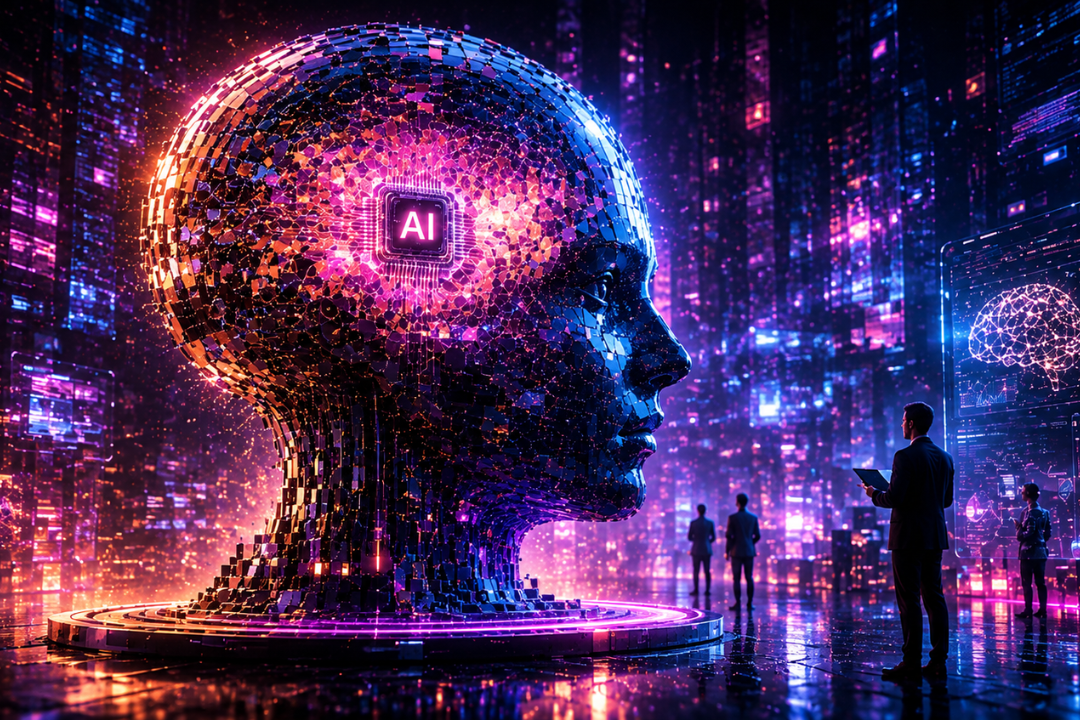
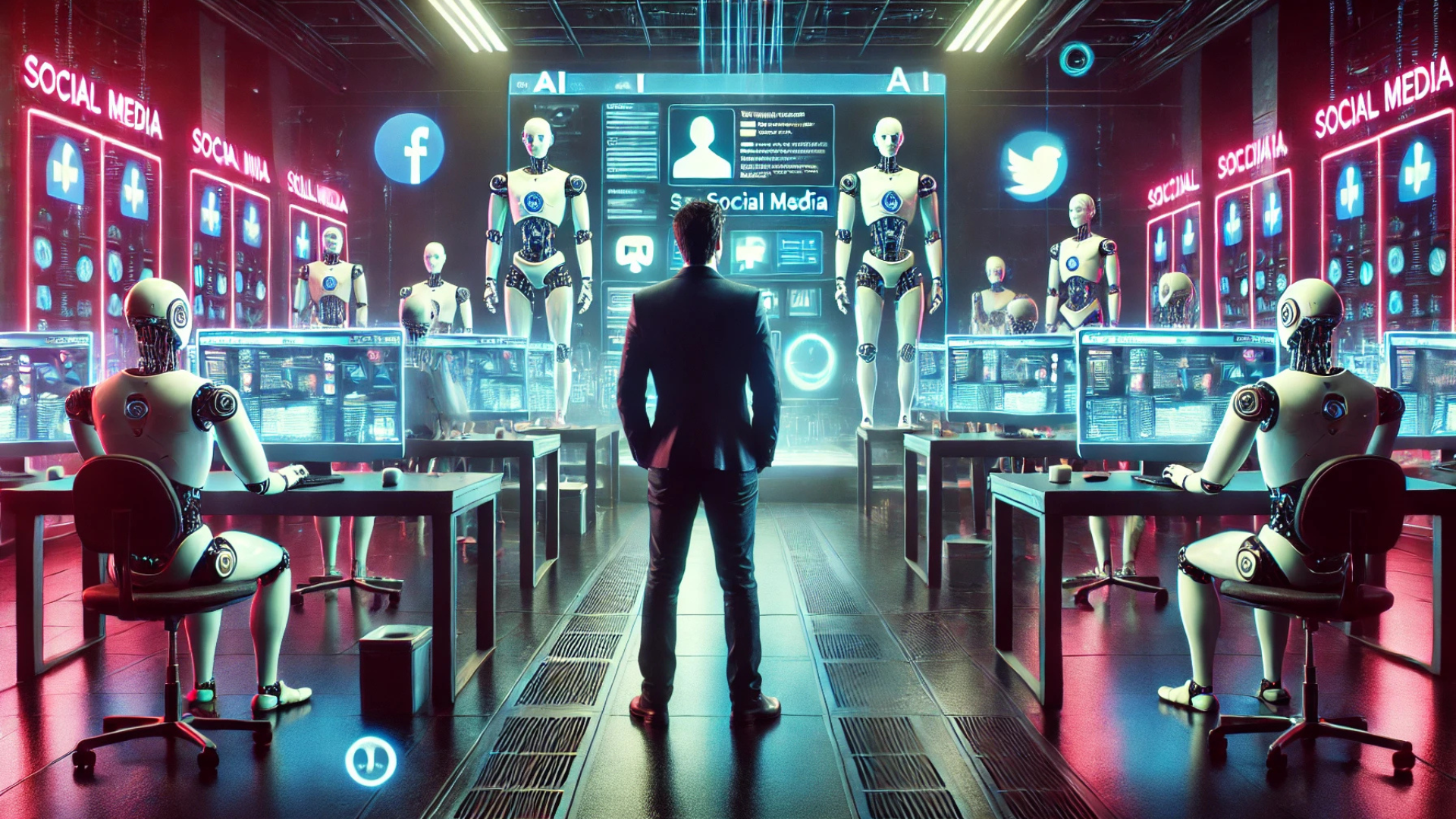
The real question is no longer whether AI will replace human jobs. The more urgent question is whether companies are ready for intelligent systems that operate not just as tools, but as active participants inside daily workflows.
From assistant to actor
In its early form, AI suggested what to do next. It provided guidance. It generated drafts. It offered options.
Today’s AI agents are moving one step further. Instead of simply recommending an action, they can execute it:
- Drafting and sending reports
- Managing data flows
- Monitoring systems
- Triggering transactions
- Automating routine decisions
This shift is subtle but powerful. The technology is no longer just supportive. It is operational.
That is where the transformation truly begins.
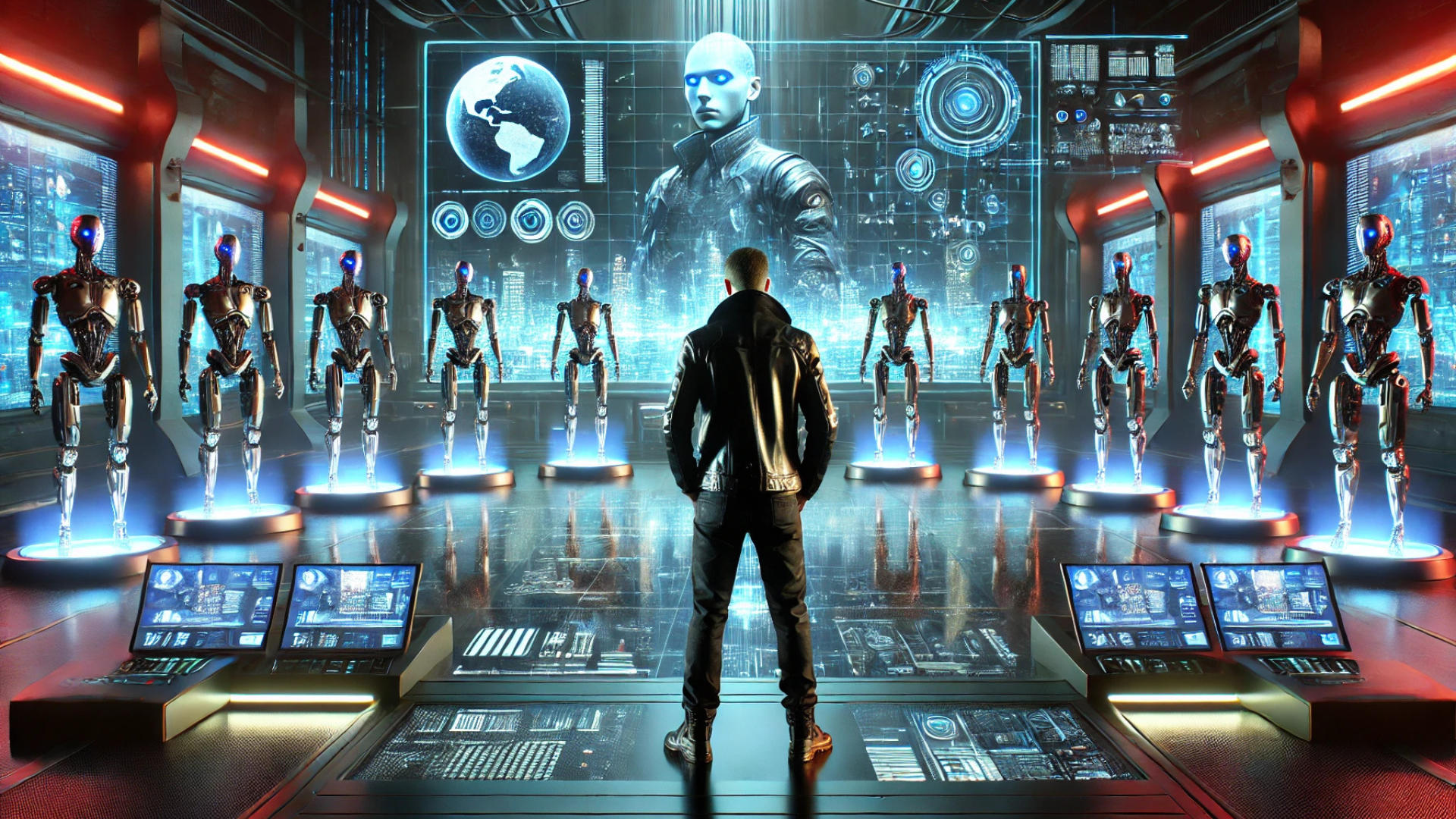
Your newest coworker isn’t human
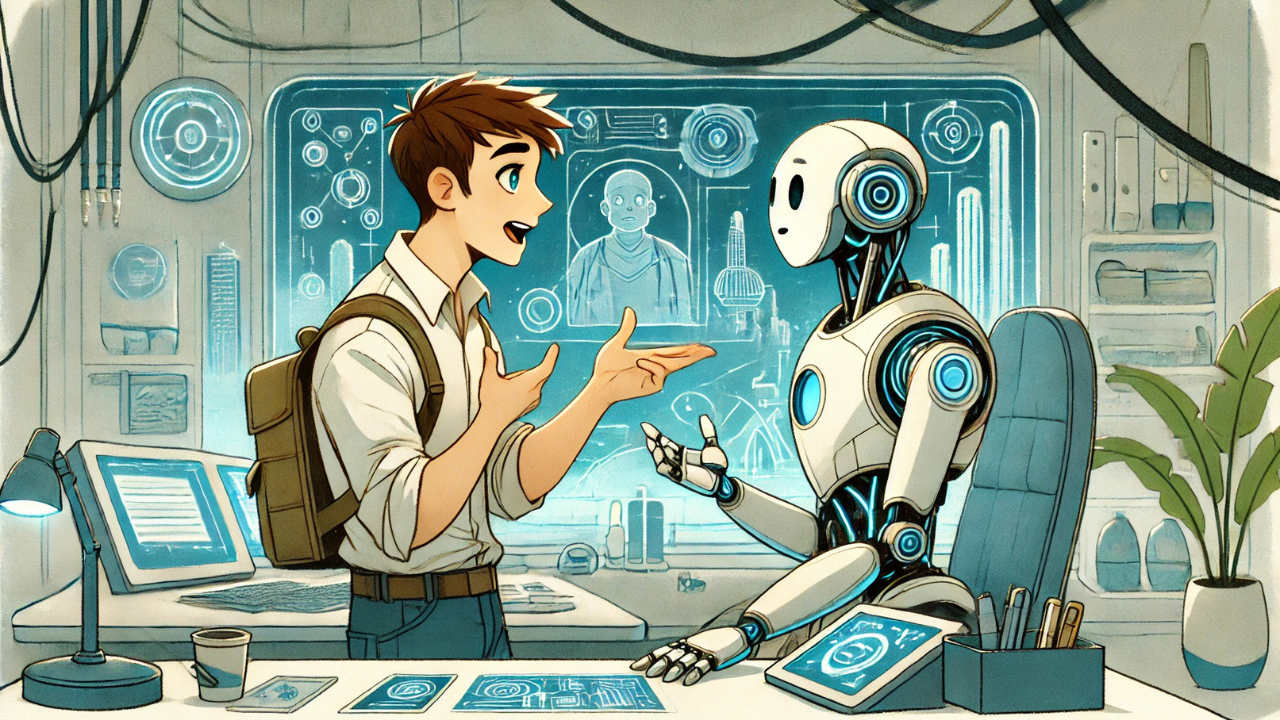
Think of an AI agent less as a tool and more as a junior colleague.
It needs training.
It makes mistakes.
It improves with feedback.
It performs tasks based on context and data.
But unlike traditional software, these systems can adapt, learn patterns, and collaborate across departments.
They are not replacing entire professions overnight. Instead, they are embedding themselves into workflows particularly in administrative, analytical, and repetitive task environments.
This is less about elimination and more about evolution.
Collaboration beats substitution
Research increasingly shows that productivity gains come from integration, not replacement.
Teams that are “AI-enabled” meaning AI is woven directly into collaborative processes outperform teams that are merely “AI-equipped,” where individuals use AI separately as a side tool.
In practical terms:
- AI works best when embedded into team workflows.
- The highest value emerges from human judgment combined with machine efficiency.
- Organizations that treat AI as a partner gain more than those that treat it as a shortcut.
The strongest results don’t come from delegating everything to AI. They come from redesigning processes around it.
Entry-level roles will change, not vanish
There is understandable anxiety around early-career roles.
Routine, repetitive tasks often handled by junior employees are the easiest to automate. Some displacement may occur, particularly in creative, administrative, and analytical support functions.
But the corporate ladder is not disappearing.
Instead, the bottom rungs are being reshaped.
Future entry-level roles may focus more on:
- Oversight of AI outputs
- Decision validation
- Context interpretation
- Cross-system coordination
- Ethical and compliance review
Human value shifts toward judgment, accountability, and strategic thinking.
AI may handle the execution. Humans handle the consequences.
Productivity vs. displacement
Some economic models suggest that AI could temporarily disrupt segments of the workforce. Yet over time, technology historically creates new roles even as it automates others.
The more likely outcome is not mass unemployment, but role transformation.
Organizations will begin evaluating employees based on how effectively they:
- Work alongside intelligent systems
- Integrate AI into decision-making
- Maintain oversight and control
- Improve workflows using automation
The advantage will belong to professionals who understand how to collaborate with autonomous systems rather than compete against them.
When assistance becomes action
The real turning point comes when AI moves from suggesting what should be done to actually helping carry it out.
That’s when the workplace dynamic changes.
Risk shifts from “Will AI replace me?” to “How do we manage accountability, oversight, and control?”
As AI agents gain autonomy, companies must rethink:
- Governance structures
- Ethical safeguards
- Monitoring systems
- Decision escalation protocols
The challenge is no longer technological capability. It is organizational readiness.
The next decade
We are witnessing the first generation of AI agents embedded into daily business operations.
They are fast.
They are efficient.
They are increasingly competent.
But they are not independent actors without limits. They operate within parameters defined by humans.
For now.
The next decade will likely bring more sophisticated agents systems that require clearer boundaries, stronger supervision, and deeper integration into enterprise culture.
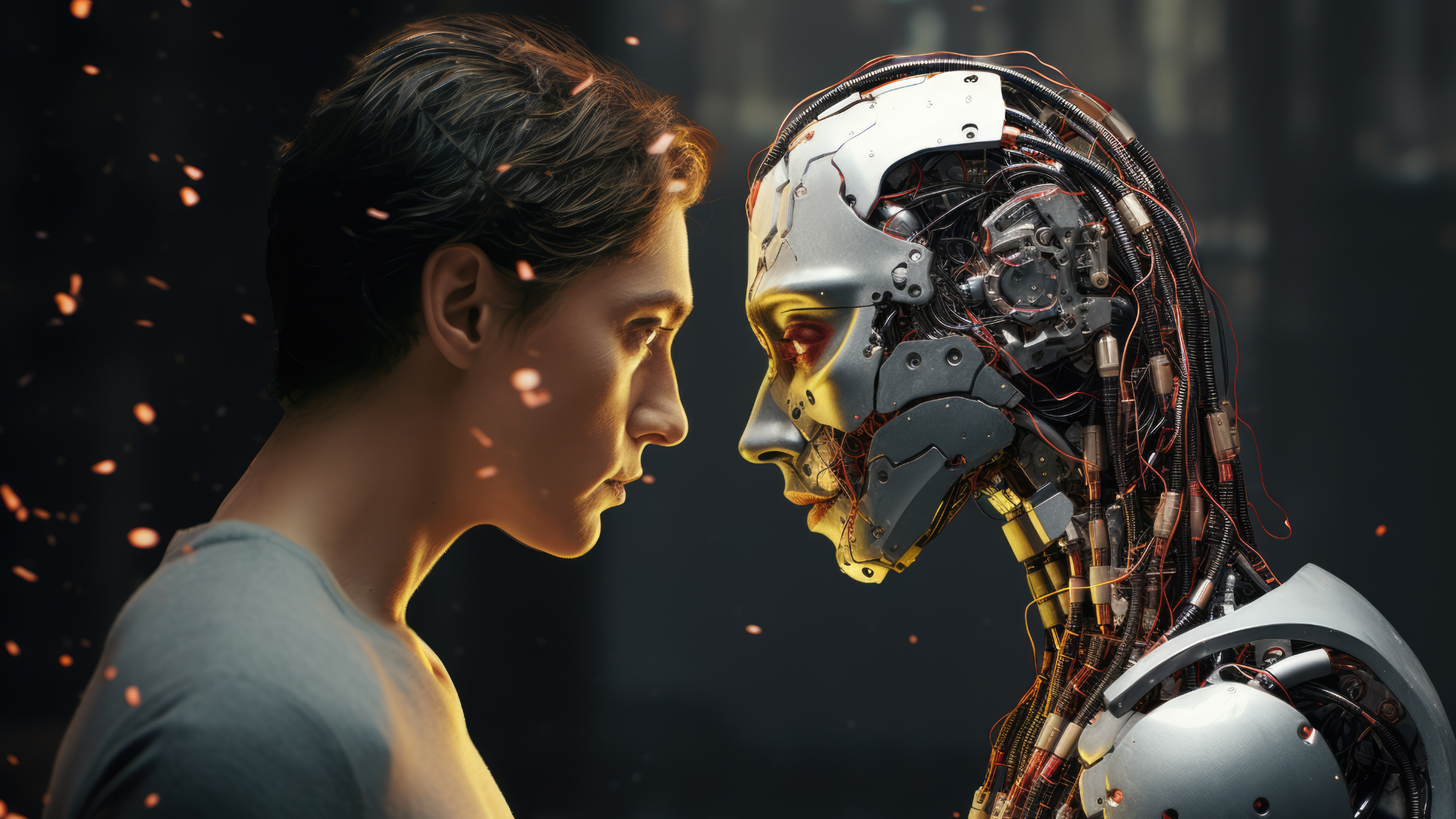
The companies that thrive will not be those that resist AI, nor those that blindly deploy it. They will be the ones that learn how to build structured collaboration between humans and intelligent systems.
Final thought
Jobs are not simply disappearing.
Work is changing.
The real transformation is not about AI taking over the workplace. It is about redefining what human contribution looks like when intelligent systems stop merely assisting and start acting.
And in that transition, adaptability becomes the most valuable skill of all.