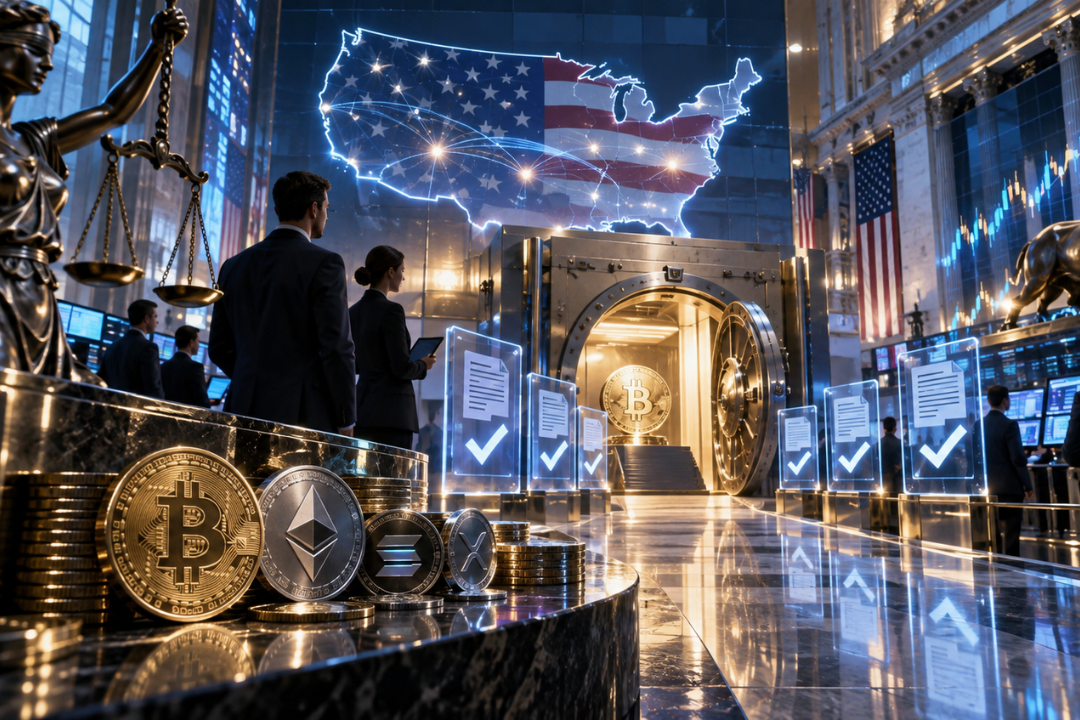


Stablecoin regulation in the United States is usually presented as an effort to protect consumers. Lawmakers talk about ensuring reserves are safe, issuers remain solvent, and users can redeem their tokens for dollars whenever they want.
Those concerns are legitimate. The stablecoin industry has experienced reserve controversies, failed projects, and periods when users struggled to redeem their assets.
But the emerging U.S. regulatory framework may have a much bigger purpose.
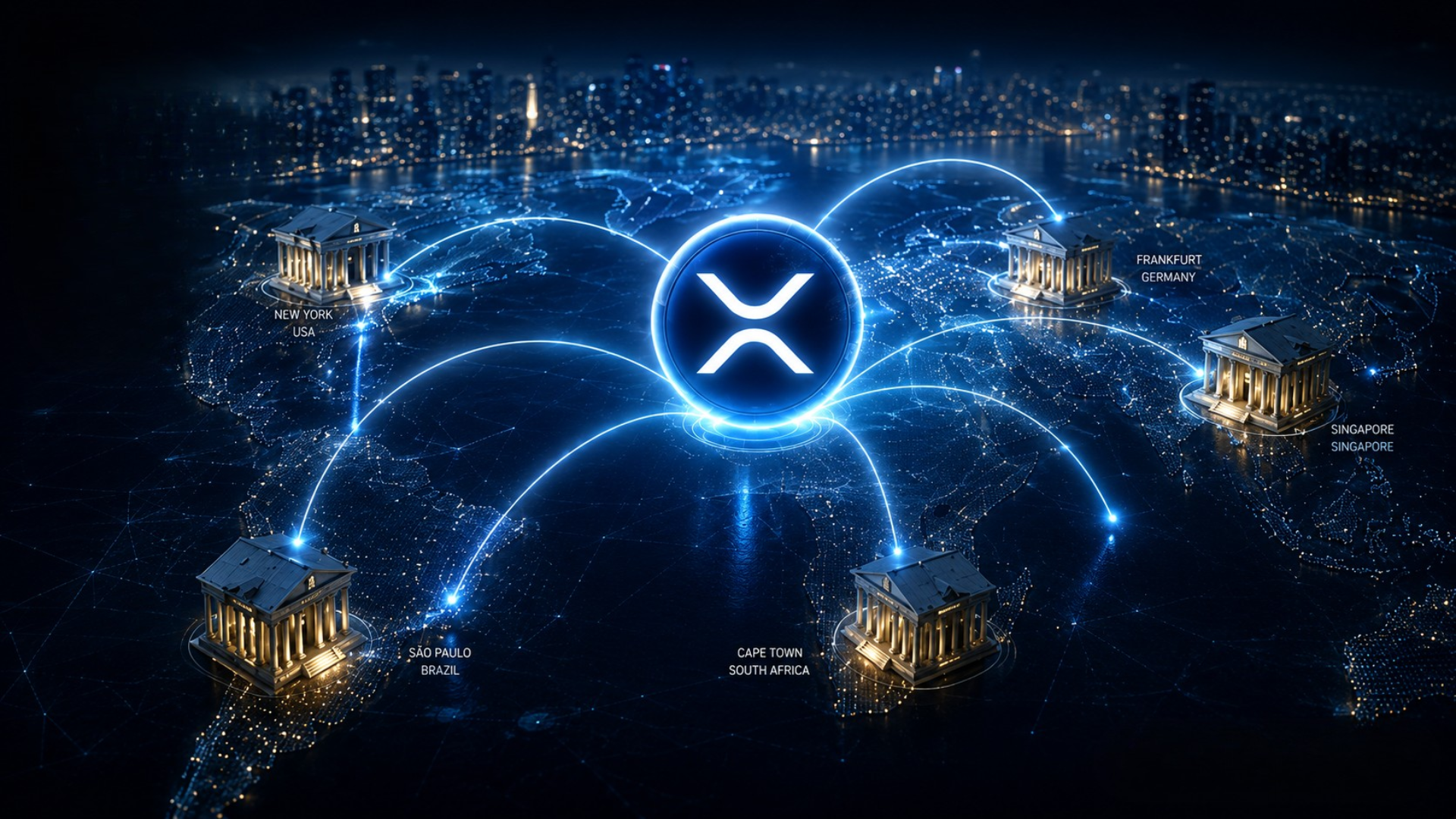
From the GENIUS Act’s reserve requirements to proposed accounting standards and new Treasury enforcement rules, the framework could strengthen the role of dollar-backed stablecoins in global finance. In effect, stablecoins are becoming a new digital distribution network for the U.S. dollar.
Stablecoin Reserves Could Create More Demand for U.S. Treasuries
One of the most important elements of the GENIUS Act is its approach to stablecoin reserves.
Under the framework described in the article, payment stablecoin issuers must back their tokens using a limited range of highly liquid assets, including short-term U.S. Treasury bills, insured bank deposits, and overnight Treasury repurchase agreements.
This creates an important relationship between stablecoin adoption and the traditional financial system.
When users purchase more regulated dollar stablecoins, issuers need additional reserve assets to back those tokens. If a significant portion of those reserves is held in Treasury bills, growth in stablecoin circulation can translate into greater demand for short-term U.S. government debt.
That means stablecoins are not simply digital dollars circulating on blockchains. They can also become an increasingly important source of demand for Treasury securities.
As the stablecoin market grows, that relationship could become much more significant.
Tether Shows How Large Stablecoin Treasury Holdings Can Become
Tether provides a good example of the scale this model can reach.
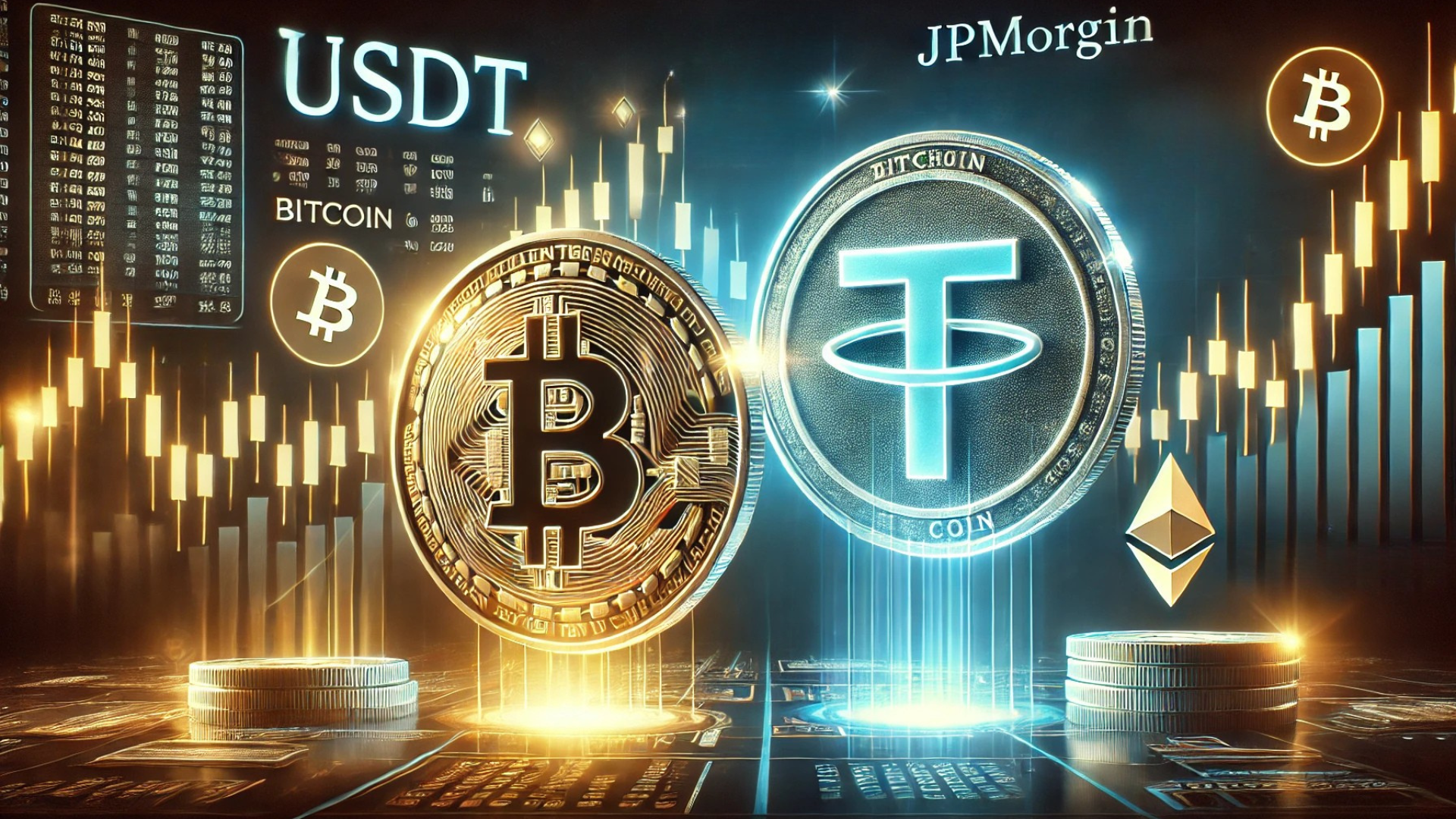
The company behind USDT reported approximately $98 billion in U.S. Treasury bills in its latest quarterly attestation, according to the article. That puts Tether’s Treasury holdings on a scale comparable with major sovereign holders of U.S. government debt.
Importantly, Tether moved heavily into Treasury bills before such reserve structures became mandatory.
There are clear business reasons for doing so. Short-term U.S. Treasuries are considered highly liquid, and their yields can generate substantial income for an issuer managing billions of dollars in reserves.
The GENIUS Act could effectively extend a similar model across the broader regulated stablecoin market.
Instead of individual issuers independently deciding how to structure their reserves, compliant companies would operate within a framework that directs substantial amounts of stablecoin backing toward highly liquid dollar-denominated assets.
The larger stablecoins become, the more meaningful that demand could become for the U.S. financial system.
FASB Could Bring Stablecoins Into Corporate Cash Management
Stablecoin regulation is not developing only through legislation.
Accounting standards could also play a major role in determining whether businesses begin treating stablecoins more like traditional cash.
The Financial Accounting Standards Board proposed three conditions for certain stablecoins to qualify as cash equivalents on corporate balance sheets: redemption at par within one business day, reserves held in low-risk liquid assets, and independent reserve attestations at least quarterly.
This could be a major change for corporate adoption.
If qualifying stablecoins can be treated more like cash equivalents, businesses may find it easier to hold and use them for treasury management, payments, settlements, and other financial operations.
Imagine a multinational company holding part of its operational cash in a regulated dollar stablecoin rather than keeping everything inside conventional bank accounts.
The stablecoin could potentially move around the clock, settle internationally, and interact directly with blockchain-based financial infrastructure.
From that perspective, accounting recognition could become just as important as cryptocurrency regulation itself.
Stablecoins Could Become Digital Infrastructure for the Dollar
This is where the broader significance of U.S. stablecoin policy becomes clearer.
The dollar already dominates much of global trade and finance, but accessing dollar banking infrastructure is not equally easy everywhere.
Stablecoins offer another route.
A business, freelancer, or individual can potentially receive and hold dollar-denominated stablecoins without relying on the same correspondent banking infrastructure traditionally required for international dollar transactions.
That creates a powerful new distribution mechanism.
Instead of physically moving dollars through traditional banks, dollar value can move through blockchain networks 24 hours a day.
If regulated stablecoins remain backed primarily by U.S. financial assets, the underlying system still connects back to the dollar and U.S. financial markets.
U.S. Compliance Rules Could Favor Regulated Issuers
The Treasury’s proposed implementation rules are another important part of the picture.
According to the article, these rules would help determine when a stablecoin is considered issued, offered, or sold within the United States. That distinction matters because it determines which issuers fall within the American regulatory framework.
Companies already operating through U.S. banks and regulatory structures could have an easier path toward compliance.
Offshore issuers may face a more complicated decision.
They could restructure their operations to meet U.S. requirements or potentially lose access to parts of the American financial system.
This creates more than a consumer-protection standard. It establishes a regulatory boundary around which stablecoins can interact freely with U.S. institutions.
That could ultimately influence which stablecoins banks, corporations, investment firms, and payment providers choose to use.
What About Euro and Yuan Alternatives?
The growing importance of dollar stablecoins also raises questions about competing digital currencies.
Euro-backed stablecoins exist, but their circulation remains much smaller than leading dollar-backed tokens.
Central banks are also developing their own digital currencies. China’s digital yuan and Europe’s proposed digital euro represent alternative approaches in which central banks, rather than private companies, play the central role.
The American approach has developed differently.
Rather than relying entirely on a government-issued central bank digital currency, the U.S. framework allows private companies to issue digital dollars while regulation determines how those tokens are backed and how issuers interact with the traditional financial system.
That model has several potential advantages.
Private companies can compete on technology, distribution, integrations, and user experience, while reserve requirements keep their tokens connected to traditional dollar assets.
If successful, the result could be a privately operated but heavily regulated global network for distributing digital dollars.
January 2027 Could Become an Important Deadline
The article identifies January 2027 as a major point in the implementation of the GENIUS Act.
Issuers seeking continued access to American users and financial institutions would need to prepare their reserve structures, licensing arrangements, and compliance systems around the new requirements.
For U.S.-based issuers that already maintain close relationships with regulated banks, the transition could largely formalize existing practices.
Offshore issuers could face more difficult choices.
If an issuer chooses not to comply, demand for dollar stablecoins itself may not disappear. Users and institutions could simply move toward another compliant dollar-backed token.
That is an important distinction.
Individual stablecoin companies can gain or lose market share, while the underlying demand for digital dollars can continue growing.
Stablecoins Could Help Solve the Dollar’s Distribution Problem
The dollar remains the world’s dominant reserve currency, but its share of global central bank reserves has gradually declined over the past several decades.
According to the figures cited in the article, the dollar’s share fell from around 72% in 2000 to roughly 57% in 2025.
Stablecoins introduce another way for dollars to circulate globally.
A freelancer receiving international payments, an online merchant selling across borders, or a business operating in a country with limited access to dollar banking can potentially use dollar stablecoins without relying entirely on traditional banking infrastructure.
That makes the dollar easier to move and, in some circumstances, easier to access.
This could be particularly significant in emerging markets, where demand for dollar-denominated savings and payments may already be strong.
Consumer Protection Still Matters
None of this means consumer protection is irrelevant.
Stronger reserve standards, clearer disclosure requirements, and reliable redemption mechanisms can provide genuine benefits for stablecoin users.
A properly regulated stablecoin market could reduce the risk of issuers holding questionable reserve assets or being unable to meet redemption requests during periods of market stress.
But consumer protection may be only one part of the larger picture.
The same regulations that protect users can simultaneously connect stablecoins more tightly to Treasury markets, corporate accounting systems, U.S. banks, and regulated payment infrastructure.
That combination could strengthen the dollar’s position in blockchain-based finance.
The Bigger Picture
Stablecoin regulation could ultimately become an important piece of U.S. monetary and financial strategy.
Reserve requirements can transform stablecoin growth into additional demand for Treasury assets. Accounting standards could make regulated stablecoins easier for corporations to hold. Compliance rules could determine which issuers gain access to America’s financial infrastructure.
Together, these developments could turn privately issued stablecoins into a global distribution layer for digital dollars.
The consumer-protection benefits are real, but the broader implications extend much further.
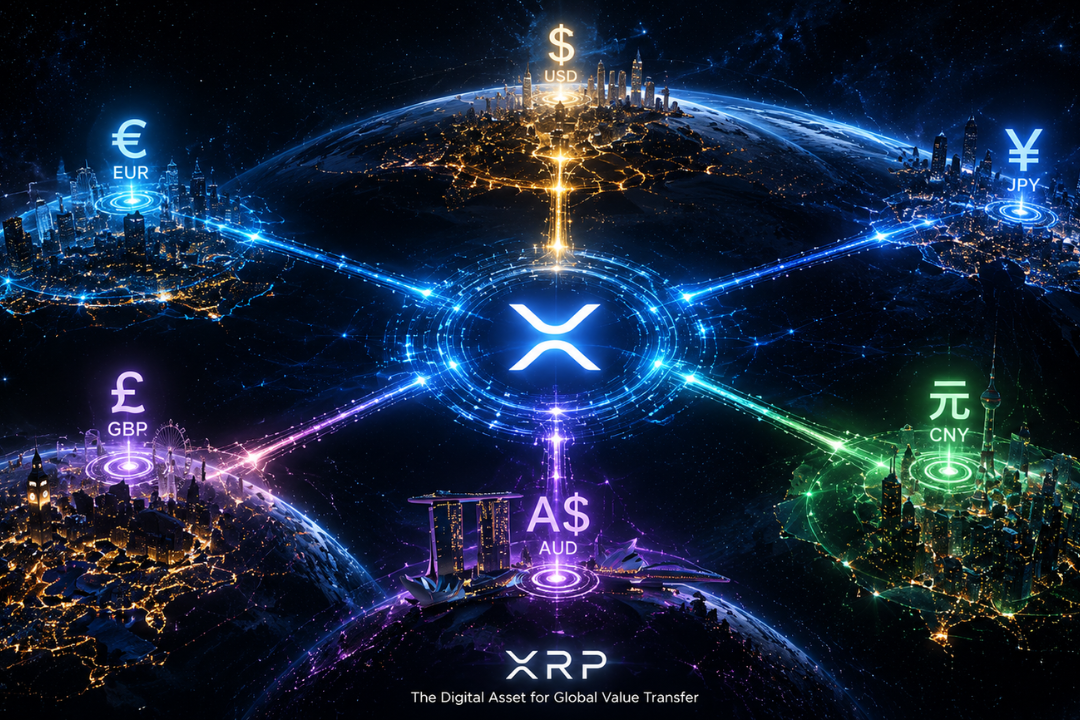
As traditional dollar distribution faces growing competition from alternative currencies, payment networks, and central bank digital currencies, stablecoins give the dollar something it has never had before: a blockchain-native form that can potentially move globally, continuously, and outside conventional banking hours.
That may prove to be one of the most important consequences of stablecoin regulation.
Disclaimer: This content is provided for informational and educational purposes only and should not be considered financial, legal, tax, or investment advice.