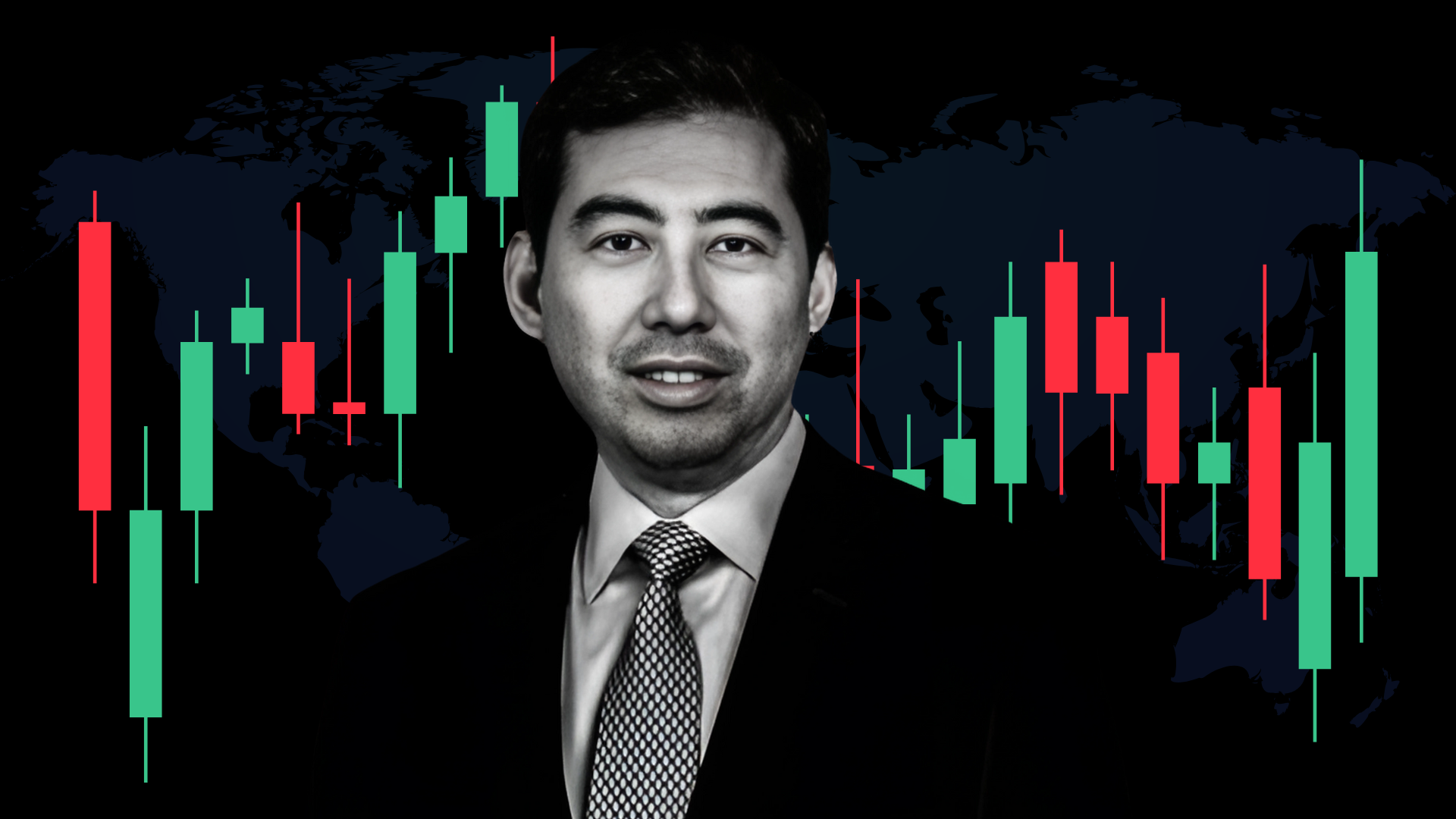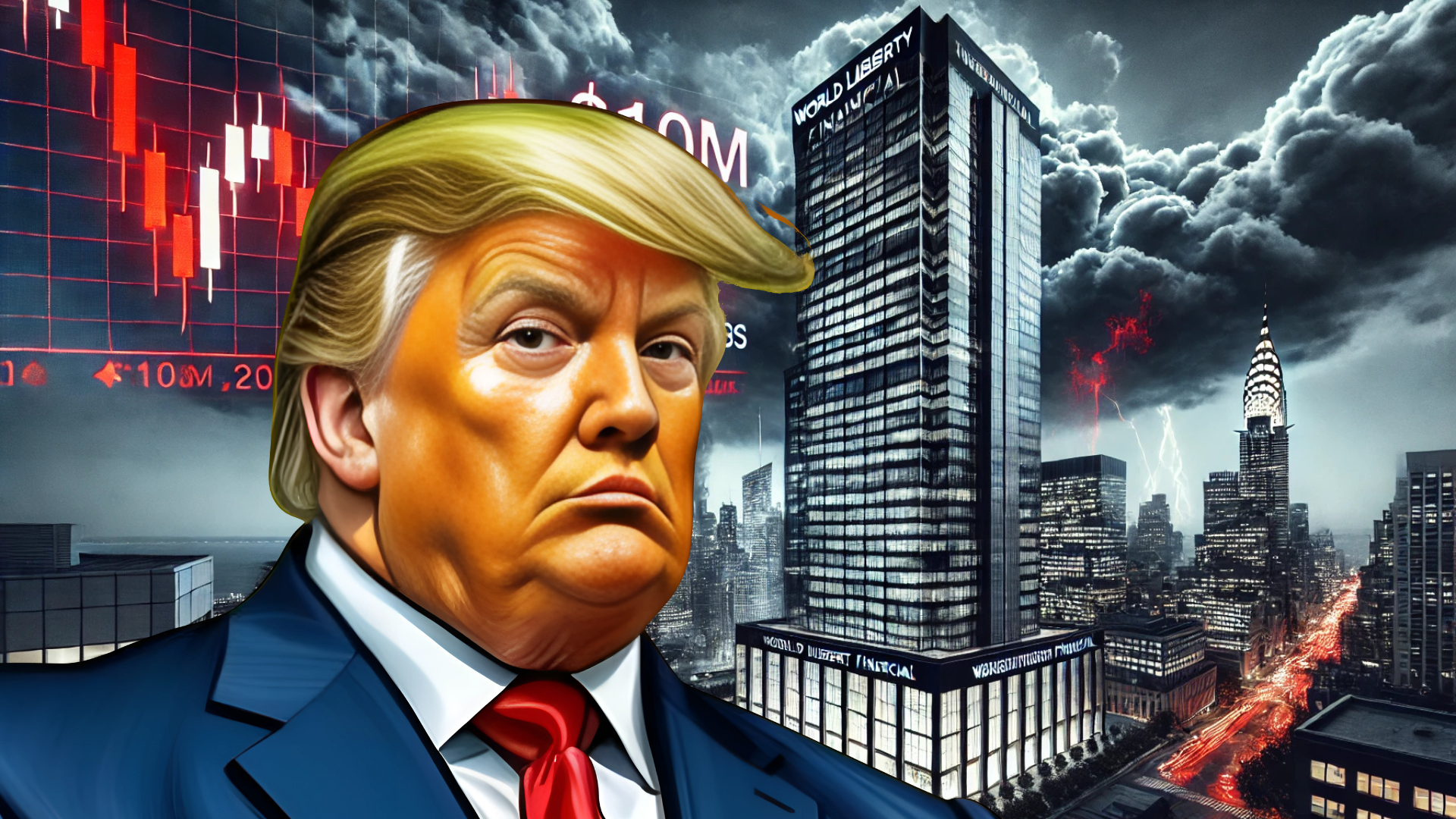


The U.S. Department of Justice has charged Few and Far founder Taj Tarsha with securities fraud and wire fraud over an alleged scheme involving more than $10 million raised for an NFT marketplace and its planned FAR token.
Federal prosecutors claim Tarsha misled investors about how their money would be used and diverted company funds toward gambling, speculative cryptocurrency trading and personal expenses.
The charges remain allegations. Tarsha is presumed innocent unless prosecutors prove the case beyond a reasonable doubt in court.
Federal Prosecutors Charge Taj Tarsha
The U.S. Attorney’s Office for the Southern District of New York announced the indictment on Aug. 5.
Tarsha, a 34-year-old Miami resident, had previously been arrested on June 6. The case has been assigned to U.S. District Judge Lewis A. Kaplan.
He faces one count of securities fraud and one count of wire fraud.
Each charge carries a statutory maximum sentence of 20 years in prison. However, those maximum penalties do not mean Tarsha would automatically receive a 40-year sentence if convicted.
Any punishment would be determined by the court after considering federal sentencing law and the facts established during the case.
Few and Far Raised More Than $10 Million
According to the indictment, Few and Far began raising money in February 2022 through Simple Agreements for Future Tokens, commonly known as SAFTs.
A SAFT allows investors to provide funding in exchange for the right to receive tokens at a later date, usually after the related blockchain project or product launches.
Prosecutors said at least 67 investors paid more than $10 million for rights to receive approximately 95 million FAR tokens.
The agreements reportedly stated that the money would be used to develop the token, build the Few and Far NFT marketplace and cover legitimate business costs.
The offering also informed participants that the investment could qualify as a security and restricted U.S. participation to accredited investors under Regulation D.
Case Focuses on Alleged Misrepresentations
The government’s case does not claim that issuing a cryptocurrency token is automatically illegal.
Instead, prosecutors allege that Tarsha made important representations about the intended use of investor funds and then knowingly used the money for different purposes.
Securities fraud cases often focus on whether investors received false or misleading information that could have influenced their decision to invest.
In this case, the DOJ claims investors were told that Few and Far was raising funds to develop a functioning NFT marketplace and support the launch of the FAR token.
Prosecutors allege that significant portions of the money were instead redirected toward Tarsha’s personal activities.
Funds Allegedly Used for Gambling and Crypto Trading
Tarsha reportedly controlled the digital wallet used to collect cryptocurrency from investors.
According to the indictment, he began withdrawing funds for personal use shortly after the fundraising campaign started.
The alleged spending included online casino gambling and speculative purchases of other cryptocurrency tokens.
Prosecutors also claim that company money was used for personal living costs, interior design expenses, hobbies and unrelated business ventures.
These claims have not yet been tested at trial, and Tarsha has not been found guilty of any offense.
Prosecutors Allege $1.2 Million in Hidden Bonuses
The indictment also claims that Tarsha and another Few and Far co-founder received a combined $1.2 million in undisclosed bonuses.
The government alleges that the payments were made despite limited progress on the company’s marketplace and the absence of meaningful operating revenue.
A June 2023 audit reportedly discovered the bonus payments.
According to prosecutors, the other co-founder returned $600,000 after the audit. Tarsha allegedly refused to return his share.
The indictment further claims that Tarsha privately acknowledged Few and Far had “zero revenue” while discussing a higher salary and additional bonuses.
That alleged statement is part of the prosecution’s evidence and remains subject to challenge in court.
Company Personnel Restricted Tarsha’s Wallet Access
Following the audit, Few and Far personnel reportedly removed Tarsha from a multisignature wallet that held company assets.
A multisignature wallet requires approval from more than one authorized person before funds can be moved. Companies often use this structure to prevent a single executive from independently controlling all assets.
Prosecutors allege that Tarsha responded by dismissing two people who had signing authority over the wallet.
He then allegedly threatened legal action unless the remaining assets were transferred into an account under his control.
The government may use these actions to argue that Tarsha attempted to regain exclusive control of investor funds after concerns about the company’s finances emerged.
FAR Token Launched in May 2024
Few and Far eventually launched the FAR token in May 2024.
According to the indictment, the token was made available on a single cryptocurrency exchange that was not legally accessible to U.S. investors.
FAR reportedly began trading near $0.13 before losing more than 99% of its value by the middle of 2025.
The exchange later moved to delist the token, prosecutors said.
A token’s price collapse does not by itself prove fraud. Cryptocurrency assets can lose value for many reasons, including low liquidity, limited adoption, weak market conditions and project failure.
However, prosecutors are expected to use FAR’s launch and Few and Far’s alleged lack of progress as part of the wider case concerning representations made to investors.
Marketplace Allegedly Remained Unfinished
The DOJ claims Few and Far never completed the fully functioning NFT marketplace promoted during its fundraising campaign.
Prosecutors also allege the company failed to generate material revenue.
The government claims Tarsha viewed the token launch mainly as a legal requirement rather than an important step in building a working platform.
In one alleged conversation cited in the indictment, Tarsha reportedly described the situation as “just playing a game” with investors.
When an engineer suggested the FAR token could increase in value, Tarsha allegedly responded that such an outcome would be amusing.
These alleged remarks remain disputed and have not been proven in court.
Personal Housing Expenses Included in Allegations
Prosecutors further claim that Tarsha used company assets to support costs linked to a Miami condominium.
The indictment alleges that remaining investor funds were used as collateral for a loan of nearly $1 million connected to the property.
Interior design expenses were also among the personal costs reportedly paid with company money.
If proven, these transactions could support the prosecution’s argument that investor capital was used for personal enrichment rather than Few and Far’s business operations.
The defense may challenge how the funds were classified, whether the spending was authorized and whether investors received accurate disclosures.
SAFT Structure Creates a Securities-Law Issue
The use of SAFTs is important to the securities fraud charge.
SAFTs are often sold before a project’s token exists or becomes publicly tradable. Investors generally expect to receive tokens later and may hope those assets will increase in value.
The agreements used by Few and Far reportedly acknowledged that the offering could constitute a securities transaction.
They also restricted participation to accredited investors under Regulation D, a U.S. exemption that allows certain private securities offerings without full public registration.
Prosecutors may argue that these features show the fundraising was presented as an investment subject to U.S. securities rules.
However, the government must still prove that Tarsha knowingly made material misrepresentations or engaged in fraudulent conduct.
Criminal Case Is Separate From Civil Enforcement
The Few and Far case is a criminal prosecution brought by the Department of Justice.
That distinction matters because criminal prosecutors must prove guilt beyond a reasonable doubt, which is a higher standard than the burden generally applied in civil enforcement cases.
The DOJ’s Securities and Commodities Fraud Task Force is handling the prosecution.
The FBI received credit for investigating the allegations.
The public announcement did not identify a trial date, plea agreement or timetable for the next hearing.
Investors May Seek Restitution or Forfeiture
Future court filings could address the recovery of investor funds.
If Tarsha is convicted, prosecutors may seek forfeiture of assets allegedly connected to the offenses.
Investors could also pursue restitution, which may require a defendant to repay financial losses resulting from criminal conduct.
Separate civil lawsuits are another possibility, although no such outcome should be assumed without confirmed court filings.
Even when courts order restitution, victims do not always recover their full losses. Recovery depends on the assets available, the number of claimants and the final judicial rulings.
Token Collapse Alone Does Not Establish Fraud
FAR’s decline of more than 99% is likely to attract attention, but the price loss is not the central legal question.
Many digital assets fall sharply without criminal wrongdoing occurring.
The prosecution must instead show that Tarsha made fraudulent statements or intentionally misused funds in a way that violated federal law.
The defense may argue that Few and Far was a failed startup, that spending decisions were legitimate business judgments or that investors understood the risks involved.
Those arguments will be evaluated through court proceedings, evidence and testimony rather than the token’s market performance alone.
NFT Startups Face Greater Legal Scrutiny
The case reflects wider scrutiny of cryptocurrency and NFT startups that raised money by promising future tokens or digital marketplaces.
During the NFT market’s rapid expansion, many projects collected large sums before completing their products.
When platforms failed to launch or tokens lost most of their value, investors often questioned whether founders had accurately represented the projects’ finances and development progress.
U.S. authorities have increasingly focused on whether startup executives used investor money for its stated purpose and whether token-related fundraising complied with securities laws.
What Happens Next in the Few and Far Case?
Tarsha will have an opportunity to respond to the charges and challenge the government’s evidence.
Prosecutors must prove each element of securities fraud and wire fraud beyond a reasonable doubt.
The case may proceed toward trial, although criminal matters can also result in plea negotiations, dismissal of charges or other pretrial resolutions.
Key issues will likely include:
- What Tarsha told investors about Few and Far
- How the raised funds were spent
- Whether personal expenses were properly disclosed
- Who controlled company wallets
- Whether bonus payments were authorized
- The status of the NFT marketplace
- Tarsha’s intentions during the token launch
Until the court reaches a final decision, all allegations remain unproven.
DOJ Case Highlights Risks of Future Token Investments
The indictment highlights the risks investors face when funding projects whose tokens and products have not yet launched.
Future token agreements can depend heavily on the founders’ ability to complete development, secure exchange listings and create genuine demand for the token.
Investors may have limited visibility into how funds are managed during the development period.
Clear financial controls, independent audits and multisignature wallets can reduce some risks, but they cannot guarantee that a project will succeed.
The Few and Far case will now test whether prosecutors can prove that the startup’s failure involved criminal deception rather than poor management or an unsuccessful business strategy.