

For more than a decade, one question has created uncertainty across the cryptocurrency industry: Who should regulate crypto in the United States?
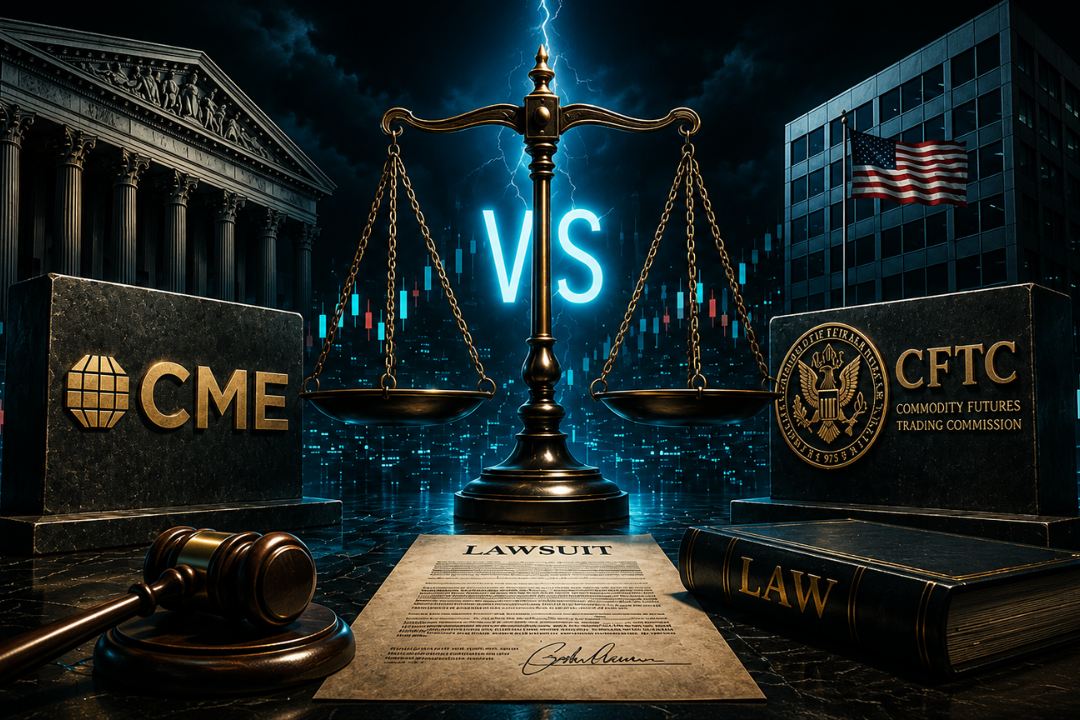
Some digital assets have been treated as securities by the SEC, while others have been viewed as commodities by the CFTC. This lack of clarity has resulted in lawsuits, regulatory confusion, and businesses moving overseas in search of clearer rules.
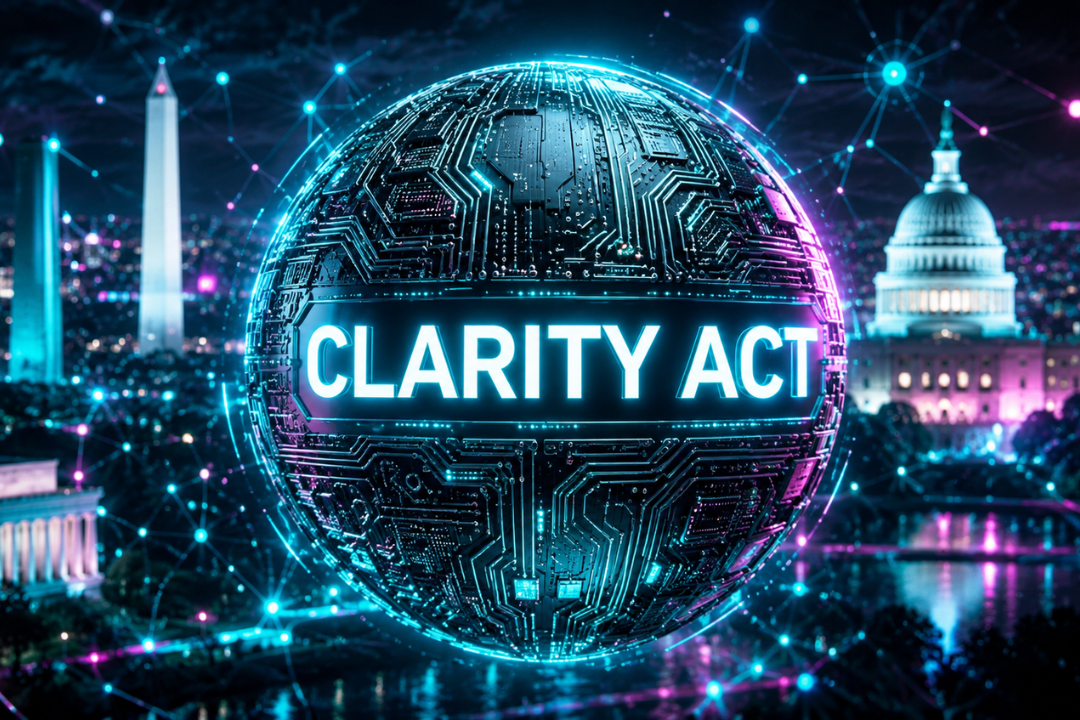
The CLARITY Act aims to finally resolve that problem.
Officially known as the Digital Asset Market Clarity Act, the proposed legislation is designed to establish a clear regulatory framework for cryptocurrencies, exchanges, and blockchain projects. If passed into law, it could become the most important crypto legislation in U.S. history.
Why the CLARITY Act Matters
For years, crypto companies have operated in a legal gray area.
The Securities and Exchange Commission (SEC) has argued that many crypto tokens qualify as securities, while the Commodity Futures Trading Commission (CFTC) has maintained that assets such as Bitcoin function more like commodities.
Without clear legislation, companies have often learned their regulatory status only after facing enforcement actions or lawsuits. This uncertainty has slowed innovation and created challenges for investors, developers, and exchanges alike.
The CLARITY Act seeks to replace regulation-by-enforcement with clear legal definitions and transparent rules.
How the CLARITY Act Classifies Digital Assets
At the heart of the legislation is a system that places digital assets into three separate categories.
1. Digital Commodities
Digital commodities would fall under the oversight of the CFTC.
These are decentralized assets that operate on blockchain networks without a central controlling entity. Bitcoin is the most commonly cited example of a digital commodity.
Projects that meet specific decentralization and utility requirements could qualify for this category and benefit from a lighter regulatory framework.
2. Investment Contract Assets
Investment contract assets would remain under SEC supervision.
These are tokens sold primarily as investments, where buyers expect profits based on the efforts of a project team or organization.
In many cases, newly launched blockchain projects would initially fall into this category because investors are funding the development of the network.
3. Payment Stablecoins
The CLARITY Act creates a separate category for payment stablecoins.
Because stablecoins are designed to maintain a stable value and function primarily as payment instruments, lawmakers believe they require their own regulatory framework rather than being classified as either securities or commodities.
The Unique Feature: Blockchain Maturity
One of the most innovative aspects of the CLARITY Act is the concept of blockchain maturity.
Lawmakers recognize that many blockchain projects begin as centralized ventures but gradually become decentralized over time.
Under the proposed framework, a token could start as an investment contract asset regulated by the SEC. As the network matures and becomes sufficiently decentralized, it could transition into a digital commodity regulated by the CFTC.
This process creates a legal pathway for blockchain projects to evolve without remaining permanently subject to securities regulations.
Stronger Consumer Protection Measures
The CLARITY Act is not only about deciding which regulator oversees crypto assets. It also introduces several consumer protection requirements.
The bill would require crypto companies to:
- Keep customer assets separate from company funds
- Disclose conflicts of interest
- Follow custody and safeguarding requirements
- Implement anti-money laundering procedures
- Maintain customer identification programs
- Report suspicious financial activity
These measures are intended to prevent failures similar to those seen during major crypto collapses such as FTX.
For investors, these protections could create a safer and more transparent environment.
Why Some Critics Oppose the Bill
Despite broad support from much of the crypto industry, the CLARITY Act has faced criticism.
Some lawmakers and regulators worry that the legislation may allow certain projects to escape stricter SEC oversight too easily.
Others have raised concerns about:
- Whether the decentralization standards are strong enough
- The regulation of decentralized finance (DeFi)
- Stablecoin oversight
- Ethics provisions involving public officials and crypto investments
These debates continue to shape discussions as the bill moves through Congress.
Where the CLARITY Act Stands Today
The CLARITY Act has already made significant progress through the legislative process.
The bill passed the U.S. House of Representatives with bipartisan support and later advanced through a key Senate committee.
It is now closer to becoming law than any previous crypto market structure bill. However, several political and regulatory issues still need to be resolved before final approval.
While momentum remains strong, the legislation has not yet been enacted.
What the CLARITY Act Could Mean for Crypto Investors
If the bill becomes law, everyday crypto users could see several benefits.
Investors would gain greater certainty regarding the regulatory status of digital assets. Exchanges would operate under clearer rules, and stronger consumer protections would help safeguard customer funds.
The legislation could also encourage greater participation from financial institutions, potentially leading to new products, services, and investment opportunities.
At the same time, users may experience increased compliance requirements, including additional identity verification and reporting obligations.
For most investors, however, the tradeoff could be worthwhile if it creates a safer and more stable crypto ecosystem.
Final Thoughts
The CLARITY Act represents one of the most ambitious attempts to bring regulatory certainty to the cryptocurrency industry.
By defining digital commodities, investment contract assets, and payment stablecoins, the bill seeks to create a framework that supports innovation while protecting consumers.
Whether or not it ultimately becomes law, the legislation marks an important step toward resolving years of regulatory uncertainty surrounding digital assets in the United States.
For crypto investors, developers, and businesses, the outcome of the CLARITY Act could help shape the future of the industry for years to come.