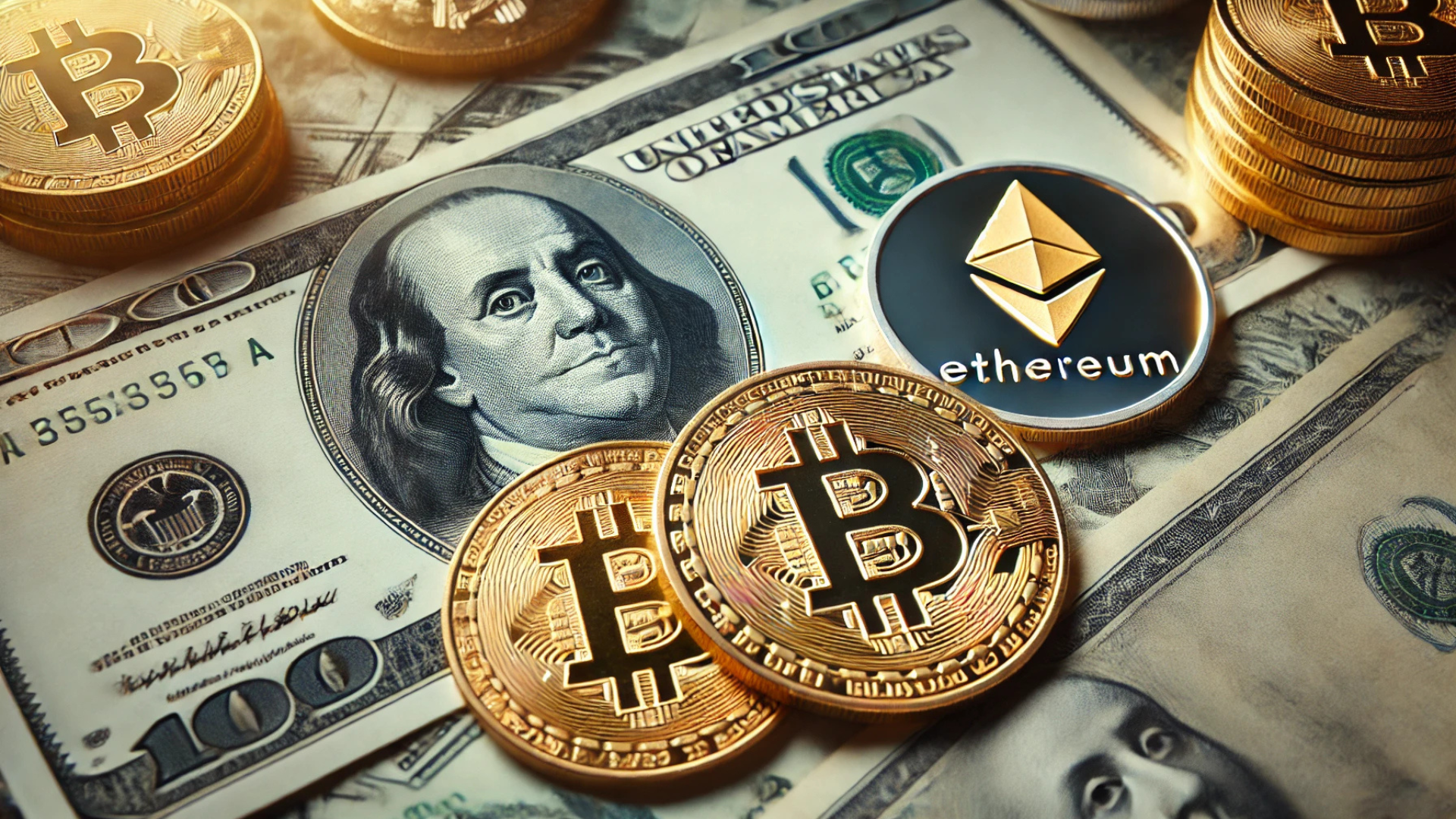


Germany has long been considered one of the most crypto-friendly countries in Europe because of a unique tax rule: investors who held cryptocurrency for more than one year could sell their assets without paying tax on their gains.
That advantage may soon disappear.
The German Federal Ministry of Finance has introduced a draft proposal that would remove the one-year tax-free holding period for cryptocurrencies and move crypto profits into the country’s flat capital income tax system.
The change does not simply mean higher taxes for everyone. In reality, the impact depends heavily on whether someone is a long-term holder or an active trader.
Germany Is Not Simply Raising Crypto Taxes
Many headlines describe the proposal as Germany increasing taxes on Bitcoin and crypto.
That description is incomplete.
The major change is that Germany wants to remove the difference between holding crypto long-term and trading crypto actively.
Under the current system:
- Hold crypto for more than 12 months → gains can become tax-free
- Sell within 12 months → gains may be taxed according to personal income tax rates
The new proposal would move crypto into the same flat tax system used for other capital investments.
The effective rate would become:
- 25% capital income tax
- Plus 5.5% solidarity surcharge
Resulting in an effective rate of 26.375% before possible church tax.
Who Benefits and Who Loses?
The biggest impact depends on investment style.
Long-Term Bitcoin Holders Could Lose the Biggest Advantage
For years, Germany rewarded patient investors.
Someone could buy Bitcoin, Ethereum, or another cryptocurrency, hold it for more than a year, and potentially sell without paying taxes on the profit.
Under the proposed rules, this advantage would disappear for assets purchased after the cutoff date.
A person buying crypto after January 1, 2027 and selling years later would pay tax on the profit instead of benefiting from the previous exemption.
Active Traders Could Actually Pay Less
The surprising part of the proposal is that some traders may benefit.
Currently, short-term crypto gains can be taxed according to personal income tax rates, which may reach 45% for high earners.
Under the new system, those gains would move to the flat 26.375% rate.
That means active traders could see their tax burden drop significantly.
So while long-term investors lose a major benefit, frequent traders may receive a tax reduction.
When Would Germany’s New Crypto Tax Rules Start?
The proposal includes an important timeline.
Assets Bought Before January 1, 2027
Cryptocurrency acquired before the cutoff date would remain under the existing rules, meaning the previous treatment would continue if the grandfathering provision remains unchanged.
Assets Bought After January 1, 2027
New purchases would fall under the updated capital gains taxation system.
Automatic Tax Withholding From 2028
Crypto service providers would be expected to automatically withhold taxes from January 1, 2028, giving exchanges time to build the required systems.
The Hidden Problem: Crypto Cost Documentation
One of the most important parts of the proposal is not the tax rate itself.
It is record keeping.
Crypto investors often move assets between:
- Multiple exchanges
- Personal wallets
- DeFi platforms
- Hardware wallets
The new system could create problems if platforms cannot verify:
- When the crypto was purchased
- How much was originally paid
Without proper documentation, investors could face taxation based on the full sale amount instead of only the profit.
For example:
Someone bought Bitcoin years ago for €5,000.
Later, they sell it for €50,000.
If the purchase history cannot be verified, taxation could become much more expensive because the original cost basis may not be recognized.
Why Germany Wants This Change
The government’s argument is not mainly about collecting more money.
The expected additional revenue is relatively small compared with Germany’s overall federal budget.
The proposal appears focused on treating cryptocurrency more like traditional financial investments rather than giving it a special tax category.
The government’s reasoning is that crypto has become a form of private capital investment and should follow similar taxation rules.
Germany’s Previous Crypto Tax Advantage
Germany’s tax-free crypto holding rule was never created specifically for digital assets.
It came from existing tax rules covering private sales of assets such as collectibles and precious metals.
When cryptocurrencies appeared, German tax authorities classified them under this category, which allowed the one-year exemption to apply.
The new proposal changes that classification by moving crypto into the capital investment category.
Impact on German Crypto Exchanges
The biggest operational challenge may fall on crypto platforms.
From 2028, exchanges and service providers would need systems capable of:
- Tracking acquisition prices
- Recording purchase dates
- Calculating taxable gains
- Withholding taxes automatically
This could increase compliance costs but may also benefit regulated German exchanges because they can provide easier tax reporting services.
What Crypto Investors Should Watch
Several factors will determine the final impact.
1. Whether Grandfathering Remains
The treatment of existing crypto holdings purchased before the cutoff date is one of the most important issues.
2. Whether the Proposal Passes Unchanged
The bill is still moving through the legislative process and could be modified.
3. Exchange Preparation
Crypto platforms will need major infrastructure updates before automatic withholding begins.
4. Investor Behavior Before 2027
A fixed cutoff date may influence buying and selling decisions as investors attempt to preserve current tax advantages.
What Germany’s Crypto Tax Change Means for Europe
Germany’s move reflects a broader European trend.
Many countries are moving toward treating cryptocurrencies similarly to traditional financial assets rather than creating special tax advantages.
Germany’s previous system was unusual compared with many European neighbors.
The proposed changes would bring Germany closer to the taxation approach already used for other investments.
Germany’s planned crypto tax reform is not simply a tax increase.
It represents a major shift in how the country views digital assets.
Long-term Bitcoin holders may lose one of Europe’s most attractive crypto tax benefits, while active traders could see lower rates.
The most important date for investors is the potential cutoff of January 1, 2027.
For anyone holding cryptocurrency in Germany, understanding purchase records, tax rules, and upcoming changes will become more important than ever.