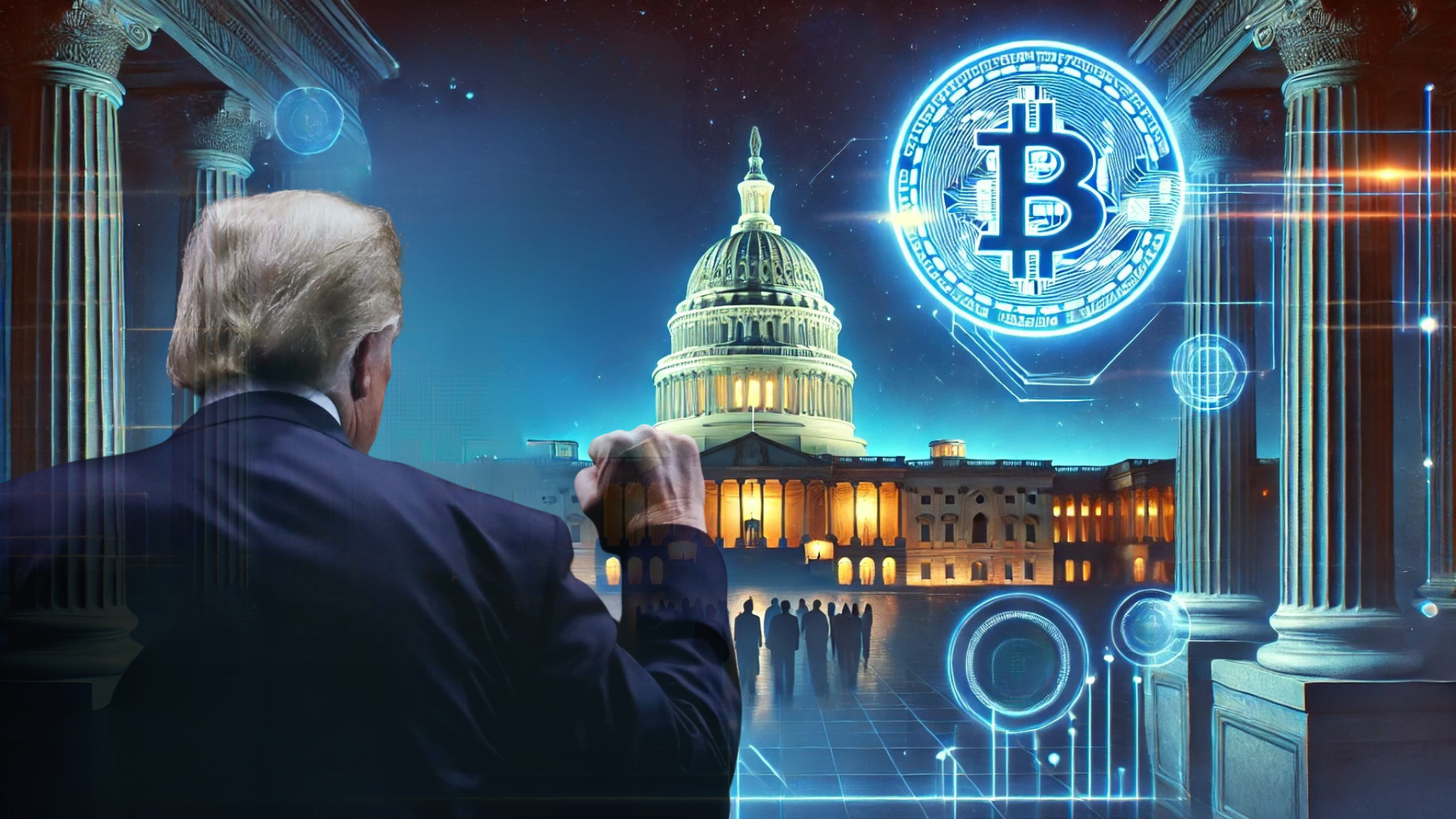


The United States crypto industry is facing renewed uncertainty as the Digital Asset Market Clarity Act (CLARITY Act) moves closer to a potential collapse in Congress.
Once viewed as the most important crypto regulation bill in years, the legislation is now trapped between political disagreements, a shrinking congressional calendar, and a controversial ethics provision that has weakened bipartisan support.
If lawmakers fail to advance the bill, the US may continue relying on agency-level crypto rules instead of establishing a permanent legal framework.
Senate Vote Becomes Critical Test for CLARITY Act
The next major step is a Senate cloture vote scheduled for September 15.
However, this vote is only about whether lawmakers can begin debate on the bill. It is not a final approval vote.
The timing has become a major problem after House Republican leaders removed two weeks of voting sessions from the September calendar.
The decision eliminated eight possible legislative days, leaving lawmakers with only a few days before leaving Washington for the November midterm elections.
For a bill that still requires debate, amendments, and approval from both chambers, the reduced schedule creates a significant obstacle.
Why the 60-Vote Requirement Is Difficult
The Senate cloture vote requires 60 senators to support moving forward.
Republicans currently hold 53 seats, meaning Senate leaders need support from at least seven Democrats.
However, only two Democrats supported the bill during earlier committee discussions.
Several Democratic lawmakers have criticized the current version of the bill, arguing that it does not provide enough protection against conflicts of interest, consumer risks, and political influence.
The political challenge is especially difficult because Democratic senators supporting the bill could face criticism during a midterm election year.
Republicans also face internal challenges. Some analysts believe the effective Republican support could fall below the expected 53 votes because of possible opposition from individual senators.
The Ethics Clause Creating Political Conflict
The biggest disagreement around the CLARITY Act centers on Section 13152, an ethics provision added to the bill.
The clause would prevent:
- The president
- The vice president
- Members of Congress
- Their spouses
from issuing or sponsoring digital assets while holding office.
Violations could result in penalties of up to $250,000 per day.
Supporters view the rule as necessary protection against political conflicts involving crypto assets.
Opponents argue that expanding the restrictions too far could damage support from the White House and Republican lawmakers.
The disagreement has created three competing positions:
- Democrats want stronger ethics restrictions.
- Republicans want to avoid provisions that could lose White House support.
- Crypto companies want regulatory clarity for their businesses.
What the CLARITY Act Would Change
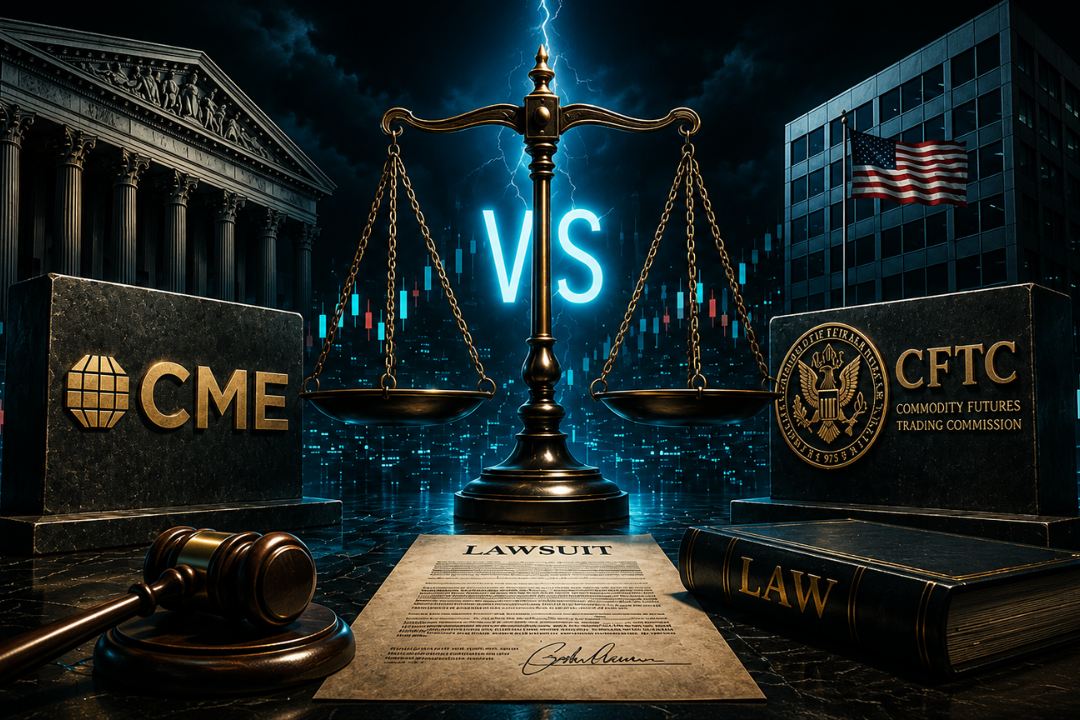
The CLARITY Act aims to establish the first clear legal separation between the SEC and CFTC roles in crypto regulation.
Currently, digital asset oversight depends heavily on agency interpretations, enforcement actions, and guidance.
Under the proposed framework:
- The CFTC would oversee digital commodities.
- The SEC would regulate digital securities.
- Stablecoins would receive separate treatment.
- Tokenized financial products would follow securities rules.
The bill would also introduce registration requirements for exchanges, brokers, and dealers, including disclosure rules, AML controls, and customer asset protections.
Crypto Market Watches US Regulatory Uncertainty
The delay comes as other regions have already created clearer crypto frameworks.
The European Union’s MiCA regulation, UAE licensing system, Japan’s crypto rules, and Singapore’s digital asset framework have given companies more predictable operating environments.
Without the CLARITY Act, US crypto companies may continue operating under a fragmented system involving multiple agencies.
Industry participants argue that this uncertainty makes it harder for smaller companies and startups to compete with larger firms that can afford extensive legal teams.
Prediction Markets Turn Bearish on Passage Chances
Market expectations for the bill have changed dramatically.
Polymarket traders previously gave the CLARITY Act an 82% chance of passing in February.
However, after political disagreements and delays increased, those odds dropped significantly.
Galaxy Digital also lowered its estimate, arguing that the remaining congressional calendar leaves very little room for delays or procedural problems.
The declining probability reflects concerns that the bill is not failing because of a lack of support, but because competing political demands have become difficult to reconcile.
What Happens If the Bill Fails?
If the Senate fails to approve the cloture motion, the CLARITY Act could effectively disappear for the current Congress.
A new opportunity may not appear until 2029, after the next Congress begins.
In the meantime, crypto regulation would continue through:
- SEC rulemaking
- CFTC guidance
- OCC stablecoin regulations
- Accounting standards from FASB
The problem is that agency rules can be changed by future administrations, unlike legislation passed by Congress.
September Could Decide Crypto Regulation’s Future
The week of September 15 contains several major events that could influence the outcome.
Important dates include:
- September 11: August CPI inflation report
- September 15: Senate CLARITY Act cloture vote
- September 16: Federal Reserve interest rate decision
- September 17: SEC market structure roundtable
These events could influence both financial markets and political calculations around the legislation.
What to Watch Next
Key developments that may determine the bill’s future:
- Senate cloture vote: Whether lawmakers can reach the required 60 votes.
- Ethics clause negotiations: Whether Democrats and Republicans find a compromise.
- House schedule changes: Whether additional voting time becomes available.
- Agency responses: How quickly regulators move if Congress fails.
- Market reaction: Whether crypto prices respond to regulatory uncertainty.
Final Outlook
The CLARITY Act was designed to bring long-term certainty to US crypto regulation, but political disagreements have placed its future at risk.
The coming Senate vote will determine whether the United States moves toward a unified crypto framework or continues with a fragmented regulatory system controlled by individual agencies.
For the crypto industry, the outcome could shape investment, innovation, and market development in the US for years to come.