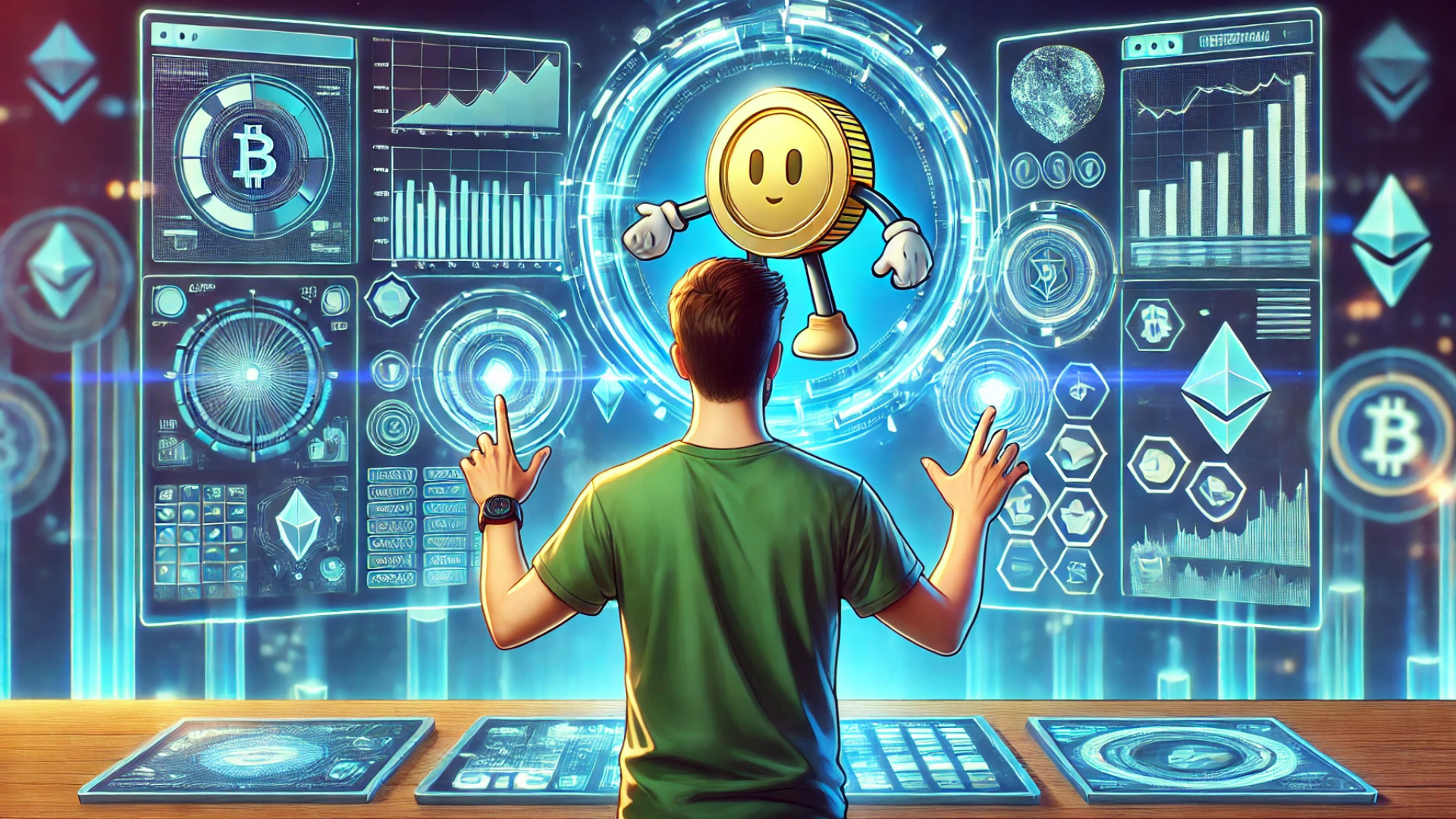


If crypto is going to reach the next billion users over the next decade, the industry has to confront an uncomfortable truth: crypto wallets are still too hard to use.
Today, opening a crypto wallet often feels less like signing up for a modern app and more like solving a technical puzzle. Seed phrases, gas fees, multiple chains, wallet bridges all of this complexity hits users before they even complete their first transaction. For mass adoption to succeed, crypto wallets must feel as intuitive and frictionless as scrolling through Instagram.
People didn’t fall in love with social media because they understood how servers or algorithms worked. They adopted it because it was fast, simple, and rewarding from the very first tap. Crypto needs the same treatment.
Complexity Is Still Crypto’s Biggest Barrier
Despite steady growth, crypto onboarding remains intimidating for newcomers. Setting up a wallet often requires users to:
- Download unfamiliar software
- Safely store long seed phrases
- Understand gas fees and network congestion
- Choose the “right” blockchain before sending funds
This is not how mainstream products grow.
And yet, demand is there. Mobile crypto wallets reached 36 million active users in Q4 2024, showing that interest continues to rise even as usability lags behind. That number, however, represents only a fraction of crypto’s potential audience.
If crypto is to thrive globally especially in regions with limited or unreliable financial infrastructure wallets must feel as familiar as the apps people already use every day.
Why Getting Started Still Feels So Hard
Crypto wallet onboarding hasn’t evolved at the same pace as consumer technology. New users are still greeted with jargon-heavy interfaces and technical explanations that assume prior knowledge.
Terms like “gas,” “nonce,” and “bridge” mean nothing to someone who simply wants to send or receive money. Even basic actions can feel risky when users are warned that one mistake could lead to permanent loss.
In contrast, consumer apps hide complexity beneath clean, mobile-first design. Instagram never asks users to understand data compression or content delivery networks it just works. Crypto wallets need to adopt the same philosophy: hide the mechanics, surface the experience.
The Multi-Chain Headache
Fragmentation is another major obstacle. A growing number of users now manage multiple wallets just to access different blockchains and apps. Recent data shows that over 60% of users juggle at least two wallets, up sharply from the previous year.
This fragmentation exists because blockchains don’t communicate seamlessly. Sending assets across networks requires bridges, swaps, extra fees, and constant attention to which chain is active.
Most users don’t care whether they’re on Bitcoin, Ethereum, or Solana. They just want transactions to work.
The solution lies in intelligent, chain-agnostic wallets. Behind the scenes, AI can manage routing, network selection, fee optimization, and security allowing users to focus on outcomes, not infrastructure.
Security Without Sacrificing Simplicity
Security concerns remain one of crypto’s biggest reputational challenges. In the first half of 2025 alone, billions of dollars were lost due to smart contract exploits and access failures. For everyday users, being told to safeguard a seed phrase in this environment feels overwhelming.
Yet secure authentication already exists in daily life. Biometric tools like fingerprint and facial recognition are widely adopted and trusted. The global biometrics market is projected to approach $70 billion in 2025.
So why shouldn’t crypto wallets follow the same path?
Imagine this onboarding flow: download the app, tap “Get started,” authenticate with a fingerprint, and begin using crypto immediately. No jargon. No seed phrase panic. Just a guided, intuitive experience.
In other words: the thumb becomes the key.
How Crypto Finally Enters Everyday Life
True adoption doesn’t come from more white papers or deeper technical explanations. It comes from meeting users where they already are.
When wallets feel as simple as posting a photo, checking a balance, or sending a message, crypto stops being “technology” and starts being infrastructure. Invisible, reliable, and accessible.
That’s how blockchain becomes part of everyday life not through complexity, but through thoughtful design that prioritizes people over protocols.