
Poland’s crypto regulation debate has become more complicated as lawmakers review four competing bills at the same time. The country’s lower house of parliament, the Sejm, is now examining separate proposals from the government, the presidential office, Poland 2050, and the Confederation party.
The debate is already tense, but a new proposal from the opposition Law and Justice party has made the situation even more difficult. The party has submitted a separate bill calling for a complete ban on crypto-related activities in Poland.
This has turned Poland’s MiCA implementation process into a wider political and regulatory fight.
Four Crypto Bills Are Now Under Review
The Sejm has started the formal review process for four different crypto bills. A second reading vote could take place as early as Thursday.
The four bills reflect Poland’s divided political environment. No single group appears to have enough support to easily pass one unified crypto framework. As a result, lawmakers are now comparing different versions of how crypto should be regulated in the country.
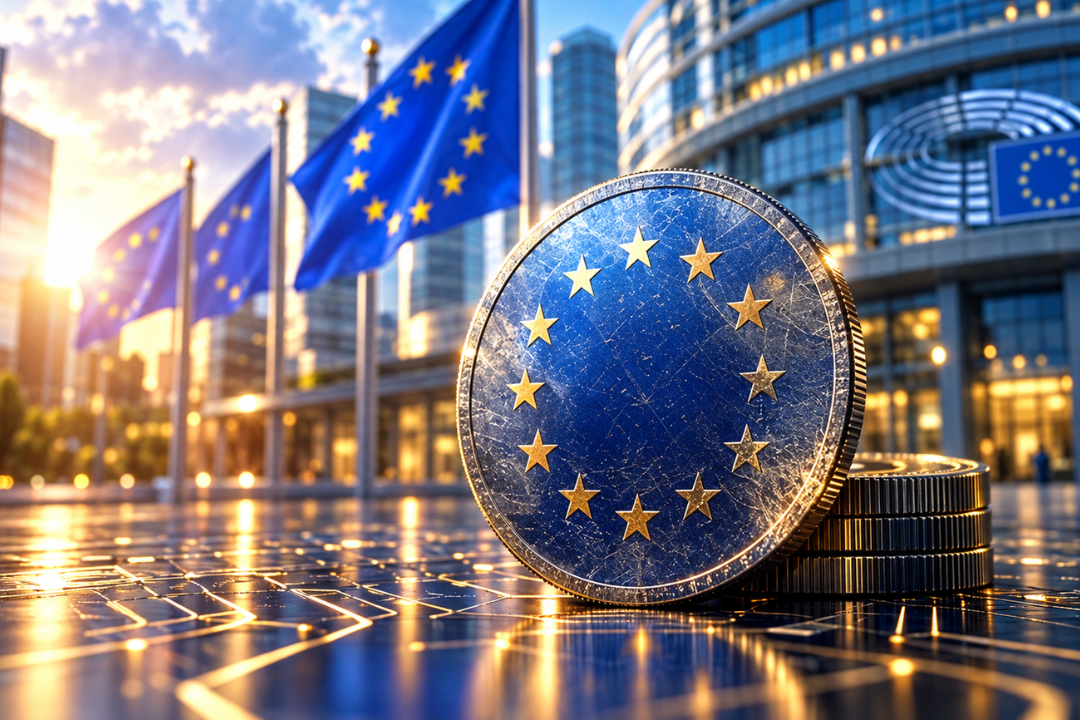
The main goal is to bring Poland’s rules in line with the European Union’s Markets in Crypto-Assets regulation, known as MiCA. However, the dispute is not only about compliance. It is also about how strict Poland’s national enforcement rules should be.
The Main Dispute: KNF’s Enforcement Power
At the center of the debate is the Polish Financial Supervision Authority, known as KNF.
Lawmakers are divided over how much authority KNF should have when supervising crypto firms. The biggest questions involve account freezes and financial penalties.
The presidential draft would allow penalties of up to about 20 million zlotys, or around $5.5 million. The Ministry of Finance version proposes a higher limit of 25 million zlotys, or roughly $6.9 million.
That difference shows a deeper disagreement. Some lawmakers want stronger investor protection and tighter enforcement. Others are concerned that overly strict rules could damage innovation and push crypto businesses away from Poland.
PiS Pushes a Separate Crypto Ban Proposal
The debate became more heated after the Law and Justice party, also known as PiS, introduced a separate bill calling for a full ban on crypto asset-related activity in Poland.
This proposal is not part of the four main bills currently under review. According to Speaker Włodzimierz Czarzasty, it will only move into formal review after the current proposals are processed.
Still, the ban proposal has already changed the tone of the debate. It is a much harder position than the other bills and stands out within the European Union, where MiCA is already in force across all member states.
A full crypto ban would likely face legal and political challenges because EU countries are expected to implement MiCA, not override it with national bans.
Why MiCA Makes Poland’s Debate More Complex
MiCA became fully active across the EU in December 2024. It created a shared licensing and compliance framework for crypto exchanges, stablecoin issuers, and crypto asset service providers.
That means Poland is not deciding whether crypto should be regulated. The EU framework already requires regulation.
Instead, Poland is deciding how strict its own national enforcement rules should be under that framework. This is why the PiS ban proposal is controversial. It goes far beyond normal MiCA implementation and could create conflict with EU-level rules.
Political Questions Add More Pressure
The debate has also taken on a political angle. Speaker Czarzasty raised questions about possible links between crypto industry funding and political activity.
He specifically mentioned Polish exchange Zondacrypto and questioned whether industry money may have influenced political efforts. This added a corruption-related concern to what had previously been a more technical debate about regulation, licensing, and enforcement.
Why Poland’s Crypto Decision Matters
Poland is an important crypto market in Central and Eastern Europe. It has a large retail crypto user base, and Zondacrypto, formerly known as BitBay, is one of the region’s older domestic exchanges.
For established crypto companies, stricter fines and account-freeze powers may be difficult but manageable. A full ban, however, would create far more uncertainty.
Even if a ban were challenged under EU law, it could still disrupt exchanges, compliance teams, investors, and everyday users in the short term.
What Happens Next?
The next major step is the Sejm’s second reading vote. The outcome will show which direction Poland is likely to take.
If lawmakers support one of the regulatory bills, Poland may move closer to a MiCA-aligned framework with stronger national enforcement powers. If the ban proposal gains momentum later, the country could face a much larger legal and political fight.
For now, Poland’s crypto industry is watching closely. The final decision could shape how exchanges operate, how users access digital assets, and how strictly crypto businesses are supervised in one of the EU’s key eastern markets.