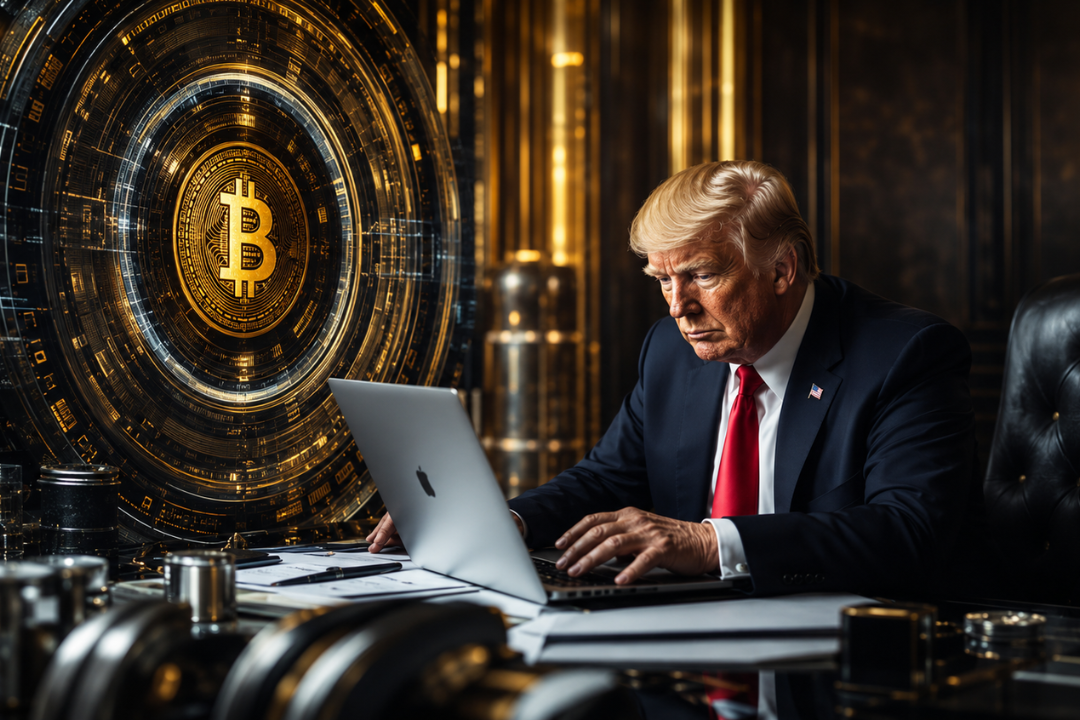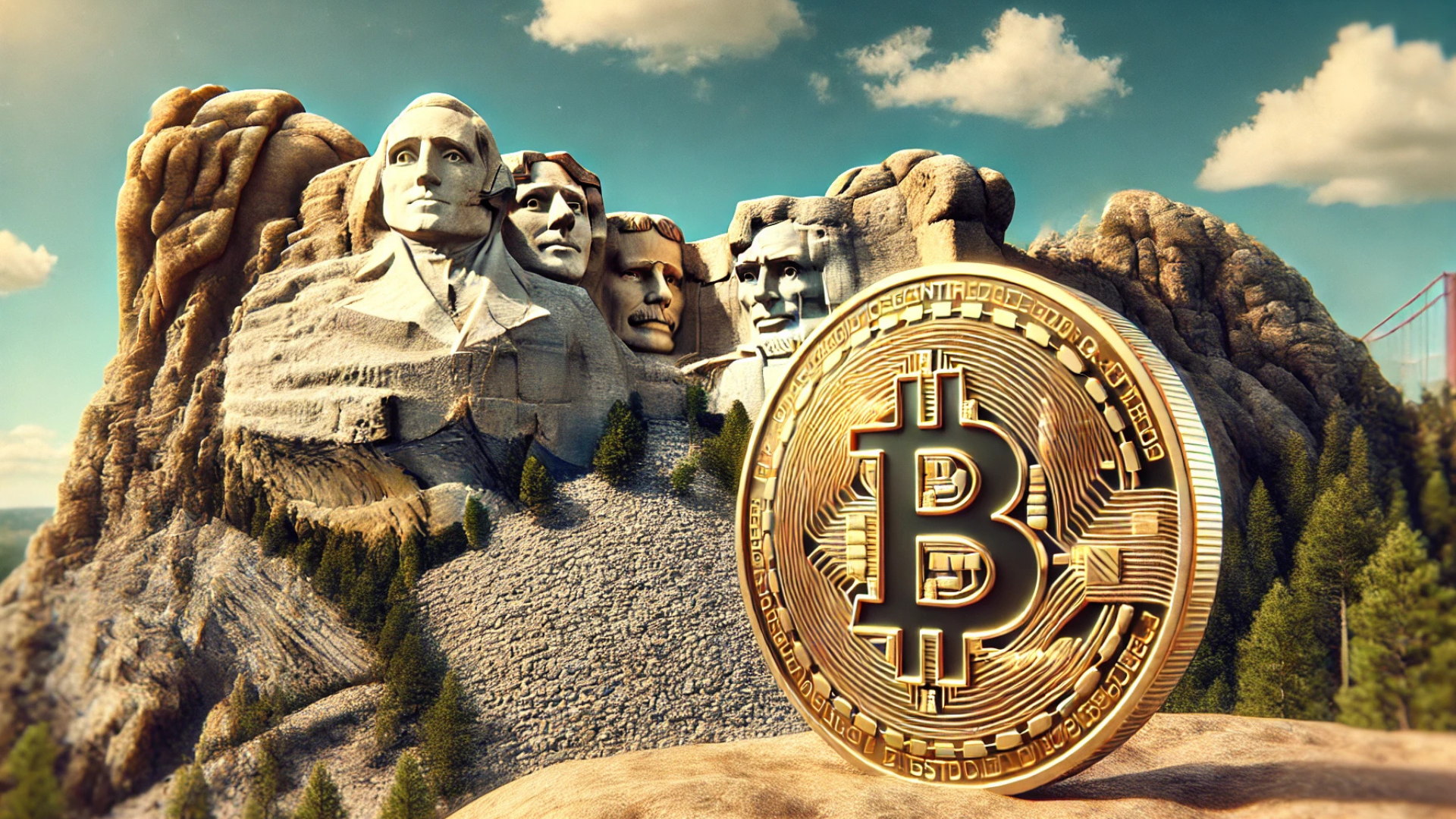


When President Donald Trump signed the executive order creating the Strategic Bitcoin Reserve (SBR) on March 6, 2025, many Bitcoin supporters believed the United States was preparing to become one of the largest active buyers of Bitcoin in the world.
More than a year later, the reality looks very different.
While the Strategic Bitcoin Reserve officially exists, it has largely functioned as a “do not sell” policy rather than an aggressive Bitcoin accumulation program. The U.S. government currently holds approximately 328,372 BTC worth around $25.4 billion, but most of those holdings came from previous law enforcement seizures rather than direct purchases.
As lawmakers debate new legislation and White House officials prepare a major announcement, investors are asking whether the reserve will evolve into an active Bitcoin acquisition strategy or remain a passive holding vehicle.
What the Strategic Bitcoin Reserve Actually Is
One of the biggest misconceptions surrounding the Strategic Bitcoin Reserve is that it was designed to purchase large amounts of Bitcoin immediately.
In reality, the executive order established a reserve primarily funded by Bitcoin that the U.S. government already possessed through criminal and civil forfeiture proceedings. The order also directed federal agencies to stop selling Bitcoin holdings and move toward centralized custody management.
The executive order did not authorize direct Bitcoin purchases or allocate taxpayer funds for acquisitions.
Instead, Treasury and Commerce officials were instructed to explore potential “budget-neutral” strategies for acquiring additional Bitcoin in the future.
The Audit Revealed Serious Custody Problems
One of the most significant developments following the executive order was a government-wide audit of digital asset holdings.
According to White House Digital Asset Advisor Patrick Witt, the audit uncovered surprisingly poor custody practices across federal agencies. Some cold wallets containing government-owned cryptocurrency were reportedly stored in desk drawers, highlighting the lack of a coordinated custody framework.
The situation became even more concerning after reports emerged of a potential $60 million exploit involving U.S. Marshals Service-controlled digital assets in late 2025. The incident reinforced the need for a secure and centralized custody system.
As a result, much of the government’s effort over the past year has focused on infrastructure, security, and legal frameworks rather than acquiring additional Bitcoin.
How Much Bitcoin Does the U.S. Government Hold?
Patrick Witt recently disclosed that the U.S. government holds approximately 328,372 BTC, valued at roughly $25.4 billion based on current market prices.
Most of these holdings originate from major law enforcement actions, including:
- The Silk Road seizure
- The Bitfinex hack recovery
- Various criminal and civil asset forfeiture cases
The figure is substantial, but it remains lower than historical government holdings. Officials have noted that previous administrations sold significant amounts of seized Bitcoin through public auctions, reducing the overall reserve.
The Shift from Ambition to Reality
The Strategic Bitcoin Reserve initially gained attention through ambitious statements from former White House crypto advisor Bo Hines, who promoted the idea of making America a global Bitcoin leader.
However, those expectations were tempered in August 2025 when Treasury Secretary Scott Bessent publicly stated that the government was not actively purchasing Bitcoin and would instead focus on retaining confiscated assets.
Shortly afterward, Hines departed his role and Patrick Witt assumed leadership of the initiative.
Under Witt’s direction, the focus shifted toward legal clarity, operational security, and long-term infrastructure rather than aggressive acquisition targets.
The Legislative Battle Ahead
The future of the Strategic Bitcoin Reserve now depends heavily on Congress.
Senator Cynthia Lummis has proposed the BITCOIN Act, which would require the Treasury to acquire one million BTC over five years and hold those assets for at least 20 years. The proposal would use alternative funding mechanisms, including gold revaluation strategies, to avoid direct taxpayer costs.
At the same time, lawmakers have introduced the bipartisan American Reserve Modernization Act (ARMA), which takes a more cautious approach. Unlike the BITCOIN Act, ARMA does not establish a specific Bitcoin purchase target and focuses more heavily on custody standards and reserve management.
The outcome of these legislative efforts will likely determine whether the Strategic Bitcoin Reserve evolves into a large-scale accumulation program.
What Could the Upcoming Announcement Include?
Patrick Witt recently hinted that a major Strategic Bitcoin Reserve announcement could arrive within weeks.
Based on current developments, the announcement is expected to focus on:
- Centralized custody infrastructure
- Formal legal frameworks for long-term Bitcoin holding
- Enhanced security protocols
- Implementation of the no-sell policy
- Coordination with pending congressional legislation
What the announcement is unlikely to include is authorization for direct Bitcoin purchases, as such actions would require additional congressional approval.
What It Means for Bitcoin
For Bitcoin investors, the Strategic Bitcoin Reserve represents an important long-term development.
The no-sell policy effectively removes more than 328,000 BTC from potential government auction supply, reducing future selling pressure. However, because the reserve currently does not include active purchasing, its direct impact on Bitcoin demand remains limited.
A much larger market impact would occur if Congress authorizes the government to begin acquiring Bitcoin at scale. For example, the proposed one-million-BTC target outlined in the BITCOIN Act would represent roughly 5% of Bitcoin’s total supply and could significantly influence market dynamics.
Final Thoughts
The Strategic Bitcoin Reserve is both real and unfinished.
The United States has officially adopted a policy of retaining its Bitcoin holdings and has begun building the legal and operational framework necessary to manage them securely. However, the reserve remains far from the aggressive accumulation strategy many Bitcoin supporters initially envisioned.
For now, the Strategic Bitcoin Reserve functions primarily as a long-term holding vehicle for government-owned Bitcoin rather than an active buyer in the market.
The next phase depends on congressional action, regulatory developments, and the success of the infrastructure currently being built behind the scenes.
As policymakers continue shaping America’s Bitcoin strategy, the coming months could determine whether the reserve remains a passive asset stockpile or evolves into one of the most significant institutional Bitcoin accumulation programs in history.