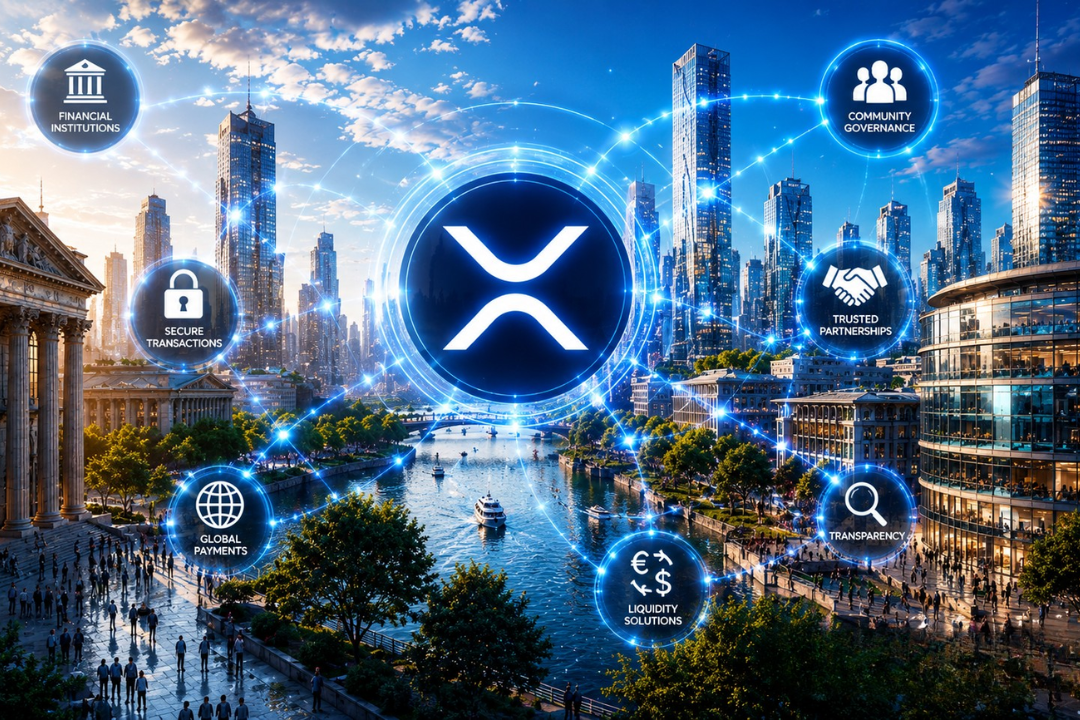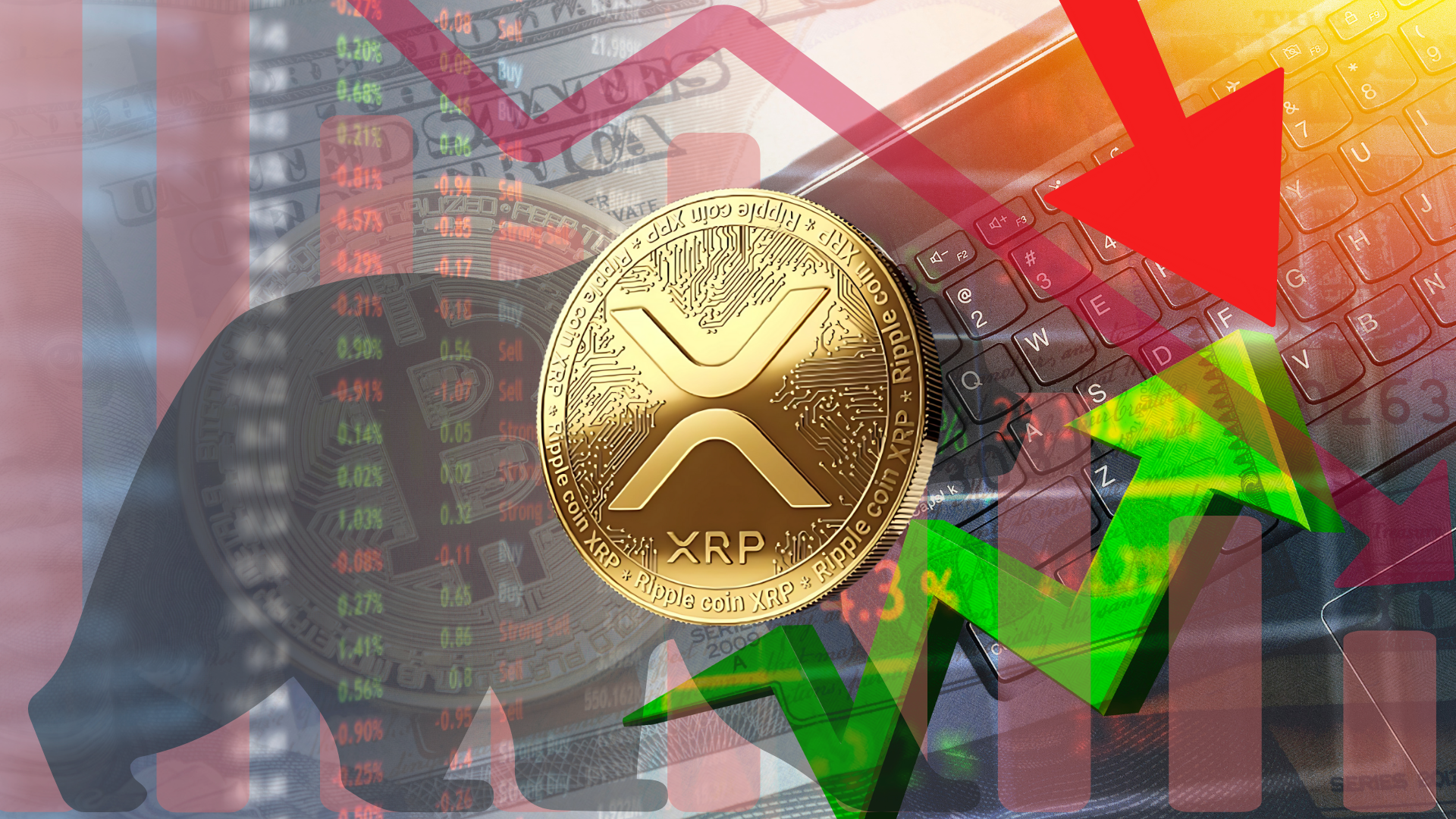


For years, XRP supporters have argued that the token’s real value lies in its utility rather than short-term price movements. While much of the global conversation still revolves around ETF inflows, regulatory battles, and market speculation, Japan has quietly built the world’s most advanced XRP-powered financial ecosystem.
At the center of this transformation is SBI Holdings, one of Japan’s largest financial conglomerates. Through its long-standing partnership with Ripple, SBI has introduced licensed prepaid payment tokens on the XRP Ledger, distributed Ripple’s RLUSD stablecoin, launched tokenized bonds offering XRP rewards, and even rewarded shareholders with XRP.
Unlike most countries where XRP remains largely a speculative asset, Japan is demonstrating what real-world blockchain adoption looks like under a regulated financial system.
A decade-long partnership built on regulation
The relationship between SBI Holdings and Ripple dates back to 2016, when the two companies established SBI Ripple Asia to modernize cross-border payments across Japan and Asia.
Since then, SBI has become one of Ripple’s largest strategic partners and shareholders. Under the leadership of CEO Yoshitaka Kitao, the company has continued expanding Ripple’s technology throughout Japan’s financial sector despite multiple crypto market downturns.
What makes Japan unique is that this expansion happened through regulatory approval rather than around it.
Following the collapse of Mt. Gox in 2014, Japan introduced some of the world’s strictest cryptocurrency regulations, creating licensing systems for exchanges, stablecoins, and prepaid digital assets.
Every major XRP-related initiative launched by SBI has been built within this regulated framework, giving institutional investors greater confidence in the ecosystem.
XRP Ledger enters Japan’s prepaid payments market
One of the biggest milestones came in March 2026, when SBI Ripple Asia received approval as a prepaid payment instrument issuer under Japan’s Payment Services Act.
Shortly afterward, Japanese travel company Tobu Top Tours launched consumer prepaid payment tokens on the XRP Ledger.
This marked one of the first real-world examples of regulated consumer payment tokens operating on XRPL under the supervision of a G7 financial regulator.
The opportunity is significant.
Japan’s prepaid payment market is estimated to process around 30 trillion yen (approximately $200 billion) annually through products such as:
- Transit cards
- Gift cards
- Gaming credits
- Retail payment balances
- Loyalty programs
Instead of relying on traditional databases, these digital balances can now be issued and managed on blockchain infrastructure.
Although XRP itself is not required for every transaction, the growing use of the XRP Ledger increases network activity and institutional adoption.
RLUSD gains regulated entry into Japan
Just days after securing its prepaid payment license, SBI’s licensed crypto exchange, SBI VC Trade, began distributing Ripple’s RLUSD stablecoin.
The launch made RLUSD one of the first foreign-issued dollar stablecoins to enter Japan’s tightly regulated market.
The stablecoin’s reserves were independently verified by Deloitte, providing additional confidence for institutional users.
Japan’s strict stablecoin regulations have created high barriers to entry, making early approval an important competitive advantage for Ripple.
As global competition between USDC, USDT, and newer stablecoins intensifies, Japan could become a key market for Ripple’s stablecoin strategy.
Tokenized bonds reward investors with XRP
SBI has also expanded XRP’s role within traditional finance.
The company issued 10 billion yen worth of tokenized corporate bonds through the BOOSTRY blockchain platform.
These bonds offer investors traditional interest payments while also providing XRP bonuses through 2029.
Although the bond coupons are paid in Japanese yen, the XRP incentives introduce the digital asset into conventional investment products, encouraging broader retail exposure.
XRP reaches everyday financial services
Beyond these headline initiatives, Ripple’s technology continues expanding across Japan’s financial system.
Examples include:
- Regional banks using Ripple-powered payment infrastructure
- Loyalty point conversion into XRP
- Ongoing discussions to acquire additional licensed crypto exchanges
- Investment in blockchain startups across Asia
- Developer programs supporting XRPL adoption
Together, these projects create a network effect that extends well beyond cryptocurrency trading.
Why Japan stands apart
Few countries have replicated Japan’s approach.
The United States remains focused largely on ETFs, legal clarity, and institutional investment products.
Europe has introduced comprehensive crypto regulation through MiCA but lacks a financial conglomerate comparable to SBI that has fully integrated Ripple’s technology.
Japan benefits from three unique advantages:
- Clear and stable crypto regulations
- Strong institutional backing from SBI Holdings
- Long-term commitment from Ripple and its partners
That combination has allowed blockchain infrastructure to develop steadily over nearly a decade.
Does this help XRP’s price?
While Japan showcases XRP’s practical utility, the impact on the token’s market price remains less clear.
Many of the products built on the XRP Ledger—including prepaid payment tokens and RLUSD—do not require users to directly hold XRP.
Instead, they primarily use XRPL as the underlying blockchain infrastructure.
Meanwhile, XRP’s price continues to be influenced more heavily by:
- ETF inflows
- Exchange trading activity
- Ripple’s escrow releases
- Overall crypto market sentiment
This explains why XRP can experience significant price volatility even as adoption of the XRP Ledger continues to expand.
A unique global experiment
Japan has become the strongest real-world example of what XRP’s utility-focused vision looks like.
Rather than treating blockchain as a speculative investment alone, financial institutions have integrated it into regulated payment systems, digital assets, tokenized securities, and consumer financial services.
Whether this institutional adoption eventually translates into higher demand for XRP remains an open question.
What is already clear, however, is that Japan has gone further than any other country in building practical blockchain infrastructure around Ripple’s technology.
As the ecosystem continues to grow, the SBI-Ripple partnership may serve as a blueprint for how traditional finance and blockchain technology can successfully coexist within a regulated environment.