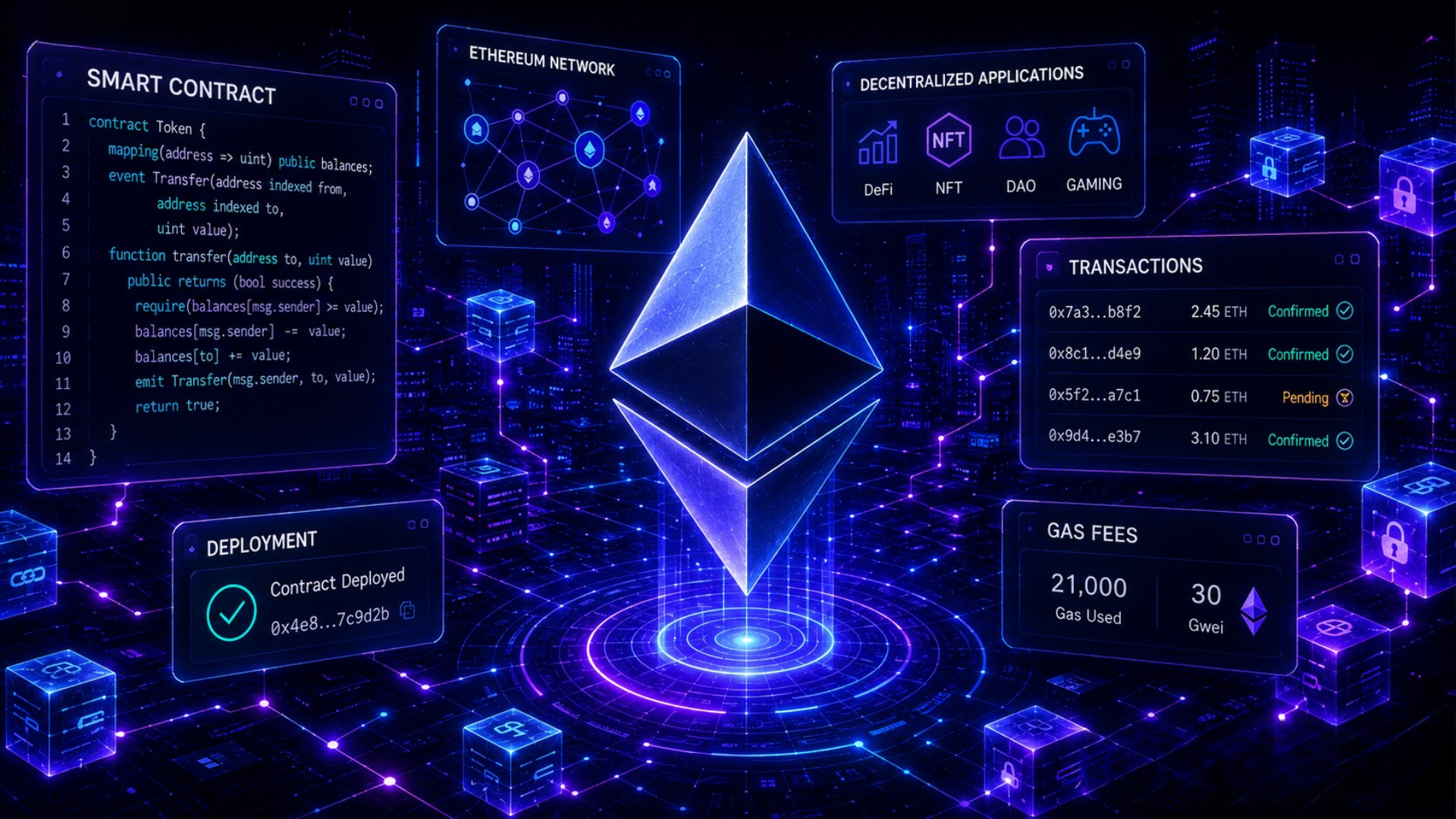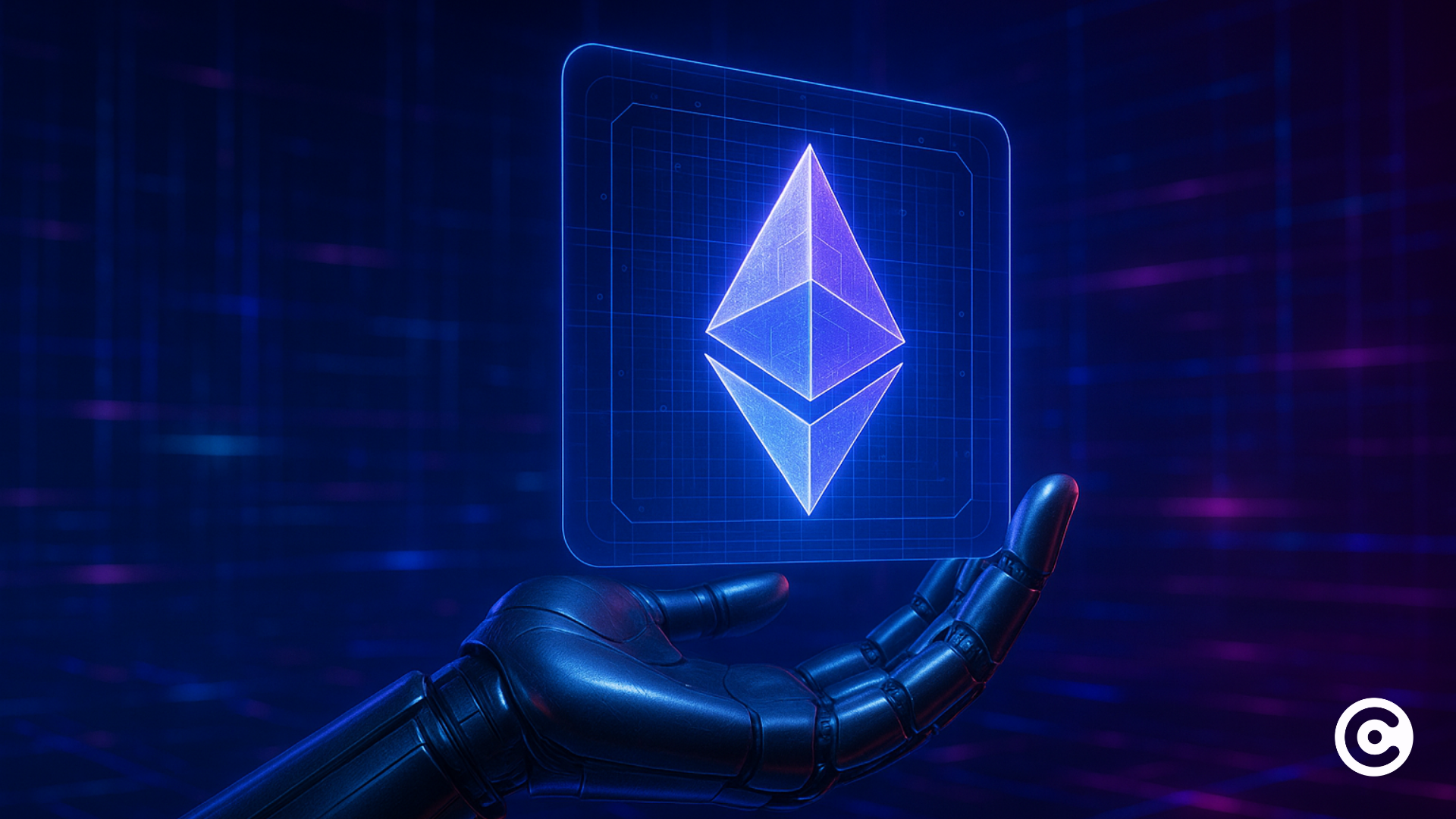


Ethereum could be heading toward its most significant transformation since The Merge.
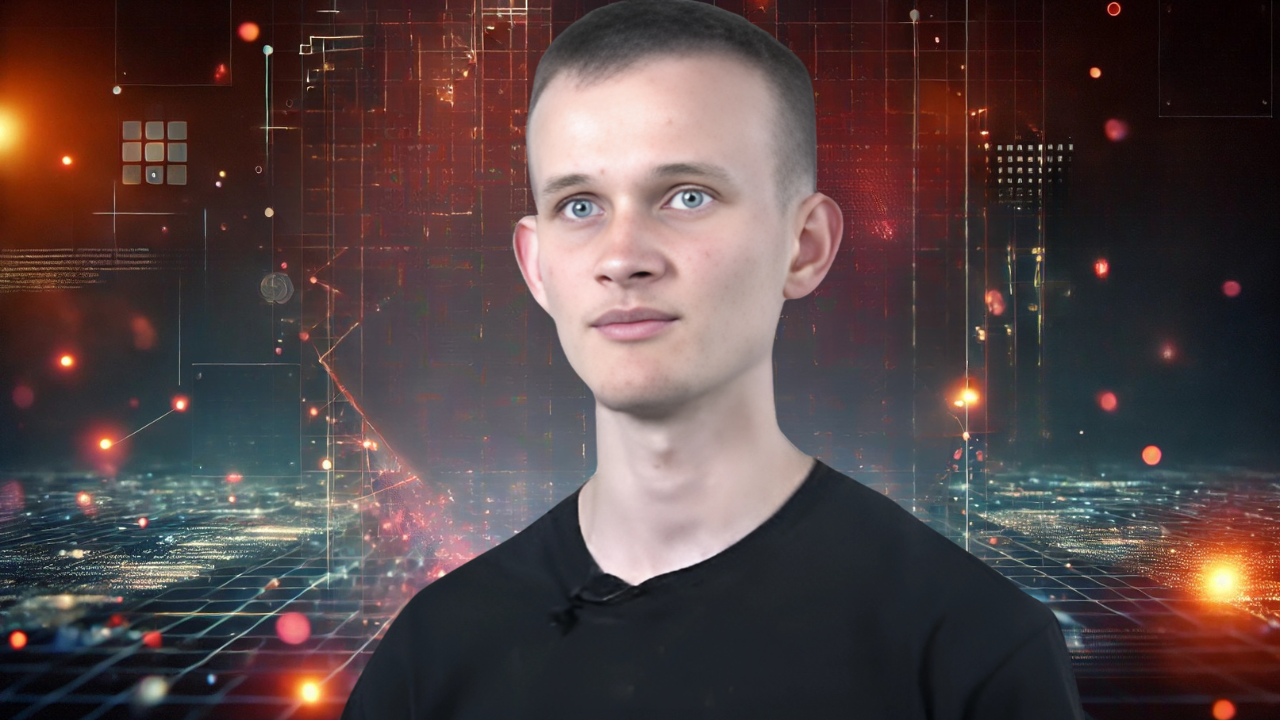
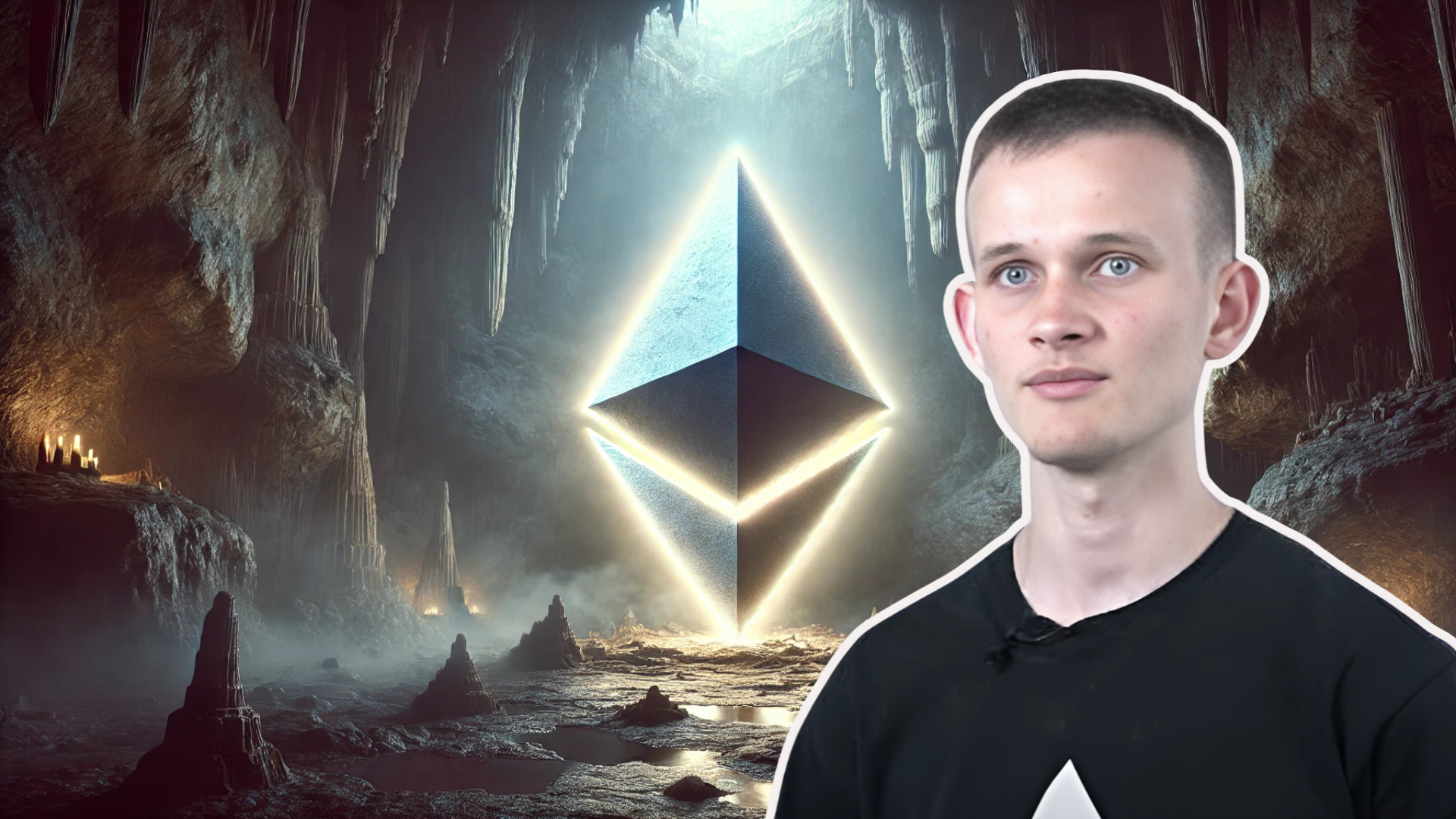
Ethereum co-founder Vitalik Buterin has introduced a new multi-year roadmap that aims to reshape the blockchain by making privacy, quantum resistance, and protocol efficiency core features of the network. If implemented, the proposal would mark Ethereum’s third major evolution after its transition from proof-of-work to proof-of-stake in 2022.
Although the roadmap is still in its draft stage, it outlines an ambitious vision that could redefine how Ethereum operates over the next several years.
Ethereum enters its next phase
The roadmap, published on Strawmap.org and shared by Buterin on X on July 6, lays out a comprehensive plan for Ethereum’s future.
Developed following discussions among Ethereum researchers in Berlin, the proposal is expected to guide network upgrades over the next three to four years.
Rather than introducing a single feature, the roadmap combines improvements across multiple layers of Ethereum’s infrastructure. The goal is to make the blockchain more secure, more efficient, and better prepared for future technological challenges.
According to Buterin, this would be Ethereum’s largest overhaul since The Merge, which successfully transitioned the network to a proof-of-stake consensus mechanism.
Privacy becomes part of Ethereum’s foundation
One of the biggest changes proposed is making privacy a native feature of Ethereum instead of relying on third-party applications.
Today, users often depend on external privacy tools or decentralized applications to keep their transactions confidential.
Under the new roadmap, privacy would become a built-in characteristic of the protocol itself.
The proposal evaluates several parts of Ethereum’s architecture—including transaction mempools, Frames, and future state designs—to determine how they can support private transactions without trusted intermediaries while keeping computational costs low.
This broader vision expands on Buterin’s earlier privacy proposals published in May 2026, turning what was once a collection of improvements into a complete redesign of Ethereum’s core infrastructure.
Preparing Ethereum for the quantum computing era
Another major priority is protecting Ethereum against future advances in quantum computing.
In the roadmap, Buterin states that “quantum safety has shifted up a LOT in priority,” reflecting growing concern that powerful quantum computers could eventually break many of today’s encryption methods.
To address that risk, Ethereum plans to gradually replace several cryptographic systems currently securing the network.
Among the technologies expected to be replaced are:
- BLS signatures
- KZG commitments
- ECDSA cryptography
These would eventually give way to post-quantum cryptographic algorithms, following standards introduced by the U.S. National Institute of Standards and Technology (NIST) in 2024.
The roadmap also prioritizes the development of quantum-safe blob designs, which are expected to strengthen Ethereum’s rollup-based scaling ecosystem.
Faster transaction verification
Beyond security, Buterin’s proposal also focuses on improving Ethereum’s performance.
Instead of requiring every validator to independently execute every transaction, the roadmap introduces recursive STARK-based verification.
Under this model, one prover performs the complex computational work while the rest of the network simply verifies a compact cryptographic proof.
This approach could significantly reduce computational overhead, improve scalability, and make Ethereum more efficient without compromising security.
The proposal builds on earlier research published by the Ethereum Foundation in February 2026, when developers first began exploring quantum threats and more efficient verification systems.
Ethereum Foundation continues restructuring
The ambitious roadmap comes during a period of significant internal change within the Ethereum Foundation.
Over recent months, the organization has reduced its workforce by approximately 20%, eliminating around 54 positions while also implementing a targeted 40% budget reduction.
Several prominent contributors have also departed the foundation, including:
- Hsiao-Wei Wang
- Tomasz Stańczak
- Tim Beiko
- Barnabé Monnot
Despite these organizational changes, Ethereum’s core research efforts continue to advance.
Community welcomes technical detail
Early community reactions have focused less on the roadmap’s vision and more on its technical depth.
Rather than presenting broad objectives, the document outlines specific implementation ideas, including proposed signature schemes, cryptographic replacements, recursive proof systems, and long-term goals for reducing Ethereum’s overall state size.
Many developers have praised the roadmap for providing a clearer technical direction than previous high-level strategy documents.
However, the proposal remains an early draft, and no final implementation schedule has been confirmed.
The “Lean Ethereum” era
According to Buterin’s proposal, the upcoming Hegotá hard fork is expected to serve as the final major upgrade before Ethereum enters what he calls the “Lean Ethereum” era.
In this next phase, privacy, scalability, quantum resistance, and protocol simplicity would no longer be optional enhancements but fundamental characteristics built directly into Ethereum’s core protocol.
If the roadmap moves forward as planned, it could shape Ethereum’s development throughout the remainder of the decade.
Outlook
Vitalik Buterin’s latest roadmap presents the most ambitious vision for Ethereum since its historic transition to proof-of-stake.
By embedding privacy into the protocol, adopting quantum-resistant cryptography, and introducing more efficient verification methods, Ethereum aims to prepare itself for the next generation of blockchain technology.
While the proposal is still under discussion and no implementation timeline has been finalized, it signals the direction Ethereum’s developers want the network to take over the next several years.
If successful, the roadmap could usher in a new chapter for Ethereum—one where security, scalability, and privacy become native features rather than optional additions.